
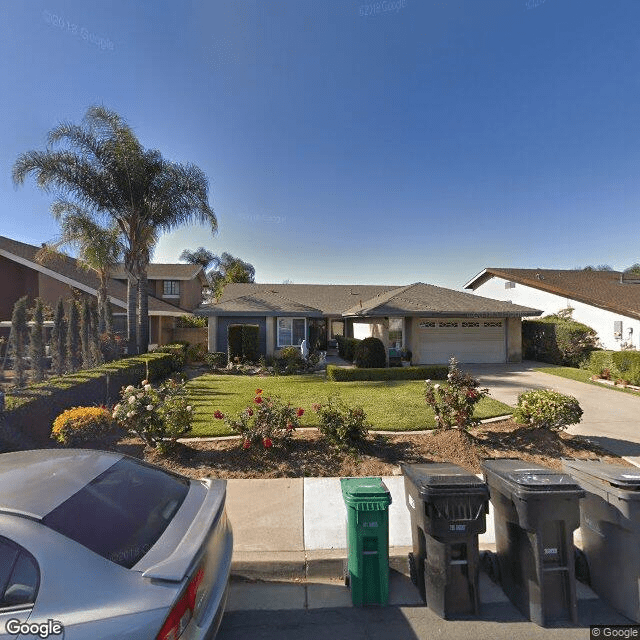
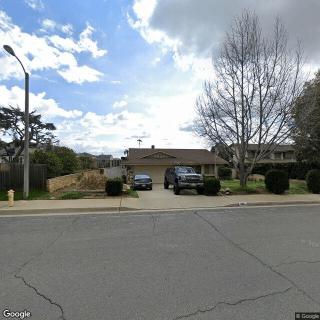
1158 Beaver Way, La Verne, CA 91750
For more information about senior living options: (866) 208-4318
Diamond Crest Home Care Costs & Pricing
At Diamond Crest Home Care, the monthly costs for accommodations reflect a commitment to quality and personalized care. For a semi-private room, residents can expect to pay $3,500, which is slightly above the average rates in Los Angeles County at $3,349 and California's overall average of $3,333. Meanwhile, those seeking a private room will find the cost set at $4,800, positioning it higher than both the county's average of $4,197 and the statewide average of $3,939. These pricing tiers underscore Diamond Crest's dedication to providing exemplary care within a supportive environment while remaining competitive with regional standards.
| Floor plans | Diamond Crest Home Care | Los Angeles County | California |
|---|---|---|---|
| Semi-Private | $3,500 | $3,349 | $3,333 |
| Private | $4,800 | $4,197 | $3,939 |
Assisted Living communities with a similar price nearby
-
from +$495 / mo

Cadence Brea
$3,995 to $5,500 / month15.5 miles away -
from +$500 / mo
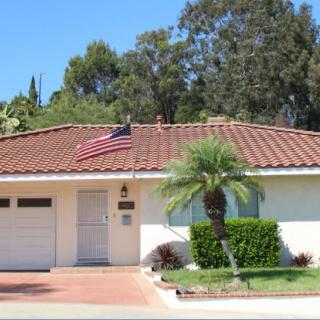
Palomino Residential Care
$4,000 to $6,000 / month20.9 miles away -
from -$500 / mo
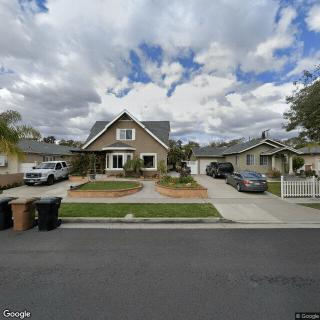
Tabi's Facility Home Care
$3,000 to $3,500 / month20.8 miles away -
About the same

Sam's Homecare
$3,500 to $5,500 / month15.3 miles away -
About the same

Genesis Manor VI
$3,600 to $4,200 / month10.5 miles away
Overall Review of Diamond Crest Home Care
Pros
 The staff are well-liked by residents.
- The facility is clean and up to date.
- Staff assist residents with mobility and outings as needed.
- Holidays include photo updates sent to families.
- The room layout is pleasant for residents.
- The owner is helpful during tours and explanations.
- The home is in a nice area with a small back patio.
Cons
 She is kind of bedridden, so she can't stand on her own.
- If they get a second person in there, that might be a little more challenging.
- The residents are all in wheelchairs and not alert.
Review
Diamond Crest Home Care in La Verne is best suited for families seeking a practical, budget-conscious option for a senior who needs steady daily assistance and a clean, comfortable environment. The community appears well-matched to residents who rely on wheelchairs for mobility and on attentive staff to help with transfers, getting up, and short ambulations around the facility. The emphasis evident in the reviews is on dependable care support, not on high-energy programming or highly independent living. For families with a bedridden or largely immobile loved one, this home presents a straightforward, no-nonsense setting where basic needs are met with steady consistency.
Those who may want to consider alternatives are clear. If prioritizing memory care, highly active social programming, or a more lively, engaged resident community matters, this option likely falls short. Additionally, families that insist on guaranteed private rooms or greater certainty about room-sharing arrangements may prefer facilities with stricter roommate policies. The two accounts also reveal ongoing remodeling, which can signal potential noise, detours, or temporary disruption in some areas, an important factor for anyone seeking a pristine or fully polished environment at all times. Finally, for families seeking a facility with residents who are more alert or cognitively engaged, Diamond Crest may feel too quiet or low-key.
The strongest positives here are visible in cleanliness, staff rapport, and practical daily support. Reviewers note the home is clean and up to date “for the most part,” with staff who genuinely like and respond to residents. The care plan appears reliable: residents are helped out of bed, assisted with wheelchair use, and offered short outings as desired. The room quality is described as pretty good, and one reviewer highlights cost appropriateness, which matters for families managing fixed budgets. A small back patio and a location in a pleasant neighborhood add modest but meaningful quality-of-life elements that can improve day-to-day satisfaction and a sense of normalcy for residents and families alike.
However, the cons temper the overall impression. The residents described are largely in wheelchairs and not alert, which implies a certain level of cognitive and functional acuity that may limit the scope of social activities and memory-care-type programming available. The shared-room dynamic introduces uncertainty: while there was no roommate for one resident, the possibility of another person joining the room could complicate space and privacy considerations. Ongoing remodeling, especially floors, suggests possible temporary inconveniences and a less polished feel in certain areas. These factors matter for families seeking a facility with a consistently active, varied daily rhythm or for those who want a sense of “finished product” in the building.
In balancing the positives against the drawbacks, cleanliness, staff attentiveness, and a transparent, approachable leadership presence stand out as compensating strengths. The practical care framework, help with transfers, assistive mobility, and routine caregiver contact, addresses essential needs without overpromising more than the setting can deliver. The cost alignment is a meaningful edge for families watching every dollar, and the accessible outdoor space plus a quiet, orderly neighborhood enhances daily life for residents who are largely homebound. The remodeling caveat is real, but appears manageable and limited in scope relative to the overall experience described.
For families evaluating Diamond Crest, the conclusion is clear: this community is a solid fit when a resident requires reliable day-to-day help, is wheelchair-dependent, and benefits from a clean, respectful environment with straightforward care. It is less suitable for those seeking high-energy engagement, robust memory-care programming, or guaranteed private rooms. Prospective planners should prioritize a tour that verifies current room occupancy policies, the exact level of cognitive and medical support available, and the anticipated impact of remodeling on daily routines. In short, Diamond Crest offers practical, dependable care for a comfortable, budget-conscious option, best when fit to a resident whose needs align with steady mobility support and uncomplicated social life.
 6 resident community capacity
 Assisted Living
 Board and Care Home
 Activities off-site
 Air-conditioning
 Bath tubs
 Beautician on-site
 Cable or satellite TV
 Devotional services off-site
 Dining room
 Fully furnished
 Garden
 Handicap accessible
 Housekeeping services
 Indoor common areas
 Move-in coordination
 Outdoor common areas
 Private
 Private bathrooms
 Respite or short term stays offered
 Telephone
 Wheelchair accessible showers
 Wi-Fi/high-speed internet available
 Ontario International (11 miles away)
 24-hour supervision
 Assistance with bathing
 Assistance with dressing
 Assistance with transfers
 Diabetes diet
 Diabetic care
 High acuity care
 Incontinence care
 Meal preparation and service
 Medication management
 Special dietary restrictions
 Transportation arrangement (medical)
 Transportation to doctors appointments
 Art classes
 BBQs or picnics
 Birthday parties
 Day trips and outings
 Karaoke




 Beyond the Bingo Hall: 50+ Enriching Activities for Seniors in Assisted Living
 Understanding the Distinctions: Assisted Living and Memory Care Explained
 Guiding Elderly Parents Who Refuse Assisted Living: 6 Practical Steps