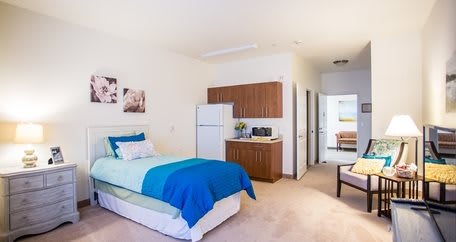
The Palms at LaQuinta presents a range of accommodation options that reflect the premium experience it offers. The monthly costs for various room types are notably higher than the averages for both Riverside County and the state of California. For instance, a studio at The Palms is priced at $4,550, significantly above Riverside County's average of $3,559 and California's average of $4,145. Similarly, the one-bedroom unit costs $5,050 compared to Riverside's $3,611 and California's $4,340. The semi-private rooms command a price of $5,660, which stands out against Riverside's much lower rate of $2,844 and even California's average of $3,333. Additionally, the two-bedroom accommodations are listed at $7,500 - well above both local ($3,614) and state averages ($5,270). These figures highlight The Palms at LaQuinta as a premium choice in upscale living environments while underscoring its commitment to quality and service that justifies the elevated cost.
Floor plans
The Palms at LaQuinta
Riverside County
California
Studio
$4,550
$3,559
$4,145
1 Bedroom
$5,050
$3,611
$4,340
Semi-Private
$5,660
$2,844
$3,333
2 Bedrooms
$7,500
$3,614
$5,270
Memory care communities with a similar price nearby
from -$655 / mo
Brookdale Mirage Inn
4.6 from 189 reviews
$3,895 to $5,700 / month
6.5 miles away
from +$450 / mo
Caleo Bay Memory Care & Transitional Assisted Living
Residents and families consistently describe staff as caring and responsive.
Many reviews focus on staff warmth, patience, and follow-through, including how quickly staff respond and handle challenging moments. Families also mention regular communication about their loved one’s status, and describe a consistent effort to support residents day to day. A smaller number of reviews criticize the experience when care and coordination allegedly did not match expectations, including concerns about promises not being followed through.
common12 reviews mention this
Dining feedback is mixed
Meals stand out, with praise for quality and complaints about variety or taste.
Several residents and families call out meals as delicious, good, or consistent, and some mention specific favorites like ice cream in the bistro. Other reviewers say the food leaves something to be desired, and one notes that their loved one did not like the food enough to bring in outside snacks. Overall, dining is a noticeable part of the day-to-day experience, but not every family feels the same way about it.
common7 reviews mention this
Activities keep residents engaged
Residents describe a steady mix of activities to stay involved.
Reviews repeatedly mention activities as a key part of life at the community, including buses for getting out and an activities lineup that goes beyond basic programming. One reviewer describes activities as offering something for different interests, while another points out that participation may depend on physical limitations. A few reviews also mention a more specific set of activities in the daily routine, such as exercise and social gatherings.
common4 reviews mention this
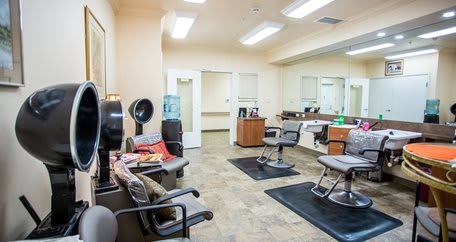
Common areas and rooms stay clean
Residents notice clean, well-kept spaces throughout the community.
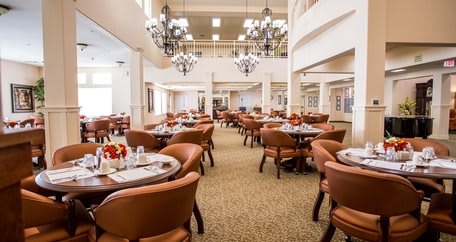
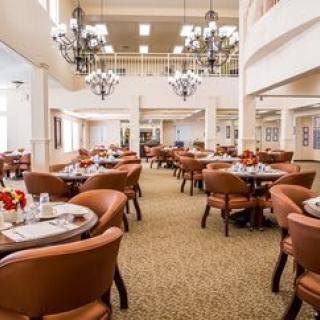
Some reviews highlight clean, bright common areas and dining rooms that feel more like a hotel than a facility. Others mention the building being clean and the grounds being well maintained. On the negative side, a couple of reviews describe a much worse experience in earlier timeframes, including complaints that the community was not well run.
caveat3 reviews mention this
Communication can vary by period
Families report that communication quality is not always consistent.
Some reviewers say they received timely updates, including calls to share their loved one’s status. Others mention needing help with communication, and one family notes that communication decreased during the COVID period compared with earlier. These accounts suggest updates and responsiveness may depend on staffing and timing.
How we summarize
Counts show how many written reviews mention each theme; a review can touch several themes, and only frequently mentioned themes are displayed.
Features
Types of Care
Assisted Living
Memory Care
Pets
Cats allowed
Dogs allowed
Amenities
Activities off-site
Activities on-site
Bath tubs
Beautician on-site
Cable or satellite TV
Devotional services off-site
Devotional services on-site
Indoor common areas
Outdoor common areas
Respite or short term stays offered
Swimming pool / hot tub
Wheelchair accessible showers
Transportation
Palm Springs International (14 miles away)
Care Services
Ambulatory care
Diabetic care
Medication management
Dining
Guest meals
International cuisine
Low / no sodium
Meals provided
No Sugar
Organic
Professional chef
Restaurant style dining
Room service
Special dining programs
Vegan
Activities
Art classes
Catholic services
Cooking classes
Devotional activities offsite
Devotional activities on-site
Educational speakers / life long learning
Jewish services
Mormon/LDS services
Other religious services
Protestant services
Visiting Rabbi
Visiting chaplain or priest
Nearby Places of Interest
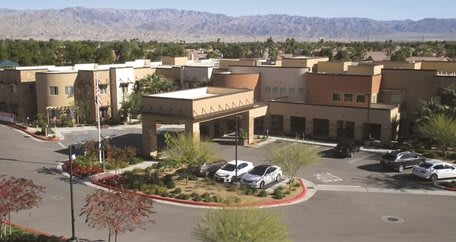
Located in La Quinta, California, this part of town offers a variety of healthcare facilities including Milauskas Eye Institute, Advanced Women's Healthcare, and La Quinta Kidney Center for any medical needs. There are several pharmacies in the area such as Super RX Pharmacy and Walgreens for convenient medication access. A range of dining options can be found nearby including Okura Robata Grill, Fisherman's Market & Grill, and My Thai. For entertainment, residents can enjoy movies at Century Theatre or relax at cafes like Panera Bread and Dutch Bros Coffee. Hospitals like Jfk Memorial Hospital and City of Hope are within a few miles for any emergency situations. Places of worship such as Southwest Community Church are also available for spiritual needs. The community is surrounded by parks like La Quinta Civic Center Park providing opportunities for outdoor activities and relaxation.
The Palms at LaQuinta presents a range of accommodation options that reflect the premium experience it offers. The monthly costs for various room types are notably higher than the averages for both Riverside County and the state of California. For instance, a studio at The Palms is priced at $4,550, significantly above Riverside County's average of $3,559 and California's average of $4,145. Similarly, the one-bedroom unit costs $5,050 compared to Riverside's $3,611 and California's $4,340. The semi-private rooms command a price of $5,660, which stands out against Riverside's much lower rate of $2,844 and even California's average of $3,333. Additionally, the two-bedroom accommodations are listed at $7,500 - well above both local ($3,614) and state averages ($5,270). These figures highlight The Palms at LaQuinta as a premium choice in upscale living environments while underscoring its commitment to quality and service that justifies the elevated cost.
Medication management at The Palms at LaQuinta is crucial for residents with dementia or Alzheimer's disease, as it ensures that individuals receive their prescribed medications on time and in the correct dosages. By employing trained staff to oversee this process, the facility minimizes the risk of medication errors that can exacerbate cognitive decline or lead to adverse health effects. Additionally, regular assessments allow caregivers to monitor residents' responses to medications, making necessary adjustments based on their evolving needs. This structured approach helps maintain stability in residents' health and supports overall well-being, allowing them to focus more on engaging in meaningful activities rather than managing complex medication schedules independently.
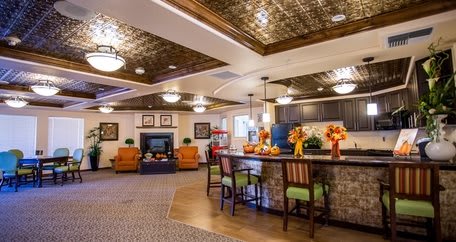
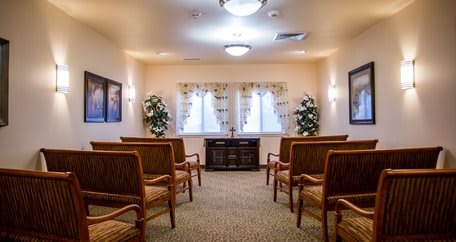
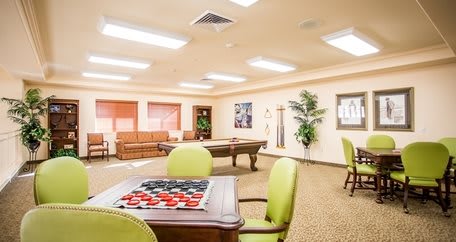
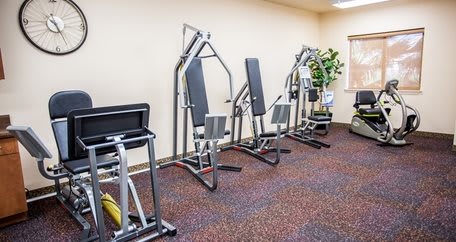
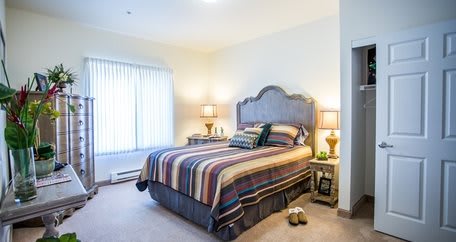
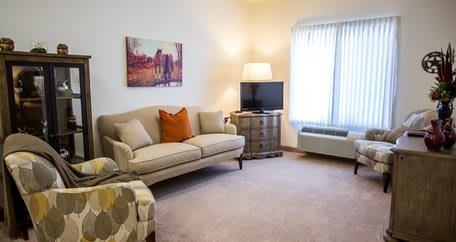
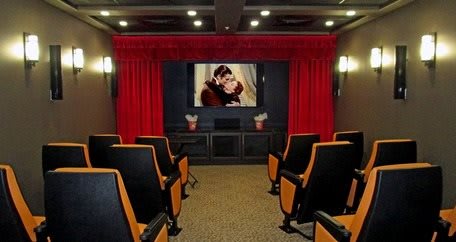
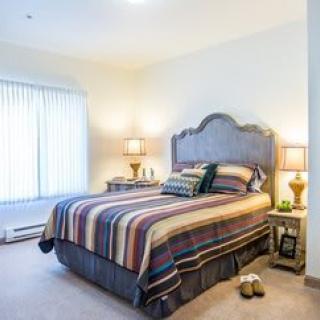
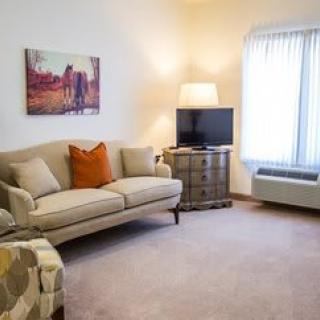
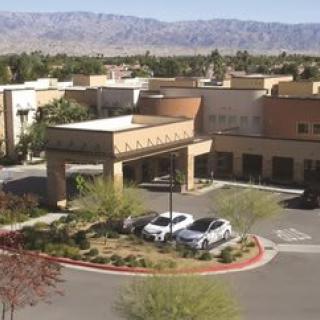
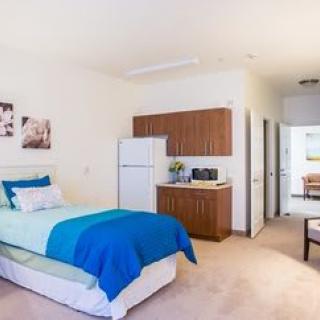
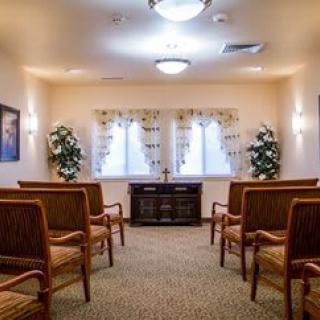
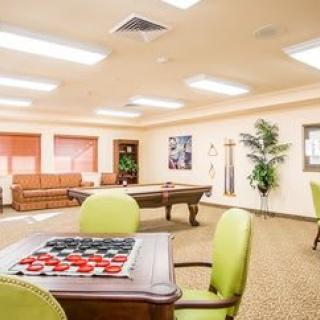
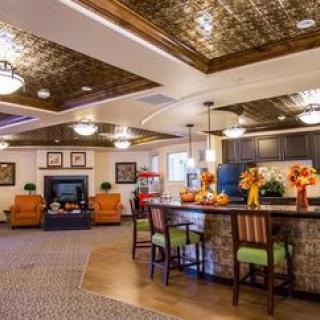
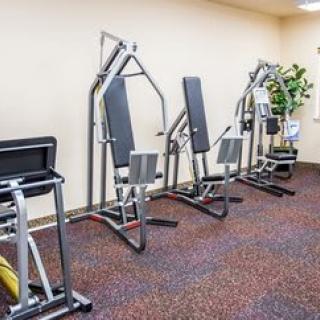
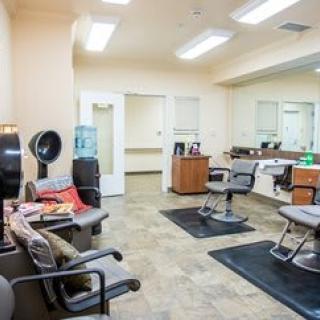
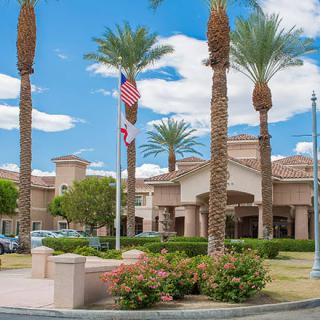
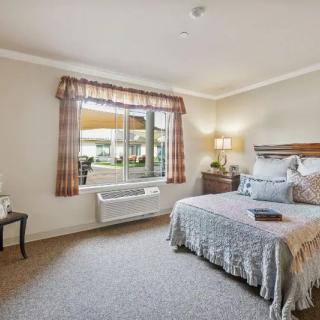
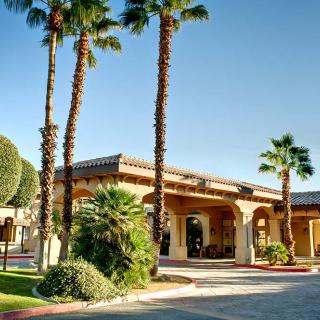
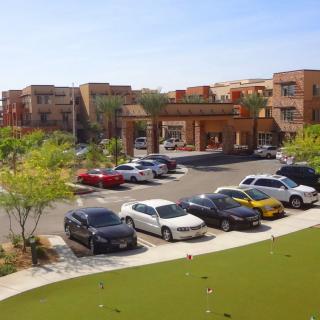
The Palms at LaQuinta on seniors.fyi includes 11 photos including images showing interior, bedroom, dining, decor, artwork, windows, theater, building, and more.
Nearby Communities
The Palms At La Quinta Gracious Retirement Living
La Quinta, CA
4.3 from 8 reviews
Well-maintained, amenity-rich community with attentive staff and engaging daily activities.
The Palms At La Quinta Senior Living
La Quinta, CA
2.5 from 2 reviews
Friendly, knowledgeable staff; modern, sunlit spaces with mountain views; convenient pool and theater.
The Palms at La Quinta
La Quinta, CA
4.1 from 25 reviews
$3,185 to $4,775 / month
Beautiful views and balconies; clean, active community with friendly staff and a convenient La Quinta location.
Mountain View Residential Care For The Elderly
La Quinta, CA
4.3 from 6 reviews
$2,800 to $4,000 / month
Compassionate, attentive staff with strong rehabilitation support and responsive care.
Angel Care
La Quinta, CA
Homelike setting with attentive staff and organized activities.
Rachel's Cottage with Love
La Quinta, CA
3 from 2 reviews
$2,700 to $4,500 / month
Specialized memory care with private rooms and engaging activities.
Victoria Falls Home Care 2
Palm Desert, CA
4.6 from 39 reviews
Intimate, personalized care with 24-hour supervision and engaging daily activities.
Cielo Vista Apartments
Indio, CA
3.5 from 45 reviews
$735 / month
Well-maintained, friendly staff, and a convenient location.
Atria Hacienda
Palm Desert, CA
4.5 from 185 reviews
$4,295 to $6,395 / month
Beautiful facility with restaurant-style dining, strong community, and caring staff.
Medicaid coverage for assisted living varies by state and is primarily available to low-income individuals, with eligibility dependent on strict income and asset limits. Some states offer HCBS waivers for specific services in assisted living, but families must generally cover room and board costs, and should verify facility acceptance of Medicaid while considering potential waiting lists.
Medicaid waivers for assisted living services provide vital support for seniors and individuals with disabilities in need of long-term care, with varying state-specific eligibility criteria and benefits. These waivers cover personal care and case management but often do not fully cover room and board, leading to waiting lists for many applicants.
The article compares assisted living and skilled nursing facilities, detailing their differing levels of assistance, medical support, cost structures, and day-to-day experiences. It emphasizes that assisted living is for those needing help with daily activities while maintaining independence, whereas skilled nursing facilities provide intensive medical care with 24-hour staff supervision.
Get PricingAsk A QuestionSchedule A TourContact Senior Advisor
By clicking submit, you agree to our Partner's Terms of Use. You
also consent to receive calls and texts, which may be autodialed, from our Partner. Your consent is not a condition to
using our Partner's service. Please visit our Partner's Privacy Policy for information about their privacy practices.



 Assisted Living
 Memory Care
 Cats allowed
 Dogs allowed
 Activities off-site
 Bath tubs
 Beautician on-site
 Cable or satellite TV
 Devotional services off-site
 Indoor common areas
 Outdoor common areas
 Respite or short term stays offered
 Swimming pool / hot tub
 Wheelchair accessible showers
 Palm Springs International (14 miles away)
 Ambulatory care
 Diabetic care
 Medication management
 Guest meals
 Art classes
 Catholic services
 Cooking classes
 Educational speakers / life long learning
 Jewish services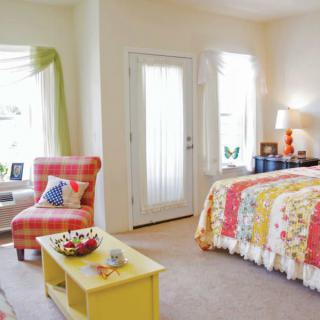
 Well-maintained, amenity-rich community with attentive staff and engaging daily activities.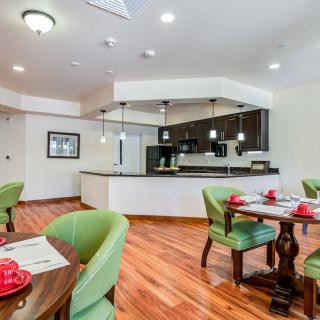

 How and When Medicaid May Cover Assisted Living Costs
 A Detailed Exploration of Assisted Living Medicaid Waivers Across the United States
 Exploring the Contrasts Between Assisted Living and Skilled Nursing