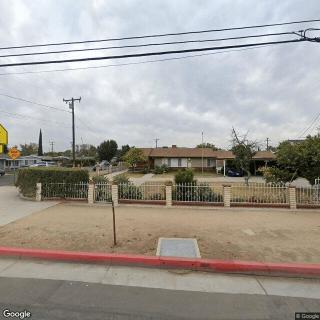
San Gabriel Valley Training Center in La Puente, CA

339 South Covina Boulevard, La Puente, CA 91746

For more information about senior living options: (844) 490-3973

4.6 from 27 reviews
5 stars
21
4 stars
3
3 stars
2
2 stars
0
1 stars
1

Assisted Living

Overall Review of San Gabriel Valley Training Center

Pros

  • pro It is a great place to work and to make new friends.
  • pro Everyone there is very nice.
  • pro The workers are friendly and welcoming, with good deals.
  • pro It is a place for people with disabilities, with a good environment, friendly and caring staff, and it is also a place to learn.
  • pro The experience is excellent.

Review

San Gabriel Valley Training Center in La Puente is best suited for individuals with disabilities who thrive in a structured, community-oriented setting and for families seeking a place where daily routines include learning opportunities, social engagement, and caring, approachable staff. The center's strengths live in its people and its environment: a small-to-midsize setting where residents are treated as members of a supportive community and where the culture emphasizes friendliness, patience, and everyday skill-building. For families prioritizing a calm, predictable atmosphere with peers who share similar goals, this center offers a practical fit that translates into meaningful daily life for many residents.

Those considering alternatives should note who may not be a perfect match. If medical complexity requires robust on-site nursing, advanced clinical oversight, or memory-care-specific programming, other options with dedicated medical staff or larger, hospital-like facilities may serve better. If independence and autonomy are paramount, or if a family needs a setting with a wider range of high-level therapies and amenities, this center may feel more basic than some families expect. In short, for residents who need disability-focused care with a strong social-and-learning orientation, it shines; for higher-acuity medical needs or broad-spectrum amenities, it warrants comparison with other layouts of assisted living.

The strongest pros are evident in the warmth of the staff and the culture they cultivate. Reviews repeatedly point to friendly, welcoming workers and a positive work environment, which in practice translates into steadier routines, meaningful interactions, and a sense that staff genuinely care. The emphasis on being a place to learn - not just live - creates opportunities for residents to participate in simple skill-building activities and social experiences that help maintain engagement and dignity. The community aspect appears vibrant, with families noting personal connections - implied by statements like "great place to work" and observations that staff members are kind and accommodating. All of this matters when evaluating quality of life in a disability-focused setting.

Where the caveats show up, they tend to be more implied than explicit in the reviews. Details about the exact level of medical support, therapy options, or the breadth of daily activities are not spelled out, which means families must verify that the on-site services align with a resident's needs. The presence of a single low-rating review alongside numerous high marks signals that, while the overall experience is strongly positive, not every resident or family will have their concerns addressed in the same way. For families seeking a highly medicalized or highly regimented program, this ambiguity becomes a real consideration and should prompt direct questions during visits.

The key value of this community lies in how the tangible pros offset the uncertain aspects. A staff team described as friendly and approachable creates a dependable daily rhythm and reduces frustration for both residents and families. The learning-oriented environment can compensate for a lack of expansive amenities by offering purposeful activities and meaningful engagement. In practice, the combination of a welcoming culture and peer connectivity often leads to better mood, greater participation, and a stronger sense of belonging - factors that matter as much as, if not more than, the size of the campus. The bottom line is that the positives are substantial when the resident's needs align with disability-focused, social-learning programming.

Decision-wise, families should visit with a clear checklist: confirm the level and hours of on-site medical oversight, ask for a sample daily schedule, and understand what therapeutic or educational opportunities are available on a regular basis. Inquire about transport, autonomy within routines, and how staff handle safety and crisis planning. Compare costs and what is included in fees to identify potential extras or gaps. If the loved one thrives on a friendly, learning-rich, community-based setting and the family is comfortable with the degree of medical integration offered, this center represents a solid, practical choice. If medical acuity or broad-spectrum amenities are non-negotiable, steer toward alternatives with more explicit clinical depth.

Features

Housing

  • 12 resident community capacity 12 resident community capacity

Types of Care

  • Assisted Living Assisted LivingAssisted living facilities provide crucial support and care for seniors who may need help with daily tasks such as medication management, bathing, and meal preparation. These communities offer a safe and comfortable environment where seniors can maintain their independence while receiving the assistance they need to thrive in their golden years.

Amenities

  • Cable or satellite TV Cable or satellite TVCable or satellite TV is important for seniors because it provides entertainment, news, and companionship, helping to combat loneliness and boredom. It also offers a wide range of programming options tailored to different interests and preferences.
  • Dining room Dining roomDining rooms are important for seniors as they provide a space for socialization, connection, and nutritious meals. They offer opportunities for residents to bond over shared meals, foster a sense of community, and promote healthy eating habits. Dining rooms also ensure that seniors have access to well-balanced meals tailored to their dietary needs and preferences.
  • Fully furnished Fully furnishedFully furnished senior living communities are important for seniors because they provide convenience, comfort, and a hassle-free moving experience. Seniors can easily settle into their new living space without the stress of having to buy and move furniture. This allows them to focus on enjoying their new home and community.
  • Garden GardenGardens are important for seniors as they provide a peaceful and therapeutic environment for relaxation, physical activity, and socialization. Being in nature has been shown to reduce stress, improve mood, and promote overall well-being. Gardens also offer opportunities for seniors to engage in gardening activities, which can improve mobility, flexibility, and cognitive function. Additionally, gardens create a sense of community and connection with others who share a passion for plants and outdoor spaces.
  • Housekeeping services Housekeeping servicesHousekeeping services are important for seniors because they help maintain a clean and safe living environment, promote independence, and reduce the risk of accidents or illnesses. Additionally, having assistance with household chores can alleviate physical strain and allow seniors to focus on other aspects of their well-being.
  • Move-in coordination Move-in coordinationMove-in coordination is important for seniors because it helps ease the transition into their new living environment. It ensures that all logistics, such as packing, organizing movers, and setting up utilities are taken care of, allowing seniors to focus on settling in and adjusting to their new home. Having a smooth move-in process can alleviate stress and anxiety, making the transition smoother and more enjoyable for seniors.
  • Outdoor space Outdoor spaceOutdoor spaces are important for seniors as they provide opportunities for physical activity, social interaction, exposure to natural light and fresh air, and a sense of connection to nature. Having access to outdoor spaces can improve overall well-being and quality of life for older adults living in senior communities.
  • Telephone TelephoneTelephones are important for seniors as they provide a lifeline for communication with loved ones, emergency services, and healthcare providers. They offer a sense of security and independence, enabling seniors to stay connected and access assistance when needed.
  • Wi-Fi/high-speed internet available Wi-Fi/high-speed internet availableWi-Fi/high-speed internet is important for seniors to stay connected with loved ones, access online resources, and participate in virtual activities to combat feelings of loneliness and isolation. It also allows them to easily manage healthcare needs, access entertainment, and engage in lifelong learning opportunities.

Transportation

  • Long Beach (Daugherty) (18 miles away) Long Beach (Daugherty) (18 miles away)
  • Ontario International (23 miles away) Ontario International (23 miles away)
  • Burbank-Glendale-Pasadena (23 miles away) Burbank-Glendale-Pasadena (23 miles away)
  • Los Angeles International (24 miles away) Los Angeles International (24 miles away)

Care Services

  • 24-hour supervision 24-hour supervision24-hour supervision is important for seniors to ensure their safety, well-being, and access to immediate assistance in case of emergencies or health issues. This constant support provides peace of mind for both seniors and their loved ones, allowing them to age in place with dignity and security.
  • Activities of daily living assistance Activities of daily living assistanceActivities of daily living assistance are important for seniors because they provide essential support with tasks such as eating, bathing, dressing, and mobility. This assistance helps seniors maintain their independence, dignity, and overall quality of life as they age.
  • Assistance with bathing Assistance with bathingAssistance with bathing is crucial for seniors as it helps maintain personal hygiene, prevents infections, and ensures their overall well-being and comfort. It also provides a sense of dignity and independence for seniors who may struggle with this task on their own.
  • Assistance with dressing Assistance with dressingAssistance with dressing is important for seniors because it helps maintain their independence, promotes personal hygiene, prevents accidents and injuries, and improves overall quality of life. This service ensures that seniors can continue to dress comfortably and confidently, despite any physical limitations they may have.
  • Assistance with transfers Assistance with transfersAssistance with transfers is crucial for seniors as it helps prevent falls and injuries, maintains their independence, and ensures they can safely navigate their living environment. It also provides peace of mind for both seniors and their loved ones.
  • Coordination with health care providers Coordination with health care providersCoordination with health care providers is crucial for seniors to ensure proper medical care, medication management, and overall well-being. This collaboration helps prevent overlapping treatments, track progress more effectively, and provide comprehensive support tailored to individual needs.
  • Diabetes diet Diabetes dietA diabetes diet is crucial for seniors as it helps manage blood sugar levels, reduce risks of complications, and improve overall health and well-being. By following a balanced and nutritious diet tailored to their specific needs, seniors can better control their diabetes and enhance their quality of life.
  • Meal preparation and service Meal preparation and serviceMeal preparation and service are crucial for seniors as they may have limited mobility or energy to cook nutritious meals. Having access to healthy and convenient food options can ensure they are getting the proper nutrition needed to maintain their overall health and well-being.
  • Medication management Medication managementMedication management is crucial for seniors to ensure they are taking the right medications at the correct dosages and times. This helps prevent adverse drug interactions, reduces the risk of medication errors, and promotes overall health and well-being. Proactive management also allows for adjustments as needed based on changing health conditions or new prescriptions.
  • Special dietary restrictions Special dietary restrictionsSpecial dietary restrictions are important for seniors because age-related changes in metabolism and health conditions can make it difficult for their bodies to process certain foods. By following a diet tailored to their specific needs, seniors can maintain their overall health and well-being, manage chronic conditions, and reduce the risk of complications such as malnutrition or food interactions with medications.
  • Transportation arrangement (medical) Transportation arrangement (medical)Transportation arrangements for medical purposes are essential for seniors as they may have difficulty driving themselves to appointments or accessing public transportation. Having reliable and safe transportation options ensures that seniors can receive timely medical care and maintain their health and well-being.
  • Transportation to doctors appointments Transportation to doctors appointmentsTransportation to doctors' appointments is crucial for seniors as it ensures they have access to necessary medical care and support for their health needs. Without reliable transportation, seniors may struggle to attend important appointments, leading to potential delays in treatment and health complications. Providing transportation services helps seniors maintain their overall well-being and quality of life.

Dining

  • Diabetes diet Diabetes dietA diabetes diet is crucial for seniors as it helps manage blood sugar levels, reduce risks of complications, and improve overall health and well-being. By following a balanced and nutritious diet tailored to their specific needs, seniors can better control their diabetes and enhance their quality of life.
  • Special dietary restrictions Special dietary restrictionsSpecial dietary restrictions are important for seniors because age-related changes in metabolism and health conditions can make it difficult for their bodies to process certain foods. By following a diet tailored to their specific needs, seniors can maintain their overall health and well-being, manage chronic conditions, and reduce the risk of complications such as malnutrition or food interactions with medications.

Activities

  • Community-sponsored activities Community-sponsored activitiesCommunity-sponsored activities are important for seniors as they provide opportunities for social interaction, mental stimulation, and physical activity. These activities can help improve overall well-being, combat loneliness and isolation, and promote a sense of belonging and purpose among older adults.
  • Scheduled daily activities Scheduled daily activitiesScheduled daily activities are important for seniors because they provide structure, socialization, mental stimulation, and physical activity. Engaging in regular activities can improve overall well-being and quality of life for seniors living in a community setting.

Description

The San Gabriel Valley Training Center in La Puente, CA is a wonderful assisted living community that offers a range of amenities and care services for its residents. The community provides a comfortable and fully furnished environment with a dining room, allowing residents to enjoy delicious meals prepared by the staff. Housekeeping services are provided to ensure cleanliness and maintenance of the living spaces.

Residents can also enjoy the beautiful outdoor space and garden, providing a peaceful and serene atmosphere. The community offers telephone and Wi-Fi/high-speed internet access, allowing residents to stay connected with their loved ones.

In terms of care services, the San Gabriel Valley Training Center offers assistance with activities of daily living such as bathing, dressing, and transfers. Experienced staff members coordinate with healthcare providers to ensure that residents receive the necessary medical care. Special attention is given to those with diabetes through diabetes diet management.

Meal preparation and service are provided for all residents, taking into consideration any special dietary restrictions they may have. Medication management is also available to ensure that residents take their medications as prescribed.

Transportation arrangement for medical purposes is offered, as well as transportation to doctors' appointments. This ensures that residents can conveniently access necessary healthcare services without any hassle.

The community also prioritizes social engagement by offering scheduled daily activities for residents to participate in, promoting an active lifestyle and fostering connections among peers.

Conveniently located near various amenities, there are 5 cafes, 2 parks, 6 pharmacies, 3 restaurants nearby which offer additional options for entertainment or shopping. Additionally, there is a hospital nearby ensuring quick access to emergency medical care if needed.

Overall, the San Gabriel Valley Training Center provides comprehensive care services along with numerous amenities in a comfortable setting. It is an ideal choice for individuals seeking assisted living in La Puente who desire a supportive community environment tailored to their needs.

Nearby Places of Interest

Hospitals

  • Kaiser Permanente Baldwin Park Medical Center (1.6 miles)
  • Kindred Hospital San Gabriel Valley (5.6 miles)
  • Hope (5.9 miles)
  • City Of Hope (6 miles)
  • Beverly Hospital (6.1 miles)
  • Methodist Hospital of Southern California (6.5 miles)
  • Rowland Convalescent Hospital (6.5 miles)

Pharmacies

  • CVS Pharmacy (2.2 miles)
  • CVS Pharmacy (3.8 miles)
  • CVS Pharmacy (4 miles)
  • Albertsons Pharmacy (4.4 miles)
  • SNP Work (4.5 miles)
  • CVS Pharmacy (4.6 miles)
  • Walgreens (5.1 miles)

Cafes

  • Flo's Coffee Shop (3 miles)
  • Starbucks (3 miles)
  • Porto's Bakery & Cafe (4.1 miles)
  • Panera Bread (4.3 miles)
  • Starbucks (4.5 miles)
  • Panera Bread (6.5 miles)
  • Starbucks (6.7 miles)

Restaurants

  • Master Fresh Donuts (3.3 miles)
  • In-N-Out Burger (3.8 miles)
  • McDonald's (4.8 miles)
  • McDonald's (5.2 miles)
  • Thirsty Cow Korean BBQ (5.8 miles)
  • McDonald's (6.1 miles)
  • KIYO Arcadia (6.2 miles)

Parks

  • Rosemead Park (4.6 miles)
  • Live Oak Park (4.7 miles)
  • Michigan Park (5.8 miles)
  • Arcadia County Park (6.5 miles)
  • Creekside Park (7.1 miles)
  • Almansor Park (7.2 miles)
  • Barnes Memorial Park (7.2 miles)

Theaters

  • AMC Puente Hills 20 (5.6 miles)
  • 0206 Amc Bar Santa Ani (6.7 miles)

Places of Worship

  • Arcadia Chinese Baptist Church (6 miles)
  • First Evangelical Church Arcadia (7.3 miles)
  • San Marino Community Church Nursery School (8.1 miles)
  • Saint Rita's Catholic Church (8.8 miles)

Transportation

  • Metro - Monrovia Station (6 miles)

Physicians

  • Doheny Eye Center (6.1 miles)
  • Healthcare Partners Medical Group (6.4 miles)
  • Santa Anita Medical Plaza (6.5 miles)

Frequently Asked Questions

Where is San Gabriel Valley Training Center?

Nearby Communities

  • Barbara's Villa

    Barbara's Villa

    Hacienda Heights, CA


    pro Small, intimate setting with 24-hour supervision and diabetes-friendly meals.

  • Sabio Group Homes

    Sabio Group Homes

    La Puente, CA


    pro Cozy, personalized care with convenient nearby services.

  • St Sharbels

    St Sharbels

    El Monte, CA


    pro Close to cafes, parks, pharmacies, restaurants, and hospitals.

  • Springville

    Springville

    Baldwin Park, CA


    pro Comprehensive, personalized care with 24/7 supervision and diabetes-friendly dining.

  • Eastland Subacute And Rehabilitation Center

    Eastland Subacute And Rehabilitation Center

    El Monte, CA

    2.8 from 9 reviews
     

    pro 24/7 skilled nursing with ADL and medication support, plus on-site dining, fitness, beauty salon, library, and transportation for appointments.

  • California Villa

    California Villa

    El Monte, CA


    pro Specialized diabetic care; off-site devotional services; indoor common areas; close to cafes, pharmacies, physicians, restaurants, parks and hospitals.

  • Merrill Gardens at West Covina

    Merrill Gardens at West Covina

    West Covina, CA

    4.8 from 61 reviews
    $3,200 to $4,395 / month

    pro Clean, well-maintained environment with friendly staff and quality dining.

  • Clara Baldwin Stocker Home

    Clara Baldwin Stocker Home

    West Covina, CA

    2.7 from 43 reviews
     

    pro Nice, attentive staff with pleasant, well-maintained living spaces and a garden.

  • Santa Anita Convalescent Hospital

    Santa Anita Convalescent Hospital

    Temple City, CA


    pro Extensive amenities and 24/7 care

Related Resources

  • is assisted living tax deductibleIs Assisted Living Deductible on Your Taxes? Understanding the Complexities of Assisted Living Expenses and Deductions

    The deductibility of assisted living expenses on taxes hinges on factors like the individual's medical condition and service nature, typically requiring the resident to be "chronically ill" per IRS definitions. Taxpayers may deduct eligible medical expenses related to personal care services but generally not rent unless primarily for medical care, and they should maintain thorough documentation to support claims while considering itemizing versus standard deductions.

  • va benefits for assisted livingAssisted Living Support for Veterans: A Complete and Detailed Overview

    The guide highlights the importance of assisted living facilities for aging veterans needing daily support, discusses unique challenges they face, and outlines available financial assistance from the VA, including the Aid and Attendance program. It emphasizes understanding eligibility criteria and navigating the VA system to access necessary benefits effectively.

  • assisted living vs skilled nursingExploring the Contrasts Between Assisted Living and Skilled Nursing

    The article compares assisted living and skilled nursing facilities, detailing their differing levels of assistance, medical support, cost structures, and day-to-day experiences. It emphasizes that assisted living is for those needing help with daily activities while maintaining independence, whereas skilled nursing facilities provide intensive medical care with 24-hour staff supervision.