Lilly's Villa presents a premium offering in the realm of assisted living, with its monthly costs significantly higher than both San Diego County and statewide averages. For a one-bedroom accommodation, residents can expect to pay $6,600, which stands in stark contrast to the county average of $4,315 and the state average of $4,340. Similarly, for private rooms, Lilly's Villa maintains the same pricing at $6,600 compared to San Diego County's more modest rate of $3,939. While these prices reflect Lilly's commitment to providing elevated services and amenities that enhance quality of life for its residents, they do place it at a premium tier within the local market.
Floor plans
Lilly's Villa
San Diego County
California
1 Bedroom
$6,600
$4,315
$4,340
Private
$6,600
$3,939
$3,939
Memory care communities with a similar price nearby
Residents describe strong, attentive care in the Care Center.
Several residents and families specifically mention the Care Center when higher levels of support were needed, including skilled nursing and memory care. Reviews describe staff who are professional and caring, with clear day-to-day attention and reassurance for families. Some reviewers also emphasize that follow-on therapy and post-discharge support can stay coordinated when residents return to independent living. At the same time, a small number of reviews raise concerns about how care changes are handled for apartment decisions and privacy, which is separate from the overall positive care experiences.
differentiator15 reviews mention this
Dining options are a standout
Dining is one of the most consistently praised features.
Food and dining come up repeatedly, with reviewers describing it as good, varied, and well prepared. Multiple comments focus on having menu choices that can accommodate different preferences and diets, and on dining staff who are welcoming. Some reviews also highlight a global or international range of cuisine, and a dining experience that supports social time with other residents. Overall, dining is portrayed as a reliable bright spot across different living situations.
common18 reviews mention this
Activities keep residents engaged
Residents consistently describe plenty of activities to join.
Many reviews talk about a busy calendar that includes exercise, classes, and scheduled group activities. Several residents mention arts and learning options like lectures, workshops, and technology or cooking-related activities, along with music and social events. Reviews also describe off-site excursions and ongoing engagement even during periods of restricted routines. The combination of in-building programming and variety appears to be a major reason residents feel settled.
common26 reviews mention this
Staff are caring and responsive
Reviews commonly highlight staff members as helpful and kind.
Across reviews, staff responsiveness is a recurring theme, including caregivers and service teams in everyday settings. Multiple reviewers say employees know them by name, communicate well, and make it easier for families to feel confident in the care being provided. A number of comments also mention maintenance and household help, along with smooth support during moves and day-to-day living. While most feedback is positive, a few separate reviews report negative experiences with particular staff members or service moments.
caveat4 reviews mention this
Concerns about service and conduct
Some reviews report serious issues with service quality or staff behavior.
A small set of reviews describe unprofessional conduct or distressing interactions, including negative experiences with social services and the front desk. Other reviews mention a general lack of service quality, and at least one comment calls out an issue involving theft and what was done afterward. These are not the prevailing experiences in the reviews, but they are specific enough that they may warrant careful follow-up if you tour.
common6 reviews mention this
Location near shopping and medical
Residents say the location makes medical care convenient.
Several reviewers describe the community as conveniently located for medical services, shopping, and entertainment. A few comments also mention being close to beaches and nearby attractions, plus easy access to transit options. For daily planning, residents highlight the ability to reach important destinations without long trips. This convenience shows up alongside the high participation in on-site activities, making both the neighborhood and the campus part of the appeal.
How we summarize
Counts show how many written reviews mention each theme; a review can touch several themes, and only frequently mentioned themes are displayed.
Features
Housing
6 resident community capacity
Types of Care
Assisted Living
Board and Care Home
Memory Care
Respite Care
Amenities
Activities off-site
Activities on-site
Cable or satellite TV
Devotional services off-site
Dining room
Fully furnished
Garden
Housekeeping services
Indoor common areas
Move-in coordination
Outdoor common areas
Outdoor space
Private
Private bathrooms
Respite or short term stays offered
Telephone
Wheelchair accessible showers
Wi-Fi/high-speed internet available
Transportation
San Diego International-Lindbergh (8 miles away)
MC Clellan-Palomar Airport (20 miles away)
Care Services
24-hour supervision
Activities of daily living assistance
Assistance with bathing
Assistance with dressing
Assistance with transfers
Coordination with health care providers
Diabetes diet
Diabetic care
High acuity care
Incontinence care
Meal preparation and service
Medication management
Special dietary restrictions
Transportation arrangement (medical)
Transportation to doctors appointments
Dining
Diabetes diet
Gluten-free
Guest meals
International cuisine
Kosher
Low / no sodium
Meals provided
No Sugar
Organic
Room service
Special dietary restrictions
Vegan
Vegetarian
Activities
Art classes
Brain fitness
Community-sponsored activities
Cooking classes
Devotional activities offsite
Educational speakers / life long learning
Forever fit
Gardening club
Live dance or theater performances
Live musical performances
Live well programs
Scheduled daily activities
Stretching classes
Trivia games
Nearby Places of Interest
Located in the beautiful coastal community of La Jolla, this area offers a variety of amenities and services that cater to senior living. With several cafes like Starbucks and Bird Rock Coffee Roasters nearby, residents can enjoy a leisurely cup of coffee or tea with friends. The abundance of pharmacies such as CVS and Rite Aid ensures easy access to medications and health supplies. Additionally, there are numerous restaurants offering diverse dining options, from casual eateries like The Taco Stand to upscale venues like Waterbar. For outdoor enthusiasts, there are several parks in close proximity, providing opportunities for peaceful walks and recreational activities. Medical care is readily available with top-notch facilities like UC San Diego Health and Scripps Memorial Hospital La Jolla nearby. Transportation options include transit centers and an airport for convenient travel. Overall, this part of La Jolla offers a vibrant yet tranquil environment suitable for seniors looking for a comfortable and well-rounded lifestyle.
Cafes
Starbucks (1.2 miles)
Bird Rock Coffee Roasters (1.6 miles)
Blue Bottle Coffee (3.7 miles)
Starbucks (4.4 miles)
Bird Rock Coffee Roasters (6.9 miles)
The Coffee Bean and Tea Leaf (7.3 miles)
Pharmacies
CVS Pharmacy (1.3 miles)
CVS Pharmacy (1.7 miles)
Rite Aid (2.4 miles)
CVS Pharmacy (2.5 miles)
CVS Pharmacy (2.7 miles)
CVS Pharmacy (2.8 miles)
CVS Pharmacy (2.9 miles)
Restaurants
The Taco Stand (1.4 miles)
Pacific Beach Fish Shop (2.5 miles)
Mavericks Beach Club (2.6 miles)
In-N-Out Burger (2.7 miles)
Taco Bell (2.7 miles)
Pacific Beach Shore Club (2.8 miles)
Waterbar (2.8 miles)
Parks
La Jolla Shores Park (1.6 miles)
Kate O Sessions Memorial Park (1.9 miles)
Tourmaline Surfing Park (2.1 miles)
Crown Point (3 miles)
Mission Bay Park (4 miles)
Mission Bay Park (4.5 miles)
Mission Beach Park (4.6 miles)
Physicians
UC San Diego Health - La Jolla 8910 Villa La Jolla Drive (2.8 miles)
NVISION Eye Centers (2.8 miles)
Sulpizio Cardiovascular Center at UC San Diego Health (3.5 miles)
Stahl Richard Dr Scripps Cardiovascular Thoracic Surgery Group La Jolla (3.9 miles)
San Diego Mental Health Services (5.3 miles)
Pearl Mini IVF (5.3 miles)
Sharp Rees-Stealy San Diego Radiology (6.2 miles)
Transportation
Balboa Avenue Transit Center (3 miles)
UTC Trolley Station (3.3 miles)
Old Town Trolley Station and Transit Center (6.3 miles)
Montgomery Field Airport (MYF) (6.8 miles)
Fashion Valley Trolley Station and Transit Center (6.8 miles)
TSA Pre-Check (7.6 miles)
Terminal 2 (7.6 miles)
Hospitals
UC San Diego Jacobs Medical Center (3.4 miles)
Scripps Memorial Hospital La Jolla (3.9 miles)
Scripps La Jolla Emergency Room And Trauma Center (3.9 miles)
Scripps Green Hospital (4.4 miles)
Scripps Clinic Torrey Pines (4.5 miles)
Kearny Mesa Convalescent and Nursing Home (6.1 miles)
Lilly's Villa presents a premium offering in the realm of assisted living, with its monthly costs significantly higher than both San Diego County and statewide averages. For a one-bedroom accommodation, residents can expect to pay $6,600, which stands in stark contrast to the county average of $4,315 and the state average of $4,340. Similarly, for private rooms, Lilly's Villa maintains the same pricing at $6,600 compared to San Diego County's more modest rate of $3,939. While these prices reflect Lilly's commitment to providing elevated services and amenities that enhance quality of life for its residents, they do place it at a premium tier within the local market.
Lilly's Villa offers a range of specialized features designed to enhance the well-being and safety of residents facing cognitive challenges. The 24-hour supervision ensures constant support, allowing staff to quickly address any needs or concerns that may arise. Assistance with activities of daily living, such as bathing and dressing, promotes dignity while helping residents maintain their routines. Transfers are facilitated safely, reducing the risk of injury. Engaging in brain fitness activities helps stimulate cognitive function and memory retention. Coordinating with healthcare providers ensures comprehensive care tailored to each resident's medical needs, while incontinence care addresses personal hygiene with sensitivity and respect. Nutritional meal preparation and service cater to dietary requirements, enhancing physical health, while medication management ensures adherence to prescribed regimens, minimizing risks associated with missed doses. Lastly, transportation arrangements for medical appointments provide necessary access to ongoing healthcare services, supporting an overall quality of life for those living with dementia or Alzheimer's disease.
Nearby Communities
Homewatch CareGivers - La Jolla, CA
La Jolla, CA
4.8 from 92 reviews
Excellent access to amenities and healthcare.
TheKey - HQ Intake
La Jolla, CA
4.8 from 91 reviews
Excellent access to nearby cafes, parks, pharmacies, physicians, restaurants, and hospitals.
Ocean View Homes
La Jolla, CA
Small, personalized board-and-care with ocean-view setting and comprehensive daily living support.
Ocean View Homes III
La Jolla, CA
$5,000 / month
Comprehensive assisted living with memory care, 24/7 supervision, and private rooms in a small, intimate setting.
La Jolla Chateau de Oro
La Jolla, CA
4.4 from 36 reviews
$5,200 to $7,800 / month
Specialized diabetes and incontinence care in an upscale setting with private rooms.
Chateau De Oro
La Jolla, CA
4.3 from 35 reviews
$5,400 / month
Small, personalized memory-care setting with 24/7 supervision.
La Jolla Nursing and Rehabilitation Center
La Jolla, CA
2 from 6 reviews
Attentive staff (notably Emily) and a pleasant dining/ambiance.
Monarch Cottage
La Jolla, CA
4.4 from 29 reviews
$9,495 to $15,495 / month
Warm, attentive staff with engaging activities and a well-designed, pleasant environment.
White Sands La Jolla
La Jolla, CA
4.6 from 81 reviews
Luxurious oceanfront setting with extensive amenities and flexible care options.
Dementia encompasses a range of cognitive impairments characterized by types such as Alzheimer's and vascular dementia, and follows a seven-stage progression model known as the Global Deterioration Scale (GDS), highlighting varying symptoms and decline timelines. Early detection allows for lifestyle adjustments to potentially slow progression, while caregivers need support and resources to manage the challenges involved in caring for affected individuals.
The article presents eight strategies for preserving cognitive health and memory in older adults, emphasizing a nutrient-rich diet, regular exercise, intellectually stimulating activities, adequate sleep, social connections, stress management techniques, limiting harmful substances, and regular medical checkups to mitigate age-related memory decline.
Activities of Daily Living (ADLs) are fundamental tasks vital for an individual's independence, particularly in older adults over 85, and include functions like bathing and dressing; assessing ADLs alongside Instrumental Activities of Daily Living (IADLs) helps determine the level of required assistance due to age-related health challenges. Tailored support plans, involving family and community resources, are essential for maintaining dignity and autonomy in assisted living environments.
Get PricingAsk A QuestionSchedule A TourContact Senior Advisor
By clicking submit, you agree to our Partner's Terms of Use. You
also consent to receive calls and texts, which may be autodialed, from our Partner. Your consent is not a condition to
using our Partner's service. Please visit our Partner's Privacy Policy for information about their privacy practices.

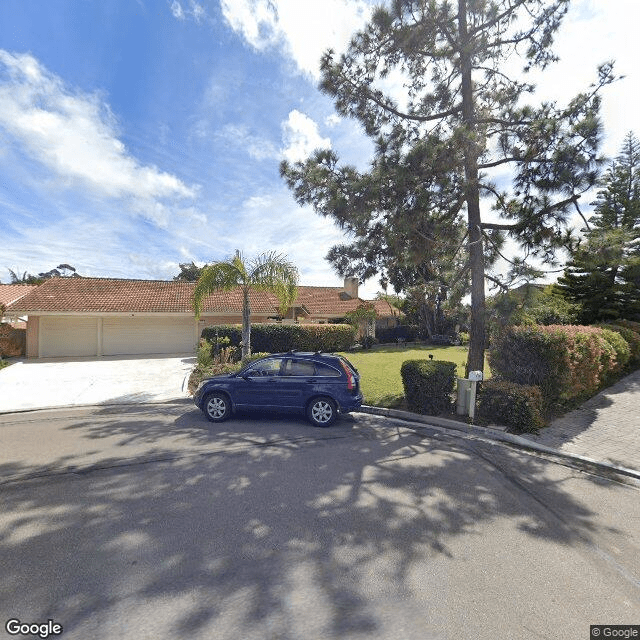

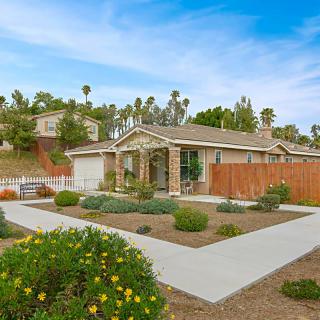


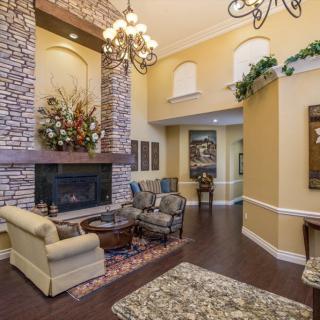

 6 resident community capacity
 Assisted Living
 Board and Care Home
 Memory Care
 Respite Care
 Activities off-site
 Cable or satellite TV
 Devotional services off-site
 Dining room
 Fully furnished
 Garden
 Housekeeping services
 Indoor common areas
 Move-in coordination
 Outdoor common areas
 Private
 Private bathrooms
 Telephone
 Wheelchair accessible showers
 Wi-Fi/high-speed internet available
 San Diego International-Lindbergh (8 miles away)
 24-hour supervision
 Assistance with bathing
 Assistance with dressing
 Assistance with transfers
 Diabetes diet
 Diabetic care
 High acuity care
 Incontinence care
 Meal preparation and service
 Medication management
 Special dietary restrictions
 Transportation arrangement (medical)
 Transportation to doctors appointments
 Art classes
 Brain fitness
 Cooking classes
 Educational speakers / life long learning
 Forever fit
 Live dance or theater performances
 Live musical performances
 Live well programs
 Trivia games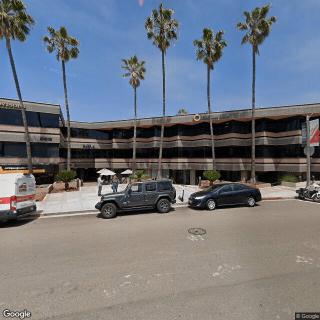
 Excellent access to amenities and healthcare.



 Understanding Dementia Through Its Seven Stages: A Comprehensive Look at Progression and Expectations
 Safeguarding Your Memory Through the Golden Years: Eight Ways to Preserve Cognitive Health
 Comprehensive Insights into Activities of Daily Living (ADLs) and Their Assessment