
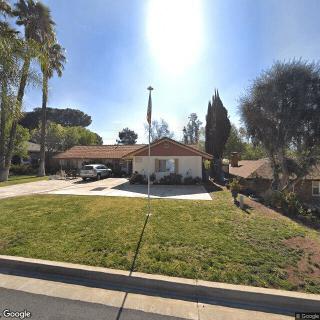
6761 Cahuilla Street, Riverside, CA 92509
For more information about senior living options: (866) 208-4318
Robillard Elderly Home Care Costs & Pricing
Robillard Elderly Home Care offers competitive monthly rates for its residents, especially when compared to both San Bernardino County and the broader California market. For instance, a studio at Robillard is priced at $2,249, significantly lower than the county average of $3,455 and California's average of $4,145. Similarly, the one-bedroom option is available for $2,500 at Robillard, while local and state averages soar to $3,548 and $4,340 respectively. When looking at semi-private accommodations, Robillard's charge of $3,000 positions it slightly above the county's average but remains favorable against the state's average cost. The two-bedroom option is offered at $3,500 - still more affordable than what is typically charged in both contexts. Even for private rooms, Robillard's price of $4,000 holds its own against San Bernardino County's average but fares well compared to California's rates. Overall, Robillard Elderly Home Care stands out as a cost-effective choice for families seeking quality care without compromising on comfort or accessibility.
| Floor plans | Robillard Elderly Home Care | San Bernardino County | California |
|---|---|---|---|
| Studio | $2,249 | $3,455 | $4,145 |
| 1 Bedroom | $2,500 | $3,548 | $4,340 |
| Semi-Private | $3,000 | $2,958 | $3,333 |
| 2 Bedrooms | $3,500 | $3,893 | $5,270 |
| Private | $4,000 | $3,561 | $3,939 |
Assisted Living communities with a similar price nearby
-
from +$251 / mo
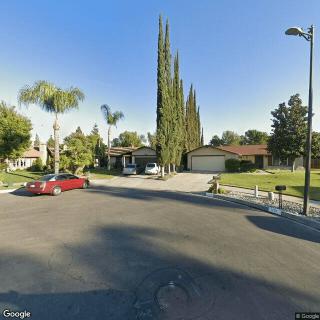
Valley Spring Elderly Care
$2,500 to $3,000 / month9.1 miles away -
from -$249 / mo
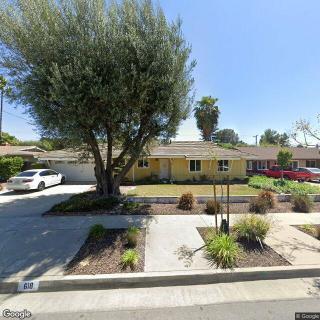
House Of Grace
$2,000 to $4,200 / month19.9 miles away -
from -$249 / mo
Milam Manor
$2,000 to $3,600 / month9.6 miles away -
from +$251 / mo
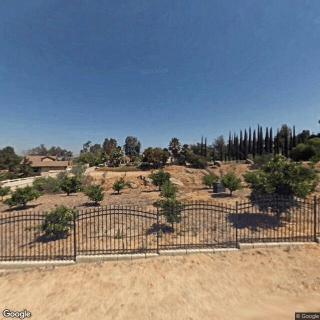
Golden Horizon Home I
$2,500 to $2,800 / month7.4 miles away -
from +$251 / mo
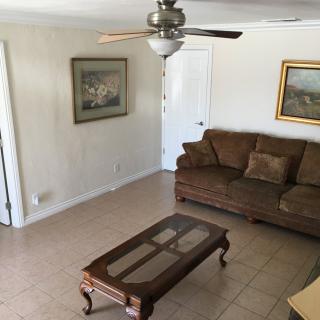
Center Plaza Senior Living
$2,500 to $4,600 / month5.6 miles away
Overall Review of Robillard Elderly Home Care
Pros
 The community is a church-run organization with a stable, long-serving staff.
- Long-tenured staff and founders remain in place, contributing to continuity and experience.
- It offers a full range of care levels, from an independent feel to a more intimate, closely supervised option when needed.
Cons
 It is described as a church-run organization, which carries a negative connotation for some.
- The staff has remained for many years, with many original members still in place, suggesting stagnation and resistance to change.
- It implies that more care and oversight are needed, indicating gaps in current supervision.
Review
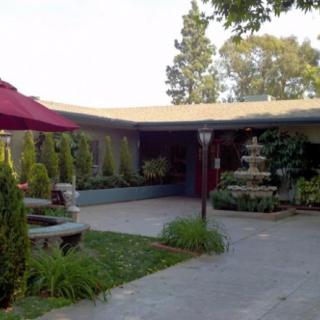
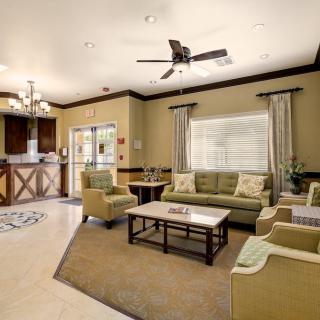
Robillard Elderly Home Care in Riverside, CA, is best suited for seniors who prize stability, continuity, and a faith-informed, intimate living environment. The church-run model, reinforced by a staff that has remained together for many years, creates a dependable rhythm and a culture of genuine familiarity. The setting works well for residents who want a gentle, predictable progression of care, from a largely independent vibe to more hands-on oversight, as long as the community remains within a single campus. For families seeking a warm, values-driven atmosphere where neighbors and caregivers know residents by name, this is where a prudent, long-term plan often begins.
Those evaluating alternatives should consider secular or larger-scale options that emphasize breadth of medical resources and expansive amenities. The church affiliation and smaller footprint can translate into limited on-site medical intensity, fewer specialized programs, and slower access to aggressive therapies or memory-care innovations that some families expect from bigger networks. Non-faith households may also prefer environments without religious programming or expectations. In other words, the core appeal here is simplicity, continuity, and a tightly knit community, trade-offs that may feel limiting to families chasing more exhaustive clinical offerings or a more secular setting.
The strongest asset is undeniable continuity. Long-tenured caregivers bring a level of attentiveness and anticipation that reduces the friction of daily life and helps residents settle into routines with minimal disruption. A familiar cadre of staff can lower anxiety for families, who value knowing who will respond to needs and when. The continuum of care, from independent living to increased supervision, offers a practical pathway to aging in place without the upheaval of relocating to a different campus as care requirements evolve. Yet this same intimacy can constrain access to high-level medical services or rapid escalation when a resident’s condition shifts suddenly, and the religious framework, while comforting for many, may not align with every resident’s beliefs or preferences.
Overall, the tradeoffs lean toward a practical, person-centered approach that rewards relationship-building and stability. Continuity of staff and a cohesive community culture trump the absence of a sprawling medical complex for residents who do not anticipate needing intensive clinical interventions. The downside, potential gaps in 24/7 clinical coverage, fewer advanced therapy options, and a calendar shaped by faith-based programming, means that families must confirm that core medical and therapeutic needs can be met within the existing framework. Prospective residents should verify the specifics of medical oversight, therapy availability, and partnerships with outside specialists to ensure the level of care matches expectations should needs escalate.
Evaluating Robillard requires targeted questions that cut through generalities. What are the actual staff-to-resident ratios at each level of care? How are transitions managed when a resident’s needs intensify, and what is the response time for daily care needs? Which therapies and medical supports are embedded on-site, and how fluid is access to external specialists when more intensive care is required? Transparency around costs, what’s included in base rates, and what services incur additional charges, will reveal whether the continuum of care remains affordable over time. Look for evidence of meaningful resident engagement and the integration (or absence) of chapel and faith-based activities if that matters to the family.
In the end, Robillard Elderly Home Care is a strong fit for families seeking a nurturing, low-stress environment with stable caregiving relationships and a clear path through varying levels of care on one campus. It shines for residents who value continuity, familiar faces, and a community where faith-infused practices are part of daily life. For families needing a robust, highly medicalized program, secular branding, or extensive rehabilitation services, alternatives with broader clinical footprints will typically serve better. The deciding factor is whether the resident’s priorities align with a close-knit, intimate setting and a long-tenured staff, versus a setting that prioritizes breadth of medical services and modern amenities.
 6 resident community capacity
 Assisted Living
 Board and Care Home
 Cable or satellite TV
 Dining room
 Fully furnished
 Garden
 Housekeeping services
 Move-in coordination
 Outdoor space
 Telephone
 Wi-Fi/high-speed internet available
 Ontario International (11 miles away)
 24-hour supervision
 Activities of daily living assistance
 Assistance with bathing
 Assistance with dressing
 Assistance with transfers
 Diabetes diet
 Meal preparation and service
 Medication management
 Special dietary restrictions
 Transportation arrangement (medical)
 Transportation to doctors appointments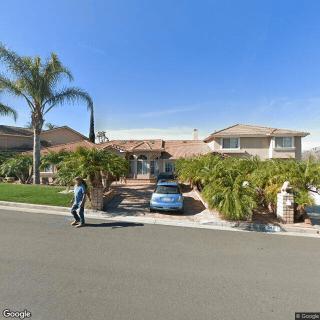

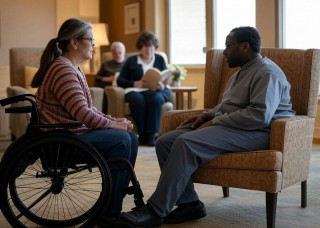 Comprehensive Residential Support and Assisted Living Solutions for Individuals with Disabilities
 Comprehensive Supportive Living Arrangements for Adults with Disabilities
 Funding and Affording Assisted Living: A Thorough Overview