






4768 Palm Avenue, Riverside, CA 92501
For more information about senior living options: (866) 208-4318
Overall Review of Community Care On Palm
Pros
 Community Care exceeded in all aspects.
- The nursing staff was exceptional, starting with director Shauntee.
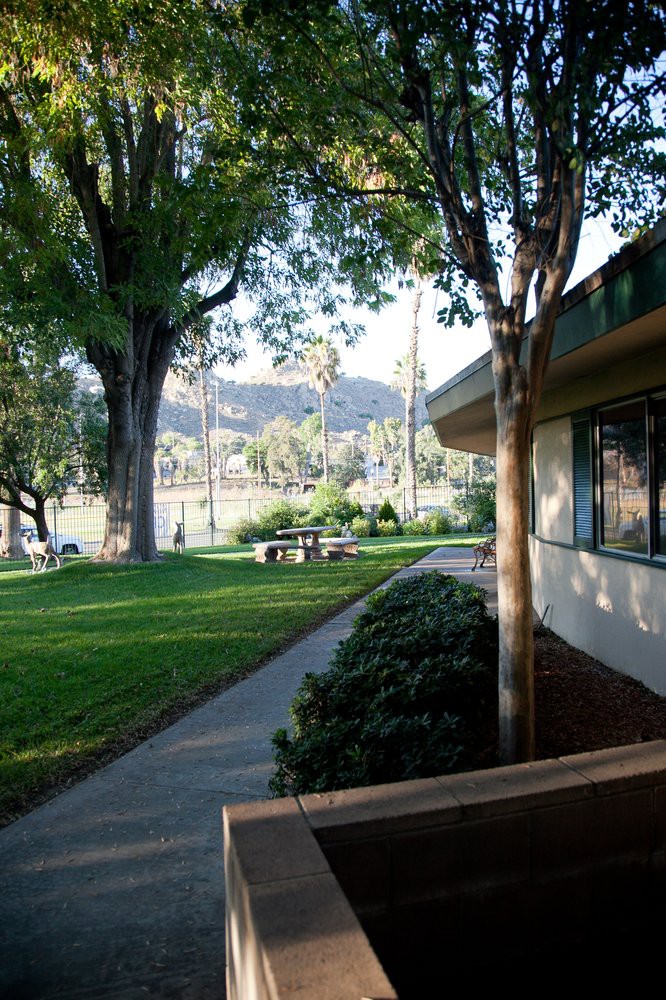
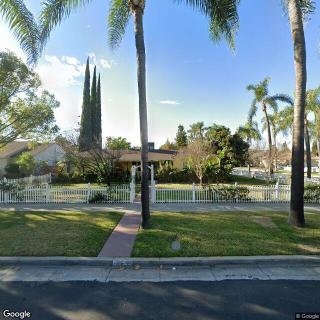
- The facility grounds are beautiful, like a park rather than a typical nursing facility.
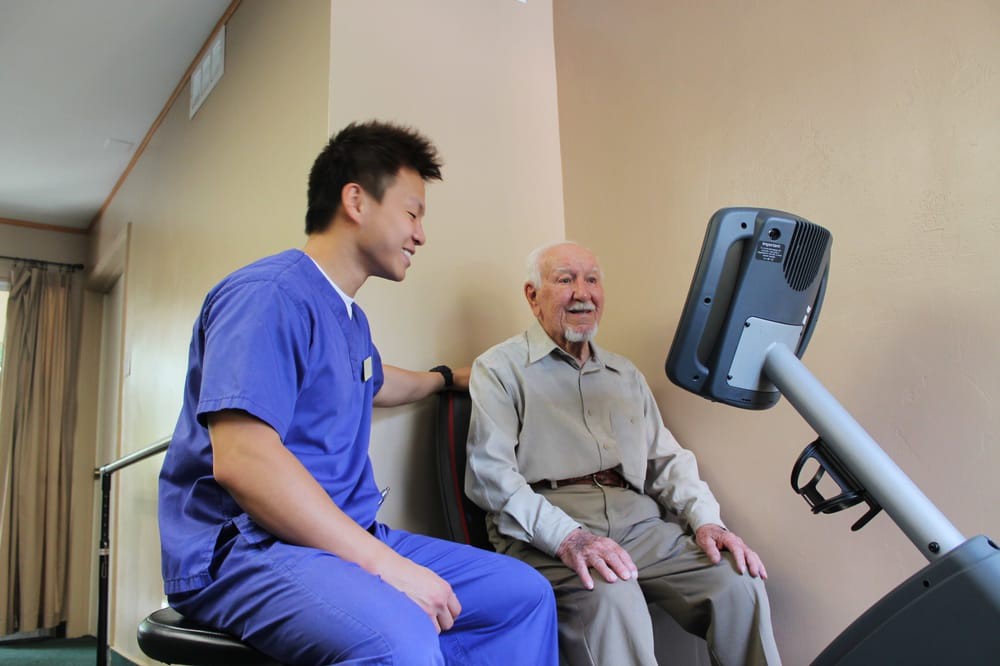
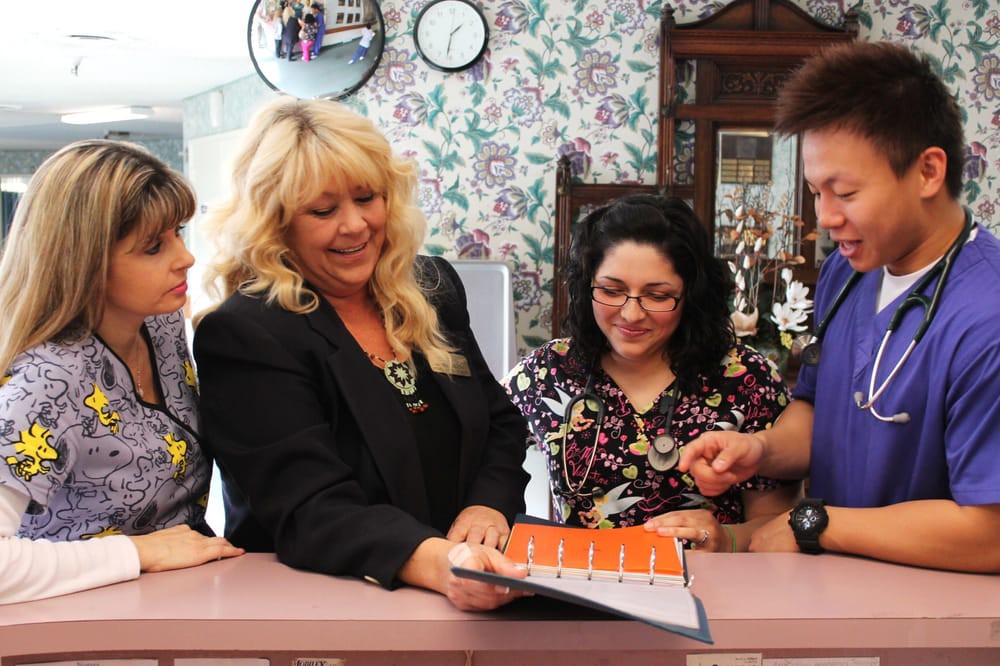
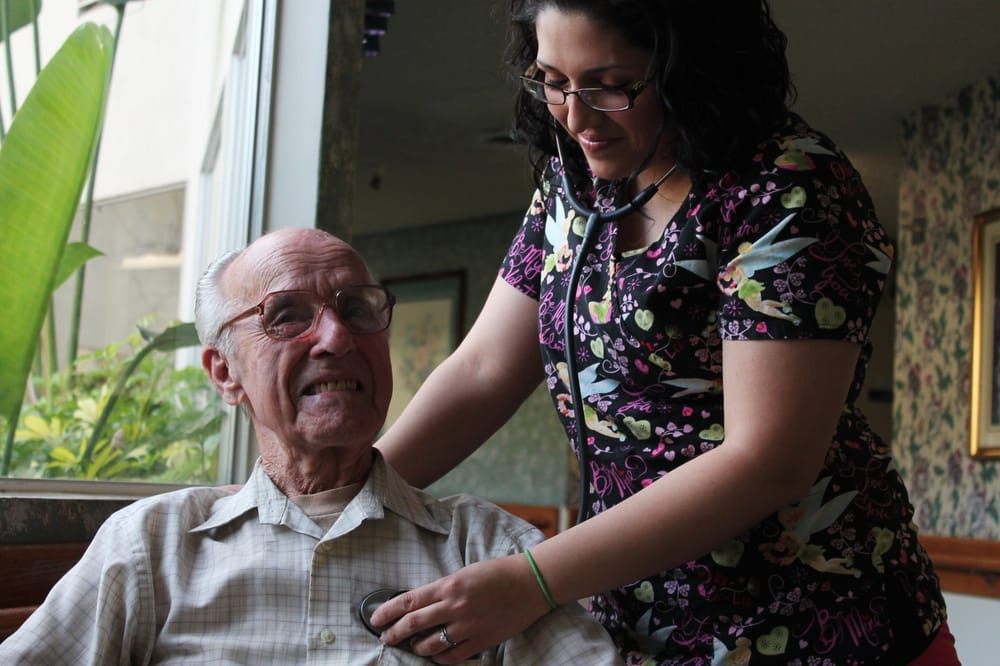
- The staff are friendly, polite, and genuinely attentive to residents.
- The residents appear to be well cared for in a clean and well-maintained environment.
- Jackie, the social services director, puts families at ease with her care.
Cons
 The staff failed to care for the author's mother properly, allowing her condition to deteriorate and leading to an infection from an improperly cared-for JP drain.
- They were too stupid to take her to the hospital, delaying critical care until it was too late.
- The care provided contributed to the mother's death within an hour of arrival at the hospital.
- The reviewer advised potential readers not to take a loved one there, implying families should keep them at home.
- The facility was filthy and its administration was horrible, with a report of a husband arriving half-naked with blood on the bed and arms marked.
Review
Community Care On Palm in Riverside is best suited for families seeking a small, home-like skilled-nursing option where the daily rhythm feels more intimate than institutional. It works well for residents who need help with routine activities, and for those in the mild-to-moderate memory-care spectrum who benefit from a calm, family-oriented environment. The campus emphasizes open spaces, welcoming staff, and a sense of community that resembles a close-knit household rather than a clinical fortress. For families prioritizing personal connections, visible staff engagement, and a setting that encourages social interaction in a contained, easier-to-navigate footprint, this community offers a compelling match. It is not a fit for everyone, and the best choice hinges on whether the resident’s needs stay within that milder acuity range.
Owners and administrators who can deliver consistently attentive oversight make the strongest case for CCOP. When leadership is present, as reflected in positive experiences with the director and social-services staff, the environment can feel supportive and reassuring. The facility’s small size translates into more hands-on attention from nurses, aides, and activity staff, with a sense that residents are known as individuals rather than room numbers. The grounds and interior design contribute to a park-like, homey feel, indoor courtyards, a circular corridor, two-bed rooms, and a dining area where residents naturally gather. Taken together, these elements create a atmosphere that makes families feel they are choosing care with heart, not just a bed in a building.
Yet the contrast between bright positives and stark cautions stays real. The most troubling narratives center on care gaps that had life-or-death consequences when medical issues were not promptly escalated or properly managed, and on accounts of administrative lapses that eroded trust. Those experiences flag a critical risk: when clinical decisions and rapid contingency planning falter, even a warm, well-maintained campus can feel unsafe. This is compounded by reports of inconsistent experiences across the staff and leadership, and by concerns about the facility’s ability to handle higher-acuity needs or complex medical complications. In short, the advantages of a personable, contained environment can border on a liability if clinical oversight and crisis responsiveness are uneven.
For families weighing options, the balance of pros and cons hinges on resident fit and the facility’s ability to maintain proactive, transparent care. The positives, genuine kindness from staff, a culture that treats residents like family, comfortable rooms, and a serene, controlled setting, can offset many concerns when the resident’s needs align with what the community routinely delivers. The social atmosphere, regular group activities, and the sense of “home” after a hospital stay or surgery can shorten anxiety for families and support recovery or stabilization. However, this offset only holds if governance, nursing leadership, and frontline staff are consistently aligned, with clear lines of communication and solid protocols for escalation, infection control, and urgent medical response.
Prospective residents and their families should approach CCOP with a disciplined checklist and a candid interview plan. During visits, assess how staff interact with residents one-on-one, observe whether aides appear available and engaged, and note whether the nursing director and social-services leader are accessible and responsive. Inquire about staffing ratios, shift coverage, and how care plans are updated in response to medical changes. Ask to review recent quality metrics, any incidents involving hospital transfers, and the facility’s approach to infection control and safety. Clarify what memory-care programming looks like for mild-to-moderate dementia, and whether residents with more advanced needs could be accommodated or would require a different community. Finally, press for a transparent explanation of visiting hours, security measures, and how the campus handles emergencies when hospital transport is needed.
The practical verdict is nuanced. CCOP stands out for families who prize a warm, intimate setting, a tightly knit staff culture, and a campus designed to feel like home. It can be a strong fit for residents needing help with daily living tasks, mild to moderate memory care, and those who benefit from social engagement within a calm, secure environment. However, potential residents must weigh the risk of variable administrative effectiveness and the possibility that higher-acuity medical needs may outpace the facility’s crisis-management capabilities. If a resident’s care demands hover around basic assistance and stabilized memory care, and if tours reveal steady leadership and consistent staff warmth, this community deserves careful consideration as a leading option in Riverside. If, instead, required medical oversight, rapid escalation to hospital-level care, or flexible visiting and predictable administrative responsiveness are non-negotiables, it is prudent to explore alternatives with a clearer track record in crisis management and fewer red flags in governance. In the end, the choice hinges on fit: a homey, engaged culture balanced by dependable clinical leadership, or a different setting where higher-acuity care and uncompromising operational clarity are the priority.
 51 resident community capacity
 Skilled Nursing Facility
 Air-conditioning
 Beauty salon
 Cable or satellite TV
 Computer center
 Dining room
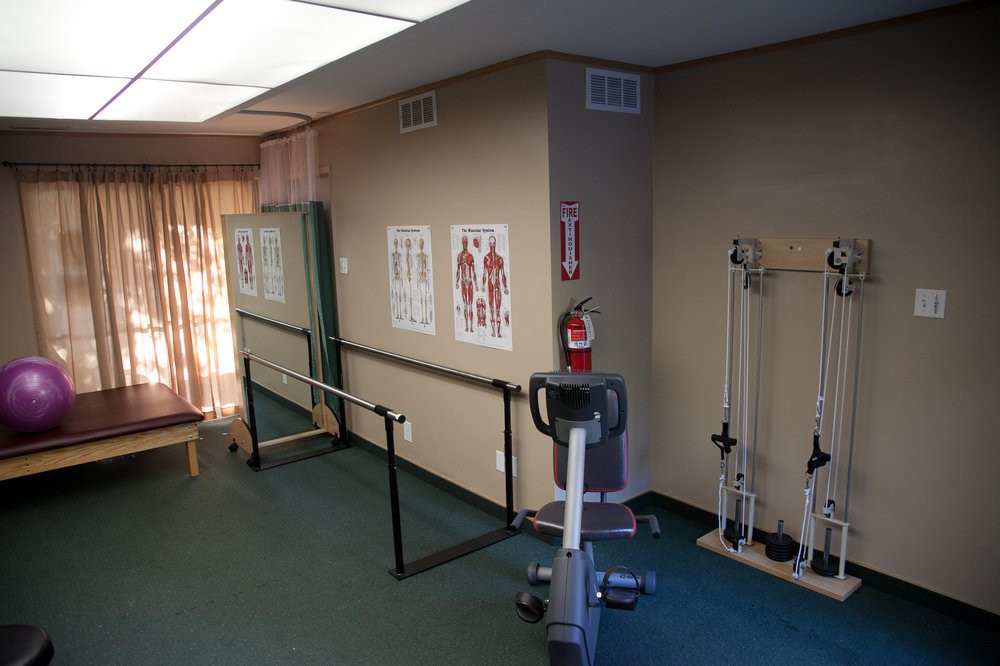
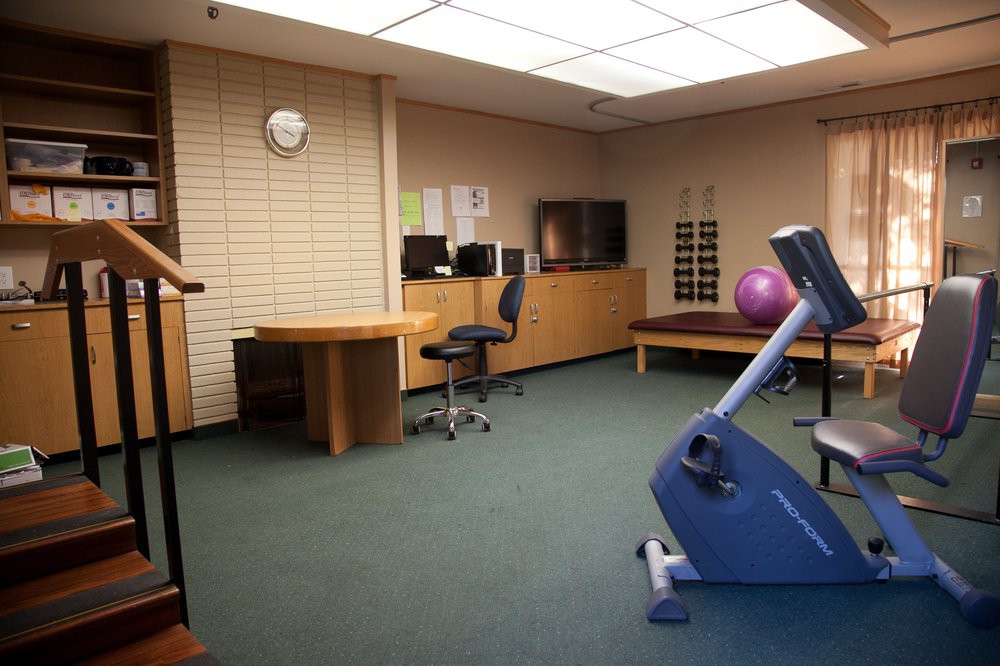
 Fitness room
 Fully furnished
 Gaming room
 Garden
 Housekeeping services
 Kitchenette
 Move-in coordination
 Outdoor space
 Private bathrooms
 Restaurant-style dining
 Small library
 Telephone
 Wellness center
 Wi-Fi/high-speed internet available
 Ontario International (13 miles away)
 Community operated transportation
 12-16 hour nursing
 24-hour call system
 Activities of daily living assistance
 Assistance with bathing
 Assistance with dressing
 Assistance with transfers
 Diabetes diet
 Medication management
 Mental wellness program
 Special dietary restrictions
 Concierge services
 Planned day trips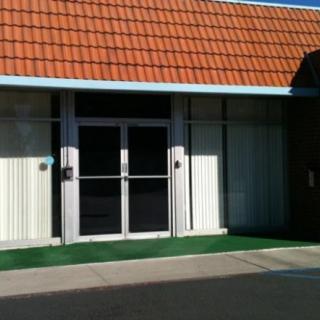




 Understanding the Nuances of Palliative Care and Hospice: A Comprehensive Exploration
 Fecal Incontinence in Older Adults: A Comprehensive Guide
 Nurturing Well-Being Through Gardening: A Detailed Guide for Senior Enthusiasts