At Loving Care Living, the monthly costs for residential accommodations reflect a premium service designed to provide comfort and care. The semi-private room is priced at $3,800, which is notably higher than the average of $2,844 in Riverside County and slightly above the state average of $3,333. For those seeking more privacy, a one-bedroom unit is available for $4,000 per month, aligning closely with Riverside County's average of $3,611 but remaining below the broader California average of $4,340. These rates suggest that while Loving Care Living may be positioned at a higher price point compared to local and state averages, it likely offers enhanced amenities and personalized care that contribute to its value proposition in the competitive landscape of assisted living.
Floor plans
Loving Care Living
Riverside County
California
Semi-Private
$3,800
$2,844
$3,333
1 Bedroom
$4,000
$3,611
$4,340
Memory care communities with a similar price nearby
Residents describe hands-on help with mobility and complex medical needs.
Several reviews highlight practical medical and support work, including help arranging doctor-related care and guidance for families. Residents and families also mention visible progress over time, such as improving strength and mobility and managing medical needs like a feeding tube. Others point to RN-level knowledge and comfort from having a medical professional on-site and involved. One reviewer, however, says the facility did not contact a doctor promptly, which is the main counterpoint to the otherwise health-focused support residents describe.
common19 reviews mention this
Staff communication is a constant
Families repeatedly describe attentive, patient staff and clear communication.
Across the reviews, residents and families describe staff as consistently kind, professional, and responsive to day-to-day needs. Communication comes up often, including updates to family members and staff taking time to engage residents in a respectful way. Several reviews also mention the owner and named caregivers being involved and supportive, not distant. The lone negative review directly challenges this, accusing management of failing to get needed medical help and criticizing overall care quality.
common12 reviews mention this
Clean, home-like environment
Residents and families consistently mention a clean, well-kept feel.
Many reviews describe the facility as clean, organized, and well maintained, with common areas that feel comfortable rather than institutional. Several also use home-like language, describing a calm atmosphere and inviting spaces for residents and visitors. Even when discussing more complex situations, multiple families still point to the environment staying bright and orderly. The negative review does not echo cleanliness concerns, focusing instead on staffing, medical follow-through, and nutrition.
caveat2 reviews mention this
Staffing levels are debated
Reviews disagree on staffing availability and coverage at night.
One reviewer describes a relatively direct staffing ratio, saying there is one caregiver for about every three patients. Another reviewer disputes that and alleges understaffing, including limited caregivers across multiple buildings and coverage gaps at night. Those two accounts leave a clear split between families who feel well supported and the reviewer who reports falls and slow response when help is needed.
caveat2 reviews mention this
Dining quality draws mixed feedback
Food is a point of contrast between fresh meals and nutrition concerns.
A positive review notes the food is fresh and appealing, with an everyday smell that stands out to visitors. In contrast, the negative review complains that residents are not receiving enough nutrition and says the provided food quality is poor. With only these two direct dining references, residents’ experiences appear uneven across reviews.
How we summarize
Counts show how many written reviews mention each theme; a review can touch several themes, and only frequently mentioned themes are displayed.
Features
Types of Care
Assisted Living
Memory Care
Amenities
Activities on-site
Devotional services off-site
Indoor common areas
Transportation
Palm Springs International (14 miles away)
Care Services
Ambulatory care
Diabetic care
Dining
Meals provided
Activities
Activities on-site
Devotional activities offsite
Nearby Places of Interest
This part of Bermuda Dunes, California offers a convenient and diverse array of amenities for seniors considering living in the area. With multiple pharmacies within a short distance, accessing medication and healthcare services is easily manageable. Additionally, there are various dining options to choose from including fast food chains as well as sit-down restaurants offering a variety of cuisines. For medical needs, there are specialized physicians nearby focusing on kidney care, eye health, women's healthcare, allergy treatment, dermatology, and more. Places of worship are also within reach for those seeking spiritual fulfillment. The presence of hospitals and imaging centers ensures that advanced medical care is readily available if needed. Entertainment options include a nearby movie theater for leisure activities. Lastly, the Civic Center Park provides a peaceful outdoor space for relaxation and recreational activities.
At Loving Care Living, the monthly costs for residential accommodations reflect a premium service designed to provide comfort and care. The semi-private room is priced at $3,800, which is notably higher than the average of $2,844 in Riverside County and slightly above the state average of $3,333. For those seeking more privacy, a one-bedroom unit is available for $4,000 per month, aligning closely with Riverside County's average of $3,611 but remaining below the broader California average of $4,340. These rates suggest that while Loving Care Living may be positioned at a higher price point compared to local and state averages, it likely offers enhanced amenities and personalized care that contribute to its value proposition in the competitive landscape of assisted living.
Reminiscence therapy helps individuals with dementia recall past memories through structured discussions and meaningful objects, enhancing mood, relationships, and sense of identity while celebrating their lives. It can be practiced in formal settings or at home, requiring sensitivity to personal histories and cultural backgrounds.
Reminiscence therapy is a structured method for older adults, especially those with dementia, to share life stories using prompts and sensory cues, fostering emotional well-being, social engagement, and self-identity. It aims to improve quality of life by enhancing interpersonal connections and cognitive stimulation while requiring careful facilitation to avoid distressing memories.
Dementia, particularly Lewy body dementia, often involves hallucinations that can significantly distress both patients and caregivers due to disruptions in sensory processing and neurotransmitter imbalances. Effective management includes compassionate communication, environmental adjustments, and a multidisciplinary approach to care while addressing the emotional needs of caregivers.
Get PricingAsk A QuestionSchedule A TourContact Senior Advisor
By clicking submit, you agree to our Partner's Terms of Use. You
also consent to receive calls and texts, which may be autodialed, from our Partner. Your consent is not a condition to
using our Partner's service. Please visit our Partner's Privacy Policy for information about their privacy practices.


 Assisted Living
 Memory Care
 Activities on-site
 Devotional services off-site
 Indoor common areas
 Palm Springs International (14 miles away)
 Ambulatory care
 Diabetic care
 Meals provided
 Luxurious, fully furnished living with 24/7 support and restaurant-style dining.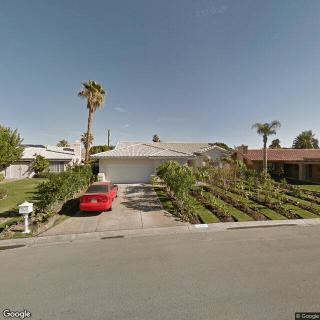

 Exploring the Power of Reminiscence Therapy for Individuals With Dementia
 An In-Depth Look at Reminiscence Therapy in Dementia Care
 Dementia-Related Hallucinations: Causes, Experiences, and Practical Approaches