
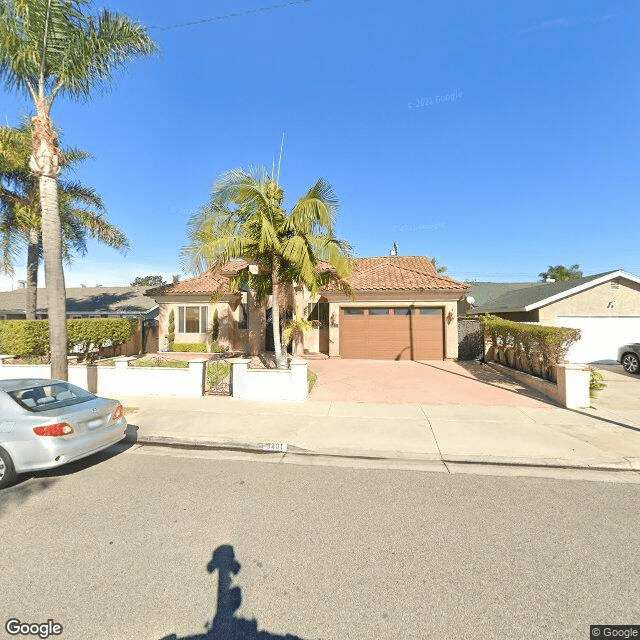
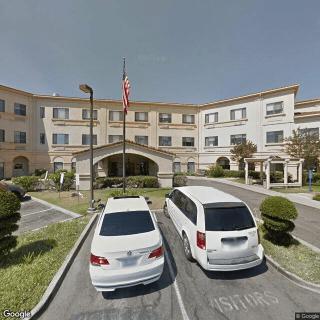
9401 Nautilus Drive, Huntington Beach, CA 92646
For more information about senior living options: (866) 208-4318
Meadowlark Gardens VII Costs & Pricing
Meadowlark Gardens VII offers competitive pricing for its room options when compared to both Orange County and the broader California market. For a semi-private room, residents will pay $3,250 per month, which is notably lower than the county average of $3,431 and aligns well with the state average of $3,333. The cost for a one-bedroom unit at Meadowlark is set at $3,750, offering significant savings against Orange County's average of $4,380 and remaining closely aligned with California's average of $4,340. Additionally, their private rooms are priced at $3,750 - again competitively lower than Orange County's rate of $4,104 while sitting above California's average of $3,939. Overall, Meadowlark Gardens VII presents an attractive option for those seeking quality care at reasonable costs in comparison to its regional counterparts.
| Floor plans | Meadowlark Gardens VII | Orange County | California |
|---|---|---|---|
| Semi-Private | $3,250 | $3,431 | $3,333 |
| 1 Bedroom | $3,750 | $4,380 | $4,340 |
| Private | $3,750 | $4,104 | $3,939 |
Memory care communities with a similar price nearby
-
from +$250 / mo
Kind Heart Home Care VI
$3,500 to $5,000 / month22.5 miles away -
from -$450 / mo
Candlewood Care Home III
$2,800 to $3,400 / month10.4 miles away -
from -$450 / mo
Leah Loving Elderly Care
$2,800 to $3,000 / month3.0 miles away -
from -$550 / mo
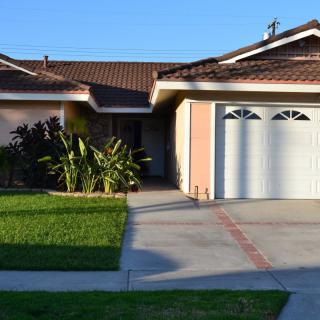
Loving Care Senior Home
$2,700 to $3,500 / month1.7 miles away -
from +$250 / mo
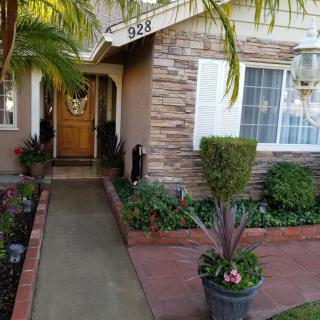
Comfort Keepers Home Care
$3,500 to $6,500 / month18.6 miles away
Overall Review of Meadowlark Gardens VII
Pros
 Meadowlark Gardens VII seems like a very good place.
- The principal facility is excellent.
- The patients seem to be well cared for.
- The staff seems quite friendly.
- It is a small facility with a group-care atmosphere.
- The reviewer is very pleased with what they have seen.
Review
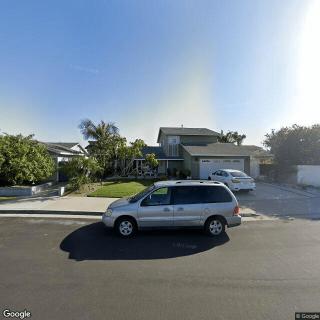
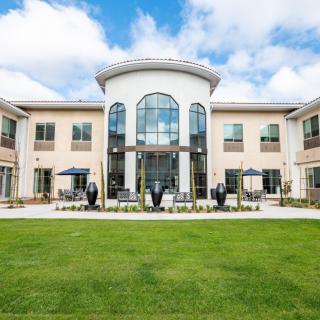
Meadowlark Gardens VII in Huntington Beach is best suited for seniors who want an intimate, home-like setting where care feels personal and communication with staff is straightforward. The small, group-care vibe supports consistent oversight and daily continuity, which appeals to families seeking reliable day-to-day attention rather than a sprawling campus. The principal facility is described as excellent, and residents appear well cared for with staff who come across as friendly and approachable. For families prioritizing visible warmth, easy access to caregivers, and a setting that makes routine care manageable, Meadowlark Gardens VII delivers. It may not align with expectations for those chasing a large menu of on-site services, expansive activity calendars, or highly specialized care programs.
Alternative considerations should be weighed by families who need more than a basic group-care model. If a wide array of amenities, a robust slate of therapeutic activities, or a dedicated memory-care environment is non-negotiable, other communities with larger footprints, more formal programming, or specialized units should be compared. Likewise, if higher acuity needs or complex medical oversight are anticipated, a facility with a bigger staff and broader clinical resources could be essential. Meadowlark Gardens VII appears to excel at fundamentals and human touch, but it may fall short for residents requiring substantial clinical resources integrated into daily life.
The strongest positives, an excellent principal facility, residents who seem well cared for, and a friendly, approachable staff, partly offset the trade-offs of a smaller setting. The concentrated size tends to yield tighter supervision and easier access to caregivers, translating into quicker responses and more personalized adjustments to routines. In this sense, the advantages of a close-knit environment buffer potential drawbacks inherent to a smaller footprint. Nevertheless, the trade-off is a more limited scope of programming, fewer on-site specialists, and less variety in activities compared with larger communities. For families who value consistency in care and a calm atmosphere, these benefits can outweigh the downsides.
Tour preparation should zero in on specifics not captured in a brief impression. Confirm staffing levels across shifts, whether a registered nurse is regularly on-site, and who handles medication management. Inquire about room configurations, meal quality and flexibility, housekeeping standards, transportation options, and how activities are structured for different ability levels. While the impression of kindness and attentiveness is a strong signal, validating the operational reality through a detailed tour and conversation with leadership ensures expectations match everyday life.
Another practical lens involves cost and value, which requires direct clarification from the community. The lack of pricing detail, paired with a small-scale model, can obscure what is included in base fees versus optional add-ons. Families should request a clear, written breakdown of monthly costs, what services are bundled, and what expenses might arise if a resident needs additional support. This is especially important when comparing Meadowlark Gardens VII to larger communities that publish tiered pricing for different care levels. The goal is transparent expectation alignment before making any commitment.
In sum, Meadowlark Gardens VII emerges as a solid choice for families seeking a compact, relationship-driven environment with evident care quality and a warm staff. Its best-fit is a resident who thrives on personal attention, predictable routines, and a sense of community that feels intimate. Those who need expansive programming, broad social opportunities, or specialized medical or memory-care services should consider alternatives and plan multiple tours. A careful, on-site assessment will reveal whether the small-scale strengths translate into the right daily life for a loved one and whether the trade-offs align with the family’s priorities and care trajectory.
 6 resident community capacity
 1-bedroom apartments
 Assisted Living
 Board and Care Home
 Memory Care
 Respite Care
 Activities off-site
 Bath tubs
 Cable or satellite TV
 Devotional services on-site
 Dining room
 Financial aid
 Fully furnished
 Garden
 Housekeeping services
 Indoor common areas
 Move-in coordination
 Outdoor common areas
 Private
 Telephone
 Wheelchair accessible showers
 Wi-Fi/high-speed internet available
 John Wayne Orange Co (6 miles away)
 24-hour supervision
 Ambulatory care
 Assistance with bathing
 Assistance with dressing
 Assistance with transfers
 Diabetes diet
 High acuity care
 Meal preparation and service
 Medication management
 Special dietary restrictions
 Transportation arrangement (medical)
 Transportation to doctors appointments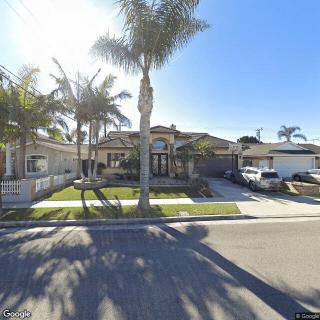

 Delirium and Dementia: Unraveling the Key Differences
 Are Dementia and Alzheimer's Disease Lethal? A Comprehensive Exploration
 Exploring the Power of Reminiscence Therapy for Individuals With Dementia