
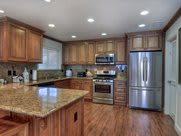
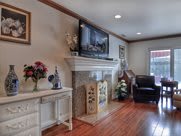

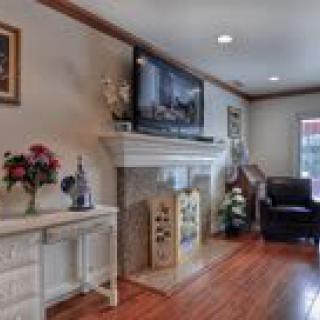
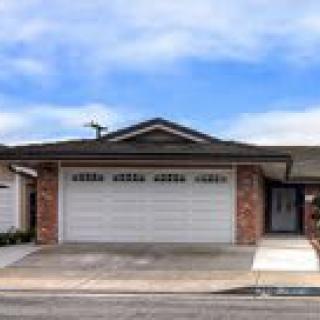
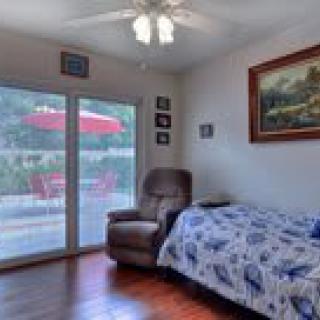
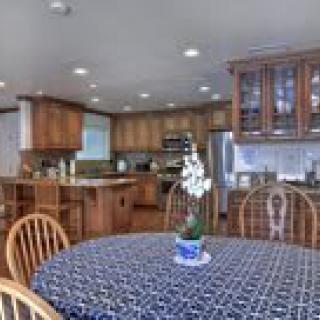
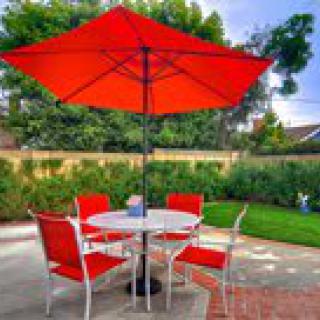


5912 Midiron Circle, Huntington Beach, CA 92649
For more information about senior living options: (866) 208-4318
Meadowlark Gardens I Costs & Pricing
Meadowlark Gardens I offers competitive pricing for its residents, with semi-private rooms available at $3,250 per month, which is more affordable than the average cost in Orange County at $3,431 and slightly less than the state average of $3,333. For those seeking private accommodations, Meadowlark Gardens I charges $4,200 monthly. While this is higher than the local county average of $4,104, it remains above the state average of $3,939. Overall, Meadowlark Gardens I reflects a thoughtful balance of affordability and quality care in comparison to regional costs throughout Orange County and California.
| Floor plans | Meadowlark Gardens I | Orange County | California |
|---|---|---|---|
| Semi-Private | $3,250 | $3,431 | $3,333 |
| Private | $4,200 | $4,104 | $3,939 |
Memory care communities with a similar price nearby
-
from +$250 / mo
Kind Heart Home Care VI
$3,500 to $5,000 / month17.8 miles away -
from -$450 / mo
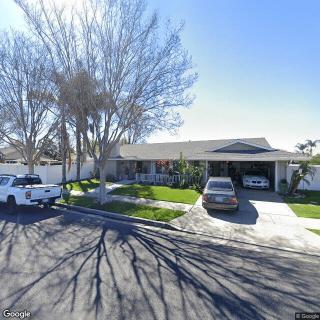
Candlewood Care Home III
$2,800 to $3,400 / month12.8 miles away -
from -$450 / mo
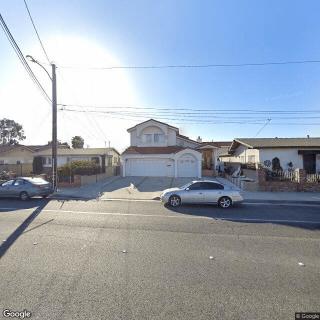
Leah Loving Elderly Care
$2,800 to $3,000 / month4.6 miles away -
from -$550 / mo
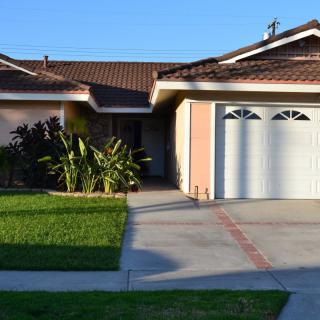
Loving Care Senior Home
$2,700 to $3,500 / month3.9 miles away -
from +$250 / mo
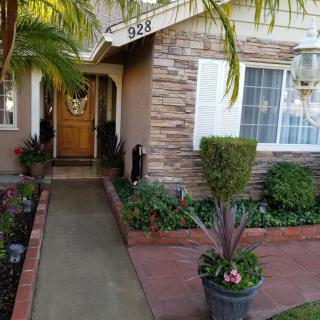
Comfort Keepers Home Care
$3,500 to $6,500 / month16.4 miles away
Overall Review of Meadowlark Gardens I
Pros
 The staff at Meadowlark Gardens are kind and attentive and provide great care to residents.
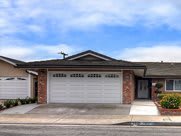
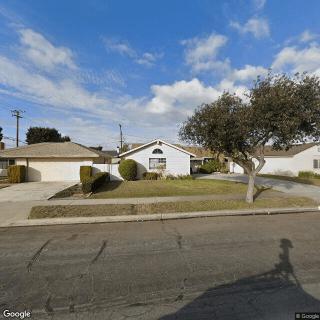
- Meadowlark Gardens is a nice, clean facility in a regular neighborhood.
- The tour staff are friendly and helpful.
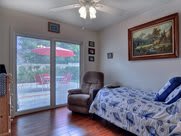
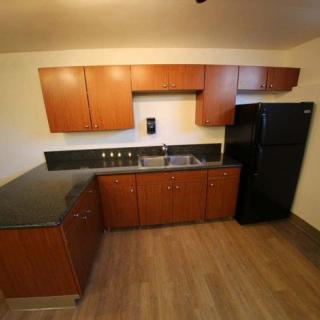
- Private rooms are clean and nicely decorated, and the courtyard is pleasant.
- Meadowlark Gardens is a six-resident board-and-care home with excellent care.
- The caregivers are fabulous, and residents enjoy the meals and comfortable bedrooms.
Review
Meadowlark Gardens I in Huntington Beach is best suited for seniors who want a small, home-like setting where caregivers know residents by name and privacy plus individualized attention are the daily norm. As a board-and-care home with only about six residents, it delivers a level of personal connection and consistency that larger facilities struggle to match. Families prioritizing cleanliness, a calm pace, and a neighborhood feel over a clinical, institutional vibe will likely find this community a strong fit.
Those who may want to consider alternatives are seniors requiring higher levels of medical oversight or a broader range of therapies and activities. The compact footprint naturally limits access to on-site therapists, formal programming, and specialized memory care options that larger communities routinely provide. For residents needing 24/7 on-site nursing, frequent medical coordination, robust transportation, or an expansive activity calendar, a bigger assisted living setting or a continuing care campus will often be more appropriate.
The strongest pros, kind, attentive caregivers; private, well-maintained rooms; and a clean, welcoming environment, practically justify the small scale. Residents can enjoy private bedrooms that are described as lovely and well-decorated, coupled with a calm, home-like atmosphere that minimizes the clinical feel. The courtyard and patio add a pleasant outdoor dimension, and positive notes about meals reinforce daily life quality. In short, the daily care experience tends to be personalized, predictable, and respectful.
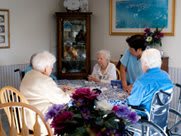
The neighborhood-leaning, intimate layout is a genuine asset for sustaining dignity and autonomy. With every resident occupying a private room, privacy is preserved while social interaction remains manageable rather than overwhelming. Observations of residents in wheelchairs watching TV together point to inclusive social time within a low-stress framework. Positive tour experiences, staff described as friendly and helpful, signal ongoing responsive communication, which matters greatly when coordinating care across shifts and family input. For families who value stability and straightforward routines, Meadowlark Gardens I delivers that promise without sacrificing warmth.
To make a well-informed decision, prospective residents and families should use the tour as a diagnostic tool. Verify the caregiver-to-resident ratio and whether the same aides remain with residents across shifts, plus what responsibilities are included in the monthly rate and what might incur extra charges. Inspect several private rooms for safety features, lighting, and ease of movement, and probe meal options and dietary flexibility to confirm meals will align with preferences. Confirm transportation arrangements for appointments and outings, and ask how medical oversight is handled, whether there is an on-site nurse, how often residents are assessed, and how urgent needs are escalated. Given the small scale, also inquire about the range of activities and whether external therapists can be accessed if needed. A candid mealtime observation can reveal how food service and caregiver interactions unfold in daily routines.
In sum, Meadowlark Gardens I stands out for families seeking an intimate, high-touch care environment delivered in a genuine home setting. Its core strengths, caring, dependable staff; private, clean rooms; and a peaceful, neighborhood ambiance, translate into meaningful daily life for residents who prioritize personal attention and autonomy. The trade-off is a smaller ecosystem that may fall short for those needing extensive clinical oversight or a highly activity-rich program. For those criteria, larger assisted living or skilled nursing options should be in the mix; for families seeking a warm, small-scale residence where every resident is treated like a neighbor, Meadowlark Gardens I is a compelling, practical choice.
 6 resident community capacity
 1-bedroom apartments
 Assisted Living
 Board and Care Home
 Memory Care
 Respite Care
 Activities off-site
 Bath tubs
 Cable or satellite TV
 Devotional services on-site
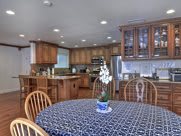
 Dining room
 Fully furnished
 Garden
 Housekeeping services
 Indoor common areas
 Move-in coordination
 Outdoor common areas
 Private
 Telephone
 Wheelchair accessible showers
 Wi-Fi/high-speed internet available
 John Wayne Orange Co (10 miles away)
 24-hour supervision
 Ambulatory care
 Assistance with bathing
 Assistance with dressing
 Assistance with transfers
 Diabetes diet
 High acuity care
 Incontinence care
 Meal preparation and service
 Medication management
 Special dietary restrictions
 Transportation arrangement (medical)
 Transportation to doctors appointments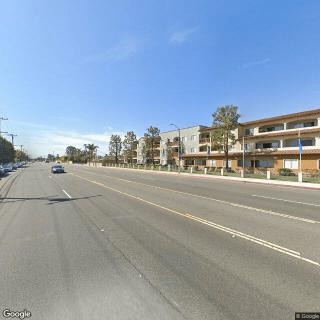


 Estimating the Expenses of At-Home Dementia Care: A Detailed Exploration
 Comprehensive Insights on the Late Stages of Dementia: What to Expect and How to Provide Care
 Medications Associated with Dementia Risk: A Comprehensive Overview