
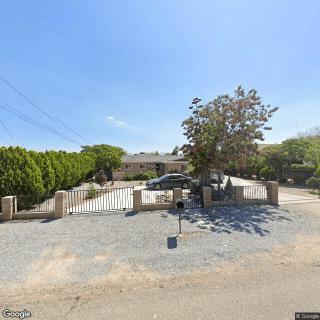
17410 Adobe Avenue, Hesperia, CA 92345
For more information about senior living options: (866) 208-4318
Overall Review of Chantilly Lace Manor III
Pros
 The people at Chantilly Lace really care for every resident.
 - The caregivers are loving, caring, and attentive.
- Teri, the owner, is a caring and loving person who goes above and beyond for the residents.
- The staff is amazing, caring, and loving.
- Chantilly Lace Manor is a wonderful place for a loved one.
- Teri truly loves each resident and treats them as her own family, providing a safe, family-like experience.
- The home helps residents flourish both physically and emotionally.
- The staff are described as gifts from God, offering care and support.
- Families would highly recommend Chantilly Lace Manor.
Cons
 The owner has no business being in charge of this type of care facility and should be reviewed by the state with her license revoked indefinitely.
- She publicly called a family member a “murderer” for wanting to stop a medication, which is completely unacceptable and disgusting.
- It is unprofessional to misplace a binder for a patient.
- Chantilly Lace Manor is criticized as a place you can leave an elderly relative, described as insanely expensive and offered in a cramped setting with little privacy.
- The owner is a brash, conservative woman who freely shares religious and political opinions, and the staff were allegedly paid under the table, raising licensing and legality questions.
- There is usually only one caregiver on shift, which seems unsafe.
- The owner allegedly bullied the family into changing hospice providers, with concerns about kickbacks and HIPAA violations.
Review
Chantilly Lace Manor III in Hesperia is best suited for families seeking a warm, home-like setting where a small, caregiver-centered operation can deliver highly personal attention to a loved one, especially when memory care needs are prominent. This community works well for residents who benefit from intimate routines, steady companionship from a tight-knit staff, and a sense of family involvement led by the owner. When dementia or anxiety is present, the environment can feel stabilizing and emotionally supportive, with residents forming meaningful connections and caregivers who appear genuinely invested.
Those weighing Chantilly Lace against alternatives should explicitly consider options that offer broader nursing oversight, larger staffing pools, and clearer licensing and regulatory arrangements. Families who want licensed, on-staff medical professionals, predictable nurse-to-resident ratios, or a facility-scale that provides more formalized oversight may prefer a traditional assisted living with higher credentialed certification. Likewise, if privacy, consistent bedding down of six residents in a single home, or the avoidance of any concerns about legality or payroll practices is paramount, alternative communities with transparent governance and stricter compliance should be explored.
The strongest pros of Chantilly Lace, deep caregiver warmth, visible owner involvement, and stories of residents flourishing socially and emotionally, can meaningfully offset several drawbacks. The staff’s attentiveness and the perception of genuine care translate into daily life that feels safer and more nurturing than in some larger operations. When a resident’s emotional well-being improves, families often see tangible benefits: increased engagement, better mood, and ongoing social connection with peers. In this light, the home atmosphere and the caretaker’s hands-on approach can counterbalance compromises some families fear in a small, owner-led setting.
However, the cons cited by critics carry weight that cannot be dismissed. Several reviewers describe concerns about licensing, staffing structure, and payroll practices, along with questions about whether the operation meets standard regulatory expectations for an assisted-living home. Critics flag under-the-table pay rumors, potential HIPAA issues, and a reportedly one-caregiver-at-a-time model, factors that raise safety and consistency concerns for families prioritizing formal safeguards. A few accounts also characterize the owner as brash and politically or religiously outspoken, which can create a divisive or uncomfortable atmosphere for some families and staff. Taken together, these red flags suggest there is real risk for those who seek airtight compliance and professional boundary standards.
From a practical decision-making vantage point, families should verify licensing status, inspect staffing schedules, and probe medication management and incident reporting processes before committing. A direct conversation with the owner about care protocols, hospice coordination, and emergency plans is essential. Prospective residents or guardians should request candid tours, talk with current residents and their families, and demand written policies on DNRs, care plans, and safety practices. Given the cost dynamic described by some reviewers, it is prudent to obtain a detailed, itemized understanding of what is included, what costs may rise, and how services are scaled if health needs worsen. Only with this diligence can true alignment with care goals be established.
In the end, Chantilly Lace Manor III serves a specific niche: a truly human-centered, home-style environment where residents often respond to sustained emotional support and affection from a devoted, owner-led team. For families prioritizing intimate, family-like care and dementia-friendly routines over formal nursing oversight, this community can be a meaningful fit, especially when budget aligns with the premium attached to that personal touch. For those who require robust regulatory assurances, licensed medical staffing, or more expansive privacy and safety protections, alternatives with larger scale operations and stricter governance should be pursued first. The decision hinges on balancing the value of heartfelt, individualized care against the necessity for formalized oversight and broader clinical support.
 6 resident community capacity
 Assisted Living
 Board and Care Home
 Cable or satellite TV
 Dining room
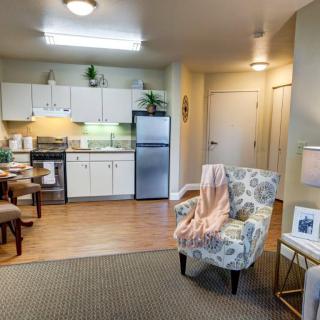
 Fully furnished
 Garden
 Housekeeping services
 Move-in coordination
 Outdoor space
 Telephone
 Wi-Fi/high-speed internet available
 24-hour supervision
 Activities of daily living assistance
 Assistance with bathing
 Assistance with dressing
 Assistance with transfers
 Diabetes diet
 Meal preparation and service
 Medication management
 Special dietary restrictions
 Transportation arrangement (medical)
 Transportation to doctors appointments




 Vibrant Senior Living: A Comprehensive Guide for Active Older Adults
 When to Transition from Assisted Living to Memory Care: Key Indicators, Steps, and Finding the Right Community
 Assisted Living and Memory Care: Understanding Their Core Differences