Chantilly Lace Manor

Save
Chantilly Lace Manor Chantilly Lace Manor Chantilly Lace Manor Chantilly Lace Manor

Chantilly Lace Manor

7421 Minstead Avenue, Hesperia, CA 92345

For more information about senior living options: (844) 490-3973

3.6 from 5 reviews
5 stars
3
4 stars
0
3 stars
0
2 stars
1
1 stars
1

Assisted Living Board and Care Home

Overall Review of Chantilly Lace Manor

Pros

  • pro Chantilly Lace is described as a wonderful place for a loved one, with staff who are amazing, caring, and loving.
  • pro The owner, Teri, is portrayed as a caring and loving person who goes above and beyond for residents.
  • pro The caregivers are described as loving, attentive, and genuinely caring for each resident.
  • pro Families visiting report their loved ones are clean and well taken care of under Chantilly Lace's care.
  • pro The environment is described as safe and like a family experience, with residents forming friendships with staff and each other.
  • pro The care provided is said to help residents flourish physically and emotionally.
  • pro Families feel blessed to be part of the Chantilly Lace Manor family.
  • pro The staff are described as outstanding and the facility as a gift from God by some reviewers.
  • pro Teri is described as a guiding light who helps families through the placement process.
  • pro Many reviewers would highly recommend Chantilly Lace Manor as a high-quality, loving community.

Cons

  • pro The owner has no business being in charge of this type of care facility and should be reviewed by the State with her license revoked indefinitely.
  • pro She allegedly called a family member a "murderer" for wanting to stop a medication, despite a DNR in place, which is described as unacceptable.
  • pro A patient's binder was misplaced, an action deemed unprofessional.
  • pro Chantilly Lace Manor is described as a small house with tiny bedrooms and little privacy, charging high rates, raising questions about legality and licensing.
  • pro The owner is described as brash and conservative, freely sharing religious and political opinions with residents.
  • pro The staff were reportedly paid under the table in cash, leading to concerns about licensing, insurance coverage, and ethics.
  • pro There are questions about the facility's legality, licensing, and potential kickbacks related to hospice provider changes.
  • pro It is suggested that there is usually only one caregiver on site, which is framed as unsafe.

Review

Chantilly Lace Manor is described by several families as a place that can feel like a lifeline during a very difficult season. One husband whose spouse was recently moved from another board and care facility into Chantilly Lace spoke with gratitude for the care his loved one is receiving. He emphasized that the new place has shown genuine concern for each resident, noting that the staff are loving, attentive, and consistently engaged. The tone throughout his account is hopeful: after a difficult two months elsewhere, he finds comfort in the evident care and attention his wife receives from the team there, and he singles out Teri, the owner, for her evident kindness and dedication to the residents.

Alongside this heartfelt gratitude, there are other voices that paint Chantilly Lace Manor as a place where care and compassion are truly the priority. Another reviewer recounts how the owner and her staff cared for a cousin who was battling a rare form of dementia. The reviewer describes the cousin's 11-month decline as heartbreaking yet tempered by the knowledge that she was in good hands. Weekly visits by the cousin's best friend and the reviewer themselves were met with consistent cleanliness and careful attention, and they felt that the care extended beyond basic needs to provide emotional support and a sense of dignity. The reviewer even uses warm language to describe the setting as a place where the resident flourished - physically and emotionally - under the loving care of Teri and her team.

Yet, the same facility becomes a focal point for more severe accusations in another retelling. One reviewer questions the owner's fitness to run a care facility, stating that the owner should be reviewed by the state and potentially have her license revoked. The narrative here is sharp and accusatory: a confrontation over stopping a medication for a patient with a DNR in place, calling a family member a "murderer," and an assertion that a binder was somehow misplaced. Despite these strong claims, the reviewer concedes that the staff were outstanding, which adds a layer of complexity to the portrayal - good care by staff, but serious concerns about leadership and decision-making at the top.

There is also an extended positive account that emphasizes the personal journey of placing a loved one in Chantilly Lace Manor. A different reviewer describes the owner as truly loving and capable of guiding families through the process with empathy. They articulate a sense of safety and family within the home, noting that their mother, who has dementia and anxiety, began to thrive after moving in. They credit Teri with not only caring for residents but also supporting families emotionally - becoming a "saving angel" who helped them navigate the process quickly and with confidence. This voice stresses that Chantilly Lace Manor offers a beautiful, safe home-like environment and a sense of community among residents and staff alike.

Counterpoints emerge in another detailed account that questions the facility's operations and legitimacy. This reviewer critiques the name "manor," arguing that it misleads about the actual size and privacy within the houses, which they describe as small with bedrooms that often housed two seniors. They estimate prices in the range of two to three thousand dollars per person, with six residents per home, and point to a profit potential rather than a focus solely on care. The owner is described as brash and conservative, openly sharing religious and political opinions. The reviewer casts doubt on licenses, suggesting the staff may be unlicensed or paid under the table, and raises questions about legality, payroll taxes, and the possibility of kickbacks. They note that the owner allegedly owned multiple similar homes at the time, further fueling concerns about regulation and oversight.

In another section of the critique, the same reviewer recalls personal experiences with a parent who did not respond well to the environment. They describe an overbearing approach to coordinating hospice care that they perceived as HIPAA-violating and coercive, with the owner pushing a preferred provider over the one the family chose. The impression left is that the facility's financial motives and management style overshadow the quality of daily care, even as individual staff members may perform adequately. The reviewer recalls conversations with a brother who questioned the owner's business practices and reflects on a sense of unease about the potential for legal and ethical issues in the operating model.

The combined narratives present Chantilly Lace Manor as a place of dualities. For some families, it is a sanctuary where staff feel like family, where residents thrive emotionally and physically, and where a compassionate owner provides meaningful support to overwhelmed relatives. For others, it is a source of serious concern: questions about licensing, governance, compensation practices, and the family's right to choose care without pressure or coercion. The most consistent thread is the palpable impact the facility has on those who walk through its doors - the power of a home-like atmosphere and attentive, loving staff to improve daily life, tempered by warnings that the business side of care can complicate the experience in troubling ways.

If you are weighing Chantilly Lace Manor for a loved one, these accounts underscore the need for careful due diligence. Prospective families may find genuine warmth, strong caregiver dedication, and a supportive environment that fosters connection and growth. At the same time, potential red flags raised about licensure, payroll practices, and the balance between medical decisions and family autonomy should prompt thorough verification with licensing authorities, a direct tour of the facility, and comprehensive conversations with both the owner and the caregiving staff. Ultimately, setting expectations about privacy, cost, and the level of medical oversight will be crucial to determine whether Chantilly Lace Manor aligns with a family's needs and standards for safe, reputable elder care.

Features

Housing

  • 6 resident community capacity 6 resident community capacity

Types of Care

  • Assisted Living Assisted LivingAssisted living facilities provide crucial support and care for seniors who may need help with daily tasks such as medication management, bathing, and meal preparation. These communities offer a safe and comfortable environment where seniors can maintain their independence while receiving the assistance they need to thrive in their golden years.
  • Board and Care Home Board and Care HomeBoard and care homes provide a smaller, more intimate setting for seniors who require assistance with daily tasks but do not need the level of care offered by a nursing home. They offer personalized care, meals, and social activities in a homelike environment, ensuring that seniors receive individualized attention and support in their golden years.

Amenities

  • Cable or satellite TV Cable or satellite TVCable or satellite TV is important for seniors because it provides entertainment, news, and companionship, helping to combat loneliness and boredom. It also offers a wide range of programming options tailored to different interests and preferences.
  • Dining room Dining roomDining rooms are important for seniors as they provide a space for socialization, connection, and nutritious meals. They offer opportunities for residents to bond over shared meals, foster a sense of community, and promote healthy eating habits. Dining rooms also ensure that seniors have access to well-balanced meals tailored to their dietary needs and preferences.
  • Fully furnished Fully furnishedFully furnished senior living communities are important for seniors because they provide convenience, comfort, and a hassle-free moving experience. Seniors can easily settle into their new living space without the stress of having to buy and move furniture. This allows them to focus on enjoying their new home and community.
  • Garden GardenGardens are important for seniors as they provide a peaceful and therapeutic environment for relaxation, physical activity, and socialization. Being in nature has been shown to reduce stress, improve mood, and promote overall well-being. Gardens also offer opportunities for seniors to engage in gardening activities, which can improve mobility, flexibility, and cognitive function. Additionally, gardens create a sense of community and connection with others who share a passion for plants and outdoor spaces.
  • Housekeeping services Housekeeping servicesHousekeeping services are important for seniors because they help maintain a clean and safe living environment, promote independence, and reduce the risk of accidents or illnesses. Additionally, having assistance with household chores can alleviate physical strain and allow seniors to focus on other aspects of their well-being.
  • Move-in coordination Move-in coordinationMove-in coordination is important for seniors because it helps ease the transition into their new living environment. It ensures that all logistics, such as packing, organizing movers, and setting up utilities are taken care of, allowing seniors to focus on settling in and adjusting to their new home. Having a smooth move-in process can alleviate stress and anxiety, making the transition smoother and more enjoyable for seniors.
  • Outdoor space Outdoor spaceOutdoor spaces are important for seniors as they provide opportunities for physical activity, social interaction, exposure to natural light and fresh air, and a sense of connection to nature. Having access to outdoor spaces can improve overall well-being and quality of life for older adults living in senior communities.
  • Telephone TelephoneTelephones are important for seniors as they provide a lifeline for communication with loved ones, emergency services, and healthcare providers. They offer a sense of security and independence, enabling seniors to stay connected and access assistance when needed.
  • Wi-Fi/high-speed internet available Wi-Fi/high-speed internet availableWi-Fi/high-speed internet is important for seniors to stay connected with loved ones, access online resources, and participate in virtual activities to combat feelings of loneliness and isolation. It also allows them to easily manage healthcare needs, access entertainment, and engage in lifelong learning opportunities.

Care Services

  • 24-hour supervision 24-hour supervision24-hour supervision is important for seniors to ensure their safety, well-being, and access to immediate assistance in case of emergencies or health issues. This constant support provides peace of mind for both seniors and their loved ones, allowing them to age in place with dignity and security.
  • Activities of daily living assistance Activities of daily living assistanceActivities of daily living assistance are important for seniors because they provide essential support with tasks such as eating, bathing, dressing, and mobility. This assistance helps seniors maintain their independence, dignity, and overall quality of life as they age.
  • Assistance with bathing Assistance with bathingAssistance with bathing is crucial for seniors as it helps maintain personal hygiene, prevents infections, and ensures their overall well-being and comfort. It also provides a sense of dignity and independence for seniors who may struggle with this task on their own.
  • Assistance with dressing Assistance with dressingAssistance with dressing is important for seniors because it helps maintain their independence, promotes personal hygiene, prevents accidents and injuries, and improves overall quality of life. This service ensures that seniors can continue to dress comfortably and confidently, despite any physical limitations they may have.
  • Assistance with transfers Assistance with transfersAssistance with transfers is crucial for seniors as it helps prevent falls and injuries, maintains their independence, and ensures they can safely navigate their living environment. It also provides peace of mind for both seniors and their loved ones.
  • Coordination with health care providers Coordination with health care providersCoordination with health care providers is crucial for seniors to ensure proper medical care, medication management, and overall well-being. This collaboration helps prevent overlapping treatments, track progress more effectively, and provide comprehensive support tailored to individual needs.
  • Diabetes diet Diabetes dietA diabetes diet is crucial for seniors as it helps manage blood sugar levels, reduce risks of complications, and improve overall health and well-being. By following a balanced and nutritious diet tailored to their specific needs, seniors can better control their diabetes and enhance their quality of life.
  • Meal preparation and service Meal preparation and serviceMeal preparation and service are crucial for seniors as they may have limited mobility or energy to cook nutritious meals. Having access to healthy and convenient food options can ensure they are getting the proper nutrition needed to maintain their overall health and well-being.
  • Medication management Medication managementMedication management is crucial for seniors to ensure they are taking the right medications at the correct dosages and times. This helps prevent adverse drug interactions, reduces the risk of medication errors, and promotes overall health and well-being. Proactive management also allows for adjustments as needed based on changing health conditions or new prescriptions.
  • Special dietary restrictions Special dietary restrictionsSpecial dietary restrictions are important for seniors because age-related changes in metabolism and health conditions can make it difficult for their bodies to process certain foods. By following a diet tailored to their specific needs, seniors can maintain their overall health and well-being, manage chronic conditions, and reduce the risk of complications such as malnutrition or food interactions with medications.
  • Transportation arrangement (medical) Transportation arrangement (medical)Transportation arrangements for medical purposes are essential for seniors as they may have difficulty driving themselves to appointments or accessing public transportation. Having reliable and safe transportation options ensures that seniors can receive timely medical care and maintain their health and well-being.
  • Transportation to doctors appointments Transportation to doctors appointmentsTransportation to doctors' appointments is crucial for seniors as it ensures they have access to necessary medical care and support for their health needs. Without reliable transportation, seniors may struggle to attend important appointments, leading to potential delays in treatment and health complications. Providing transportation services helps seniors maintain their overall well-being and quality of life.

Dining

  • Diabetes diet Diabetes dietA diabetes diet is crucial for seniors as it helps manage blood sugar levels, reduce risks of complications, and improve overall health and well-being. By following a balanced and nutritious diet tailored to their specific needs, seniors can better control their diabetes and enhance their quality of life.
  • Special dietary restrictions Special dietary restrictionsSpecial dietary restrictions are important for seniors because age-related changes in metabolism and health conditions can make it difficult for their bodies to process certain foods. By following a diet tailored to their specific needs, seniors can maintain their overall health and well-being, manage chronic conditions, and reduce the risk of complications such as malnutrition or food interactions with medications.

Activities

  • Community-sponsored activities Community-sponsored activitiesCommunity-sponsored activities are important for seniors as they provide opportunities for social interaction, mental stimulation, and physical activity. These activities can help improve overall well-being, combat loneliness and isolation, and promote a sense of belonging and purpose among older adults.
  • Scheduled daily activities Scheduled daily activitiesScheduled daily activities are important for seniors because they provide structure, socialization, mental stimulation, and physical activity. Engaging in regular activities can improve overall well-being and quality of life for seniors living in a community setting.

Description

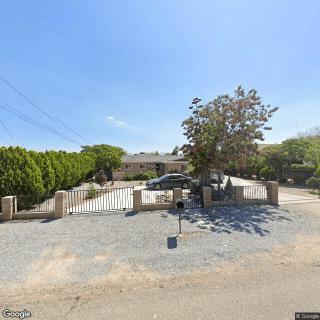
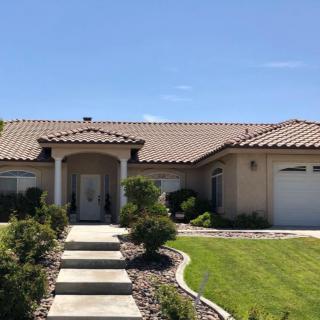
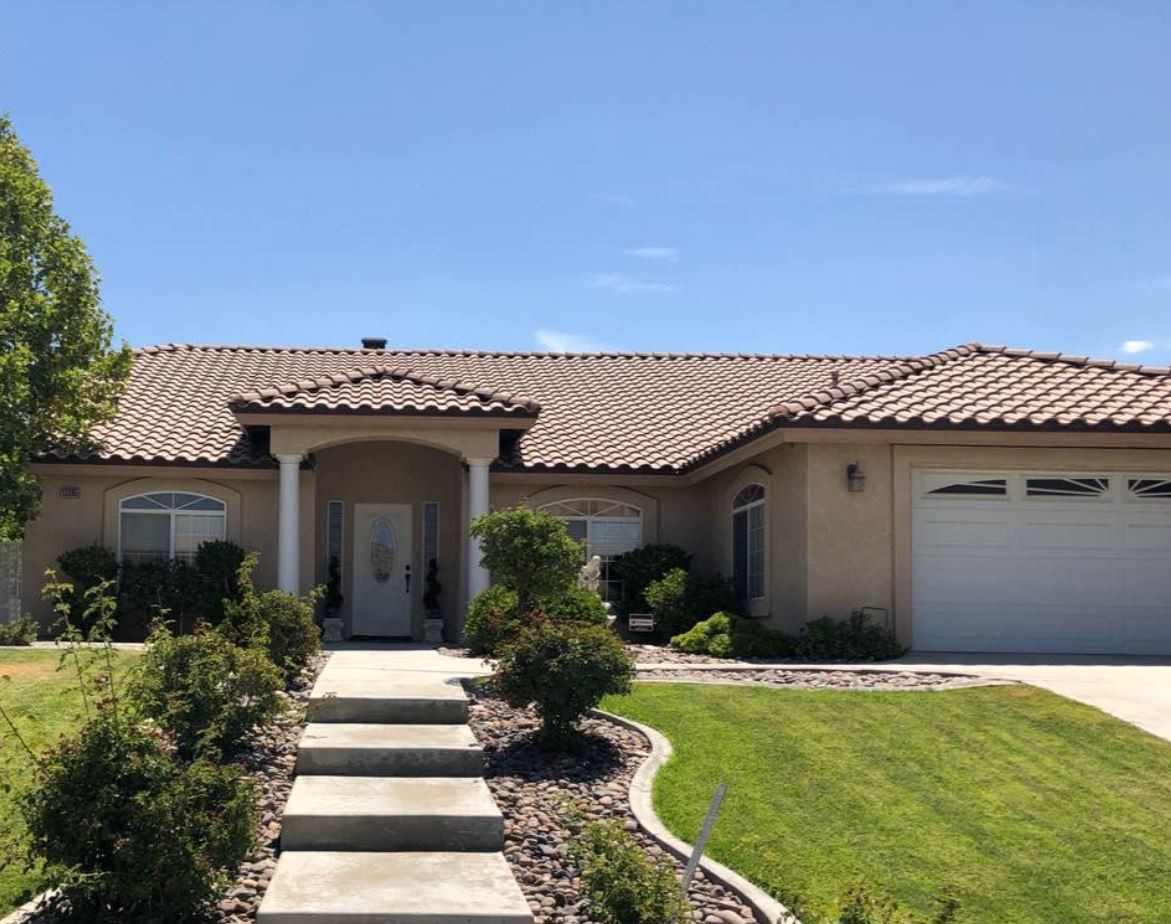
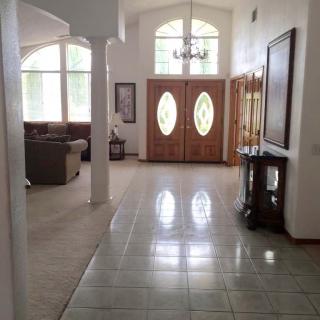
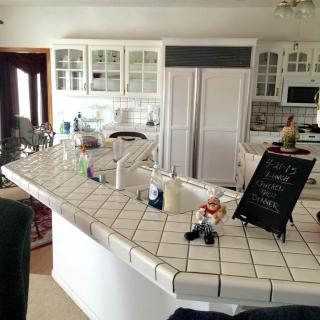
Chantilly Lace Manor in Hesperia, CA is a charming and inviting board and care home that provides professional and personalized care for seniors. The community offers a range of amenities to ensure residents feel comfortable and at home.

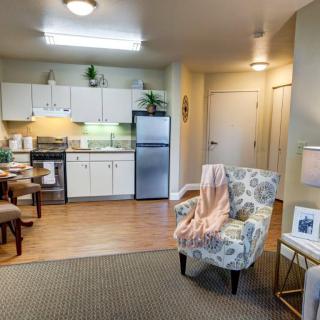
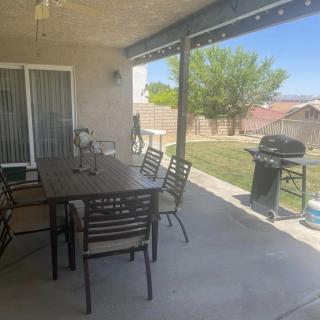
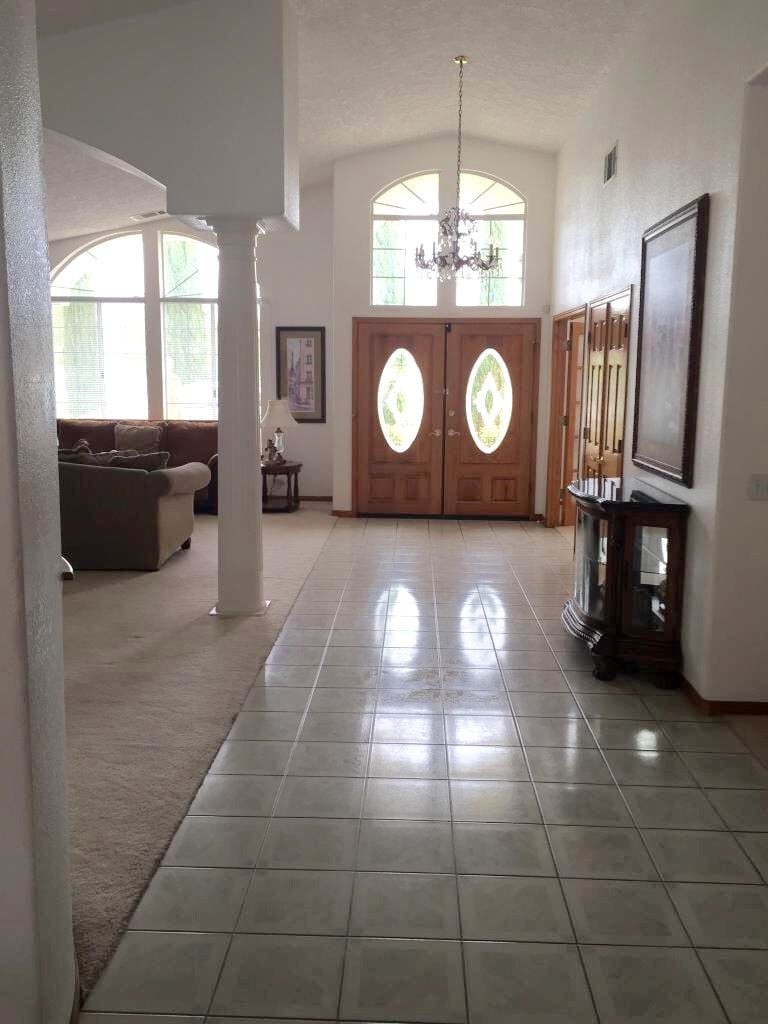
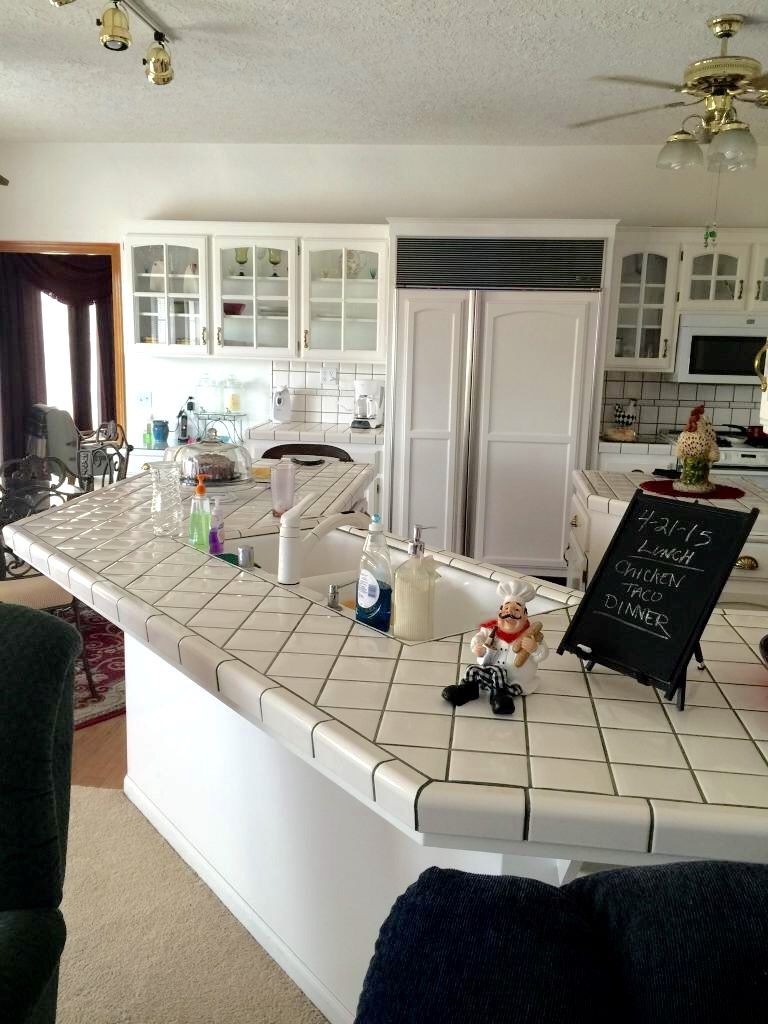
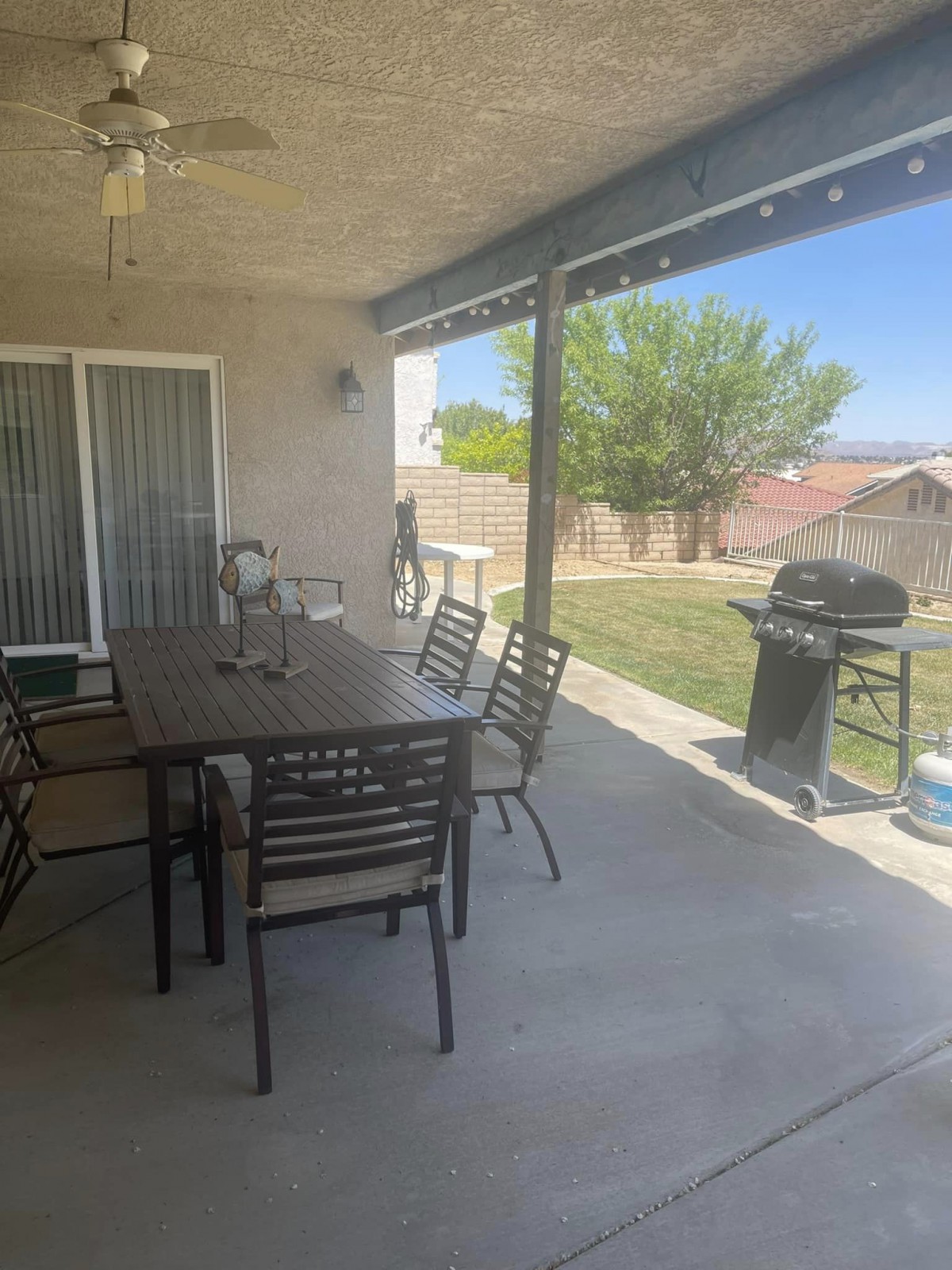
The dining room is spacious and provides a welcoming atmosphere for residents to enjoy their meals. The fully furnished rooms are thoughtfully designed with the needs of seniors in mind, providing all the necessary comforts. The beautiful garden allows residents to relax outdoors and enjoy the fresh air.

Housekeeping services are provided to ensure that the community remains clean and tidy at all times. Move-in coordination is available to assist new residents with a smooth transition into their new home. Wi-Fi/high-speed internet is accessible throughout the community, allowing residents to stay connected with friends and family.

At Chantilly Lace Manor, caring staff members are available to provide assistance with various activities of daily living including bathing, dressing, and transfers. They also coordinate with healthcare providers to ensure that each resident receives appropriate medical care. Special dietary restrictions, such as diabetes diets, are accommodated during meal preparation and service.

Transportation arrangement for medical appointments is available to provide convenience for residents who require regular doctor visits. Additionally, there are several nearby cafes, parks, pharmacies, physicians' offices, restaurants, and theaters for residents to explore and enjoy.

To promote an active lifestyle among residents, Chantilly Lace Manor offers scheduled daily activities that cater to different interests and preferences. These activities aim to engage residents socially while keeping them physically active.

Overall, Chantilly Lace Manor provides a comfortable and caring environment where seniors can receive personalized assistance while maintaining their independence.

Nearby Places of Interest

Cafes

  • Mile High Cafe (1.8 miles)
  • Molly Brown's Country Cafe (3.2 miles)
  • Starbucks (6.6 miles)
  • Starbucks (7.1 miles)
  • Dutch Bros Coffee (7.1 miles)
  • Panera Bread (7.2 miles)

Pharmacies

  • Rite Aid (2.3 miles)
  • Rite Aid (4.1 miles)
  • Walgreens (4.2 miles)
  • The CBD Store & Organics (4.8 miles)
  • CVS Pharmacy (5.9 miles)
  • Walgreens (5.9 miles)
  • CVS Pharmacy (6 miles)

Physicians

  • Westcliff Medical Labs (2.4 miles)
  • La Salle Pediatrics (3.1 miles)
  • El-Hajjaoui Ziad R MD - El-Hajjaoui Ziad Md (4 miles)
  • Friendly Medical Center (4.2 miles)
  • Salwan, Arvind Dr - Arvind Salwan (4.3 miles)
  • Dr Aparna A. Sharma, MD (4.3 miles)
  • High Desert Eye Center (6 miles)

Parks

  • Lime Street Park (2.5 miles)
  • Hesperia Civic Plaza Park (3.9 miles)
  • Sunset Ridge Park (8.1 miles)

Restaurants

  • Del Taco (3.8 miles)
  • El Pollo Loco (5.2 miles)
  • Denny's (5.9 miles)
  • In-N-Out Burger (6 miles)
  • Jack In The Box (6 miles)
  • Panda Express (6.1 miles)
  • Linko Sushi (6.2 miles)

Theaters

  • Hesperia Cinema 12 (3.9 miles)
  • Cinemark Jess Ranch (5.8 miles)

Hospitals

  • Loma Linda University Neurosurgery (5.8 miles)
  • DVMG. Mammography (6.2 miles)

Frequently Asked Questions

Where is Chantilly Lace Manor?
What photos are available for Chantilly Lace Manor in Hesperia, California?

Nearby Communities

  • Cherry & Pine Garden Home Care

    Cherry & Pine Garden Home Care

    Hesperia, CA

    5 from 3 reviews
     

    pro Personalized care with 24-hour supervision, engaging daily activities, and garden/outdoor spaces.

  • Chantilly Lace Manor III

    Chantilly Lace Manor III

    Hesperia, CA

    3.6 from 5 reviews
     

    pro Personalized care in a warm, fully furnished setting with 24-hour supervision and garden/outdoor space.

  • Chantilly Lace Manor III

    Chantilly Lace Manor III

    Hesperia, CA

    3.6 from 5 reviews
     

    pro Small, intimate 6-bed setting with 24-hour supervision and comprehensive daily living support.

  • Chantilly Lace Manor II

    Chantilly Lace Manor II

    Hesperia, CA

    3.6 from 5 reviews
     

    pro Small, personalized board-and-care with 24/7 supervision and diabetes-friendly meals.

  • Senior Care Choices

    Senior Care Choices

    Hesperia, CA

    5 from 7 reviews
    $2,500 to $3,200 / month

    pro Competitive pricing with private rooms and memory care; comprehensive incontinence care; nearby amenities.

  • Foremost Senior Campus

    Foremost Senior Campus

    Hesperia, CA

    4.1 from 26 reviews
    $725 to $3,000 / month

    pro Clean, inviting atmosphere with friendly staff and engaging activities.

  • Whispering Winds Of Apple Valley

    Whispering Winds Of Apple Valley

    Apple Valley, CA

    4.6 from 70 reviews
     

    pro Friendly, attentive staff; clean, well-maintained apartments with engaging activities.

  • Sterling Inn

    Sterling Inn

    Victorville, CA

    4.7 from 123 reviews
    $2,700 to $5,500 / month

    pro Friendly, attentive staff with engaging activities in a clean, welcoming setting.

  • Solstice Senior Living At Apple Valley

    Solstice Senior Living At Apple Valley

    Apple Valley, CA

    4.5 from 205 reviews
    $2,336 to $4,195 / month

    pro Friendly, attentive staff; clean, well-maintained environment; spacious apartments and good dining with engaging activities.

Related Resources

  • independent living vs assisted livingExploring the Path to Senior Living: A Comprehensive Look at Independent Living and Assisted Living

    The article examines senior housing options, detailing the distinctions between independent living and assisted living, along with the emerging "independent assisted living" model that blends both approaches. It highlights the importance of assessing individual needs, preferences, and financial factors in making informed decisions about suitable living arrangements for seniors.

  • is assisted living tax deductibleIs Assisted Living Deductible on Your Taxes? Understanding the Complexities of Assisted Living Expenses and Deductions

    The deductibility of assisted living expenses on taxes hinges on factors like the individual's medical condition and service nature, typically requiring the resident to be "chronically ill" per IRS definitions. Taxpayers may deduct eligible medical expenses related to personal care services but generally not rent unless primarily for medical care, and they should maintain thorough documentation to support claims while considering itemizing versus standard deductions.

  • va benefits for assisted livingAssisted Living Support for Veterans: A Complete and Detailed Overview
    The guide highlights the importance of assisted living facilities for aging veterans needing daily support, discusses unique challenges they face, and outlines available financial assistance from the VA, including the Aid and Attendance program. It emphasizes understanding eligibility criteria and navigating the VA system to access necessary benefits effectively.