Carmel Care Home offers competitive pricing in comparison to both San Bernardino County and the broader California market. For a semi-private room, residents can expect to pay $2,500 per month, which is notably lower than the county average of $2,958 and well below the state average of $3,333. The cost for a one-bedroom unit at Carmel Care Home is also attractive at $3,000; this rate is more affordable than the county's average of $3,548 and significantly less than the state's average of $4,340. Private rooms at Carmel are priced similarly to those in the county at $3,000 but still offer significant savings compared to California's statewide average of $3,939. Overall, Carmel Care Home presents a valuable option for those seeking quality care without compromising their budget.
Floor plans
Carmel Care Home
San Bernardino County
California
Semi-Private
$2,500
$2,958
$3,333
1 Bedroom
$3,000
$3,548
$4,340
Private
$3,000
$3,561
$3,939
Memory care communities with a similar price nearby
Residents and families repeatedly describe the home as clean, tidy, and welcoming.
Multiple reviews emphasize how clean the home feels day to day, including comments about it being spotless and well maintained. Several families also describe a home-like atmosphere, with spaces such as patios/gardens and areas for residents to gather. Even when families mention difficult end-of-life moments, they still highlight the cleanliness and comfort of the setting.
common34 reviews mention this
Staff feel receptive and communicative
Families consistently say the staff are attentive, patient, and quick to respond.
A common thread is how responsive the staff are to concerns, with reviewers describing regular updates and willingness to address issues. Many reviews mention the owners and caregivers as engaged with residents and accommodating to family members. Across respite, longer stays, and end-of-life transitions, people describe feeling reassured because communication and follow-through were steady.
differentiator8 reviews mention this
Memory care is a key fit
Reviews highlight support for dementia and Alzheimer’s needs in a home-like setting.
Several families describe choosing Carmel Care Home after memory-related needs increased, including dementia and Alzheimer’s. Reviews specifically connect that decision to feeling that their loved one was understood and cared for with patience during difficult days. Some comments also mention the home setting as comforting as conditions worsened, reinforcing why families felt the move matched their care needs.
common9 reviews mention this
Meals are a frequent positive
Residents’ meals and snacks come up often, with families praising quality and fit.
Many reviews mention that residents enjoyed the food and that meals were prepared to meet individual preferences. A few families describe hands-on adjustments, such as making meals work even when someone had swallowing or eating challenges. Others also connect dining to nutrition and appetite, saying the kitchen helped support comfort and daily routines.
differentiator6 reviews mention this
Transitions to care feel well handled
Families describe smooth moves and supportive help during transitions.
Reviews frequently describe moving in as an easier process, with owners and staff helping make the transition comfortable. Families also mention ongoing support around care changes, including hospice involvement and the comfort of their loved ones during later stages. Even when describing stressful circumstances, reviewers point back to clear communication and follow-through during those key moments.
How we summarize
Counts show how many written reviews mention each theme; a review can touch several themes, and only frequently mentioned themes are displayed.
Features
Housing
6 resident community capacity
Studio apartments
Types of Care
Assisted Living
Board and Care Home
Memory Care
Amenities
Activities off-site
Activities on-site
Bath tubs
Cable or satellite TV
Devotional services off-site
Devotional services on-site
Dining room
Fully furnished
Garden
Housekeeping services
Indoor common areas
Move-in coordination
Outdoor common areas
Outdoor space
Private
Respite or short term stays offered
Telephone
Wheelchair accessible showers
Wi-Fi/high-speed internet available
Care Services
24-hour supervision
Activities of daily living assistance
Assistance with bathing
Assistance with dressing
Assistance with transfers
Coordination with health care providers
Diabetes diet
Diabetic care
Incontinence care
Meal preparation and service
Medication management
Special dietary restrictions
Transportation arrangement (medical)
Transportation to doctors appointments
Dining
Diabetes diet
Kosher
Meals provided
Special dietary restrictions
Vegetarian
Activities
Activities off-site
Activities on-site
Community-sponsored activities
Devotional activities offsite
Devotional activities on-site
Scheduled daily activities
Nearby Places of Interest
This part of Hesperia, California offers convenient access to essential services such as pharmacies including CVS and Walgreens, as well as reputable physicians like Zand Maryann MD and Heritage Urgent Care. The area also features a variety of dining options ranging from fast food chains like In-N-Out Burger and McDonald's to sit-down restaurants like Pho Kobe and Panera Bread. For medical emergencies, there are hospitals within a short distance such as DVMG Mammography and Loma Linda University Neurosurgery. Additionally, seniors can enjoy leisurely activities at nearby parks like Doris Davies Park and Mojave Narrows Regional Park, or catch a movie at Hesperia Cinema 12 or Cinemark Jess Ranch. Overall, this part of Hesperia provides convenience, healthcare access, dining options, and recreational opportunities for older adults considering senior living in the area.
Carmel Care Home offers competitive pricing in comparison to both San Bernardino County and the broader California market. For a semi-private room, residents can expect to pay $2,500 per month, which is notably lower than the county average of $2,958 and well below the state average of $3,333. The cost for a one-bedroom unit at Carmel Care Home is also attractive at $3,000; this rate is more affordable than the county's average of $3,548 and significantly less than the state's average of $4,340. Private rooms at Carmel are priced similarly to those in the county at $3,000 but still offer significant savings compared to California's statewide average of $3,939. Overall, Carmel Care Home presents a valuable option for those seeking quality care without compromising their budget.
Carmel Care Home offers a range of features designed to support residents with dementia or Alzheimer's disease, fostering both their physical well-being and emotional security. Assistance with dressing helps residents maintain a sense of dignity and independence, while medication management ensures that vital prescriptions are adhered to, mitigating potential health risks. Meal preparation and service provide balanced nutrition tailored to individual dietary needs, promoting overall health. Transportation arrangements for medical appointments facilitate access to healthcare services, complemented by coordination with healthcare providers which ensures continuity of care. Support for activities of daily living--including bathing and transfers--enables residents to engage in essential routines safely. With 24-hour supervision and incontinence care available, staff can promptly address resident needs, enhancing comfort and reducing anxiety throughout the day. Each of these features works synergistically to create a nurturing environment that prioritizes the unique requirements of individuals living with cognitive impairments.
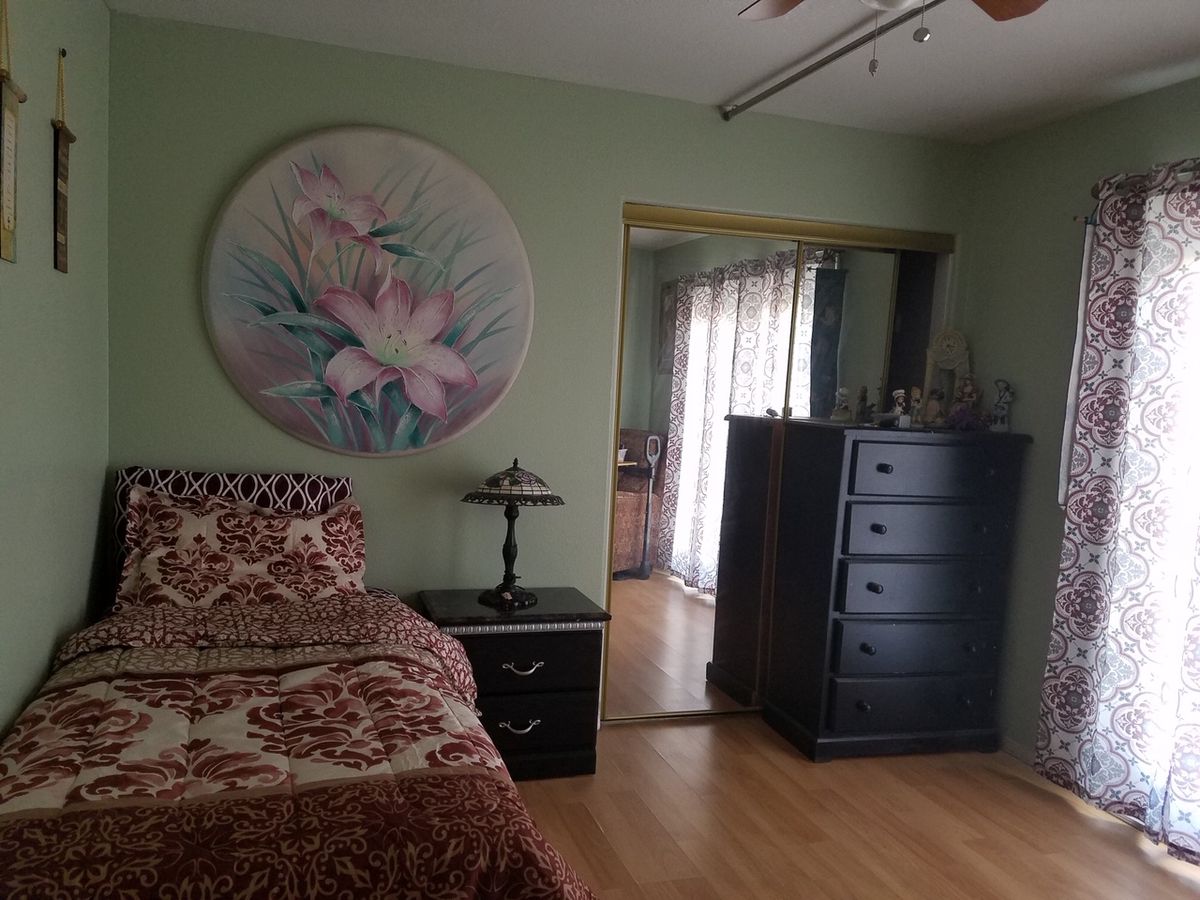
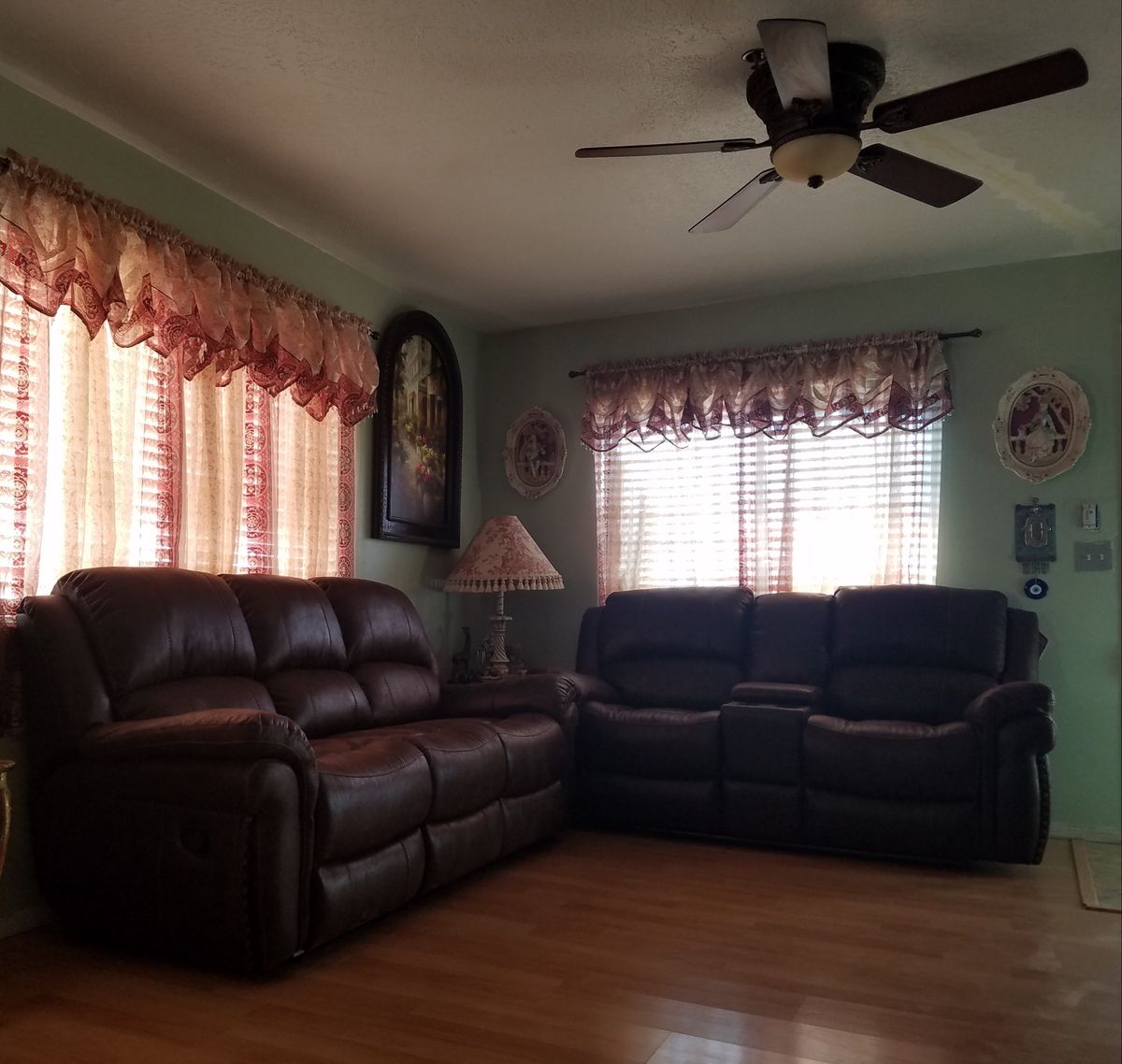
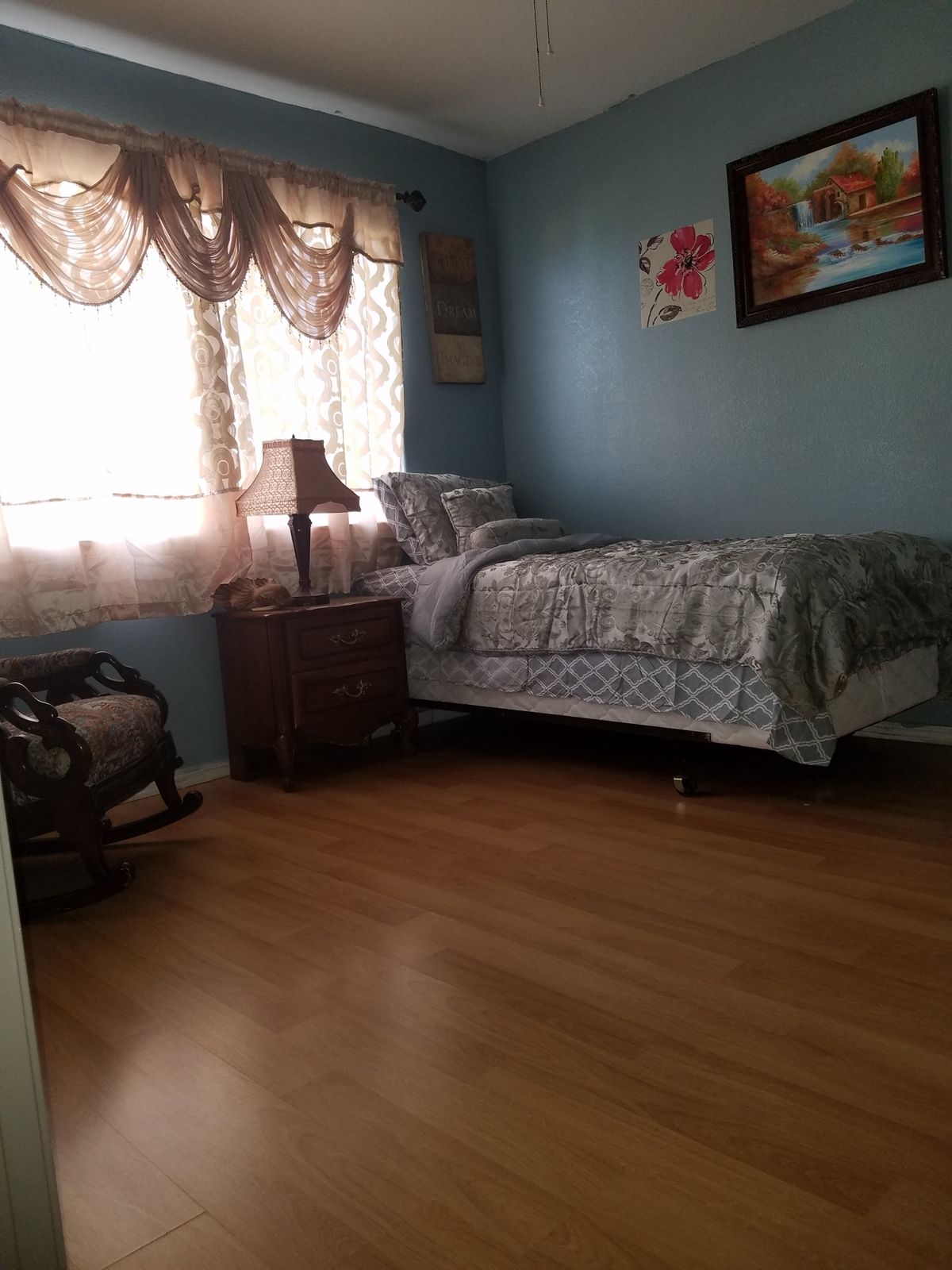
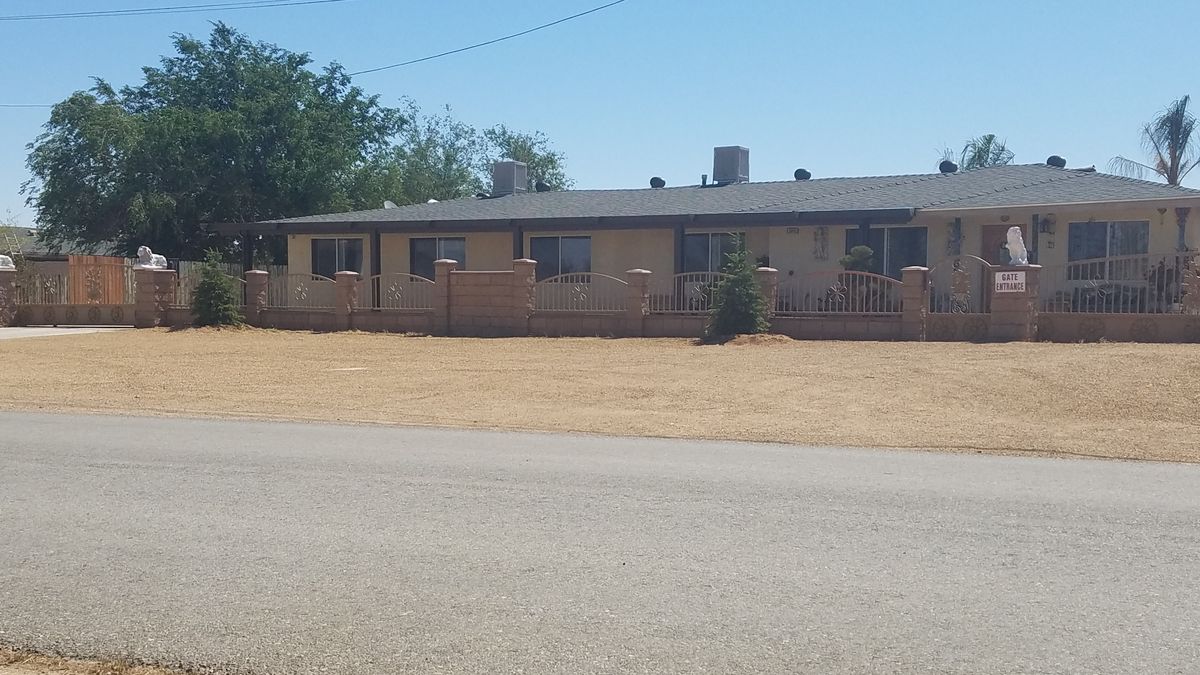
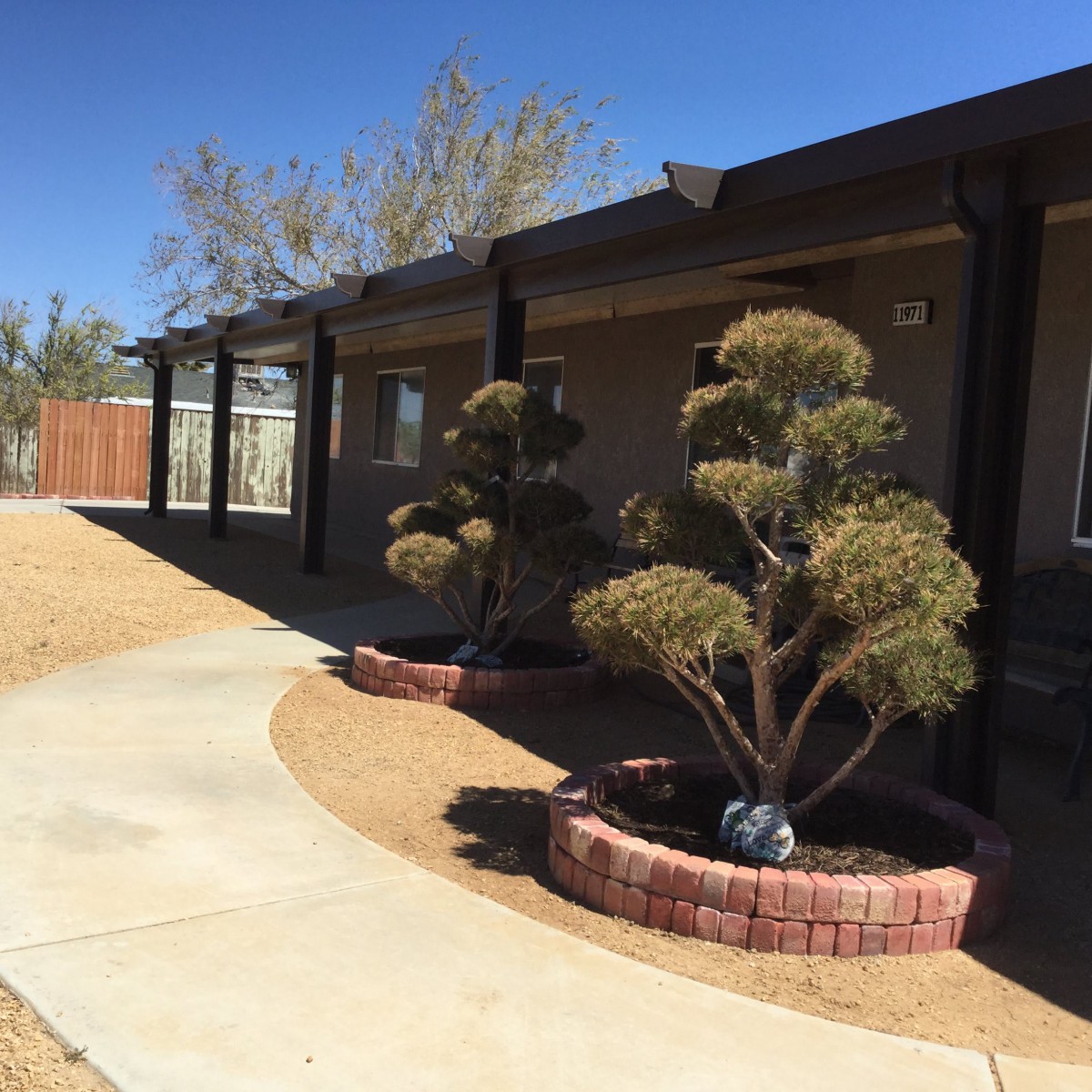
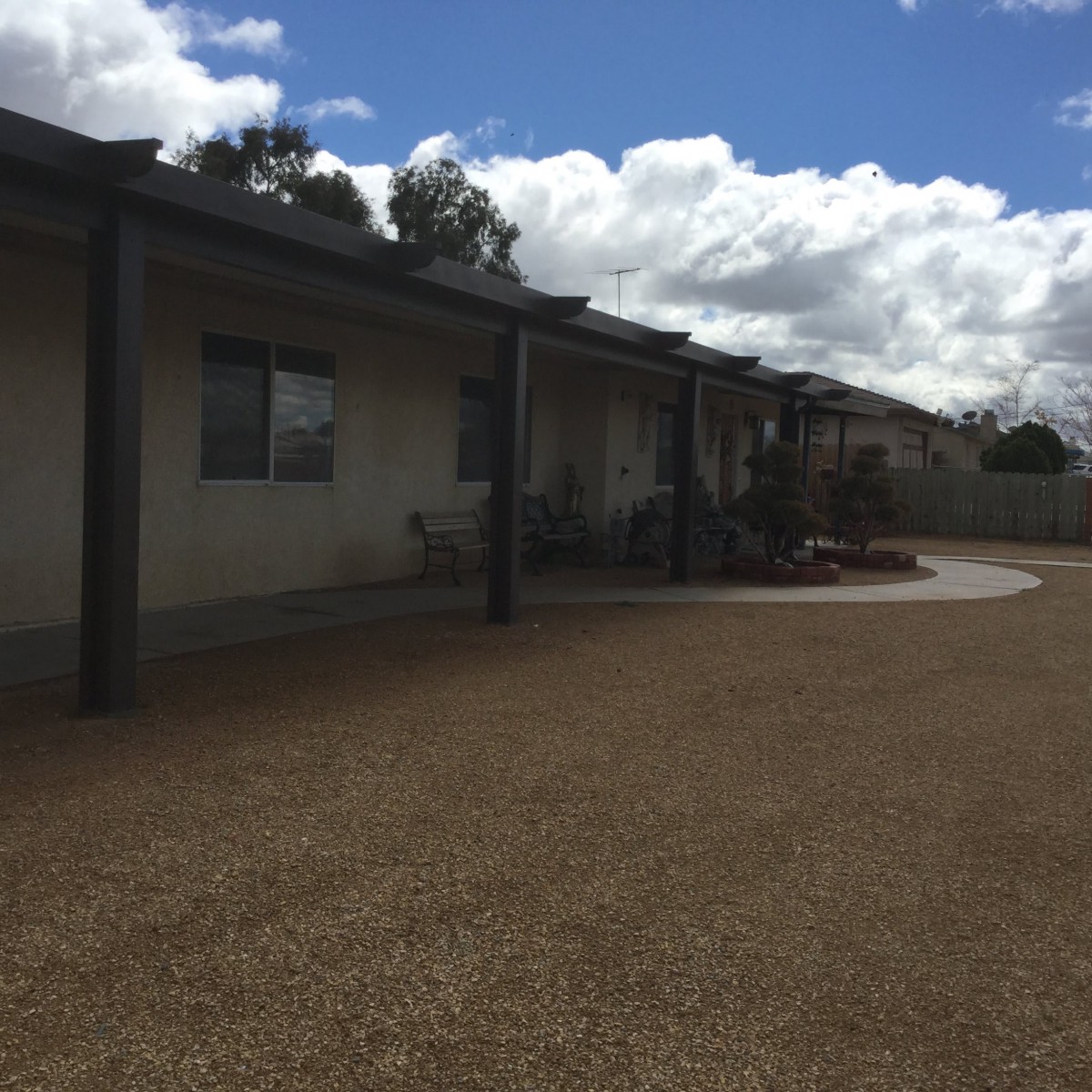
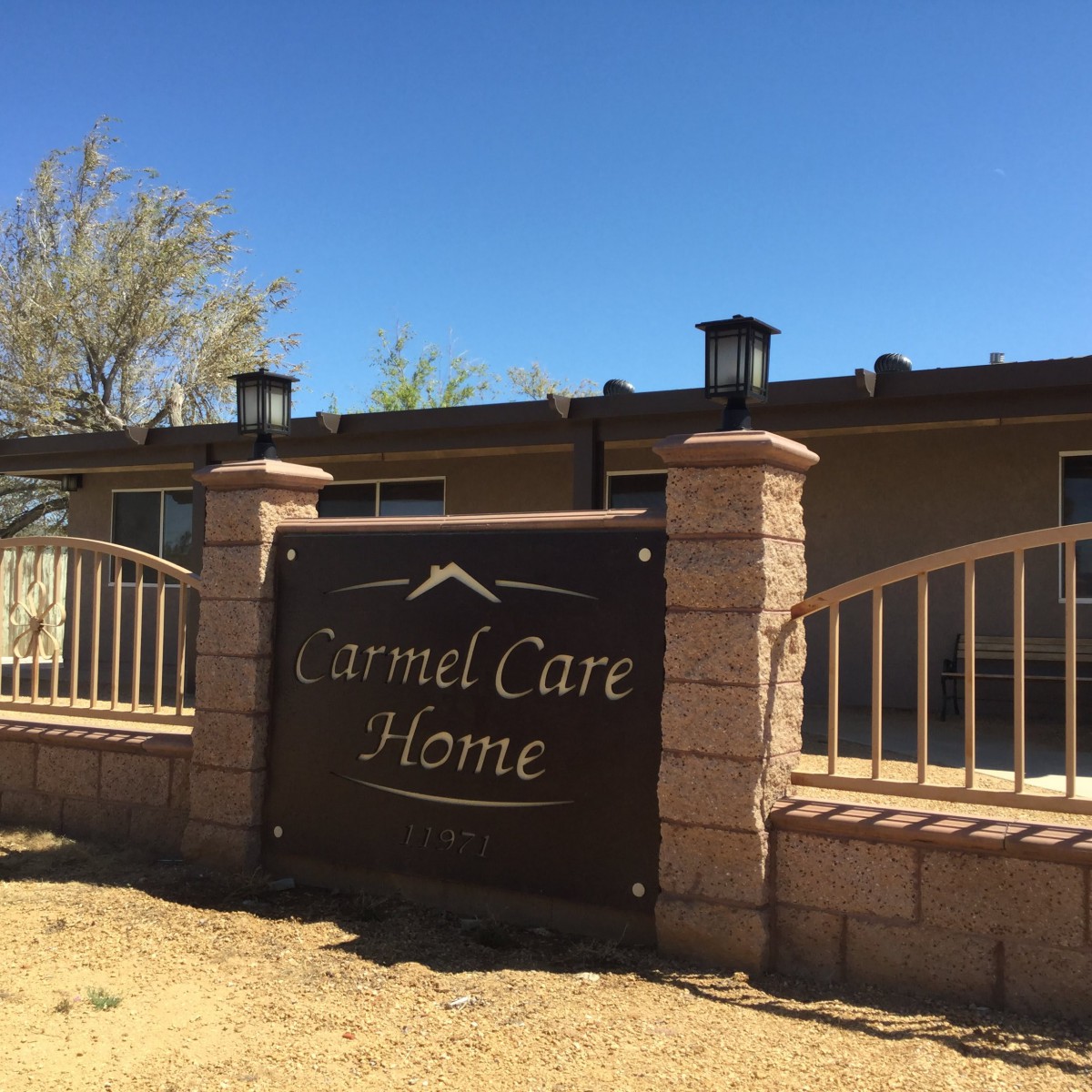
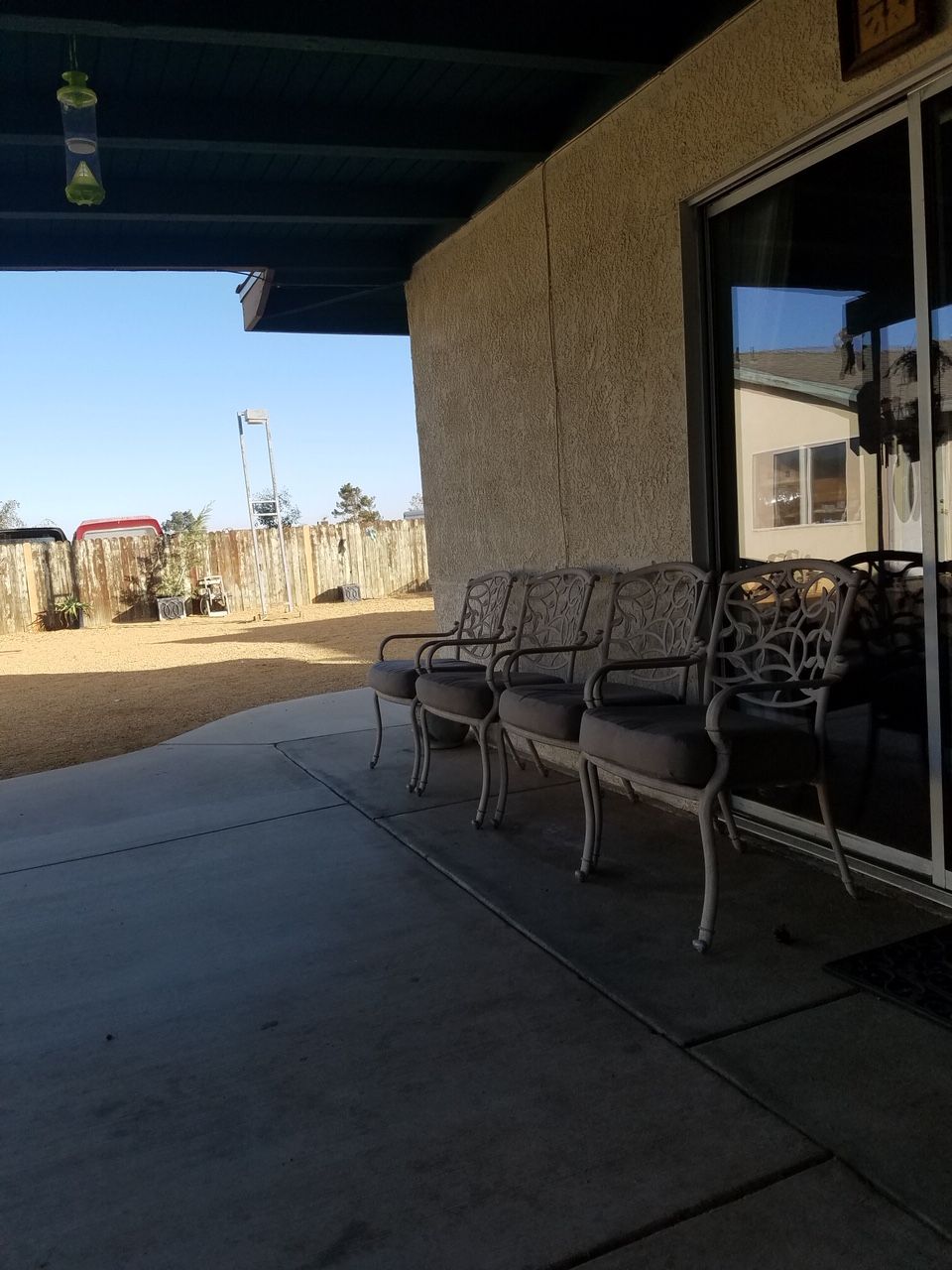
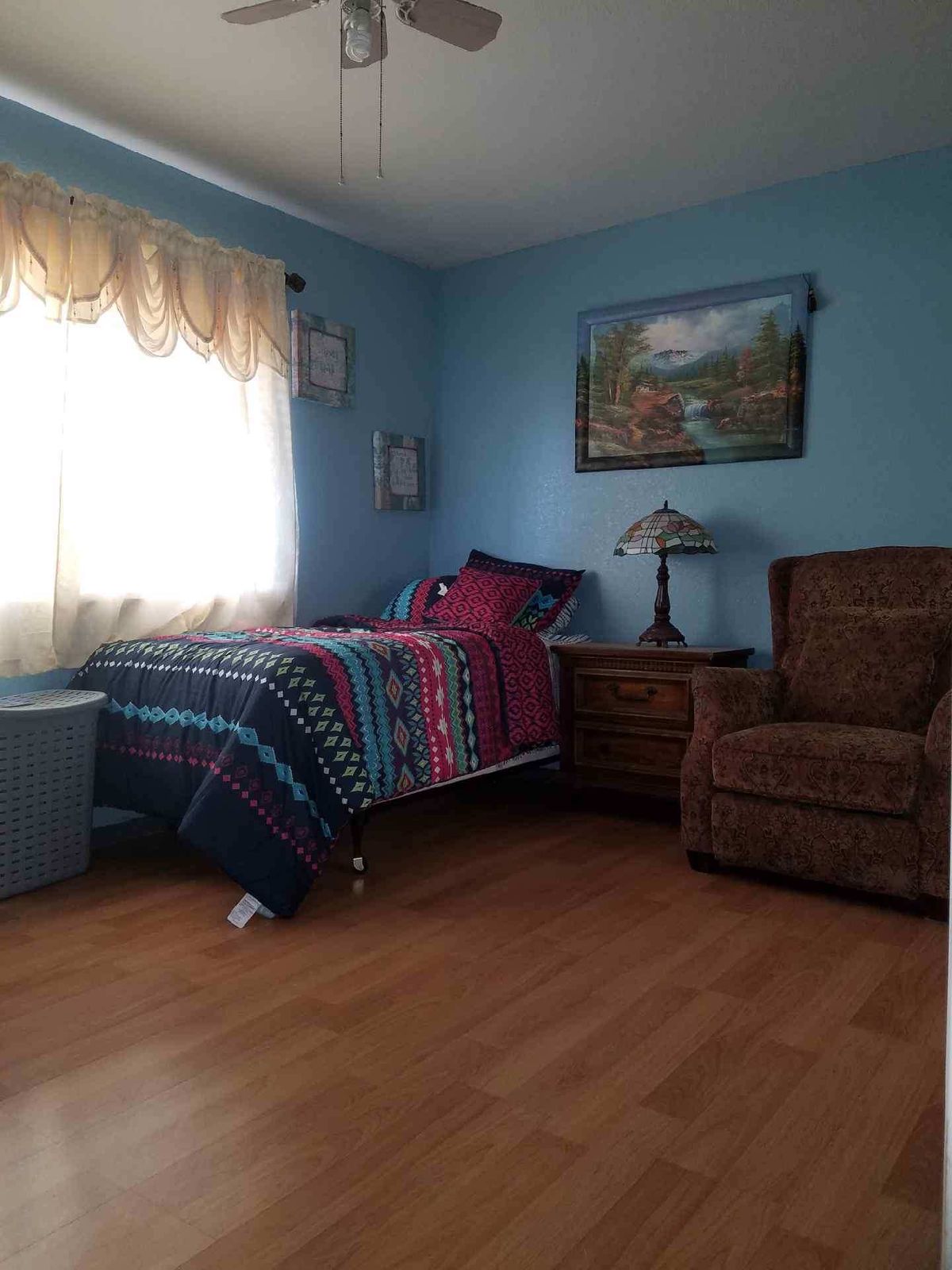
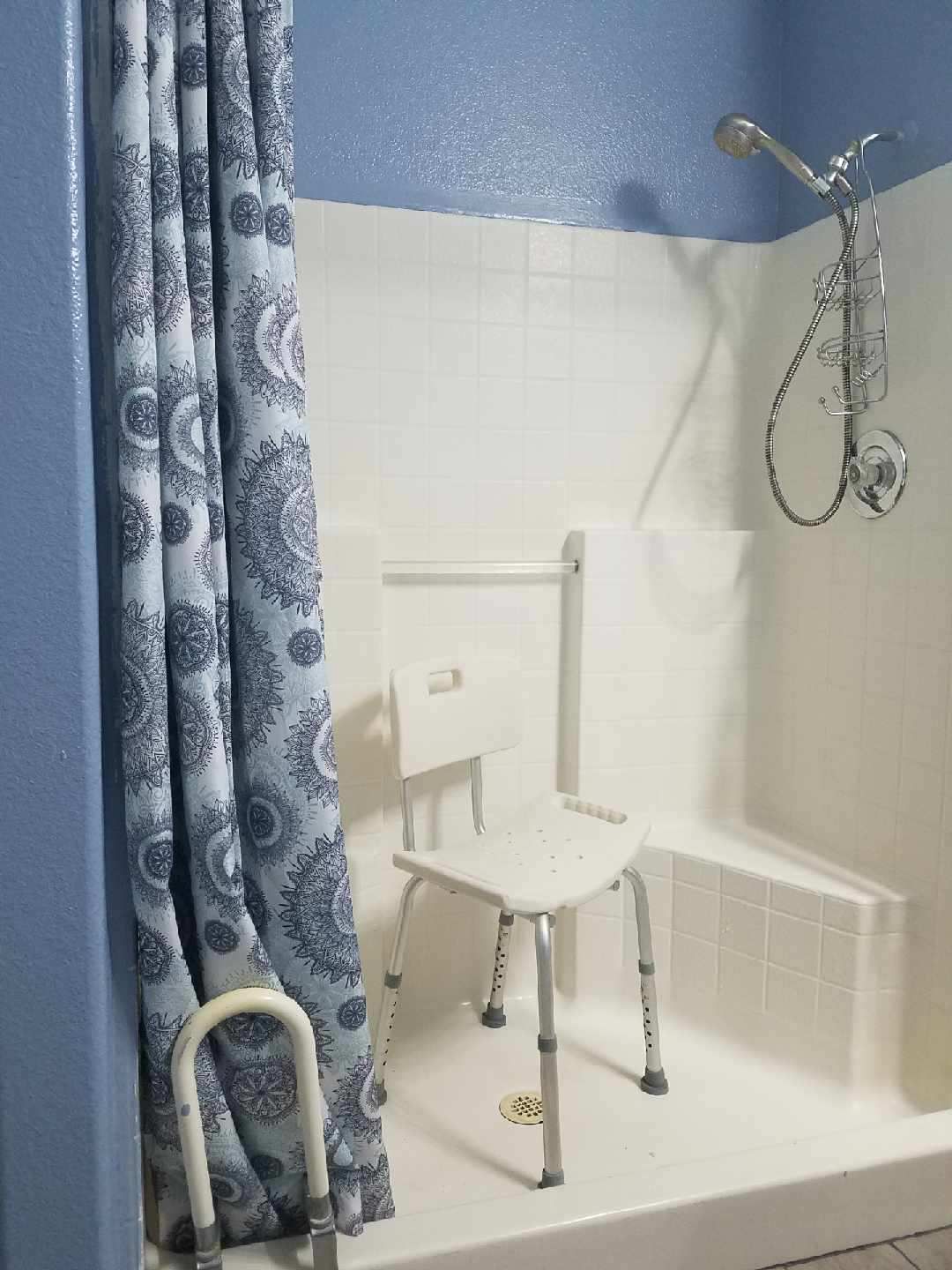
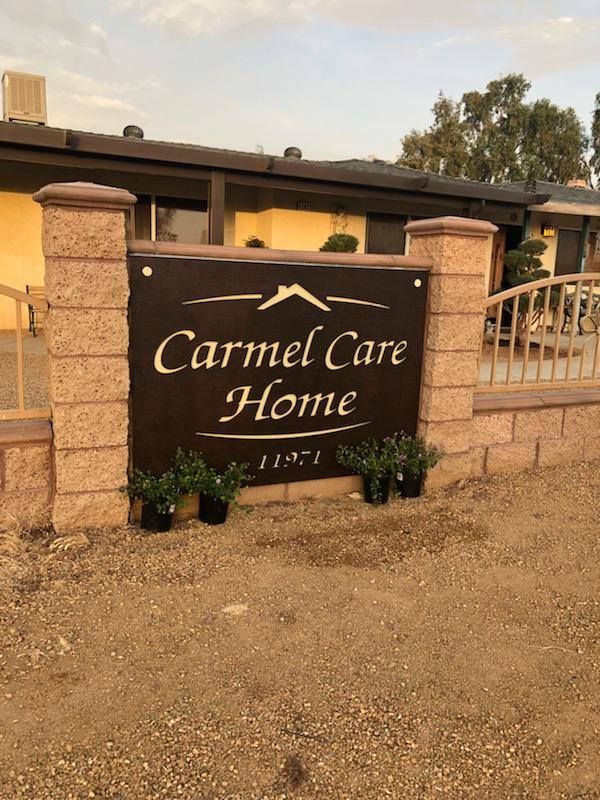
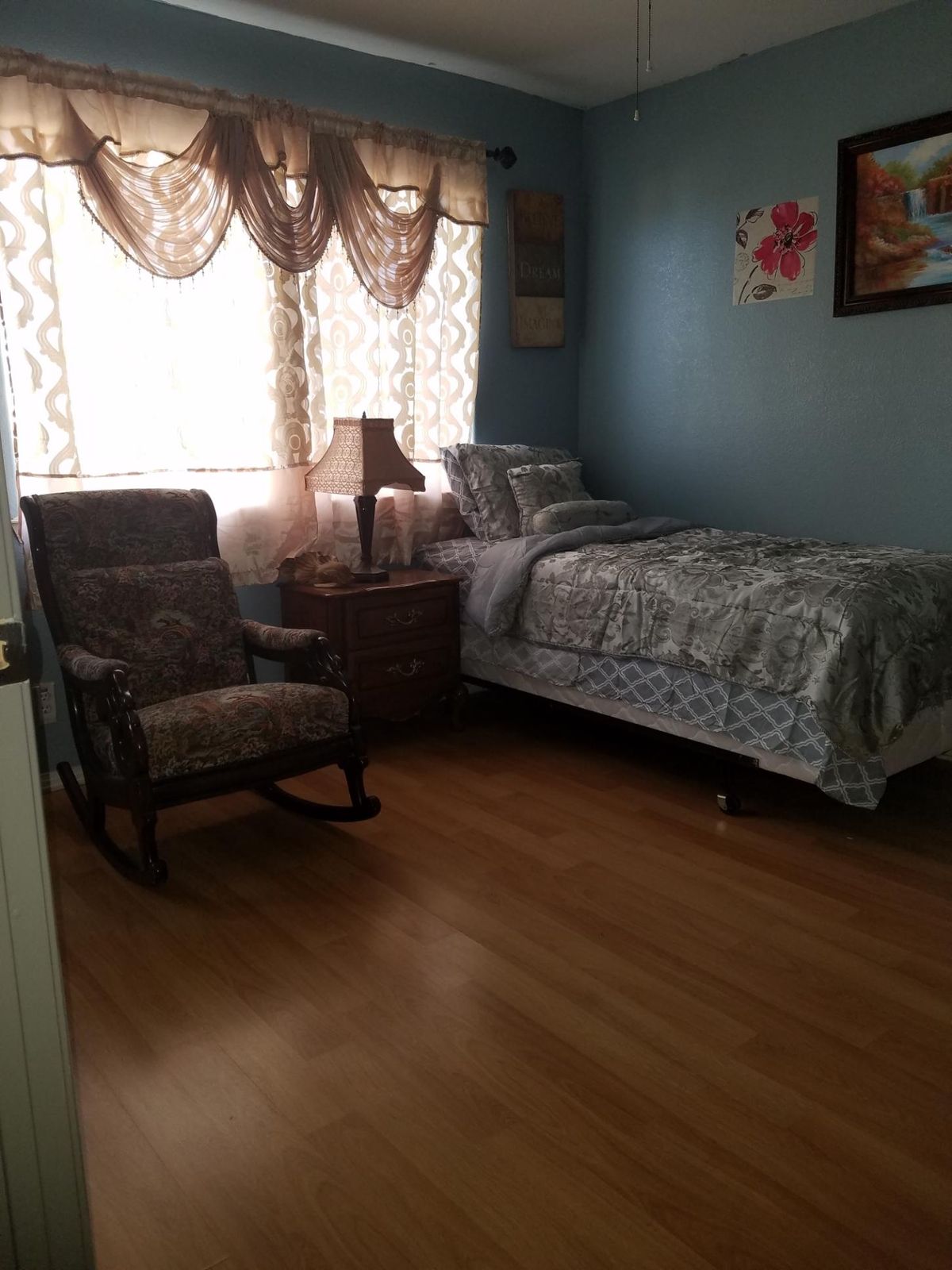
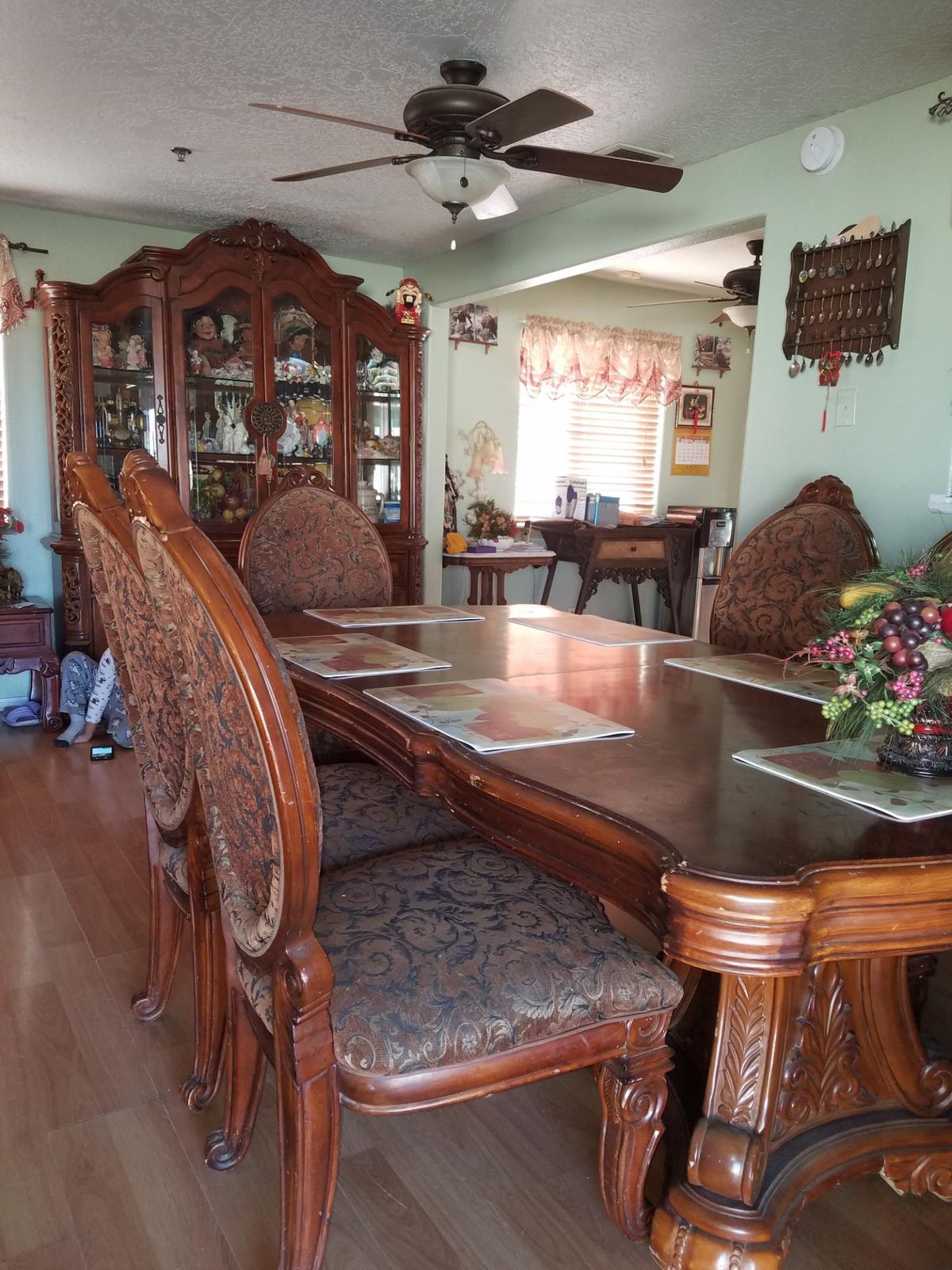
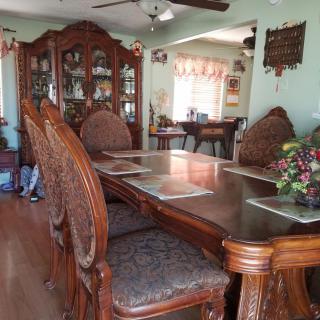
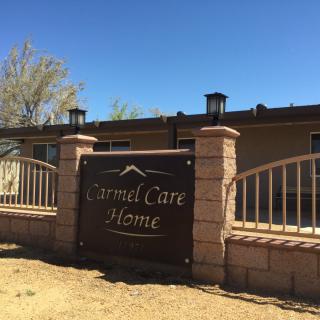
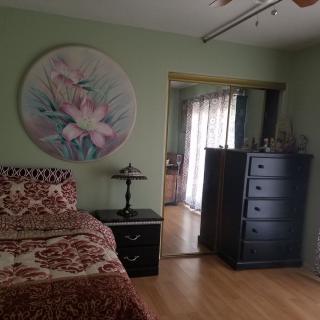
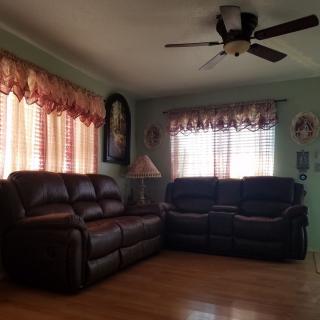
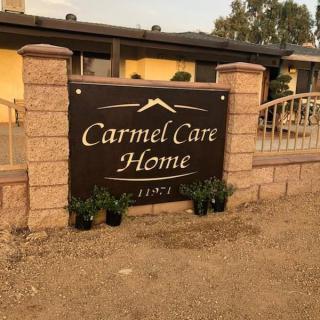
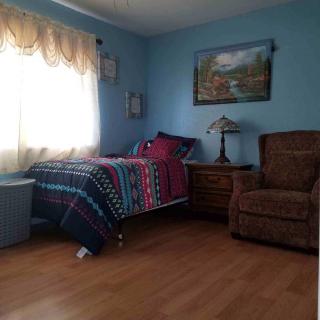
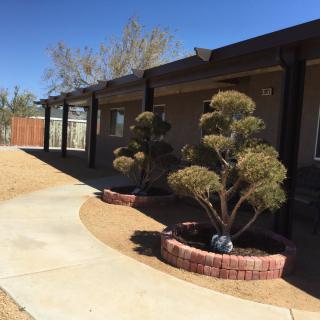
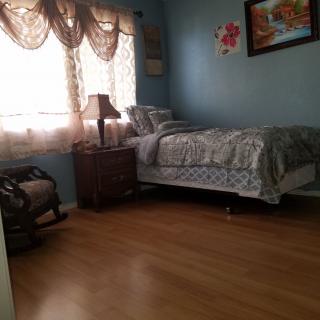
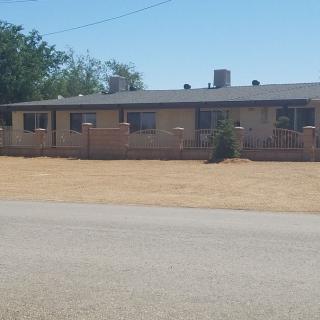
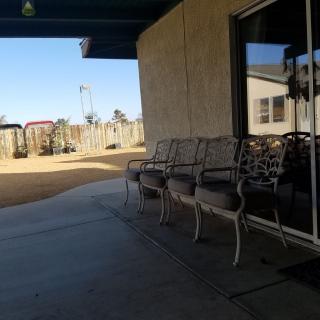
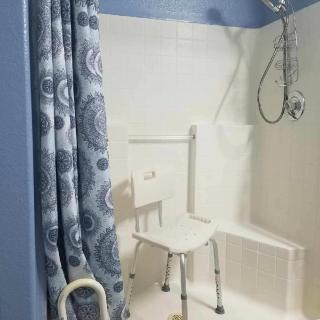
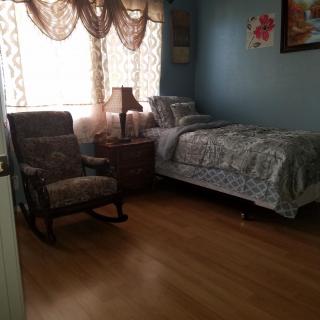
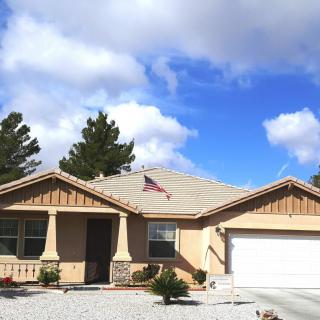
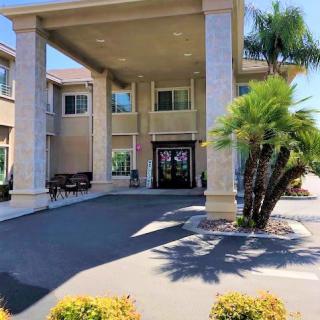
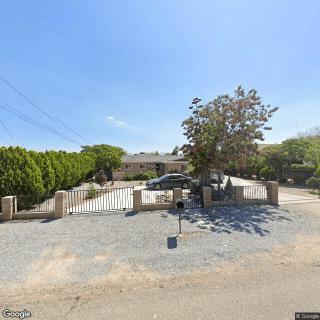
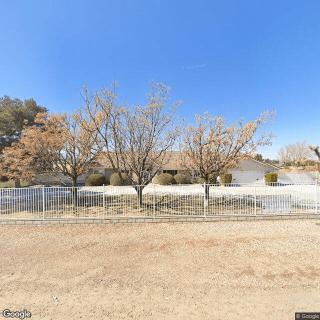
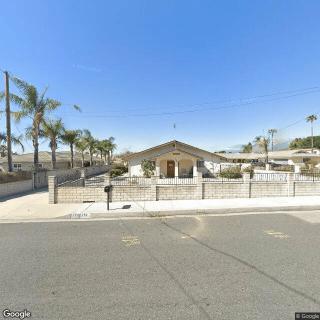
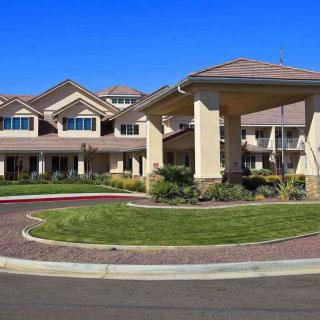
Carmel Care Home on seniors.fyi includes 14 photos including images showing bedroom, outdoor, windows, decor, landscaping, building, rocking chairs, wall art, and more.
Nearby Communities
Mission Of Love II
Hesperia, CA
5 from 2 reviews
24/7 supervision with ADL support and diabetes-friendly dining.
LLUMC Home Hlth & Hospice
Hesperia, CA
Peaceful setting with comprehensive care and healthcare support.
Della Guest Home
Victorville, CA
5 from 1 review
Cozy small community with on-site care, diabetes-friendly dining, and engaging activities.
Golden Years Elderly Care
Victorville, CA
5 from 5 reviews
Home-like, clean setting with compassionate caregivers and personalized, homemade meals.
Seegal Residential Care
Victorville, CA
4.3 from 3 reviews
$2,000 to $3,500 / month
Welcoming, clean, and affordable with friendly staff.
Victorville Cottage
Victorville, CA
5 from 1 review
Sterling Inn
Victorville, CA
4.7 from 123 reviews
$2,700 to $5,500 / month
Friendly, attentive staff with engaging activities in a clean, welcoming setting.
Whispering Winds Of Apple Valley
Apple Valley, CA
4.6 from 75 reviews
Friendly, attentive staff; clean, well-maintained apartments with engaging activities.
Solstice Senior Living At Apple Valley
Apple Valley, CA
4.5 from 211 reviews
$2,336 to $4,195 / month
Friendly, attentive staff; clean, well-maintained environment; spacious apartments and good dining with engaging activities.
Alzheimer’s disease is a progressive neurological disorder that significantly impacts memory and cognitive functions, accounting for 60-80% of dementia cases, with early diagnosis being crucial yet challenging. It involves brain changes like beta-amyloid plaques and tau tangles, influenced by genetic and lifestyle factors, and while there is no cure, symptom management and support for caregivers are essential.
Dementia, influenced by aging and certain medications, may be exacerbated by drug classes such as anticholinergics, benzodiazepines, and antipsychotics, which are associated with cognitive impairment. Regular medication reviews by healthcare professionals are crucial for older adults to manage risks and optimize cognitive health.
Dementia often results in disrupted sleep patterns, leading to excessive daytime sleeping due to factors like brain damage affecting circadian rhythms, medication side effects, and lack of structure in daily activities. Caregivers must monitor these changes closely, as oversleeping can increase risks such as malnutrition or dehydration, and provide necessary support and routines to enhance patient engagement and well-being.
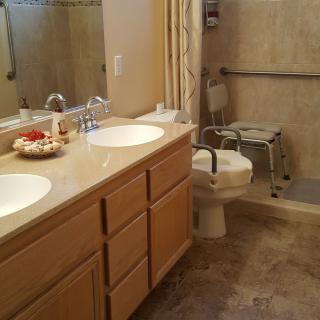
Bathroom, Shower, Grab Bars, Accessible, and Shower Chair
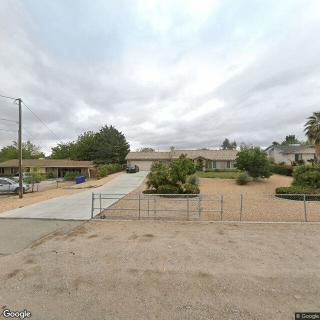
Trees, Pathway, and Shrubs
Artwork
Outdoor
Patio and Building Exterior
Outdoors and Fence
Wall Art and Rocking Chairs
Painting
Hardwood Floor
Brick and Single-story
Get PricingAsk A QuestionSchedule A TourContact Senior Advisor
By clicking submit, you agree to our Partner's Terms of Use. You
also consent to receive calls and texts, which may be autodialed, from our Partner. Your consent is not a condition to
using our Partner's service. Please visit our Partner's Privacy Policy for information about their privacy practices.

 6 resident community capacity
 Studio apartments
 Assisted Living
 Board and Care Home
 Memory Care
 Activities off-site
 Bath tubs
 Cable or satellite TV
 Devotional services off-site
 Dining room
 Fully furnished
 Garden
 Housekeeping services
 Indoor common areas
 Move-in coordination
 Outdoor common areas
 Private
 Respite or short term stays offered
 Telephone
 Wheelchair accessible showers
 Wi-Fi/high-speed internet available
 24-hour supervision
 Assistance with bathing
 Assistance with dressing
 Assistance with transfers
 Diabetes diet
 Diabetic care
 Incontinence care
 Meal preparation and service
 Medication management
 Special dietary restrictions
 Transportation arrangement (medical)
 Transportation to doctors appointments
 24/7 supervision with ADL support and diabetes-friendly dining.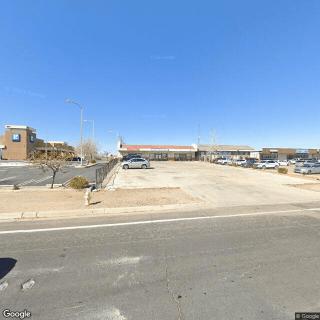
 Illuminating Insights About Alzheimer's Disease: Ten Crucial Realities
 A Thorough Discussion of Medications Potentially Linked to Dementia Risk
 Why Do Dementia Patients Sleep So Much? Understanding Oversleeping, Stages, and Care Approaches