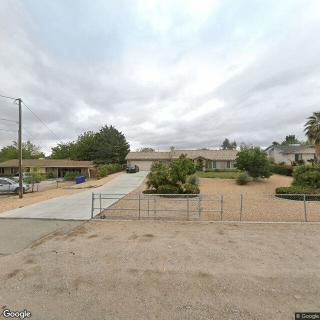
12772 Hawks Hill Street, Victorville, CA 92395
For more information about senior living options: (866) 208-4318
Overall Review of Golden Years Elderly Care
Pros
 Golden Years Elderly Care provides compassionate, 24-hour care with respect and love for residents.
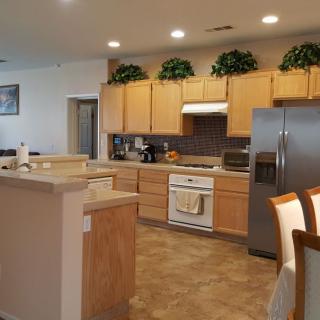
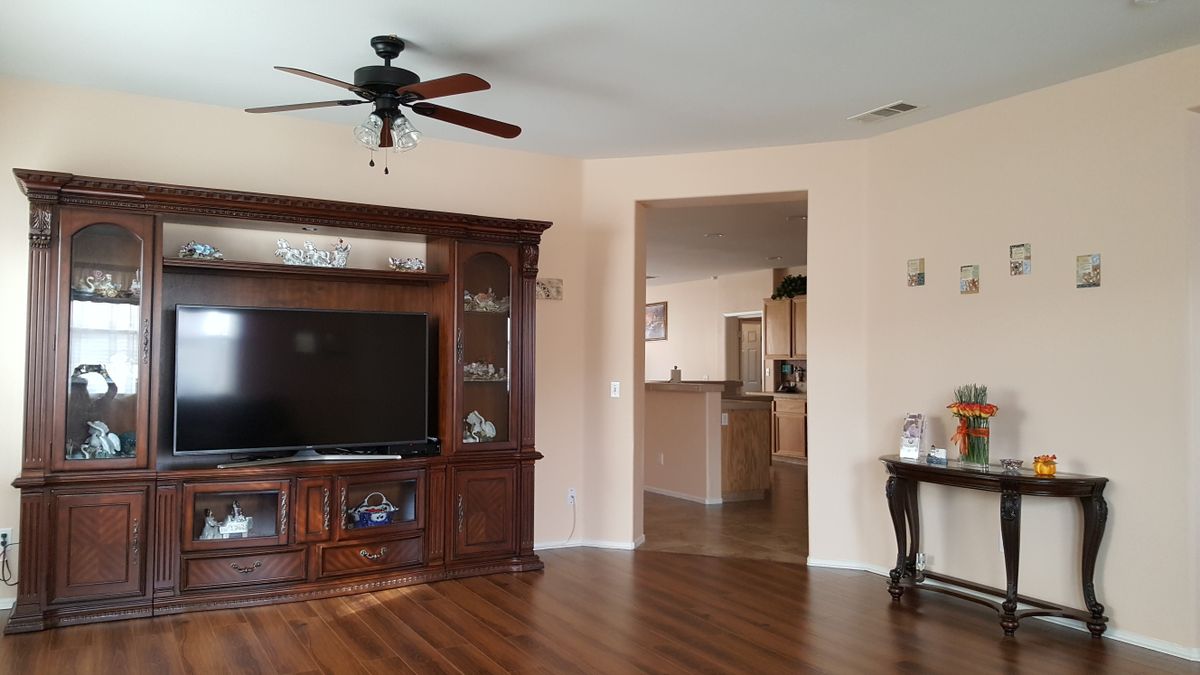
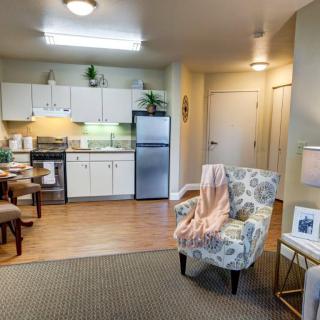
- The home environment is clean, calm, and offers the highest quality elderly care.
- The six-resident limit enables personalized attention to each resident.
- The husband-and-wife team cares for residents because they choose to do so out of love.
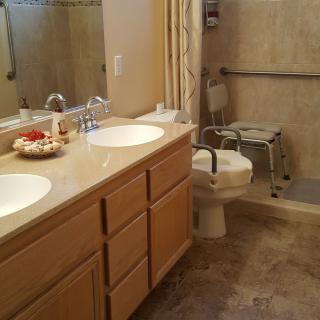
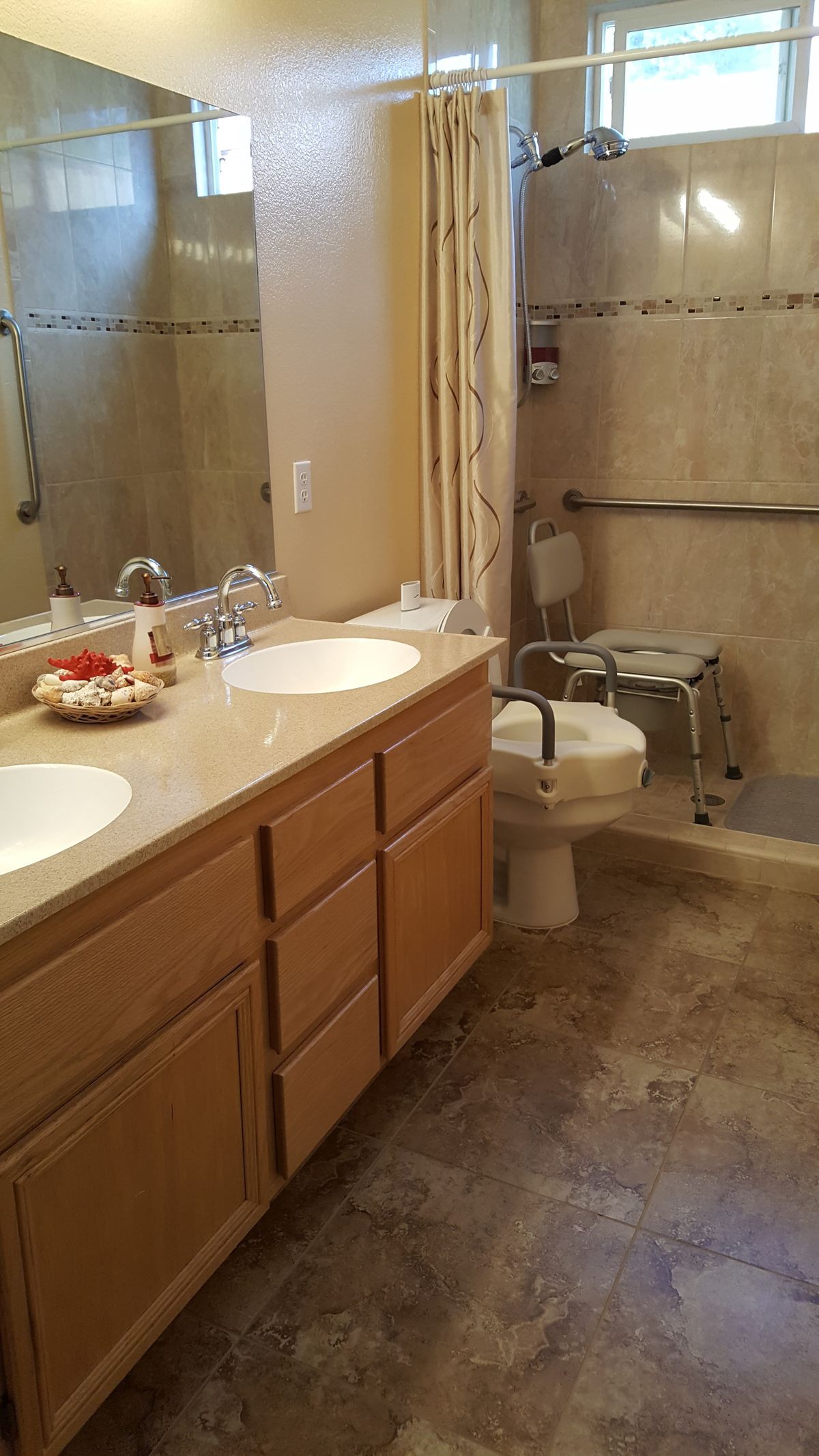
- The facility is immaculate, with safety-focused layouts, clear pathways, and accessible bathrooms.
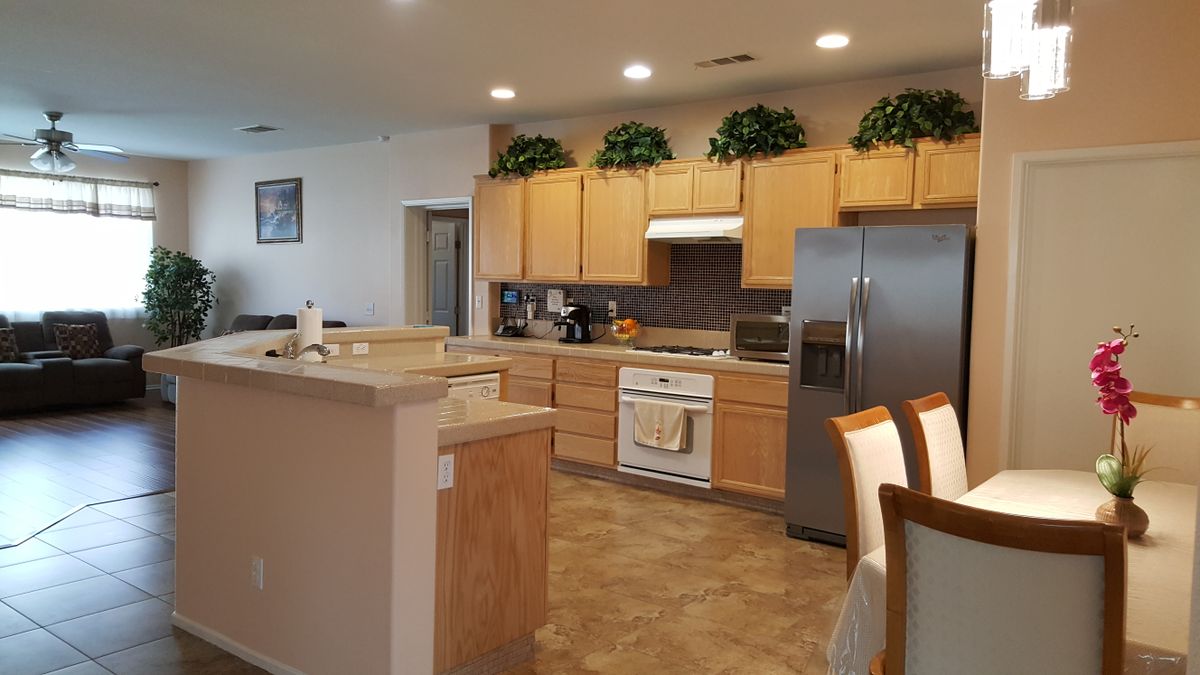
- They prepare home-cooked meals and welcome family preferences into the menu.
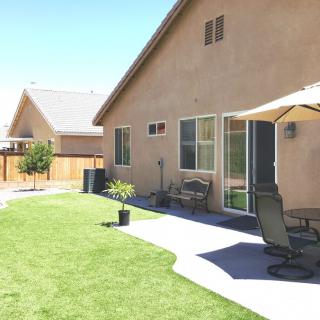
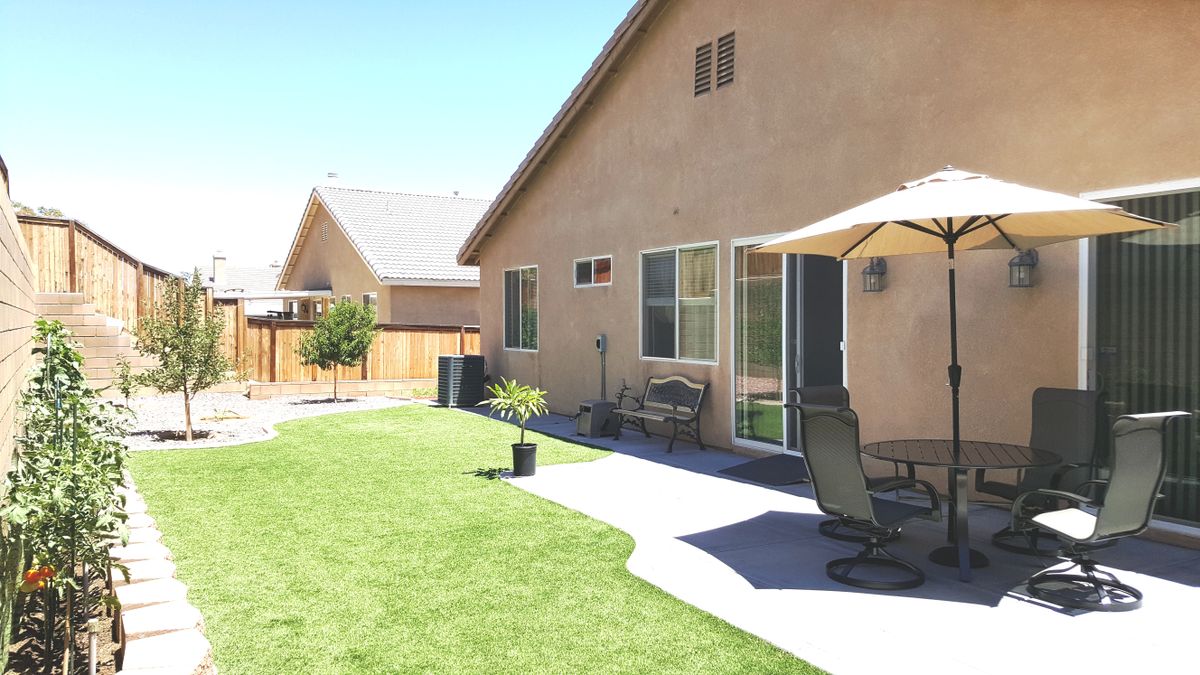
- The setting offers community time and outdoor space, including a covered patio.
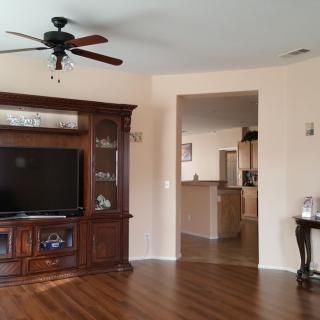
- Residents enjoy engaging activities like chess, checkers, and various games, with televisions in multiple rooms.
- The staff are described as great, super clean, and providing excellent care.
Review
Golden Years Elderly Care in Victorville is best suited for families seeking an intimate, home-like environment where a small number of residents receive exceptionally personalized attention. This community excels for seniors who value warmth, continuity of care, and a domestic setting over the amenities of a larger campus. The standout appeal is the sense of family involvement: a husband-and-wife caregiving team that appears deeply committed to the residents, with family input welcomed when it comes to meals, routines, and daily preferences. If that kind of relationship-driven model aligns with the elder’s needs, Golden Years stands out as a compelling option.
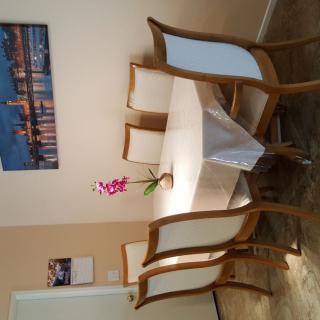
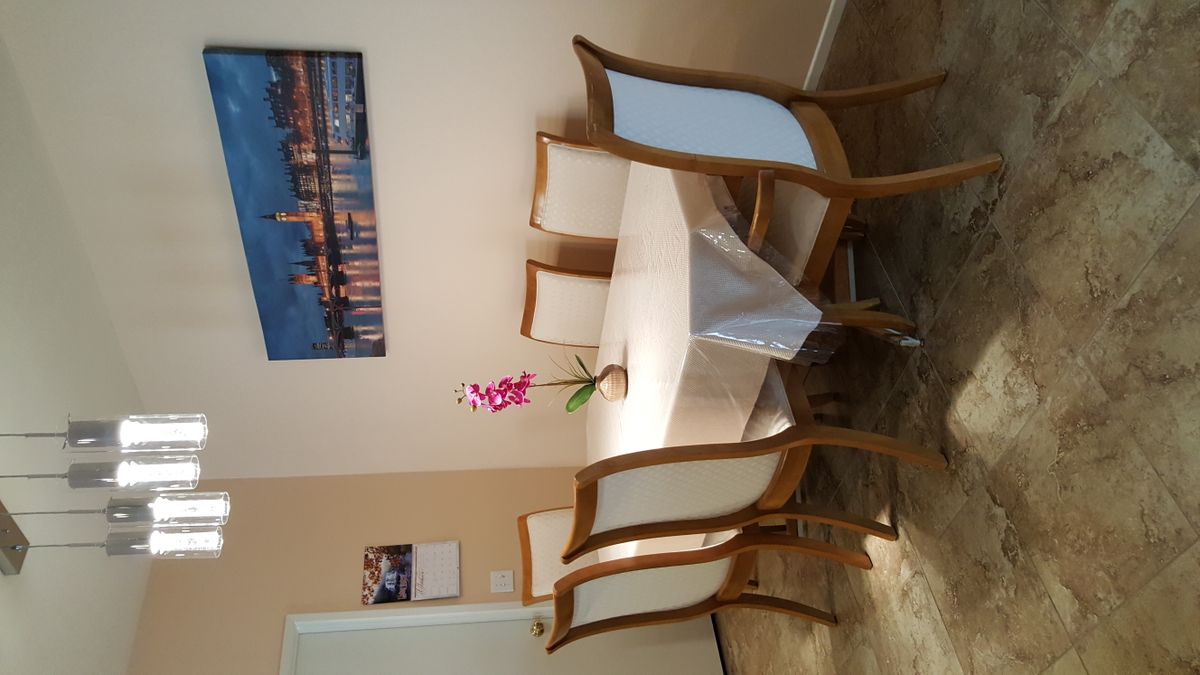
The core strengths are clear and meaningful. The six-resident cap makes the operation feel like a true home, not a corridor-filled facility. Cleanliness is consistently highlighted, and the living spaces are maintained with a calm, uncluttered order that reduces risk and supports easy navigation for those who are high-risk for falls. The home environment is reinforced by practical safety design: open, clear walkways, a safety-conscious bathroom with an open shower and grab bars, and well-considered pathways throughout. Shared dining and a covered patio enhance social connection, allowing residents to engage in meals and conversations in a relaxed, community-oriented way. The team’s compassion carries into daily living, caregivers are described as loving, attentive, and genuinely invested in each person’s well-being, which translates into reliable, respectful care that families notice and appreciate. Food quality is another strong plus; meals are described as home-cooked with room for family preferences, a meaningful detail for seniors whose nutritional needs are closely tied to taste and enjoyment. Activities and in-room amenities, chess, checkers, board games, televisions in multiple spaces, foster stimulation and routine without feeling institutional.
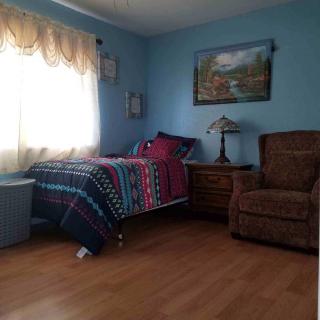
On balance, the intimate format largely offsets the most practical drawbacks. The main upside of the small-scale operation is the depth of attention each resident receives; caregivers are able to recognize subtle changes in health, mood, or appetite and respond quickly. The visibility of the family-run model, where the owners are personally involved, tends to translate into consistency of care and a level of accountability that larger operators sometimes struggle to replicate. The downside, by design, is a capped capacity that can limit the ability to accommodate new admissions or to tolerate the temporary absence of staff if illness or turnover arises. In a six-resident home, backup coverage is inherently less redundant than in bigger communities, and private rooms can be contingent on occupancy; one resident notes the potential for sharing if another resident joins, while another enjoys a private arrangement for the moment. For families whose elder care needs may escalate toward more intensive medical oversight, or who require a broader social network and more programming, this is a legitimate reason to consider alternatives.
Those weighing options should explicitly weigh two realities. For residents who prioritize synchronicity of care, family engagement, and the tone of a small, home-like setting, this community delivers exceptionally well. For those who anticipate needing more formal nursing support, a wider range of therapeutic activities, or a broader resident cohort to sustain robust social interaction, evaluation of larger assisted living communities or facilities with memory care wings is prudent. The Victorville location reinforces a strong sense of community and accessibility, but it is still a tight-knit campus; the experience depends heavily on the availability and consistency of the core caregiving team and the current occupancy level.
In practical decision-making terms, the recommended path is straightforward. Schedule a visit to observe how the living areas function in real time, meet the owners directly, and assess whether the caregiving chemistry matches the elder’s personality and needs. Confirm staffing patterns, including who is on call after hours, and discuss what happens if symptoms change or if more intensive care becomes necessary. Probe into meal planning, how flexible is the menu, how are family preferences incorporated, and how is dietary restriction managed? Check the actual occupancy and room arrangements to understand whether a private room is available or if sharing is likely, and what preferences the elder has regarding roommates. Finally, test the atmosphere: does the home feel welcoming, calm, and client-centered, or does it feel more like a small residence with limited support services? If warmth, safety, individualized attention, and a family-style approach are the top priorities, Golden Years Elderly Care stands out as a best-fit choice. If not, the door to larger, more resource-rich alternatives remains clearly open.
 6 resident community capacity
 Assisted Living
 Board and Care Home
 Cable or satellite TV
 Dining room
 Fully furnished
 Garden
 Housekeeping services
 Move-in coordination
 Outdoor space
 Small library
 Telephone
 24-hour supervision
 Activities of daily living assistance
 Assistance with bathing
 Assistance with dressing
 Assistance with transfers
 Diabetes diet
 Meal preparation and service
 Medication management
 Special dietary restrictions



 Assisted Living and Memory Care: Understanding Their Core Differences
 Beyond the Bingo Hall: 50+ Enriching Activities for Seniors in Assisted Living
 Understanding the Distinctions: Assisted Living and Memory Care Explained