
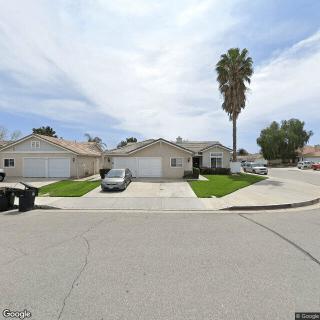
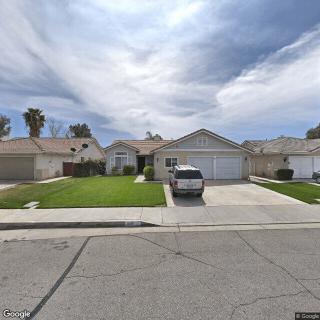
1645 Paseo Diamante, Hemet, CA 92545
For more information about senior living options: (866) 208-4318
Overall Review of Solera Diamond Valley
Pros
Cons
 The reviewer does not recommend this facility for a loved one.
- The reviewer was unhappy with the care provided to their mother.
- The reviewer found the treatment from administrators, including the nursing director, to be unprofessional.
- There are not enough staff members to meet residents' needs, especially those requiring more care.
Review
Solera Diamond Valley in Hemet, California, is best suited for seniors who can function with modest daily assistance and do not require constant, high‑touch care. The community appears to align with residents who are relatively independent, or who need occasional help with activities of daily living rather than around‑the‑clock nursing oversight. Families seeking a facility primarily for convenient location, social opportunities, or general routine care may find this option acceptable if expectations are modest. For loved ones with more intensive needs, such as frequent medical checks, help with mobility, incontinence management, or rapid responsiveness to cries for help, this community is unlikely to deliver the level of staffing and personalized attention that is essential. In short, it is not a strong match for higher-acuity residents.
People evaluating Solera Diamond Valley should explicitly consider whether their loved one’s needs fall into the low-to-moderate category. If the priority is reliable staffing, proactive care planning, and professional, courteous administration, alternatives merit serious consideration. Families handling dementia, complex medication regimens, frequent assistance with transfers, or behavioral challenges will want a setting with robust caregiver coverage and responsive leadership. Any impression of staffing gaps or administrative friction should trigger caution. A review that centers the actual experiences of residents and families suggests that this community may not be the place for those who rely on consistent, attentive, and well‑coordinated care. Alternatives with proven staffing models are advisable.
From the available feedback, there is a conspicuous absence of highlighted strengths that could offset the concerns. The most salient takeaway is a mismatch between care needs and staffing capacity, compounded by remarks about unprofessional treatment from administrators, including the nursing director. Without demonstrable advantages, whether in personalized care, safety protocols, or resident satisfaction, the negative elements dominate the decision calculus. Prospects such as pleasant common areas, activities, or meal quality remain unverified in the discourse, leaving families with a default impression of under‑resourcing and governance that may not respond promptly to problems. In short, the balance tips decisively against Solera Diamond Valley for higher‑acuity scenarios.
Staffing levels emerge as the core risk in this evaluation. The reviewer notes there are not enough staff members to meet residents’ needs, particularly for those who require more care. That translates into slower assistance with toileting, mobility, medication prompts, and timely alerts to caregivers. It also raises safety concerns, delays in help during a fall, a missed night‑time check, or rushed transfers can have serious consequences. When care staff are spread thin, it becomes difficult to deliver consistent routines, monitor health changes, and document shifts in condition for family members. In this context, the practical implications of understaffing are not hypothetical; they are daily risk factors.
Leadership and administrative interactions compound the challenge. The report describes unprofessional treatment by administrators, including the nursing director, which signals a fragile governance culture. Such a climate undermines trust, slows problem resolution, and can erode adherence to care plans. Residents and families rely on timely communication, transparent policy application, and accountability at the top levels of management. When those expectations appear unmet, it is reasonable to expect higher turnover, inconsistent answers, and frustrated frontline staff, factors that often exacerbate care gaps. Given the emphasis on administrative dynamics, this facility may struggle to implement quality improvements required by residents with evolving medical and daily‑living needs.
Decision guidance centers on comparing options with verifiable staffing reliability and respectful leadership. If Solera Diamond Valley is still under consideration, proceed with a rigorous due diligence plan: request current staff‑to‑resident ratios by shift, inquire about nurse availability for nights and weekends, and seek concrete examples of how care plans are created and updated. Interview multiple residents or family members about responsiveness and leadership access, and ask for a detailed incident‑resolution process. Simultaneously, build a short list of alternatives known for stronger clinical oversight and better governance. The prudent conclusion is to prioritize facilities where staffing sufficiency and professional management translate into safer, more dependable daily care.
 6 resident community capacity
 Active Adult Communities (55+)
 Telephone
 Wi-Fi/high-speed internet available
 Assistance with dressing
 Meal preparation and service
 Medication management
 Diabetes diet
 Special dietary restrictions
 Fully furnished assisted living with on-site dining, housekeeping, and 24-hour supervision.

 A Detailed Examination of Nursing Home Costs Across the U.S.
 Exploring Nonmedical Home Care: Understanding Services, Costs, and Financial Approaches
 Engaging Brain Games and Innovative Apps to Keep Senior Minds Active