For more information about senior living options: (866) 208-4318
2.9 from 104 reviews
5 stars
36
4 stars
13
3 stars
5
2 stars
8
1 stars
42
Hampton Manor Assisted Living Costs & Pricing
Hampton Manor Assisted Living offers competitive pricing compared to both Riverside County and the broader California market, making it an attractive option for those seeking quality care. For semi-private rooms, residents can expect a monthly cost of $2,220, significantly lower than the county average of $2,844 and the state average of $3,333. The pricing is similarly favorable for one-bedroom units at $3,000, which contrasts with Riverside County's average of $3,611 and California's average of $4,340. Notably, private rooms are priced at $3,000 as well - this is in line with Riverside County's average of $3,474 but still remains more economical than the state average of $3,939. Overall, Hampton Manor provides a valuable balance between affordability and quality care in a vibrant community setting.
Floor plans
Hampton Manor Assisted Living
Riverside County
California
Semi-Private
$2,220
$2,844
$3,333
1 Bedroom
$3,000
$3,611
$4,340
Private
$3,000
$3,474
$3,939
Memory care communities with a similar price nearby
from +$280 / mo
Golden Horizon Home I
4.8 from 12 reviews
$2,500 to $2,800 / month
24.4 miles away
About the same
Diamond Residential Care Facility for the Elderly of Murrieta
Residents and families frequently describe physical and occupational therapy as a key part of recovery.
Many reviews connect day-to-day improvement to therapy staff, including physical and occupational sessions. Several residents describe regaining mobility over a short period, and others mention confidence building and measurable progress like walking with a walker. A few reviewers also note therapy experiences as a reason they would recommend the facility for rehab after hospital stays.
common26 reviews mention this
Caring staff and respectful care
Across reviews, staff kindness and responsiveness to residents are a major recurring theme.
A large portion of the reviews highlight caring, compassionate, and respectful interactions with nurses, CNAs, reception, and therapists. Several families say staff treated them like family and communicated about changes in condition, while others mention specific individuals as especially supportive. Even among critiques, some reviewers acknowledge that at least parts of the team were kind and professional.
common8 reviews mention this
Food quality with diet limits
Food is often described positively, with dietary restrictions shaping what residents can enjoy.
Multiple reviews describe the meals as good or high quality, including regular meals and help getting options that fit a resident’s needs. Other reviews raise complaints about food, but several of those complaints are tied to residents being on a specific diet where they can’t have certain foods. Overall, dining shows up both as a strength and as a point that depends on individual dietary requirements.
caveat12 reviews mention this
Hard to reach by phone
Call responsiveness is a recurring frustration for families and visitors.
Many reviews report difficulty getting through to the facility by phone, including calls not answering, disconnecting, or taking a long time to reach someone. Several families describe having to repeat efforts or call multiple times before anyone responded. In a few accounts, communication delays also show up as slow follow-up after call buttons are pressed.
common10 reviews mention this
Cleanliness is frequently mentioned
Residents and families often describe the facility as very clean and well kept.
A number of reviews praise housekeeping and cleanliness, with descriptions that the facility and rooms were kept spotless or very clean. Some reviewers attribute the good upkeep to consistent housekeeping, while others mention a generally clean environment as part of an overall good experience. A smaller set of reviews raise cleanliness concerns, which appears alongside broader complaints about care and responsiveness.
differentiator2 reviews mention this
Pricing can be well below benchmarks
Pricing shown for different unit types is below both county and state benchmarks.
The published price range for multiple unit types is materially below the county and state benchmarks shown alongside it. Because reviews frequently focus on care quality and responsiveness, price can matter most for families comparing overall value across similar rehab needs. If you’re considering options, it may help to compare what’s included in day-to-day care and how quickly needs are addressed.
How we summarize
Counts show how many written reviews mention each theme; a review can touch several themes, and only frequently mentioned themes are displayed.
Features
Housing
6 resident community capacity
Types of Care
Assisted Living
Board and Care Home
Memory Care
Amenities
Activities off-site
Activities on-site
Cable or satellite TV
Dining room
Fully furnished
Garden
Housekeeping services
Indoor common areas
Move-in coordination
Outdoor common areas
Outdoor space
Private
Telephone
Wi-Fi/high-speed internet available
Care Services
24-hour supervision
Activities of daily living assistance
Ambulatory care
Assistance with bathing
Assistance with dressing
Assistance with transfers
Coordination with health care providers
Diabetes diet
Diabetic care
Incontinence care
Meal preparation and service
Medication management
Special dietary restrictions
Transportation arrangement (medical)
Transportation to doctors appointments
Dining
Diabetes diet
Meals provided
Special dietary restrictions
Activities
Activities off-site
Activities on-site
Community-sponsored activities
Scheduled daily activities
Nearby Places of Interest
This area of Hemet, California is a convenient and well-equipped location for seniors looking to settle down. With several parks nearby such as Mary Henley Park and Valley Wide Regional Park, residents can enjoy outdoor activities and leisurely walks. In terms of healthcare, there are multiple pharmacies and medical facilities within close proximity for easy access to medications and appointments. Additionally, there are various dining options available including popular chains like In-N-Out Burger and Denny's, as well as cafes like Starbucks for socializing with friends. For transportation needs, Hemet-Ryan Airport is conveniently located nearby. Overall, this area provides a comfortable and convenient living environment with amenities that cater to senior residents' needs.
Parks
Mary Henley Park (0.3 miles)
Valley Wide Regional Park (3.3 miles)
Mcsweeny Park (3.6 miles)
Lago Vista Sports Park (9.6 miles)
Wheatfield Park (9.8 miles)
Brookfield Park (9.9 miles)
Pharmacies
Walgreens (0.3 miles)
Medpro Pharmacy (0.5 miles)
CVS Pharmacy (0.9 miles)
Rite Aid (1.2 miles)
Walgreens (1.3 miles)
CVS Pharmacy (1.9 miles)
Sail Drug Center (2.2 miles)
Restaurants
Sonic Drive-In (0.4 miles)
In-N-Out Burger (1 miles)
Carl's Jr. (1 miles)
Denny's (1 miles)
Los Vaquero's Mexican Grill (1 miles)
Applebee's (1 miles)
Wendy's (1.1 miles)
Physicians
Advanced Dermatology & Skin Cancer Specialists (0.4 miles)
Hampton Manor Assisted Living offers competitive pricing compared to both Riverside County and the broader California market, making it an attractive option for those seeking quality care. For semi-private rooms, residents can expect a monthly cost of $2,220, significantly lower than the county average of $2,844 and the state average of $3,333. The pricing is similarly favorable for one-bedroom units at $3,000, which contrasts with Riverside County's average of $3,611 and California's average of $4,340. Notably, private rooms are priced at $3,000 as well - this is in line with Riverside County's average of $3,474 but still remains more economical than the state average of $3,939. Overall, Hampton Manor provides a valuable balance between affordability and quality care in a vibrant community setting.
Hampton Manor Assisted Living's comprehensive features are specifically designed to support residents with memory care needs, addressing both their physical and emotional well-being. Assistance with dressing and bathing fosters a sense of dignity while ensuring that personal hygiene is maintained, which can be particularly challenging for individuals in advanced stages of dementia. Medication management ensures that residents receive the correct dosages at the appropriate times, reducing the risk of complications or confusion related to medications. Meal preparation and service cater not only to nutritional requirements but also to preferences, enhancing the dining experience and encouraging regular eating habits. Transportation arrangements for medical appointments ensure continuity of care and facilitate necessary health interventions. Coordination with healthcare providers helps maintain an integrated approach to health management, while assistance with transfers ensures resident safety during mobility challenges. The provision of 24-hour supervision offers peace of mind for families and enhances the overall security for residents, while incontinence care addresses a sensitive area with compassion and respect, promoting dignity in daily living activities. Collectively, these features create a nurturing environment tailored to foster safety, comfort, and quality of life for individuals facing cognitive decline.
Nearby Communities
Amrik Elderly Care
Hemet, CA
5 from 2 reviews
$2,000 to $2,500 / month
Lower-than-average monthly rates for semi-private and private rooms.
Jmp Care Home
Hemet, CA
$1,500 to $2,800 / month
Small, intimate setting with affordable pricing and comprehensive care services.
Vandelon Home Care
Hemet, CA
4.4 from 37 reviews
$2,000 to $3,000 / month
Active owner involvement; connected, clean, community-focused layout.
Seven Hills
Hemet, CA
4.2 from 49 reviews
Intimate, small-capacity community with personalized care (dressing assistance, meal preparation, medication management), dietary accommodations, and reliable Wi-Fi.
Rose Garden Family Care, LLC
Hemet, CA
3.2 from 53 reviews
$1,600 to $2,500 / month
Specialized memory care in a secure setting with transportation and competitive pricing.
Manorcare Health Services-Hemet
Hemet, CA
2.9 from 115 reviews
Caring staff in a clean, well-maintained facility with engaging activities.
Catalina Garden Senior Apartments
Hemet, CA
2.2 from 6 reviews
$750 to $875 / month
Strict lease enforcement with documented complaint process.
Brookdale Sunwest
Hemet, CA
4.5 from 179 reviews
$3,920 to $5,750 / month
Friendly staff and a welcoming atmosphere with engaging activities and on-site amenities.
Christmas Cottage
Hemet, CA
3.8 from 24 reviews
$2,300 to $2,820 / month
Warm, friendly staff in a clean, welcoming setting.
Memory care activities are essential for improving the quality of life of seniors with cognitive impairments, as they stimulate cognitive function, promote well-being, and encourage social interaction through tailored strategies. These activities combine structured exercises with spontaneous tasks, sensory engagement, physical workouts, creative pursuits, and intergenerational interactions to enhance emotional connection and a sense of purpose.
Transitioning from assisted living to memory care is driven by an individual's cognitive decline and specific needs, requiring careful evaluation of indicators like increased confusion and wandering. The process involves consulting medical professionals, researching suitable communities, considering financial and legal aspects, and ensuring effective communication for personalized care plans.
The article differentiates between assisted living and memory care, explaining that assisted living supports seniors with daily activities while promoting independence, whereas memory care provides specialized services for individuals with dementia, focusing on secure environments and cognitive support. It also addresses staff training, safety considerations, costs, family involvement, and transition strategies for families navigating these care options.
Get PricingAsk A QuestionSchedule A TourContact Senior Advisor
By clicking submit, you agree to our Partner's Terms of Use. You
also consent to receive calls and texts, which may be autodialed, from our Partner. Your consent is not a condition to
using our Partner's service. Please visit our Partner's Privacy Policy for information about their privacy practices.

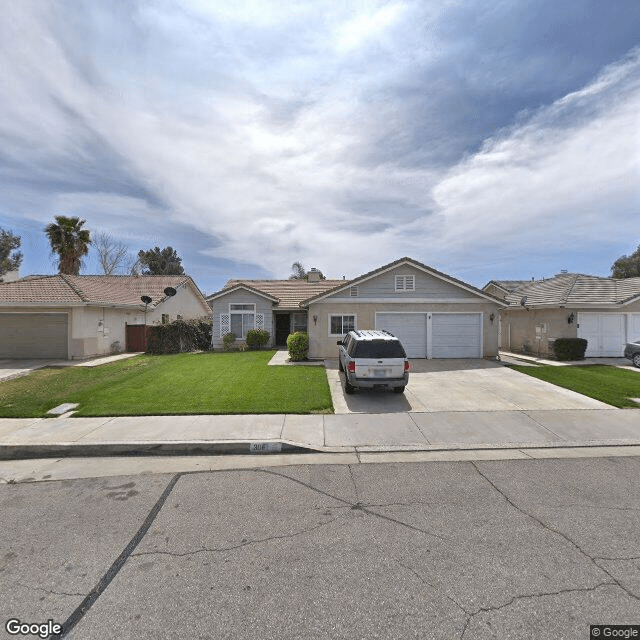
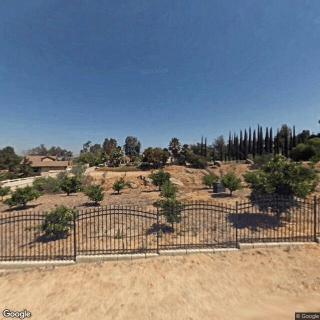
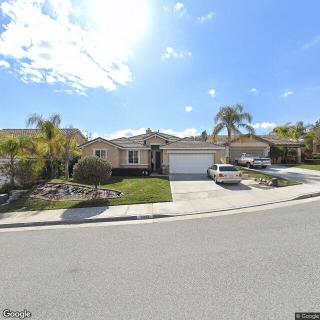
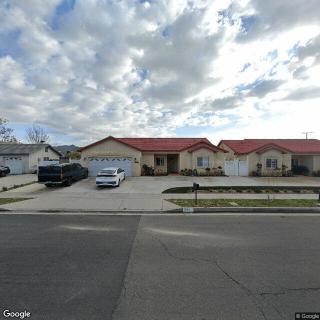
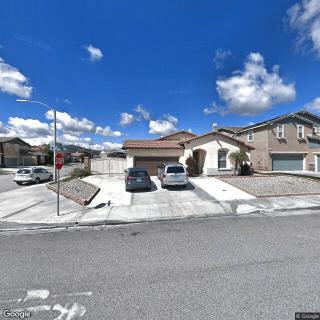
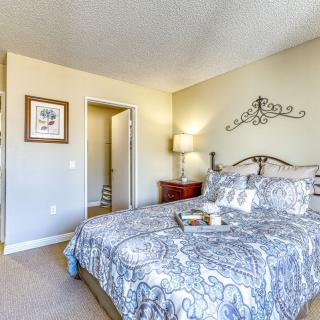
 6 resident community capacity
 Assisted Living
 Board and Care Home
 Memory Care
 Activities off-site
 Cable or satellite TV
 Dining room
 Fully furnished
 Garden
 Housekeeping services
 Indoor common areas
 Move-in coordination
 Outdoor common areas
 Private
 Telephone
 Wi-Fi/high-speed internet available
 24-hour supervision
 Ambulatory care
 Assistance with bathing
 Assistance with dressing
 Assistance with transfers
 Diabetes diet
 Diabetic care
 Incontinence care
 Meal preparation and service
 Medication management
 Special dietary restrictions
 Transportation arrangement (medical)
 Transportation to doctors appointments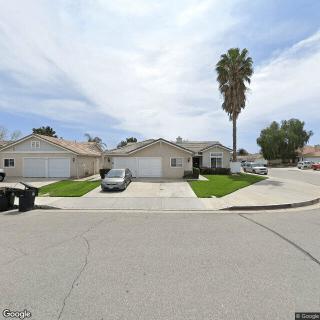
 Lower-than-average monthly rates for semi-private and private rooms.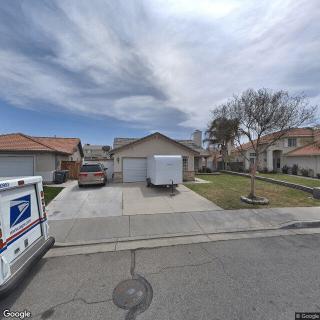


 Engaging Memory Care Activities That Enhance Quality of Life
 When to Transition from Assisted Living to Memory Care: Key Indicators, Steps, and Finding the Right Community
 Understanding the Distinctions: Assisted Living and Memory Care Explained