
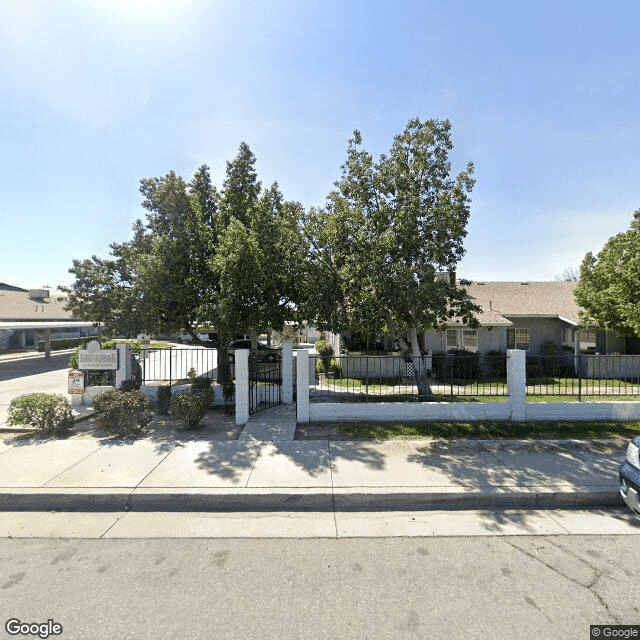
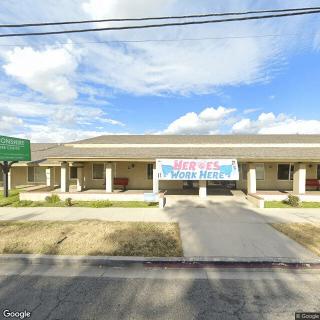
333 N. Kirby St., Hemet, CA 92545
To contact a resident: (951) 766-5186
For more information about senior living options: (866) 208-4318
Kirby Terrace Costs & Pricing
Kirby Terrace offers an exceptionally affordable living option compared to the broader market in Riverside County and across California. With a monthly cost of just $610 for a one-bedroom apartment, residents benefit from substantial savings when compared to the county average of $3,611 and the state average of $4,340. Similarly, for two-bedroom accommodations, Kirby Terrace's rate of $720 stands in stark contrast to Riverside County's average of $3,614 and California's average of $5,270. This remarkable pricing highlights Kirby Terrace as a compelling choice for those seeking quality housing without the prohibitive costs associated with many other areas in the region.
| Floor plans | Kirby Terrace | Riverside County | California |
|---|---|---|---|
| 1 Bedroom | $610 | $3,611 | $4,340 |
| 2 Bedrooms | $720 | $3,614 | $5,270 |
Senior living communities with a similar price nearby
-
from +$80 / mo

Grand Isle
$690 to $992 / month17.8 miles away -
from +$74 / mo

Amanda Park
$684 to $3,595 / month16.7 miles away -
from -$75 / mo

Hillside Park
$535 to $595 / month2.0 miles away
Overall Review of Kirby Terrace
Cons
 The caller was rude on the phone.
- The caller wouldn’t give her name so she could be addressed properly.
- The caller questioned the reviewer about where they were from and who they were with.
- The reviewer deemed it bad business.
Review
Kirby Terrace in Hemet, CA appears best suited for seniors and families who prioritize affordability and are willing to do substantial in-person due diligence rather than rely on a flawless first impression. The available signal suggests a basic, livable option that may deliver the essential services and security expected in assisted living, but the true measure will come from on-site experiences, ongoing care, and how responsive the team is once a plan is in motion. In short, this community may work for budget-conscious buyers who plan to verify care quality directly and push for clear, consistent communication throughout the transition.
Those who should consider alternatives are families that place a premium on front-line professionalism and consistently courteous, responsive communication. A single 4-star note implies there are positive elements somewhere, but the most salient recent feedback centers on a troubling initial interaction: rude behavior on the phone, a reluctance to share basic information, and intrusive questions about the caller’s background. When the entry point to a community feels punitive or dismissive, the confidence needed to entrust care to staff at a critical time is rightly tempered. In this context, exploring other options with stronger reputations for customer service is prudent.
From a decision-risk standpoint, the potential positives suggested by the lone higher rating cannot fully offset the weight of the negative front-desk experience. The data hint at acceptable livability and routine operations, yet the absence of detail about programming, staffing quality, or transparency leaves care quality and value uncertain. The 4-star signal is encouraging but ambiguous; without concrete evidence that concerns will stay addressed and that coordination with families will be smooth, the negative encounter on the initial call looms large as a predictor of ongoing service dynamics.
The main con, unfriendly, challenging initial contact, acts as a reliability red flag. Front-desk professionalism often foreshadows how responsive the administration will be to problems, requests for accommodations, or urgent care planning. If the first impression is harsh or opaque, families may fear worse experiences when medical or daily-living needs intensify. While the possibility of solid basic housing and routine support remains, the downside risk is that issues will be treated as annoyances rather than essential aspects of care, and that trust-building will require deliberate, ongoing effort from the prospective resident and their family.
Practical next steps for families considering Kirby Terrace are concrete and disciplined. Schedule an in-person visit early, and use the tour to assess how staff interact with residents and families in real time. Ask to meet the administrator or lead care coordinator, and request to observe a standard care plan discussion so the tone and responsiveness can be measured. Probe for specifics about staffing ratios, activity programming, meal options, medication management, and how concerns are escalated. It’s also wise to verify transparency around costs, deposits, and any additional service fees. If the on-site experience aligns with credible, respectful communication, Kirby Terrace could prove viable; if not, move quickly to alternatives with demonstrably stronger client-service dynamics.
In the end, Kirby Terrace may still serve as a fit for a certain slice of families, those who can tolerate upfront friction in exchange for perceived affordability and basic, livable surroundings. Yet the decisive factor is the quality of day-to-day interactions, not the promises heard over the phone. For decision-makers, the choice hinges on whether the initial encounter is viewed as an abnormal bump or a durable pattern. If the latter, alternatives with proven, consistently respectful communication and clearer care pathways should be pursued without hesitation. The safest path is to verify through direct, unvarnished staff interactions and to demand evidence of reliable, resident-centered response before committing.
 Active Adult Communities (55+)
 Cats allowed
 Bath tubs
 Robust amenities and care services (on-site salon, restaurant-style dining, activities, wellness support, and 24/7 assistance).


 Exploring the World of Home Health Nurses: Qualifications, Roles, and Hiring Tips
 Navigating Medicare Coverage for In-Home Care Services
 In-Home Care Costs in 2025: A Detailed State-by-State Exploration