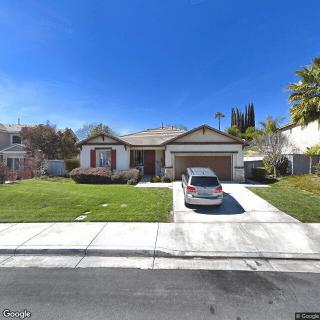
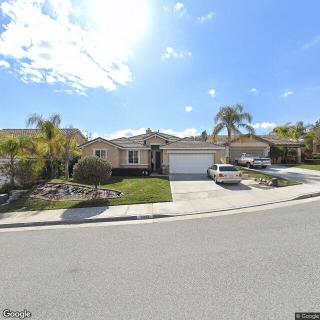
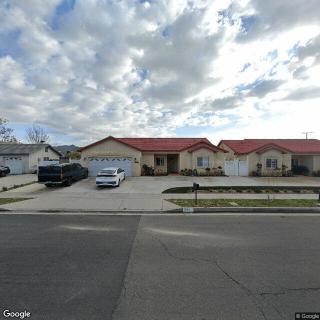
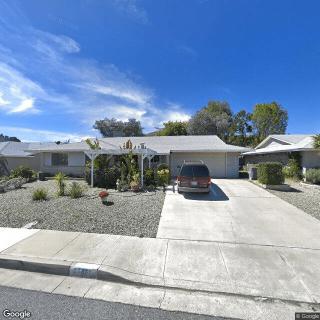
Eldercare of Park Ave in Hemet, CA
Save
Information last verified:
2347 Park Avenue, Hemet, CA 92544
For more information about senior living options: (844) 490-3973
Eldercare of Park Ave offers competitive pricing for its services, particularly when compared to both Riverside County and the broader California market. For semi-private rooms, residents can expect to pay $2,200 per month, which is significantly lower than the county average of $2,844 and the state average of $3,333. Similarly, the cost for private rooms at Eldercare is set at $2,800 per month - again, more affordable than Riverside County's average of $3,474 and California's statewide average of $3,939. These pricing advantages position Eldercare of Park Ave as a cost-effective option for families seeking quality eldercare while also ensuring that residents receive a comfortable living environment.
| Floor plans | Eldercare of Park Ave | Riverside County | California |
|---|---|---|---|
| Semi-Private | $2,200 | $2,844 | $3,333 |
| Private | $2,800 | $3,474 | $3,939 |
Eldercare of Park Ave is best suited for families seeking a post-acute or short-term rehabilitation path where frontline caregivers can drive meaningful recovery and where a homey, approachable atmosphere helps residents settle in. The community tends to work best for those who value hands-on attention from CNAs, nurses, and therapy staff, and who appreciate a facility that can feel welcoming and tidy when the care team is present. It is less ideal for families prioritizing ironclad medical oversight, meticulous medication management, and a consistently high staff-to-patient ratio. In short, this center can deliver solid, compassionate rehab and daily practical support, but it requires vigilant family involvement to ensure that care plans are followed and safety standards stay front-and-center.
Pros consistently highlighted by families include a clean environment and a responsive, caring frontline staff. Reviewers repeatedly point to CNAs, LVNs, and therapy teams who go the extra mile to assist with activities, mobility, and daily routines, especially when the unit is staffed with dedicated caregivers. Positive anecdotes emphasize administrators and admissions personnel who engage residents, coordinate services, and help integrate family needs into the care plan. The facility’s physical upkeep, recent renovations and a generally welcoming atmosphere, also surfaces as a tangible strength, contributing to resident comfort and family peace of mind during a stressful transition. When staff engagement is steady, the care experience can feel personalized and trustworthy, even amid the challenges of a skilled-nursing setting.
Yet the main cons carried by numerous reviews are severe enough to warrant caution. Understaffing and inconsistent coverage repeatedly surface as the core risk, with reports of delayed medication administration, insufficient doctor visitation, and limited daily therapeutic touch points. Safety and supervision gaps are described by several families, including concerns about wandering residents, delays in response to call bells, and in some accounts, neglectful practices that jeopardize acute conditions. Food quality and nutrition management also appear uneven, with some reviewers reporting unsatisfying meals or dietary oversight that undermines recovery, particularly for residents with specific medical needs. The facility also faces persistent negative feedback around administration and operational consistency, including accusations of poor communication with families and inconsistent adherence to care plans.
These strengths and weaknesses interact in meaningful ways. When the administration brings stability, clear lines of accountability, reliable scheduling for therapy, and proactive family communication, the positive caregiving shown by many staff members can substantially offset occasional lapses. In those periods of strong leadership and adequate staffing, residents recover more effectively, eat better, and experience a higher sense of security. But without steady leadership and consistent staffing, the same compassionate CNAs and therapists can only do so much; problems compound, and families report a striking contrast between moments of excellent care and prolonged gaps in basic needs like meds, hygiene, or daily supervision. The resulting variability makes outcomes highly dependent on shift coverage and the specific people assigned on any given day.
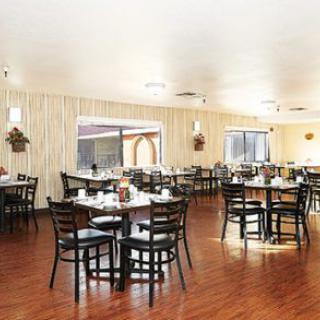
For families evaluating Eldercare of Park Ave, prudent next steps are essential. Rely on a current, on-site assessment: observe the pace and tone of staff, test call-button responsiveness, and verify that medication passes and doctor rounds occur as scheduled. Request a detailed care plan for rehab goals, exercise prescriptions, meals, and wound or catheter management if applicable. Meet with the social services or case-management team to understand discharge planning and home-health referrals, and ask for a clear point of contact who can escalate concerns quickly. Inspect the dining area for nutrition adequacy, ask about menu customization, and confirm that dietary restrictions are consistently implemented. Finally, check recent state or Medicare inspections and speak with multiple families about their most recent experiences to gauge whether current leadership is addressing long-standing issues.
Ultimately, Eldercare of Park Ave presents a realistic path for recovery-oriented residents who thrive with hands-on care and a warm, approachable staff culture. The facility’s merit rests on the everyday kindness of many caregivers, the competence of therapy teams, and a proactively managed environment that feels home-like rather than institutional. However, the decision to place a loved one here should hinge on assurance that staffing levels, medication administration, and medical oversight are current and reliable, not merely satisfactory in ideal shifts. If a family suspects that supervision, timely meds, and consistent medical follow-through may be compromised, it is wise to explore alternatives with stronger track records in these domains. A candid on-site tour, a review of recent inspections, and a frank conversation with leadership will reveal whether Eldercare of Park Ave can meet the specific care goals and safety expectations for a given loved one.
Eldercare of Park Ave in Hemet, CA is an assisted living community that provides a comfortable and caring environment for seniors. Our community offers a variety of amenities to enhance the well-being and enjoyment of our residents.
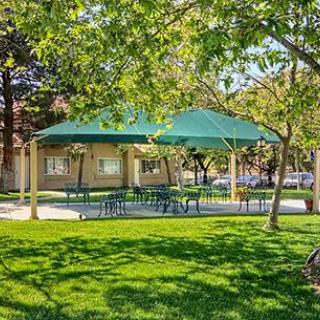
Residents can participate in various activities on-site, fostering socialization and engagement with their peers. Additionally, indoor and outdoor common areas provide spaces for relaxation, conversation, and enjoying the beautiful surroundings.
Our community also offers private accommodations for residents who value their privacy or prefer their own space. We provide respite or short term stays as well, allowing individuals to experience our community before committing to long-term care.
We prioritize the safety and accessibility of our residents by offering wheelchair accessible showers. This ensures that individuals with mobility needs can easily maintain their personal hygiene without any difficulties.
At Eldercare of Park Ave, we understand the unique health needs of seniors and offer care services tailored to meet those requirements. Our dedicated staff assists with diabetic care, high acuity care, incontinence care, and medication management, ensuring that each resident receives individualized attention.
Our location provides convenient access to various facilities and services nearby. With 3 cafes, 3 parks, 15 pharmacies, 32 physicians, 18 restaurants, transportation options, places of worship, and hospitals all within close proximity to our community.
Overall, Eldercare of Park Ave in Hemet offers a warm and welcoming environment where seniors can enjoy a range of amenities while receiving personalized care tailored to their needs.
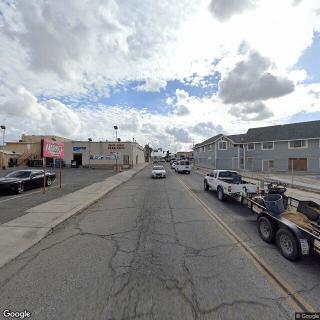
This part of Hemet, California, offers a range of medical facilities including eye professionals, healthcare centers, and a hospital within close proximity. There are several pharmacies nearby for convenient access to medications. In terms of dining options, there are various restaurants serving diverse cuisines in the area. The presence of parks provides opportunities for outdoor activities and relaxation. Places of worship are also easily accessible for spiritual needs. For coffee lovers, there are several Starbucks locations and a Sharetea cafe in the vicinity. Transportation options include two airports for travel convenience. Overall, this neighborhood provides essential amenities and services that cater to the needs of seniors looking for a comfortable living environment in Hemet.
Eldercare of Park Ave offers competitive pricing for its services, particularly when compared to both Riverside County and the broader California market. For semi-private rooms, residents can expect to pay $2,200 per month, which is significantly lower than the county average of $2,844 and the state average of $3,333. Similarly, the cost for private rooms at Eldercare is set at $2,800 per month - again, more affordable than Riverside County's average of $3,474 and California's statewide average of $3,939. These pricing advantages position Eldercare of Park Ave as a cost-effective option for families seeking quality eldercare while also ensuring that residents receive a comfortable living environment.
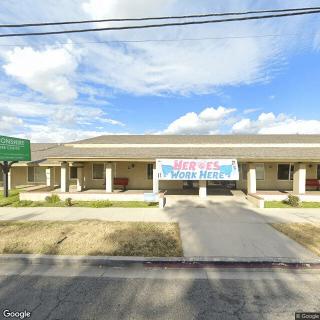
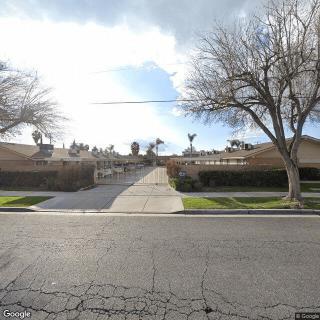
Eldercare of Park Ave is located at 2347 Park Avenue, Hemet, CA 92544 in Riverside County, California
Yes, Eldercare of Park Ave allows both dogs and cats.
Comprehensive Guide to Qualifying for Home Health Care Services

The guide outlines the eligibility criteria for home health care services, emphasizing clinical requirements, insurance options, and application processes. It distinguishes between Medicare's strict and Medicaid's flexible qualifications while addressing challenges families may face in securing necessary care at home.
Powerful Realities of Elder Abuse and the Most Effective Ways to Report It

Elder abuse affects many older adults worldwide and includes physical, emotional, neglectful, and financial harm, with about one in six individuals over 60 experiencing abuse annually. Prevention and intervention strategies focus on awareness, support for caregivers, and mandatory reporting, while recovery necessitates comprehensive support for both physical and emotional needs.
Ten Vital Duties of a Senior Caregiver: A Comprehensive Guide
The guide details ten essential responsibilities of senior caregivers, including personal care, mobility assistance, medication management, and emotional support, while emphasizing the importance of safety, nutrition, and maintaining a safe living environment to enhance seniors' quality of life and independence.