
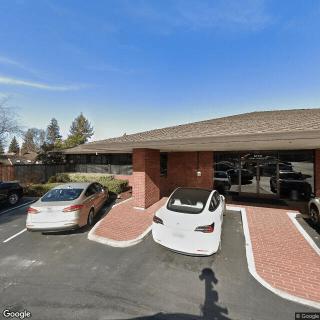
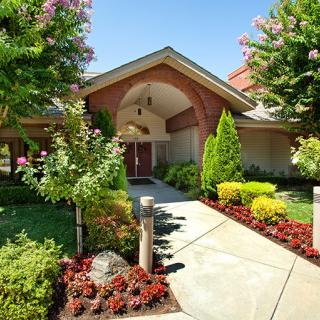
4470 Rolling Oaks Drive, Granite Bay, CA 95746
For more information about senior living options: (866) 208-4318
Overall Review of Pacific Coast Care Homes
Pros
 Sam, the owner, is actively involved in the day-to-day running of Cana Place.
- He checks in on the residents and the staff.
- The mom thrived there under his care for six years.
- The staff are loving and caring and treat residents as their own family.
- Sam and Cana Place provide families with peace of mind that their loved ones are well taken care of.
Review
Pacific Coast Care Homes’ Cana Place in Granite Bay is best suited for families seeking an intimate, home-like care setting where a hands-on owner-operator guarantees daily oversight and a consistently warm, personalized approach. The model is ideal for seniors who thrive on steady routines, meaningful relationships with caregivers, and a long-term placement where staff know the resident’s history and preferences. Evidence from a long-term placement highlights that a mom lived there for six years and thrived, under the direct involvement of Sam, the owner who checks in on residents and staff. This setup delivers unusually high touch care, with caregivers who feel more like family and a culture of genuine attentiveness.
If the aim is broader programming or more formal medical oversight, alternatives deserve consideration. Larger facilities often promise more robust activity calendars, a wider slate of specialized programs, and greater access to on-site nursing or rehab services. For families facing complex medical needs, memory-care specifics, or the expectation of rapid escalation of care, a bigger campus may offer perceived reliability through scale. The review profile notes that other larger facilities did not provide the same level of personal care, implying there are legitimate trade-offs to a small, hands-on model. Families weighing options should weigh the value of personal attention against the comfort of broader clinical resources.
The strongest pros at Cana Place are the owner’s visible involvement and the staff’s demonstrated warmth and dedication. Personal oversight translates into consistent accountability and a clear line of care decisions that residents feel and families recognize as peace of mind. The staff’s attitude, caring for residents as if they were their own family, creates a supportive, respectful daily environment that can significantly improve mood, cooperation with care plans, and overall quality of life. This can offset the absence of large, formal programs by delivering reliability, continuity, and genuine relational care that often deteriorates in more impersonal settings.
A critical practical takeaway is that the intimate, owner-led model thrives when steady, long-term staffing and ongoing leadership are maintained. The six-year success story cited in the review demonstrates that consistent relationships with caregivers and the owner can produce meaningful life quality gains for residents who need daily encouragement, monitored routines, and personalized attention. However, this model naturally places a premium on the owner’s availability and on the ability of the team to retain staff who share the same caregiving ethos. Families should assess whether the facility can sustain this level of engagement over time, even as staffing dynamics shift.
Decision-making rests on real-world priorities. For families prioritizing a calm, familiar, highly personal environment where a resident is known deeply and cared for with intentionality, Cana Place represents a standout option. For those who prioritize breadth of services, rapid access to medical or rehabilitative care, or a wider social programming slate, alternatives may be more suitable. The key is matching the care philosophy to the loved one’s needs: does the resident benefit more from a tight-knit, family-driven setting, or from expanded clinical resources and program variety? Informed choices hinge on aligning expectations with what the community can reliably deliver.
To evaluate effectively, prospective families should pursue concrete questions: how consistently is the owner present in daily operations; what are the exact staffing ratios across shifts; how are individual care plans developed, reviewed, and updated; what medical services are available on-site, and how rapidly can changes in health status be managed; what is the memory-care capability, if needed, and how are behavioral needs addressed; what are the costs, admission criteria, and transitions for changes in level of care; and how flexible are visitation and family involvement policies. These specifics will illuminate whether the intimate model at Cana Place remains sustainable for long-term care or whether a larger, more feature-rich setting better fits the evolving needs of the loved one.
 6 resident community capacity
 Assisted Living
 Cable or satellite TV
 Dining room
 Fully furnished
 Garden
 Housekeeping services
 Move-in coordination
 Outdoor space
 Telephone
 Wi-Fi/high-speed internet available
 Sacramento International (20 miles away)
 24-hour supervision
 Activities of daily living assistance
 Assistance with bathing
 Assistance with dressing
 Assistance with transfers
 Diabetes diet
 Meal preparation and service
 Medication management
 Special dietary restrictions
 Transportation arrangement (medical)
 Transportation to doctors appointments


 Exploring the Contrasts Between Assisted Living and Skilled Nursing
 8 Key Indicators That Suggest It May Be Time to Transition from Assisted Living to Skilled Nursing Care
 Vibrant Senior Living: A Comprehensive Guide for Active Older Adults