
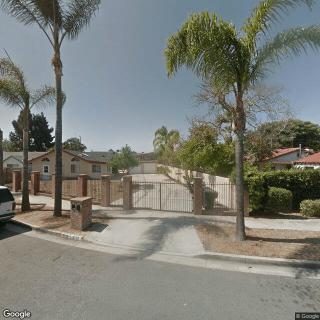
11642 Dale Street, Garden Grove, CA 92841
For more information about senior living options: (866) 208-4318
Overall Review of Mary's Assisted Home Living
Pros
 The staff provides a high level of care and treats residents like family.
- The facility feels like a home.
- The staff are very personable.
- The environment is homey and clean.
- The team is knowledgeable and helpful, giving information and showing rooms.
- Residents are happy and well cared for.
- They would definitely recommend the facility.
Cons
 The backyard was completely overgrown.
- There were broken tiles in the kitchen.
- The broken tiles should have been fixed because they posed a trip hazard.
- There was uneven footing from the hallway into a room.
- It was not up to par; everything seemed old and tattered.
- The meals were served at a table with everyone together, not six feet apart.
- The manager of the facility was not there.
Review
Mary’s Assisted Living in Garden Grove, CA, is best suited for families seeking a small, home-like residential care setting where seniors receive personal attention and feel part of a family. The facility relies on a single-family-home ambiance rather than a conventional campus, which translates into a warmer, more intimate daily experience. The emphasis on a homelike atmosphere is repeatedly evident in the reviews, with staff treated residents as family and families reporting genuine warmth. For those who want a quiet, low-key environment over glossy, high-amenity options, this could be the right fit, particularly for seniors who value regular routines, familiar surroundings, and direct, personal interactions with caregivers.
Pros strongly tilt toward caregiving warmth and everyday adequacy. Reviewers credit attentive, personable staff and a culture of kindness that makes elders feel valued. The care described is consistently reassuring to families, and the home-like setting contributes to a sense of belonging. Meals are included, and the dining dynamic, small, intimate gatherings, fosters social connection without the impersonality that can accompany larger residences. The compact footprint of the home often translates into closer supervision and easier observation of subtle health changes, which can translate into timely assistance and a greater sense of security for residents who prize personal attention.
Significant caveats accompany the positives. The house is clearly aging, and upkeep can feel uneven. One reviewer highlighted a yard that was overgrown, plus broken tiles in the kitchen and other signs of wear that could present trip hazards. Outdoor space is minimal, with a front yard that sits on a busy street, making outdoor activity seem daunting or risky for those who enjoy fresh air and a little autonomy. Dining arrangements, where everyone sits together at table, may not align with stricter distancing expectations, underscoring the reality of a small, home-based setting that cannot replicate a larger facility’s layout or safety protocols. These drawbacks matter especially for residents who require more comprehensive safety upgrades or more expansive, updated surroundings.
Operational dynamics also weigh in. The manager is not consistently on site, with daily care sometimes handled by family members rather than a full-time administrator, which can affect continuity and formal oversight. The staffing model described, family members and relatives involved in daily operations and even medication delivery, raises legitimate questions about professional boundaries, regulatory rigor, and consistency of care. While the personable approach is a strength, the absence of obvious, on-site leadership can leave families uncertain about accountability, maintenance responsiveness, and standardized procedures for safety issues or emergencies.
That said, the home’s strengths mitigate some drawbacks for the right match. The intimate scale can enhance safety by enabling closer observation and swifter intervention, and a family-driven approach may deliver warmth and responsiveness that are harder to sustain in larger settings. For residents who value included meals, predictable routines, and a sense of belonging over polished finishes, Mary’s can be a compelling choice. In a market where services can be expensive, this residential model offers a straightforward, all-inclusive impression that appeals to families prioritizing daily consistency and relationship-based care rather than grandeur or showroom condition.
Who should look elsewhere? For families prioritizing outdoor space, modern finishes, or a manager-led operation with visible on-site administration, alternatives in Garden Grove that emphasize larger campuses, more robust safety upgrades, and professional staffing may be preferable. Similarly, memory-care or mobility-focused needs may outgrow what Mary’s offers, given the compact footprint and older infrastructure. Prospective families should conduct a targeted visit: inspect walkability and the practicality of outdoor access, inquire about maintenance plans and timelines for repairs, verify staff-to-resident ratios and certifications, and confirm that dietary options align with medical or texture-modification requirements. If the impression is of genuine care within a modest, home-centered frame, Mary’s Assisted Living stands out as a sound choice for a particular senior-care philosophy.
 6 resident community capacity
 Assisted Living
 Board and Care Home
 Cable or satellite TV
 Dining room
 Fully furnished
 Garden
 Housekeeping services
 Move-in coordination
 Outdoor space
 Telephone
 Wi-Fi/high-speed internet available
 Long Beach (Daugherty) (10 miles away)
 24-hour supervision
 Activities of daily living assistance
 Assistance with bathing
 Assistance with dressing
 Assistance with transfers
 Diabetes diet
 Meal preparation and service
 Medication management
 Special dietary restrictions
 Transportation arrangement (medical)
 Transportation to doctors appointments







 Comprehensive Insights into Activities of Daily Living (ADLs) and Their Assessment
 Medicare Coverage for Assisted Living: An In-Depth Exploration
 Choosing the Right Senior Care: A Detailed Exploration of Assisted Living and Nursing Homes