
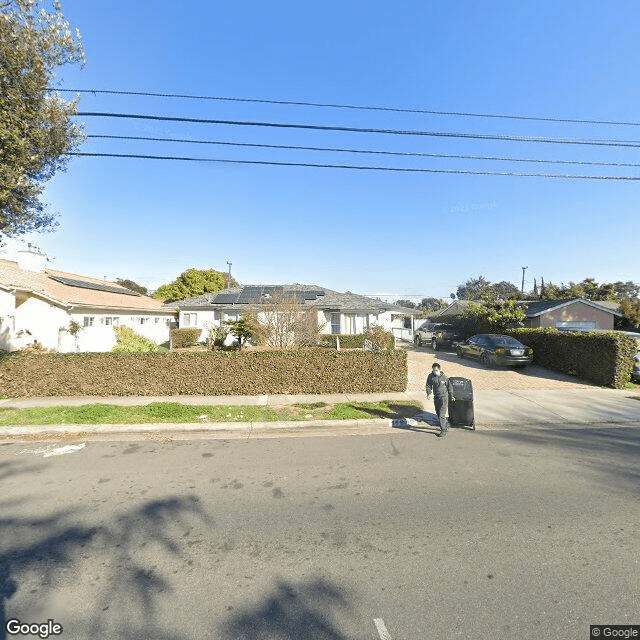
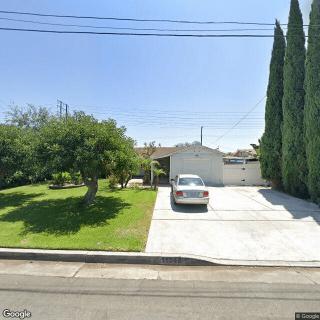
11642 Dale St., Garden Grove, CA 92841
To contact a resident: (714) 537-0899
For more information about senior living options: (866) 208-4318
Mary's Assisted Living Home Costs & Pricing
At Mary's Assisted Living Home, residents benefit from competitive pricing compared to both Orange County and the broader California market. The cost for a semi-private room is $2,500 per month, significantly lower than the county average of $3,431 and the state average of $3,333. For those preferring a private room, Mary's offers a monthly rate of $3,000, which remains more economical than Orange County's average of $4,104 as well as California's statewide figure of $3,939. Additionally, the one-bedroom option at Mary's is priced at $3,500 - again undercutting both local and state averages of $4,380 and $4,340 respectively. This positioning underscores Mary's commitment to providing quality care while ensuring affordability for its residents.
| Floor plans | Mary's Assisted Living Home | Orange County | California |
|---|---|---|---|
| Semi-Private | $2,500 | $3,431 | $3,333 |
| Private | $3,000 | $4,104 | $3,939 |
| 1 Bedroom | $3,500 | $4,380 | $4,340 |
Memory care communities with a similar price nearby
-
from +$300 / mo
Candlewood Care Home III
$2,800 to $3,400 / month11.0 miles away -
from -$100 / mo
Living Well Care Home
$2,400 to $3,200 / month8.0 miles away -
from +$300 / mo
Leah Loving Elderly Care
$2,800 to $3,000 / month6.1 miles away -
from +$200 / mo
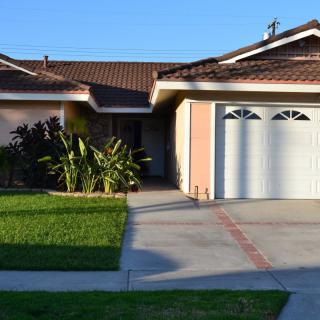
Loving Care Senior Home
$2,700 to $3,500 / month6.9 miles away -
from -$200 / mo
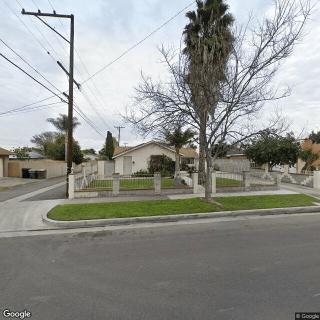
Bronwyn Residential Care
$2,300 to $3,500 / month2.1 miles away
Overall Review of Mary's Assisted Living Home
Pros
 They treated her like family and took great care of her.
- The staff went above and beyond to celebrate birthdays and holidays.
- They kept the family updated on how she was doing.
- Their kindness and professional care left a lasting impression.
Cons
 None found.
Review
Mary’s Assisted Living Home in Garden Grove is best suited for seniors who thrive in a warm, homelike environment where staff treat residents like family. Families seeking genuine attentiveness, regular updates, and a sense of celebration around birthdays and holidays will find this setting particularly comforting. The community appears well-matched to residents who do not require intensive medical intervention but value personalized, hands-on care and clear communication with loved ones. The emphasis on ongoing contact with family members suggests a culture where residents are cherished and guardians stay in the loop. For families wanting to participate in daily life decisions and feel confident about the treatment their loved one receives, this environment offers a reassuring fit.
However, those with higher medical needs or a desire for a more clinical, procedure-driven setting may want to consider alternatives. For seniors requiring skilled nursing, complex wound care, or robust dementia-specific programming, a larger facility with formal medical staffing could be a better match. Families prioritizing highly structured routines, expansive on-site amenities, or a wide array of therapy services might find Mary’s smaller, home-like approach feel limiting. Additionally, families seeking less family-driven culture or a more private, impersonal atmosphere may prefer other options that emphasize efficiency and standardized processes over personal warmth.
The strongest pros, the staff’s family-like treatment, the willingness to go above and beyond, and the consistent updates provided to families, directly counter a common concern that care homes can feel transactional or distant. When staff celebrate birthdays and holidays, residents experience a sense of continuity and belonging that can significantly reduce anxiety and isolation. The proactive communication helps families stay involved and reduces the guesswork about daily conditions. These benefits are especially meaningful for older adults who value emotional security and for relatives who want to avoid feeling out of the loop. While the single positive review highlights these advantages, the absence of any noted drawbacks also signals the need for prospective residents to verify consistency across shifts and seasons.
To assess fit in a practical way, prospective families should request a thorough in-person tour during active hours and observe how staff interact with residents. Inquiries should cover staff-to-resident ratios, staff training, and the turnover rate for caregivers, since continuity can shape daily experiences. It is essential to ask how care plans are developed, who approves changes, and how frequently families are updated outside of routine conversations. A clear calendar of activities, meal options, and transportation support will reveal how fully the home can sustain engagement and mobility for a loved one. Details about medication management, on-site oversight, and emergency procedures are non-negotiables in the decision-making process.
Ultimately, this community aligns with families seeking a genuinely warm, inclusive, and communicative environment where the resident feels like a member of a caring extended family. For those prioritizing daily warmth, personal touches, and transparent involvement, Mary’s Assisted Living Home stands out as a strong choice in Garden Grove. The caveat is that the model may not deliver the level of medical sophistication or the breadth of specialized programs some seniors require. Prospective buyers should avoid assuming uniformity from a single glowing review and instead validate consistency through a direct visit, a discussion of staff credentials, and a clear plan for evolving needs. With thoughtful due diligence, this home can become the right home, just not for every situation.
 Board and Care Home
 Memory Care
 Cats allowed
 Dogs allowed
 Private
 Long Beach (Daugherty) (10 miles away)
 Ambulatory care
 Incontinence care
 Understanding Medicaid Coverage for Assisted Living: A Comprehensive Guide
 How and When Medicaid May Cover Assisted Living Costs
 A Detailed Exploration of Assisted Living Medicaid Waivers Across the United States