
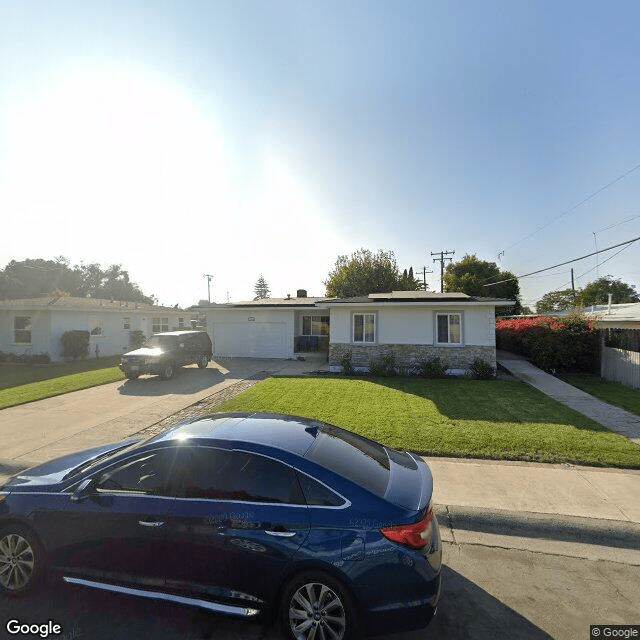
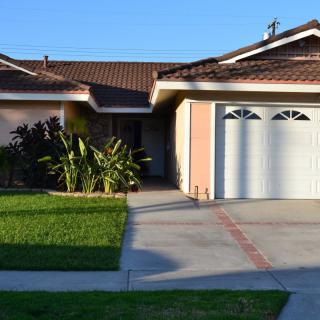
11861 Loraleen St, Garden Grove, CA 92841
To contact a resident: (714) 539-9093
For more information about senior living options: (866) 208-4318
Coast Senior Care 2 Costs & Pricing
Coast Senior Care 2 offers competitive pricing for its services, particularly in comparison to the broader market rates in Orange County and California. For a semi-private room, residents can expect to pay $2,500 per month, which is significantly lower than the county average of $3,431 and the state average of $3,333. This cost-effective option allows seniors to receive quality care without overextending their budgets. Additionally, for those seeking more privacy, a private room at Coast Senior Care 2 is priced at $3,500, again more affordable than the local average of $4,104 and the state average of $3,939. These pricing advantages make Coast Senior Care 2 an appealing choice for families seeking quality senior care solutions in a supportive environment.
| Floor plans | Coast Senior Care 2 | Orange County | California |
|---|---|---|---|
| Semi-Private | $2,500 | $3,431 | $3,333 |
| Private | $3,500 | $4,104 | $3,939 |
Senior living communities with a similar price nearby
-
from +$125 / mo

Berryman Health Inc
$2,625 to $3,050 / month8.1 miles away -
from +$300 / mo
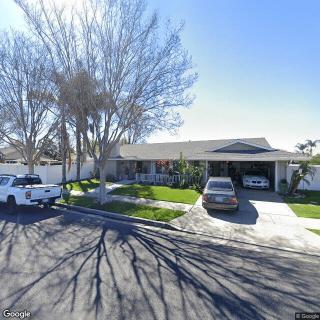
Candlewood Care Home III
$2,800 to $3,400 / month10.2 miles away -
from -$100 / mo
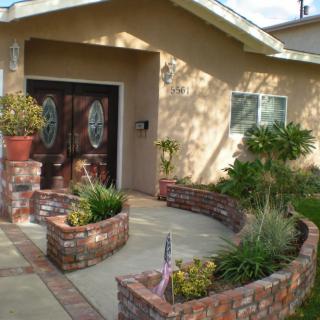
Living Well Care Home
$2,400 to $3,200 / month8.8 miles away -
from +$300 / mo
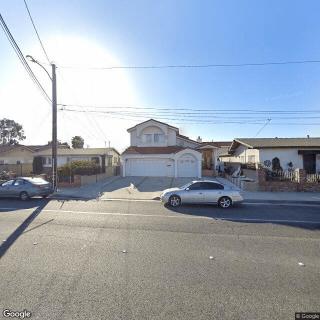
Leah Loving Elderly Care
$2,800 to $3,000 / month5.6 miles away -
from +$200 / mo
Loving Care Senior Home
$2,700 to $3,500 / month6.6 miles away
Overall Review of Coast Senior Care 2
Pros
 The caregivers at Maureen Guest Home are very kind.
- The care is provided in a warm, home-like setting.
- They offer 24/7 care, meals, medication management, and mobility assistance.
- The resident is well taken care of.
- The family feels relieved and no longer worries all the time.
Cons
 The mother had dementia and had been going downhill for years.
- It became impossible for the daughter to care for her mother on her own.
Review
Coast Senior Care 2 in Garden Grove is best suited for families seeking a small, homelike memory-care option where a loved one with dementia can receive around-the-clock supervision in a warm setting, with easy, day-to-day family involvement. The standout model in the available review centers on caregivers delivering 24/7 care, meals, medication support, and mobility assistance within what feels like a home rather than a hospital. For families balancing safety with intimate, personal care, this arrangement reduces constant caregiver stress while preserving the meaningful ability to visit and maintain a strong family connection.
Those weighing options should consider that this setting may not meet every family’s needs. If the priority is intensive medical oversight, frequent on-site physician access, or a robust slate of structured programming typical of larger memory-care campuses, alternatives with a broader clinical footprint could be preferable. Similarly, if the loved one requires highly specialized behavioral health management or if the family expects a formal continuum of care coordinated by hospital partners, a larger operator may deliver the level of medical coordination and diverse activities that such cases demand. For households prioritizing a bustling, activity-rich environment, it’s prudent to compare several options before deciding.
The strongest positives highlighted are precisely the human-centered attributes: a warm home-like atmosphere, staff who are described as genuinely kind, and around-the-clock capacity to address daily needs. The ability to provide meals, medications, and mobility support continuously translates into tangible safety and reliability for a person living with dementia. Crucially, the option for daily visitation by family removes a significant emotional burden, transforming caregiving from an all-consuming duty into a manageable, reassuring arrangement. In practical terms, these advantages often offset the absence of a more institutional feel by delivering steady, compassionate care that families can trust.
From an emotional standpoint, the setting often delivers meaningful psychological benefits for residents and their families. The narrative emphasizes a sense of belonging and continuity, where family members can maintain a close relationship and participate actively in daily routines. For dementia care, predictable schedules, familiar staff interactions, and ongoing family involvement can support mood, engagement, and overall quality of life. The practical impact, reliable supervision, consistent meals, and assistance with mobility, helps residents stay as independent and comfortable as possible within a safe, welcoming environment.
Yet the trade-offs are real. A smaller, private-home model does not inherently offer the breadth of medical resources or the dense calendar of social and therapeutic programming found on larger campuses. For residents with escalating clinical complexity, or for families seeking a robust, hospital-relinked care network, alternatives may provide greater reassurance. Prospective residents should verify staffing ratios, on-site nursing capabilities, medication-management processes, and the availability of visiting clinicians. Understanding emergency protocols, respite options, and how care plans are coordinated across providers will clarify whether this home-like approach remains sustainable as needs evolve.
In decision terms, Coast Senior Care 2 presents a compelling option for families prioritizing constant, compassionate care in a home-like environment with strong family involvement. It is especially appropriate when the goal is to relieve family caregivers while preserving daily contact and emotional closeness with the resident. If the list of priorities includes a larger campus, more formal medical oversight, or a more structured social program, other facilities should be explored and compared. The prudent path is to arrange visits, scrutinize staffing models and care plans, review sample daily routines, and request references. With due diligence, the choice will align with whether this warm, caregiver-led model matches the resident’s needs and the family’s expectations.
 Board and Care Home
 Activities on-site
 Private
 John Wayne Orange Co (10 miles away)
 Ambulatory care
 High acuity care
 Incontinence care
 Medication management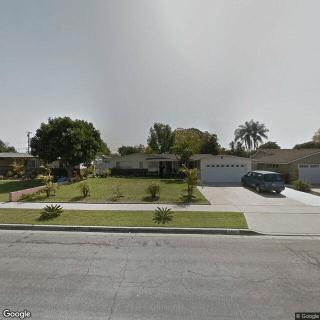
 Effective Strategies for Keeping Seniors' Minds Active: A Deep Dive into Brain Games and Apps
 In-Depth Look at the VA Aid and Attendance Program
 Nurturing Our Loved Ones: A Daughter's Journey in Caring for Her Mother