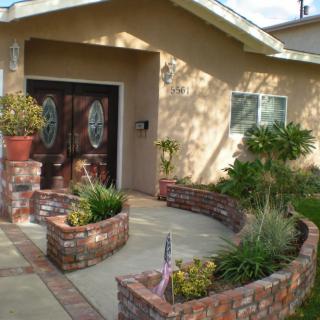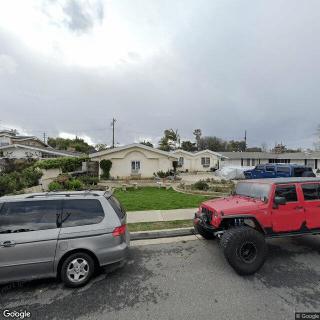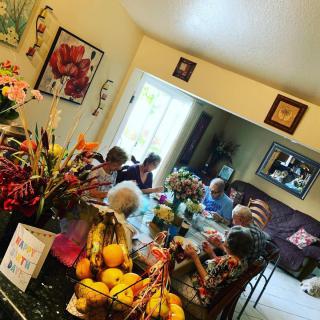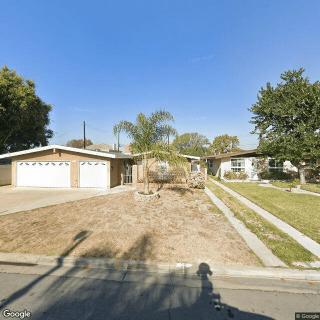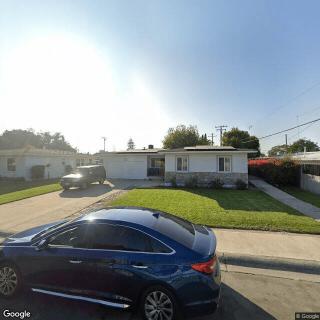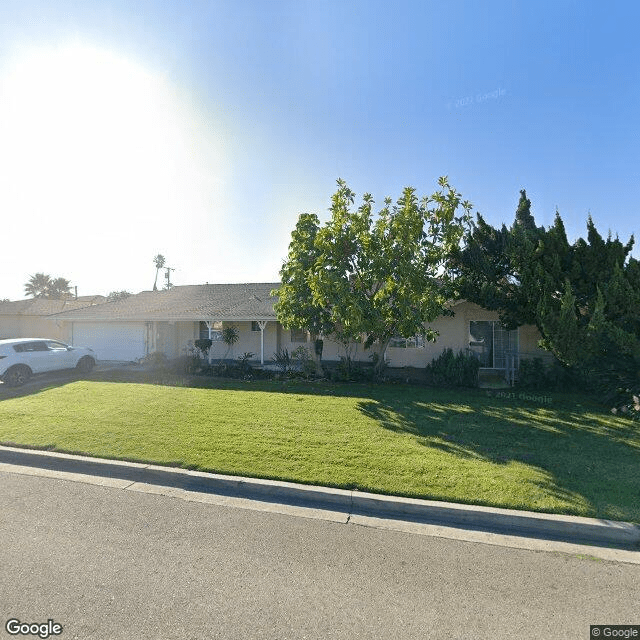
Sunflower Living in Garden Grove, CA

Save
Sunflower Living

Sunflower Living in Garden Grove, CA

Information last verified:

9282 Blanche Avenue, Garden Grove, CA 92841

For more information about senior living options: (844) 490-3973

4.7 from 3 reviews
5 stars
2
4 stars
1
3 stars
0
2 stars
0
1 stars
0

Sunflower Living Costs & Pricing

Sunflower Living offers a compelling value proposition when it comes to monthly living costs compared to the broader market in Orange County and California. For semi-private accommodations, residents pay $2,200, which is significantly lower than the county average of $3,431 and the state average of $3,333. Private rooms at Sunflower Living are priced at $3,000, again presenting a more affordable option than Orange County's $4,104 and California's $3,939 averages. Similarly, studio units are available for the same competitive rate of $3,000, contrasted with Orange County's average of $4,313 and California's statewide cost of $4,145. Overall, Sunflower Living stands out as an attractive choice for those seeking quality care without straining their budgets.

Floor plansSunflower LivingOrange CountyCalifornia
Semi-Private$2,200$3,431$3,333
Private$3,000$4,104$3,939
Studio$3,000$4,313$4,145

Overall Review of Sunflower Living

Pros

  • pro The place is awesome and highly recommended for grandparents.
  • pro The Sunflower Living facility has done a great job handling the situation.

Review

Sunflower Living in Garden Grove is best suited for seniors who want a solid, well-run assisted-living option that prioritizes reliability, routine, and a quiet, home-like atmosphere. It works well for families seeking a straightforward transition from independent living to ongoing assistance, with staff who are steady, attentive, and capable of supporting daily tasks without turning care into a dramatic experience. Residents who don’t require advanced medical interventions or dementia-specific programming will likely feel comfortable in this environment, where privacy, dignity, and predictable routines ground daily life. For many families, Sunflower Living represents the practical middle ground: a safe, approachable setting that emphasizes consistent care over glossy amenities. The emphasis is on steady caregiving, not on high-energy programming or resort-style perks, and that clarity of purpose is a real asset for those prioritizing stability.

Those weighing alternatives should consider options that significantly broaden engagement opportunities or offer specialized tracks. If a resident craves a robust activity calendar, frequent social outings, or deeply structured memory-care services, Sunflower Living may feel limiting. Similarly, families facing higher medical acuity, complex nursing needs, or advanced dementia may prefer a facility with dedicated memory-care wings, nurse-led oversight, and more specialized programming. Larger campuses with expansive programming, more frequent excursions, or a wider array of specialized services can be a better fit for residents who measure quality by activity variety and advanced clinical support. In short, the very strengths here, consistency, calm, and a homey vibe, also signal the kinds of trade-offs that matter in the decision process.

Pros emerge clearly in the feedback: residents and families describe Sunflower Living as an awesome place worth recommending for grandparent care, with a sense of warmth and trust that comes from consistent, attentive staff. The facility is portrayed as well managed, clean, and safe, delivering dependable daily routines and supportive hands when needed. The small scale appears to foster a feeling of personal attention; families notice caregivers who know the residents’ preferences, respond promptly, and sustain a respectful, dignified living environment. The overall rating, highly favorable, reflects satisfaction with the core caregiving experience: reliable assistance with activities of daily living, comfortable surroundings, and a calm, predictable pace that suits seniors who value stability. While not flashy, the core caregiving competence is what solidly anchors trust in this community.

However, the principal drawback highlighted is relatively modest: a need for more engaging activities. One reviewer explicitly notes that a richer calendar of resident programming would be a meaningful improvement, suggesting Sunflower Living is doing well but could push further in providing variety and opportunity for social participation. This is not a deal-breaker for most residents, but it is a tangible factor for families evaluating long-term engagement. The balance here rests on the belief that care quality and a peaceful setting can compensate for a lean activity lineup, particularly for residents who prefer small-group interactions, one-on-one outings, or time spent in quiet companionship rather than high-volume programming. For those who measure quality by daily stimulation and structured group events, this gap will feel more pronounced.

Garden Grove’s Sunflower Living benefits from location and atmosphere that suit steady, home-oriented living. The setting supports predictable routines, easy access to familiar neighborhoods, and a climate conducive to comfort and consistency. The small number of reviewed experiences amplifies the importance of visiting in person: the strongest signal is a firsthand sense of staff reliability, resident comfort, and how well personal preferences are accommodated day to day. Questions to explore during tours include staffing ratios across shifts, the availability of flexible activity options, and how the community handles residents who need more assistance at certain times. Prospective families should also inquire about meal quality, transportation for outings, and the openness of administration to tailor plans as needs evolve. In this context, Sunflower Living presents a dependable, low-effort decision for families prioritizing steadiness and a dignified pace.

In the end, Sunflower Living is a persuasive choice for a specific resident profile: an elder adult who thrives on routine, values a calm, respectful environment, and whose care needs are manageable within a supportive assisted-living framework. It is less compelling for those who want a bustling social scene, a wide array of daily activities, or specialized dementia care under one roof. For families, the decision comes down to alignment with personal priorities: if consistent caregiving and a homelike setting trump the desire for abundant programming, Sunflower Living delivers with quiet confidence. The prudent course is to visit, review the activity calendar, meet several staff members, and assess how well the current program could adapt to evolving needs. When those factors align, Sunflower Living stands as a solid, practically solidified option, competent, personable, and capable of offering peaceful, reliable days for an aging parent or grandparent.

Features

Housing

  • 6 resident community capacity 6 resident community capacity

Types of Care

  • Assisted Living Assisted LivingAssisted living facilities provide crucial support and care for seniors who may need help with daily tasks such as medication management, bathing, and meal preparation. These communities offer a safe and comfortable environment where seniors can maintain their independence while receiving the assistance they need to thrive in their golden years.
  • Board and Care Home Board and Care HomeBoard and care homes provide a smaller, more intimate setting for seniors who require assistance with daily tasks but do not need the level of care offered by a nursing home. They offer personalized care, meals, and social activities in a homelike environment, ensuring that seniors receive individualized attention and support in their golden years.
  • Memory Care Memory CareMemory care is crucial for seniors as it provides specialized support and services for individuals with dementia or Alzheimer's disease. These programs offer a safe and secure environment where residents receive personalized care, cognitive stimulation, and help with daily activities. Memory care helps seniors maintain their independence, quality of life, and dignity while also providing peace of mind for their families.

Pets

  • Cats allowed Cats allowed"Pet friendly" senior living communities are important for seniors because pets provide companionship, reduce feelings of loneliness and depression, promote physical activity and mental stimulation, and offer a sense of purpose and responsibility. Pets can improve overall well-being and quality of life for seniors in many ways.
  • Dogs allowed Dogs allowed"Pet friendly" senior living communities are important for seniors because pets provide companionship, reduce feelings of loneliness and depression, promote physical activity and mental stimulation, and offer a sense of purpose and responsibility. Pets can improve overall well-being and quality of life for seniors in many ways.

Amenities

  • Activities off-site Activities off-siteEngaging in off-site activities is crucial for seniors to maintain social connections, stay active, and stimulate their minds. It promotes overall well-being and helps combat feelings of isolation and loneliness.
  • Activities on-site Activities on-siteActivities on-site are important for seniors because they provide opportunities for socialization, mental stimulation, physical activity, and overall well-being. Engaging in activities can help seniors stay active, maintain their independence, and improve their quality of life.
  • Cable or satellite TV Cable or satellite TVCable or satellite TV is important for seniors because it provides entertainment, news, and companionship, helping to combat loneliness and boredom. It also offers a wide range of programming options tailored to different interests and preferences.
  • Dining room Dining roomDining rooms are important for seniors as they provide a space for socialization, connection, and nutritious meals. They offer opportunities for residents to bond over shared meals, foster a sense of community, and promote healthy eating habits. Dining rooms also ensure that seniors have access to well-balanced meals tailored to their dietary needs and preferences.
  • Fully furnished Fully furnishedFully furnished senior living communities are important for seniors because they provide convenience, comfort, and a hassle-free moving experience. Seniors can easily settle into their new living space without the stress of having to buy and move furniture. This allows them to focus on enjoying their new home and community.
  • Garden GardenGardens are important for seniors as they provide a peaceful and therapeutic environment for relaxation, physical activity, and socialization. Being in nature has been shown to reduce stress, improve mood, and promote overall well-being. Gardens also offer opportunities for seniors to engage in gardening activities, which can improve mobility, flexibility, and cognitive function. Additionally, gardens create a sense of community and connection with others who share a passion for plants and outdoor spaces.
  • Housekeeping services Housekeeping servicesHousekeeping services are important for seniors because they help maintain a clean and safe living environment, promote independence, and reduce the risk of accidents or illnesses. Additionally, having assistance with household chores can alleviate physical strain and allow seniors to focus on other aspects of their well-being.
  • Indoor common areas Indoor common areasIndoor common areas are crucial for seniors as they provide a space for socialization, recreation, and community engagement, promoting overall well-being and reducing feelings of isolation and loneliness.
  • Move-in coordination Move-in coordinationMove-in coordination is important for seniors because it helps ease the transition into their new living environment. It ensures that all logistics, such as packing, organizing movers, and setting up utilities are taken care of, allowing seniors to focus on settling in and adjusting to their new home. Having a smooth move-in process can alleviate stress and anxiety, making the transition smoother and more enjoyable for seniors.
  • Outdoor common areas Outdoor common areasOutdoor common areas are important for seniors as they provide a space for socialization, physical activity, and relaxation. Being outside in nature can improve mood and overall well-being, while also encouraging movement and engagement with others. These spaces can help combat feelings of isolation and promote a sense of community among residents.
  • Outdoor space Outdoor spaceOutdoor spaces are important for seniors as they provide opportunities for physical activity, social interaction, exposure to natural light and fresh air, and a sense of connection to nature. Having access to outdoor spaces can improve overall well-being and quality of life for older adults living in senior communities.
  • Private PrivatePrivacy is important for seniors as it allows them to maintain their independence, dignity, and sense of control over their own lives. It also gives them the space and freedom to relax, reflect, and engage in activities that bring them joy and fulfillment. Creating private spaces within senior living facilities is crucial for promoting overall well-being and quality of life.
  • Telephone TelephoneTelephones are important for seniors as they provide a lifeline for communication with loved ones, emergency services, and healthcare providers. They offer a sense of security and independence, enabling seniors to stay connected and access assistance when needed.
  • Wi-Fi/high-speed internet available Wi-Fi/high-speed internet availableWi-Fi/high-speed internet is important for seniors to stay connected with loved ones, access online resources, and participate in virtual activities to combat feelings of loneliness and isolation. It also allows them to easily manage healthcare needs, access entertainment, and engage in lifelong learning opportunities.

Transportation

  • John Wayne Orange Co (10 miles away) John Wayne Orange Co (10 miles away)
  • Long Beach (Daugherty) (11 miles away) Long Beach (Daugherty) (11 miles away)

Care Services

  • 24-hour supervision 24-hour supervision24-hour supervision is important for seniors to ensure their safety, well-being, and access to immediate assistance in case of emergencies or health issues. This constant support provides peace of mind for both seniors and their loved ones, allowing them to age in place with dignity and security.
  • Activities of daily living assistance Activities of daily living assistanceActivities of daily living assistance are important for seniors because they provide essential support with tasks such as eating, bathing, dressing, and mobility. This assistance helps seniors maintain their independence, dignity, and overall quality of life as they age.
  • Ambulatory care Ambulatory care"Ambulatory care services provide essential medical support and treatment to seniors without requiring hospitalization, allowing them to maintain their independence and quality of life while managing chronic conditions or receiving routine medical care."
  • Assistance with bathing Assistance with bathingAssistance with bathing is crucial for seniors as it helps maintain personal hygiene, prevents infections, and ensures their overall well-being and comfort. It also provides a sense of dignity and independence for seniors who may struggle with this task on their own.
  • Assistance with dressing Assistance with dressingAssistance with dressing is important for seniors because it helps maintain their independence, promotes personal hygiene, prevents accidents and injuries, and improves overall quality of life. This service ensures that seniors can continue to dress comfortably and confidently, despite any physical limitations they may have.
  • Assistance with transfers Assistance with transfersAssistance with transfers is crucial for seniors as it helps prevent falls and injuries, maintains their independence, and ensures they can safely navigate their living environment. It also provides peace of mind for both seniors and their loved ones.
  • Coordination with health care providers Coordination with health care providersCoordination with health care providers is crucial for seniors to ensure proper medical care, medication management, and overall well-being. This collaboration helps prevent overlapping treatments, track progress more effectively, and provide comprehensive support tailored to individual needs.
  • Diabetes diet Diabetes dietA diabetes diet is crucial for seniors as it helps manage blood sugar levels, reduce risks of complications, and improve overall health and well-being. By following a balanced and nutritious diet tailored to their specific needs, seniors can better control their diabetes and enhance their quality of life.
  • Incontinence care Incontinence careIncontinence care is essential for seniors to maintain their dignity, hygiene, and overall quality of life. By addressing incontinence issues promptly and effectively, seniors can enjoy a sense of independence and comfort in their daily activities.
  • Meal preparation and service Meal preparation and serviceMeal preparation and service are crucial for seniors as they may have limited mobility or energy to cook nutritious meals. Having access to healthy and convenient food options can ensure they are getting the proper nutrition needed to maintain their overall health and well-being.
  • Medication management Medication managementMedication management is crucial for seniors to ensure they are taking the right medications at the correct dosages and times. This helps prevent adverse drug interactions, reduces the risk of medication errors, and promotes overall health and well-being. Proactive management also allows for adjustments as needed based on changing health conditions or new prescriptions.
  • Special dietary restrictions Special dietary restrictionsSpecial dietary restrictions are important for seniors because age-related changes in metabolism and health conditions can make it difficult for their bodies to process certain foods. By following a diet tailored to their specific needs, seniors can maintain their overall health and well-being, manage chronic conditions, and reduce the risk of complications such as malnutrition or food interactions with medications.
  • Transportation arrangement (medical) Transportation arrangement (medical)Transportation arrangements for medical purposes are essential for seniors as they may have difficulty driving themselves to appointments or accessing public transportation. Having reliable and safe transportation options ensures that seniors can receive timely medical care and maintain their health and well-being.
  • Transportation to doctors appointments Transportation to doctors appointmentsTransportation to doctors' appointments is crucial for seniors as it ensures they have access to necessary medical care and support for their health needs. Without reliable transportation, seniors may struggle to attend important appointments, leading to potential delays in treatment and health complications. Providing transportation services helps seniors maintain their overall well-being and quality of life.

Dining

  • Diabetes diet Diabetes dietA diabetes diet is crucial for seniors as it helps manage blood sugar levels, reduce risks of complications, and improve overall health and well-being. By following a balanced and nutritious diet tailored to their specific needs, seniors can better control their diabetes and enhance their quality of life.
  • Meals provided Meals provided"Meals provided" are crucial for seniors in assisted living communities as it ensures they have access to nutritious, balanced meals without the stress of meal planning and preparation. This can help promote overall health and well-being for seniors who may have limited mobility or cognitive abilities.
  • Special dietary restrictions Special dietary restrictionsSpecial dietary restrictions are important for seniors because age-related changes in metabolism and health conditions can make it difficult for their bodies to process certain foods. By following a diet tailored to their specific needs, seniors can maintain their overall health and well-being, manage chronic conditions, and reduce the risk of complications such as malnutrition or food interactions with medications.

Activities

  • Activities off-site Activities off-siteEngaging in off-site activities is crucial for seniors to maintain social connections, stay active, and stimulate their minds. It promotes overall well-being and helps combat feelings of isolation and loneliness.
  • Activities on-site Activities on-siteActivities on-site are important for seniors because they provide opportunities for socialization, mental stimulation, physical activity, and overall well-being. Engaging in activities can help seniors stay active, maintain their independence, and improve their quality of life.
  • Community-sponsored activities Community-sponsored activitiesCommunity-sponsored activities are important for seniors as they provide opportunities for social interaction, mental stimulation, and physical activity. These activities can help improve overall well-being, combat loneliness and isolation, and promote a sense of belonging and purpose among older adults.
  • Scheduled daily activities Scheduled daily activitiesScheduled daily activities are important for seniors because they provide structure, socialization, mental stimulation, and physical activity. Engaging in regular activities can improve overall well-being and quality of life for seniors living in a community setting.

Description

Sunflower Living is an assisted living community located in the vibrant city of Garden Grove, CA. This community offers two types of care - board and care home, as well as memory care, catering to the specific needs of individual residents.

Residents at Sunflower Living can enjoy a wide range of amenities designed to enhance their quality of life. There are numerous on-site activities available, ensuring that residents have plenty of opportunities for social interaction and engagement. Cable or satellite TV is provided for entertainment purposes, while a spacious dining room allows residents to enjoy delicious meals together. Each living space is fully furnished to provide comfort and convenience, and housekeeping services ensure a tidy and clean environment.

Indoor common areas are available for residents to relax and mingle with others, while outdoor common areas provide a tranquil space surrounded by beautiful gardens. Residents have access to private spaces and can stay connected with loved ones through telephone service and Wi-Fi/high-speed internet.

The dedicated staff at Sunflower Living provides personalized care services tailored to meet the needs of each resident. Assistance with daily living activities such as bathing, dressing, and transfers is provided, ensuring that residents can maintain their independence with dignity. The staff also coordinates with healthcare providers to ensure seamless medical care for residents. Special dietary needs are addressed through diabetes diets and special dietary restrictions.

Transportation arrangements are made for medical appointments, allowing residents to easily access healthcare facilities when needed. Additionally, transportation services within the community are available for recreational purposes.

Sunflower Living offers nutritious meals that cater to various dietary requirements. Special dietary restrictions are accommodated so that everyone can enjoy delicious meals in accordance with their individual needs.

Engaging in stimulating activities is an important part of life at Sunflower Living. In addition to on-site activities organized by the community itself, there are also community-sponsored activities that bring residents together. Scheduled daily activities ensure that there are always options for recreation and socialization.

Conveniently located near cafes, parks, pharmacies, physicians, restaurants, transportation options, places of worship, theaters, and hospitals, Sunflower Living allows residents to easily access various amenities and services in the surrounding area.

Overall, Sunflower Living provides a warm and welcoming environment where residents can receive personalized care while enjoying a range of amenities and engaging in meaningful activities.

Nearby Places of Interest

This part of Garden Grove, California offers a variety of amenities that would be beneficial for seniors looking to relocate to the area. There are several pharmacies and hospitals within close proximity, providing easy access to healthcare services. Additionally, there are multiple parks nearby for leisurely strolls and outdoor activities. The abundance of cafes and restaurants offer plenty of dining options, while theaters and places of worship provide opportunities for entertainment and spiritual fulfillment. Transportation options are also convenient with Disneyland Monorail stations and car rental services available. Overall, this neighborhood combines accessibility to essential services with recreational facilities, making it a suitable choice for seniors seeking a comfortable and vibrant community.

Pharmacies

  • CVS Pharmacy (0.6 miles)
  • CVS Pharmacy (1.3 miles)
  • Walgreens (1.3 miles)
  • Walgreens (1.6 miles)
  • Walgreens (2.2 miles)
  • Walgreens (2.3 miles)
  • CVS Pharmacy (3 miles)

Parks

  • Faylane Park (1 miles)
  • Willow Park (3.1 miles)
  • Mile Square Regional Park (5 miles)
  • Central Park / La Palma Recreation & Community Services (5.8 miles)
  • Huntington Central Park (6.1 miles)
  • Rossmoor Park (6.2 miles)

Cafes

  • Starbucks (1.3 miles)
  • Starbucks (1.4 miles)
  • Starbucks (3.2 miles)
  • La Brea Bakery Express (3.3 miles)
  • New Orleans Square (3.3 miles)
  • Hollywood Land (3.4 miles)
  • Jolly Holiday Bakery Cafe (3.4 miles)

Restaurants

  • Lee's Sandwiches (1.3 miles)
  • In-N-Out Burger (1.5 miles)
  • In-N-Out Burger (2.8 miles)
  • Trader Sam's Enchanted Tiki Bar (3 miles)
  • Storytellers Cafe (3.2 miles)
  • Disney California Adventure Park (3.2 miles)
  • Ghirardelli Soda Fountain & Chocolate Shop (3.2 miles)

Hospitals

  • Kindred Hospital Westminster (2.1 miles)
  • Anaheim Regional Medical Center (4.8 miles)
  • Choc (6 miles)

Transportation

  • Disneyland Monorail - Downtown Disney District Station (3.1 miles)
  • DLRR New Orleans Station (3.3 miles)
  • Drr Toontown Station (3.6 miles)
  • Disneyland Monorail (3.6 miles)
  • Drr Tomorrowland Station (3.6 miles)
  • Hertz Rent A Car (3.7 miles)
  • Artic (5.5 miles)

Theaters

  • Century Huntington Beach And Xd (3.9 miles)
  • AMC Movie Theater (4.4 miles)
  • AMC DINE-IN Fullerton 2 (6 miles)
  • Century Theatres (6 miles)

Physicians

  • Dostzada, Ghulam Dr - Los Alamitos Cardiovascular (4.2 miles)
  • The 200 Building (4.4 miles)
  • Kaiser Permanente, Euclid & Romneya (4.7 miles)

Places of Worship

  • Chinese Baptist Church (4.8 miles)
  • Cottonwood Church (4.9 miles)
  • Saint Hedwig Catholic Church (5.8 miles)

Frequently Asked Questions

How much does it cost to live at Sunflower Living in Garden Grove, CA?
Where is Sunflower Living?
Does Sunflower Living provide care for residents with dementia or Alzheimer's disease?
Does Sunflower Living allow residents to have pets?

Nearby Communities

  • Paradise For The Elderly

    Paradise For The Elderly

    Garden Grove, CA

    4 from 1 review
     

    pro Warm, socially engaging community with attentive staff, communal dining, and regular activities.

  • Missy's Guest Homes

    Missy's Guest Homes

    Garden Grove, CA


    pro Home-like board-and-care with 24-hour supervision, ADL support, diabetes-friendly meals, transportation to appointments, and on-site amenities.

  • Missy's Guest Home

    Missy's Guest Home

    Garden Grove, CA

    2.3 from 3 reviews
    $2,200 to $3,000 / month

    pro Clean, well-maintained home with a caring staff and private rooms.

  • Garden Of Eden Guest Home

    Garden Of Eden Guest Home

    Garden Grove, CA


    pro Fully furnished, comprehensive assisted living with meals, care, and activities.

  • Alper's Care Home

    Alper's Care Home

    Garden Grove, CA

    4.8 from 9 reviews
    $3,000 to $3,700 / month

    pro Clean, warm, and compassionate care with attentive staff in a homelike setting.

  • Coast Senior Care 2

    Coast Senior Care 2

    Garden Grove, CA

    5 from 1 review
    $2,500 to $3,500 / month

    pro Competitive pricing with private and semi-private rooms.

  • Rowntree Gardens

    Rowntree Gardens

    Stanton, CA

    4.6 from 157 reviews
    $3,793 to $6,296 / month

    pro Warm, caring staff and residents in a welcoming, faith-based community with excellent dining and pleasant gardens.

  • Coventry Court Health Center

    Coventry Court Health Center

    Anaheim, CA

    4.2 from 107 reviews
     

    pro High-quality care with compassionate staff, a clean, hotel-like environment, and robust amenities.

  • Westminster Terrace

    Westminster Terrace

    Westminster, CA

    4.4 from 37 reviews
    $3,000 to $4,100 / month

    pro Friendly staff, restaurant-style dining, and a well-maintained, inviting environment.

Related Resources

  • va nursing homeComprehensive Guide to VA Nursing Homes: A Crucial Long-Term Care Resource for Veterans

    VA nursing homes, or Community Living Centers (CLCs), offer tailored long-term care for veterans, featuring medical attention and rehabilitation in a supportive environment. The guide covers facility types, eligibility criteria, financial assistance options, quality of care standards, and alternatives to full-time nursing home placement.

  • in home dementia care costsEstimating the Expenses of At-Home Dementia Care: A Detailed Exploration

    At-home dementia care expenses vary widely based on care levels, location, and caregiver expertise, with monthly costs for home health aides exceeding $4,500 and specialized care potentially surpassing $100,000 annually. While families favor in-home care for its comfort and personalized attention, they must consider financial planning and the challenges of caregiver fatigue.

  • end stage dementiaComprehensive Insights on the Late Stages of Dementia: What to Expect and How to Provide Care

    The article discusses the late stages of dementia, detailing the progression from mild to severe impairment and highlighting key characteristics such as profound cognitive decline and dependency in daily activities. It emphasizes care strategies focused on comfort and dignity, the importance of advance directives, and the emotional support needed for family caregivers facing this challenging journey.