
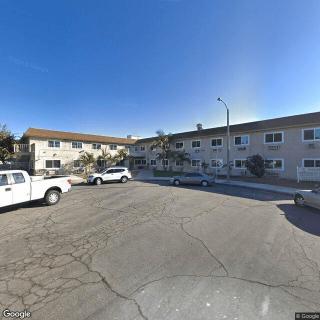
1037 Richman Avenue, Fullerton, CA 92835
For more information about senior living options: (866) 208-4318
Arc Facility At Richman Costs & Pricing
At the Arc Facility At Richman, the monthly cost for a private room is set at $4,300. When compared to the broader market, this rate slightly exceeds the average for Orange County, where private rooms typically average around $4,104. Furthermore, it is also higher than California's overall average of $3,939 for similar accommodations. This pricing reflects not only the quality of care and specialized services offered at the Arc Facility but also highlights its positioning within a competitive landscape that values both locality and service excellence.
| Floor plans | Arc Facility At Richman | Orange County | California |
|---|---|---|---|
| Private | $4,300 | $4,104 | $3,939 |
Assisted Living communities with a similar price nearby
-
from -$305 / mo
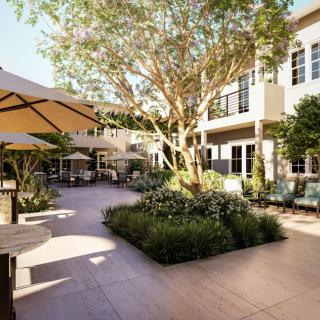
Cadence Brea
$3,995 to $5,500 / month3.3 miles away -
from -$800 / mo
Kind Heart Home Care VI
$3,500 to $5,000 / month21.9 miles away -
from -$800 / mo
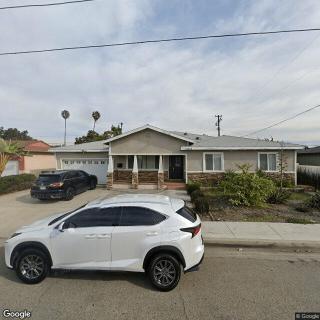
Loving Home Care
$3,500 to $4,500 / month8.8 miles away -
from -$300 / mo
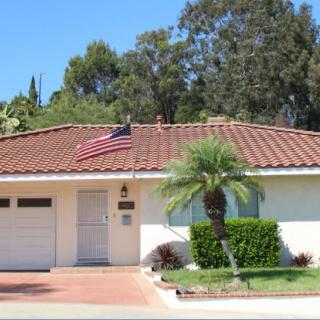
Palomino Residential Care
$4,000 to $6,000 / month16.1 miles away -
from -$800 / mo

Sam's Homecare
$3,500 to $5,500 / month7.5 miles away
Overall Review of Arc Facility At Richman
Pros
 Arc Facility at Richman is fantastic.
- The caregivers are very good.
- The owner is very available to talk to when needed.
- Residents have 24-hour nursing support.
- Residents enjoy the food.
- The staff members are wonderful.
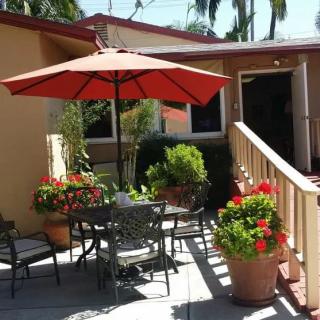
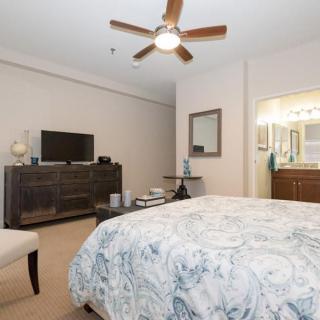
- The facility is warm and inviting, and residents have their own rooms.
Cons
 The place itself is an older home.
- She’s not eating very much now.
Review
Arc Facility at Richman in Fullerton is best suited for families seeking an intimate, hands-on living option for an aging loved one who benefits from continuous nursing oversight and a true home-like atmosphere. This community shines for residents who need daily caregiver attention and appreciate personal access to leadership. The arrangement works especially well when hospice care is involved, as the 24-hour nursing presence guarantees steady symptom management, coordination with hospice teams, and a reassuring sense of security. A private room reinforces dignity and autonomy, allowing the resident to settle in without sharing close quarters, which matters for comfort and privacy in delicate health moments.
For families evaluating alternatives, this setting may feel less appropriate for those chasing a larger campus feel, a broader slate of clinical services, or extensive specialty programming. Communities with more formal memory-care environments, more extensive on-site medical staffing beyond hospice coordination, or a wider array of high-energy activities might be a better match. If independence in a bustling, multi-wing environment is a priority, Arc Facility at Richman could fall short of expectations. Likewise, families seeking cutting-edge amenities or prestigious-brand facilities should consider other options that foreground a big-city-scale operation.
The strongest positives here are concrete and actionable. Caregivers are described as very good, delivering reliable, compassionate support that families can trust during difficult times. The owner’s accessibility stands out, being available to speak whenever concerns arise reduces friction and accelerates problem-solving. The presence of a nurse around the clock is transformative for families with a loved one on hospice, ensuring medication management, pain control, and swift responses to changes in condition. A private room reinforces individuality and privacy, while the warm, inviting older-home ambiance helps residents feel at ease and less like a patient in a clinical setting.
Equally meaningful are the softer, everyday benefits that offset the potential drawbacks of an older facility footprint. The homey atmosphere matters when mood and comfort can influence appetite, sleep, and engagement; residents respond to a space that feels familiar and comforting. Activities exist, and the community benefits from volunteers who bring companionship and social opportunities to residents who cannot participate fully at all times. Mealtime remains a positive touchpoint, one resident mentions liking the food, which matters not only for nutrition but for dignity and routine. These elements together create a cohesive, supportive environment that mitigates the limitations typically associated with smaller, older homes.
Even where the setting feels dated, the care model delivers compensation. The intimate scale fosters personalized attention that larger environments often struggle to match, and the hands-on availability of leadership minimizes bureaucratic delays. For families confronting serious illness, the combination of private accommodations, consistent nursing presence, and a warm, resident-centered culture translates into meaningful peace of mind. Yet prospective residents should realistically assess accessibility and layout implications for mobility needs, as well as how a quieter, home-based schedule aligns with expectations for socialization and activity variety. The overall package remains strong, with care quality and human connection driving the decision.
In the end, Arc Facility at Richman serves a distinct niche: families prioritizing continuous nursing support, a private living arrangement, and a genuine home-like feel over the polish of a modern clinical campus. This is not a place for those seeking a high-energy, hospital-like environment or expansive medical programming. It is, instead, a solid, compassionate option for hospice-angled care or for seniors who thrive on close, responsive staff and a warm, familiar setting. Prospective residents should schedule a tour focused on nursing responsiveness, room availability, and the daily rhythm of activities to confirm alignment with expectations. Engage with the owner about care plans, discuss hospice coordination in detail, and verify meal structure and resident preferences to ensure the fit is right before deciding.
 6 resident community capacity
 Assisted Living
 Board and Care Home
 Cable or satellite TV
 Dining room
 Fully furnished
 Garden
 Housekeeping services
 Move-in coordination
 Outdoor space
 Telephone
 Wi-Fi/high-speed internet available
 Long Beach (Daugherty) (13 miles away)
 24-hour supervision
 Activities of daily living assistance
 Assistance with bathing
 Assistance with dressing
 Assistance with transfers
 Diabetes diet
 Meal preparation and service
 Medication management
 Special dietary restrictions
 Transportation arrangement (medical)
 Transportation to doctors appointments



 Comprehensive Insights into Activities of Daily Living (ADLs) and Their Assessment
 Medicare Coverage for Assisted Living: An In-Depth Exploration
 Choosing the Right Senior Care: A Detailed Exploration of Assisted Living and Nursing Homes