
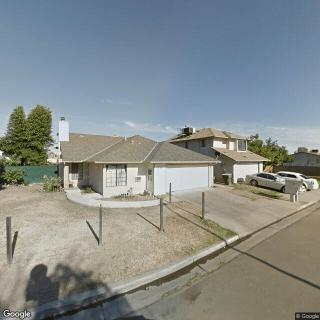
4093 West Terrace Avenue, Fresno, CA 93722
For more information about senior living options: (866) 208-4318
Overall Review of Williams Whittle Residential Care Home 3
Pros
 The community is quiet, peaceful, and supportive.
- The staff provide exceptional care and compassion, treating every need with dignity and respect.
- The team is highly trained, professional, and genuinely caring, giving families peace of mind.
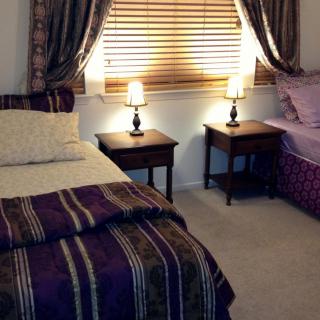
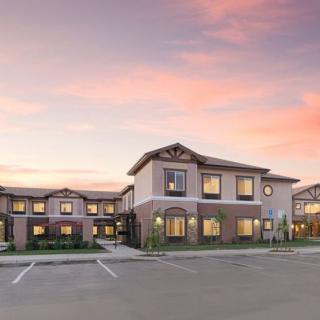
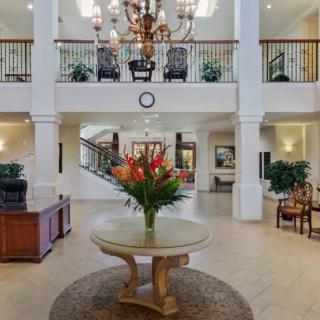
- The facilities are clean, comfortable, and well-maintained, creating a warm and welcoming environment.
- Northwest Villa Assisted Living has a wonderful team dedicated to residents' happiness and health.
- Northwest Villa offers exceptional service and a warm community, making it stand out.
- The compassionate staff at Northwest Villa make all the difference, helping residents feel at home.
- Northwest Villa Assisted Living exceeds expectations with professional staff and a beautiful facility.
- The owner is involved in residents' well-being, contributing to a truly nurturing environment.
- The facility provides regular updates to families with photos and videos, keeping them connected.
Review
This community is best suited for families seeking a small, home-like assisted living experience where residents receive intensely personalized attention, consistent warmth, and hands-on leadership from the owner/manager. It shines for seniors who value dignity, quiet daytime rhythms, easy access to staff, and a culture of genuine care in a bright, well-kept setting. The environment suits those transitioning from hospital care or needing steady daily support with activities of daily living, meals, and gentle supervision, all delivered with a strong emphasis on respectful, patient-centered interactions. It is particularly well-matched for residents who do not require a large campus’s extensive medical infrastructure but do require reliable everyday assistance and a sense of belonging.
Those considering alternatives should recognize this small-home model has limits that matter for certain needs. Programs with robust 24/7 nursing on site, extensive skilled medical services, or dementia-specific units on a larger campus may be better fits for residents with high-acuity medical conditions or advanced memory care requirements. Families relying on Medicaid/ALW-like support programs or seeking a broad menu of therapeutic services (rehab, complex wound care, large-scale activity departments) may find more suitable options elsewhere. For anyone prioritizing a true hospital-to-home discharge workflow with aggressive clinical oversight, it is prudent to compare with bigger facilities.
The strongest positives consistently highlighted are the staff’s compassion and professionalism, the clean, comfortable, and homey atmosphere, and the sense that residents are genuinely cared for. Reviews repeatedly describe teams that go above and beyond, with highly trained caregivers who treat residents with dignity and respect. The owner’s involvement stands out as a differentiator, producing clear accountability and rapid problem-solving. The physical environment, private rooms in many cases, appealing common areas, and a remodel that reinforces a welcoming vibe, reinforces daily comfort and peace of mind for families and residents alike. Meals, laundry, and assistance with personal care are delivered in a seamless, reassuring routine.
These strengths offset the primary trade-off inherent in a smaller operation: fewer on-site medical resources and a tighter service box than a large community can offer. The practical effect is that residents receive meticulous, individualized attention and quicker adjustments to care plans, often backed by proactive coordination with hospitals or discharge planners when transitions occur. Family communication is a clear win, with frequent updates and a visible commitment to keeping loved ones engaged and well cared-for. While the depth of clinical offerings may not match a big campus, the consistency, warmth, and hands-on management tends to compensate for that gap in ways that matter most to many families.
Prospective decision-makers should verify a few practical details to ensure alignment with needs and expectations. Confirm the on-site nursing coverage and the availability of medical staff for emergencies or urgent needs. Review how care plans are created and updated, and request recent care notes and example daily schedules. Inquire about memory care capabilities if dementia is a concern, and ask for references from families with residents at similar acuity levels. Discuss costs and what is included versus add-ons, and tour the home to assess whether the atmosphere truly matches the described warmth and routine.
In the end, this community presents a compelling choice for families prioritizing intimate, attentive care in a warm, well-kept setting with clear owner involvement and strong family communication. It is a standout option for those who value a serene, home-like daily experience over the scale of a larger campus. For residents requiring advanced medical services, large-scale therapies, or dementia-specific programming, alternatives with broader clinical offerings should be explored. The next decisive step is a direct tour, candid discussions with leadership, and a careful review of care plans and pricing to confirm the fit.
 6 resident community capacity
 Assisted Living
 Board and Care Home
 Cable or satellite TV
 Dining room
 Fully furnished
 Garden
 Housekeeping services
 Move-in coordination
 Outdoor space
 Telephone
 Wi-Fi/high-speed internet available
 Fresno Yosemite International (8 miles away)
 24-hour supervision
 Activities of daily living assistance
 Assistance with bathing
 Assistance with dressing
 Assistance with transfers
 Diabetes diet
 Meal preparation and service
 Medication management
 Special dietary restrictions
 Transportation arrangement (medical)
 Transportation to doctors appointments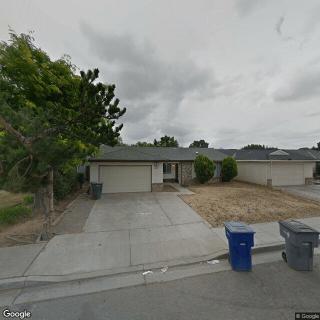

 When to Transition from Assisted Living to Memory Care: Key Indicators, Steps, and Finding the Right Community
 Assisted Living and Memory Care: Understanding Their Core Differences
 Beyond the Bingo Hall: 50+ Enriching Activities for Seniors in Assisted Living