
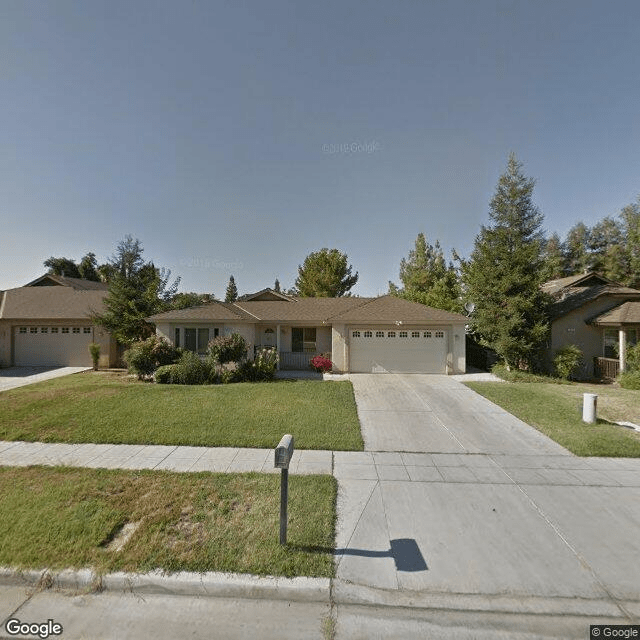
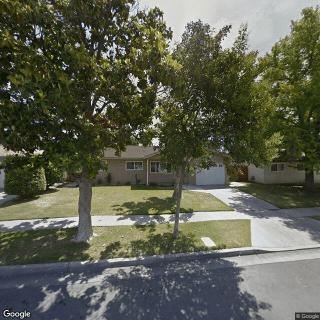
3618 West Dayton Avenue., Fresno, CA 93722
For more information about senior living options: (866) 208-4318
Ideal Home Costs & Pricing
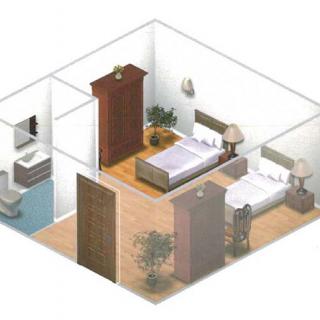
At Ideal Home, we strive to offer competitive pricing while maintaining a high standard of care and comfort. For our semi-private rooms, residents can expect a monthly fee of $2,800, significantly lower than the average costs in Fresno County ($2,991) and across California ($3,333). Our private rooms are priced at $3,200, which again positions them favorably compared to Fresno's average of $3,589 and California's statewide average of $3,939. Finally, our one-bedroom units are available for $3,500 - a cost that remains competitive against Fresno County's average of $3,398 and California's statewide benchmark of $4,340. This careful pricing strategy reflects our commitment to providing quality living spaces that accommodate diverse needs without compromising affordability.
| Floor plans | Ideal Home | Fresno County | California |
|---|---|---|---|
| Semi-Private | $2,800 | $2,991 | $3,333 |
| Private | $3,200 | $3,589 | $3,939 |
| 1 Bedroom | $3,500 | $3,398 | $4,340 |
Memory care communities with a similar price nearby
-
About the same
Chateau Jesadean
$2,800 / month4.1 miles away -
from -$200 / mo
Northwest Villa
$2,600 / month4.0 miles away -
from +$400 / mo
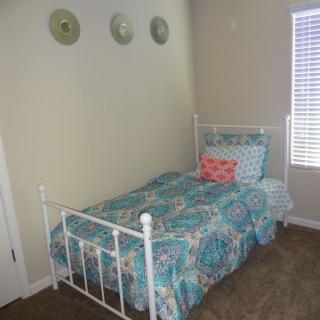
Blossom Creeks Assisted Living
$3,200 to $3,800 / month11.1 miles away -
from +$500 / mo
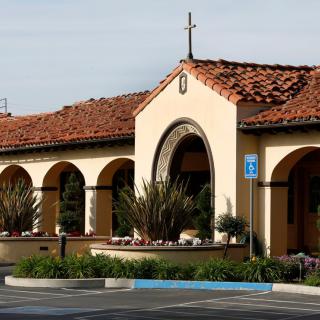
Nazareth House
$3,300 / month4.8 miles away -
from +$400 / mo
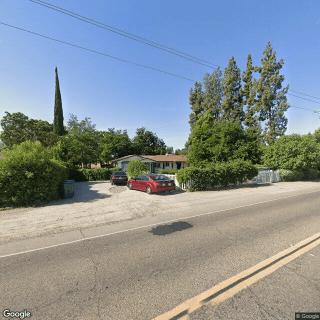
Clovis Guest Home
$3,200 / month12.2 miles away
Overall Review of Ideal Home
Pros
 Greg and his caregivers are amazing.
- They truly care for their patients' well-being.
Review
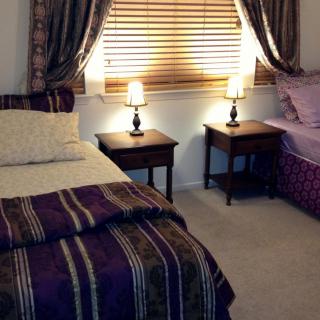
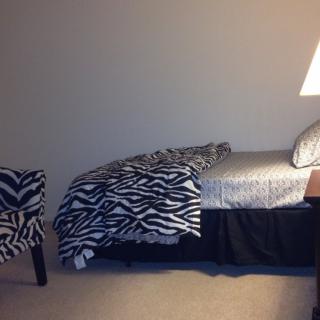
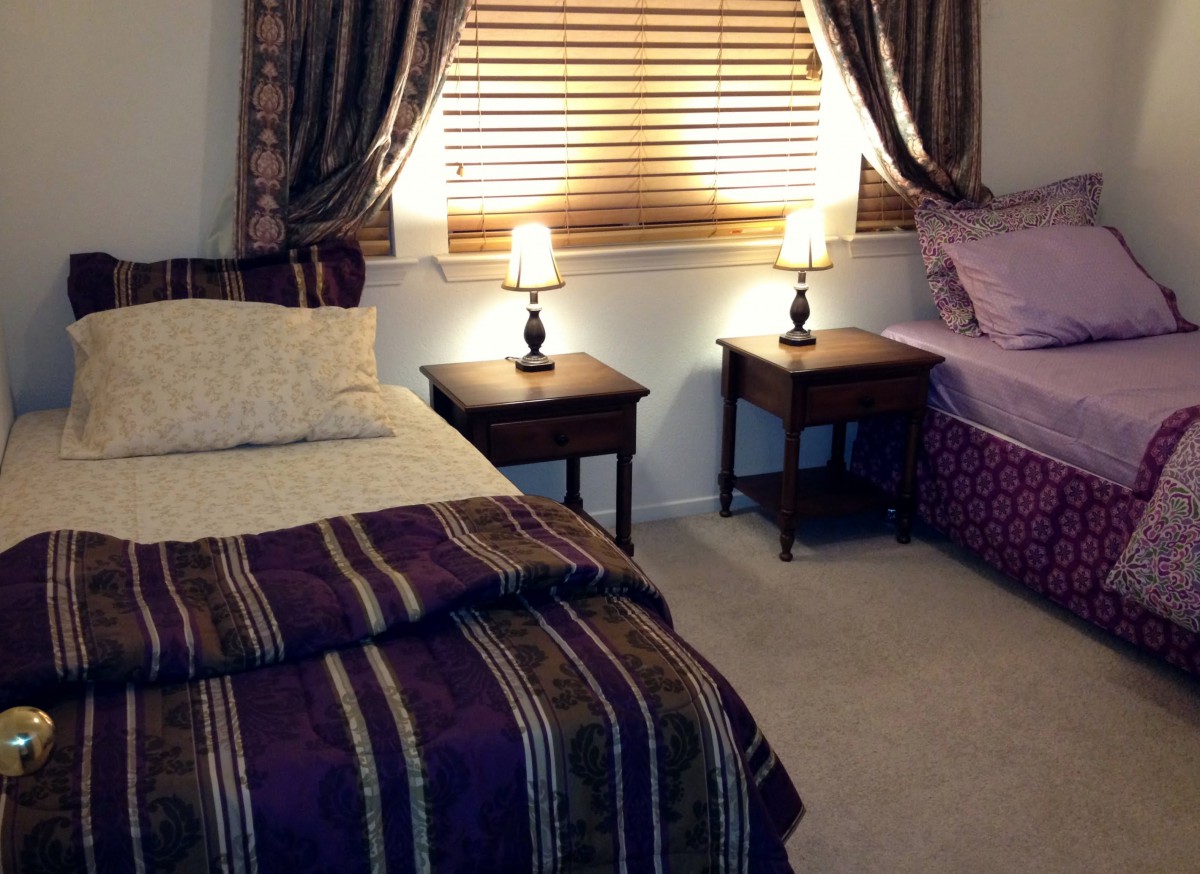
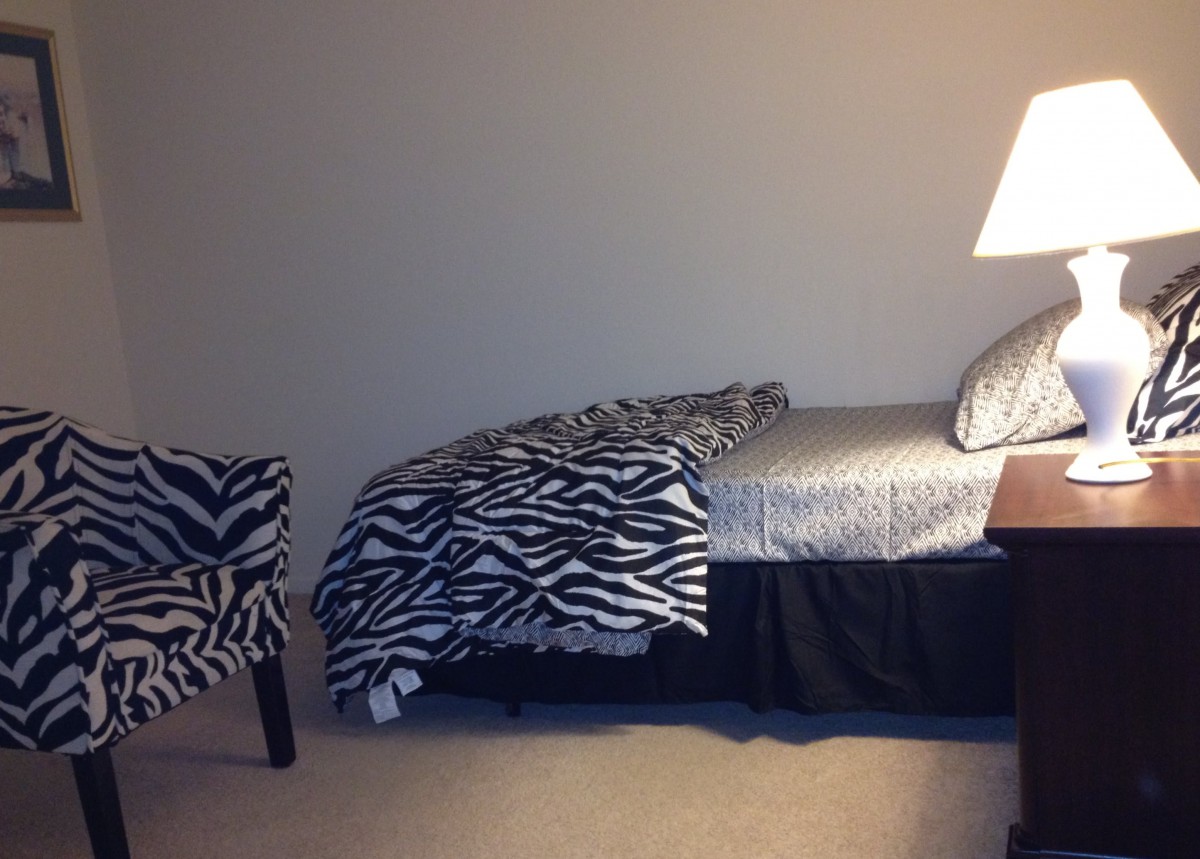
Ideal Home in Fresno, CA is best suited for seniors who thrive on close, hands-on caregiving in a warm, home-like setting. Families that value rapid, personal attention and a culture of genuine concern will feel at home here. The community appears ideal for residents who want daily assistance with routines, companionship, and a predictable, dignified daily rhythm, rather than a bustling, campus-scale environment. In short, Ideal Home serves older adults who prioritize relational care and safety over an expansive amenity lineup.
Those who may want alternatives include residents with higher medical needs requiring skilled nursing on-site around the clock, memory-care specialization, expansive enrichment programs, or a larger facility footprint. Families seeking a robust calendar of activities, extensive rehabilitation services, or formalized clinical oversight may find a bigger community more aligned with their expectations. Geographic preferences or cost structures can also push families toward options that offer different service mixes, especially if a more medicalized or memory-focused environment is desired.
The core strengths are unmistakable: caregivers who genuinely prioritize residentsā€™ well-being and a culture that feels consistently warm and attentive. The repeated praise for Greg and his team, frank, heartfelt commendations about their care, responsiveness, and dedication, suggests a level of trust and reliability that translates into tangible daily benefits. Residents experience familiar faces, personalized routines, and a sense that someone is looking out for their safety and comfort. For families, that translates into reduced anxiety, clearer communication, and the confidence that a loved one is known and valued day after day.
These strengths offset many of the typical trade-offs found in smaller, home-like settings. Where concerns often center on limited clinical oversight or a narrower activity menu, the observed caregiving excellence provides a meaningful counterbalance: prompt help with tasks, attentive monitoring, and opportunities for meaningful interactions that stave off loneliness and stagnation. Still, a resident with complex medical needs or a desire for memory-care-specific programming should be aware that this environment may require supplementary services or a plan that incorporates external clinicians or facilities. The lack of explicit medical specialization in the public narrative means careful due diligence is wise if clinical complexity is a central consideration.
Practical logistics favor the choice in Fresno: a five-star portrayal across six reviews signals consistent satisfaction and a stable, trusted team. Prospective families should verify the everyday cadence, caregiver-to-resident ratios, the availability of transportation, how medications are managed, and how rehabilitation or therapy options are integrated if needed. Inquiries about menus, activity scheduling, and how personal preferences are accommodated will reveal whether the warm, relational care extends into all facets of daily life. A tour can confirm whether the atmosphere aligns with the expected home-like feel, and whether staff turnover is low enough to sustain the strong rapport that appears to define Ideal Home.
Overall, Ideal Home stands as a compelling option for families who prize a caregiver-first culture and verifiable compassion. It is especially well-suited for seniors who want to feel known, reassured, and gently supported through daily routines, with a staff team that consistently demonstrates care and attentiveness. For those whose priorities include higher levels of medical oversight, specialized memory care, or a broader slate of on-site amenities, it makes sense to explore alternatives that foreground those features. The decision process should include a candid tour, conversations with current residents or families, and a review of a formal care plan to ensure alignment with medical needs, desired activity level, and budget. When the fit is right, Ideal Home offers a secure, dignified path forward that honors both independence and the comfort of a trusted caregiving presence.
 6 resident community capacity
 Assisted Living
 Board and Care Home
 Memory Care
 Dogs allowed
 Activities off-site
 Bath tubs
 Beautician on-site
 Cable or satellite TV
 Devotional services off-site
 Dining room
 Fully furnished
 Garden
 Housekeeping services
 Indoor common areas
 Move-in coordination
 Outdoor common areas
 Private
 Telephone
 Wheelchair accessible showers
 Wi-Fi/high-speed internet available
 Fresno Yosemite International (8 miles away)
 24-hour supervision
 Ambulatory care
 Assistance with bathing
 Assistance with dressing
 Assistance with transfers
 Diabetes diet
 High acuity care
 Incontinence care
 Meal preparation and service
 Medication management
 Special dietary restrictions
 Transportation arrangement (medical)
 Transportation to doctors appointments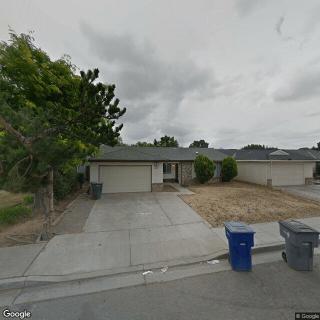


 When to Transition from Assisted Living to Memory Care: Key Indicators, Steps, and Finding the Right Community
 Understanding the Distinctions: Assisted Living and Memory Care Explained
 How to Communicate with a Loved One Living with Dementia: 10 Supportive Strategies