
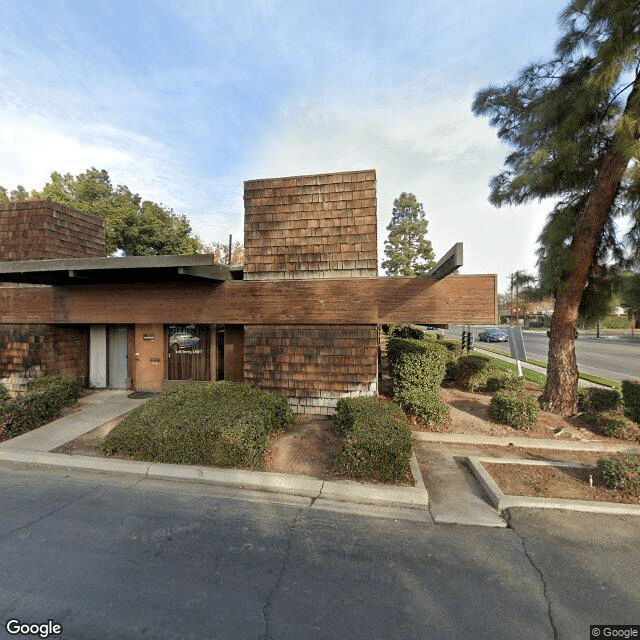
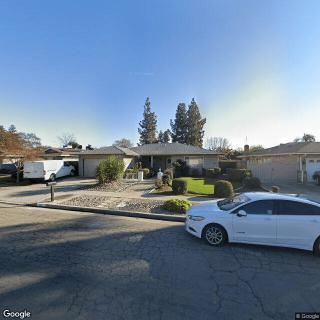
5477 N. Fresno St. Fresno/Barstow, Fresno, CA 93710
To contact a resident: (559) 432-3574
For more information about senior living options: (866) 208-4318
Overall Review of The Well-Being Group
Pros
 Dr. Torgerson and his staff are great.
- They do a great job with all dental needs.
- The dentist is great and the staff are great.
Cons
 They told him the practice was in-network, but they sent him out of network.
- They do not inform patients when their insurance won’t cover the upgrade they chose to perform without offering a choice.
- They do not change their gloves between patients.
- The assistant moved the patient to X-ray and back without changing gloves.
- The patient would never return.
Review
This community is best suited for seniors who prioritize high-caliber clinical care delivered with warmth and a responsive, relationship-based staff. In Fresno, The Well-Being Group earns praise for a care team and clinicians who project professionalism and competence, with reviewers repeatedly highlighting attentive, steady support. Residents who want dependable, person-centered interaction and continuity with a familiar clinician will find the day-to-day experience here to feel cohesive rather than impersonal. For families seeking a setting where skilled hands and respectful, consistent attention anchor daily living, this community presents a strong fit.
Explicitly, there are scenarios where alternatives deserve consideration. Those who demand absolute transparency about costs and clear, upfront disclosures of what services are included versus billed separately should scrutinize administrative practices closely. One negative thread in the feedback highlights the risk of upgrades charged out-of-network without explicit consent, a red flag for budget planning and trust. Additionally, concerns regarding basic hygiene procedures, if accurate, signal a potential safety risk that could outweigh comfort or convenience. Families with low tolerance for financial ambiguity or questions about infection-control rigor should evaluate other options that foreground price clarity and stricter safety protocols.
The strongest advantage here is the evident quality of care delivery. When care moments unfold with staff responsiveness, respect for resident preferences, and ongoing continuity with a clinician who knows a resident’s history, daily life becomes smoother, medications and health management align more predictably, and activity participation feels meaningful. This level of care stability translates into practical benefits: less stress for families coordinating schedules, and fewer disruptions in daily routines. In short, the facility’s care culture can offset many logistical frictions, delivering reliable, compassionate support where it matters most.
Nevertheless, the cons carry real weight. The prospect of hidden or unexpected charges tied to upgrades, especially if it occurs without clear consent, erodes trust and complicates long-term budgeting. For families planning for the financial arc of care, such pricing dynamics are not minor quibbles; they influence long-range stability and satisfaction. The hygiene-related concern, if substantiated, raises immediate safety questions in a setting where residents share spaces and interact closely. Even isolated lapses in infection-control routines can magnify risk in a senior living environment, potentially undermining confidence in the overall care environment.
To navigate these dynamics, prospective residents and families should enter conversations with concrete, practical questions. Request a written, itemized pricing schedule that clearly delineates what is included and what requires pre-authorization. Ask how upgrades are communicated, approved, and billed, and verify which providers are in-network and how out-of-network services are disclosed before they occur. Probe infection-control policies in detail, glove-changing procedures between residents, room turnover, and staff hygiene training, and seek corroboration from current residents or families about their experiences with care consistency and billing transparency. Consider arranging a trial period or a guided transition to assess whether the daily experience aligns with expectations.
In sum, The Well-Being Group presents a compelling blend of capable clinicians and a responsive, friendly staff, offering a strong option for families who value warmth and dependable care. For those prioritizing relationship-rich care, continuity with a trusted clinician, and a pragmatic, hands-on approach to daily living, this community stands out as a solid choice. The critical caveat centers on cost transparency and infection-control execution: when those dimensions meet expectations, the fit is excellent. For families whose non-negotiables include airtight pricing clarity and rigorous hygiene standards, it is prudent to compare alternatives that foreground these features with equal or stronger consistency.
 Fresno Yosemite International (3 miles away)




 Skilled Nursing Facilities vs. Nursing Homes: Making Sense of the Differences
 A Detailed Examination of Nursing Home Costs Across the U.S.
 Exploring Nonmedical Home Care: Understanding Services, Costs, and Financial Approaches