
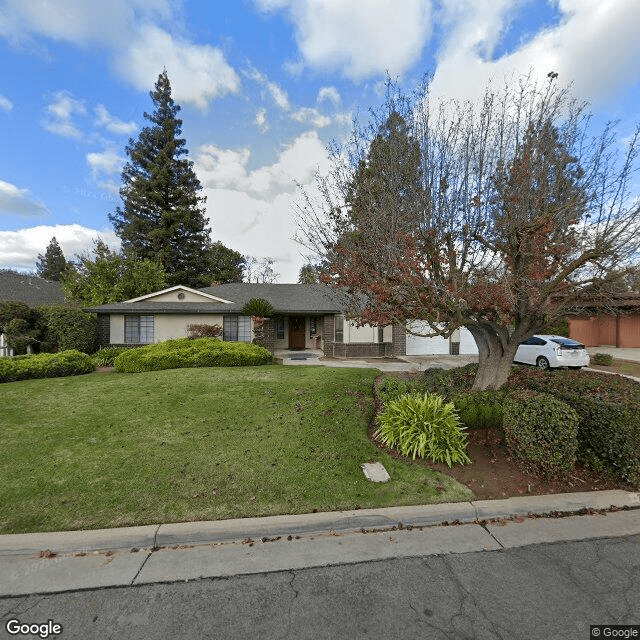
1770 West San Jose Avenue, Fresno, CA 93711
For more information about senior living options: (866) 208-4318
Serenity Living II Costs & Pricing
Serenity Living II offers competitive pricing for its residential care services compared to both Fresno County and the broader California market. For a semi-private room, Serenity Living II charges $3,500 per month, which is notably higher than the county average of $2,991 but remains slightly below the state average of $3,333. When it comes to private rooms, the cost is set at $4,000 per month - again exceeding Fresno County's average of $3,589 while still being in line with California's statewide figure of $3,939. These rates reflect Serenity Living II's commitment to providing quality care in a comfortable environment, ensuring that residents receive personalized attention and support tailored to their needs.
| Floor plans | Serenity Living II | Fresno County | California |
|---|---|---|---|
| Semi-Private | $3,500 | $2,991 | $3,333 |
| Private | $4,000 | $3,589 | $3,939 |
Assisted Living communities with a similar price nearby
-
from -$500 / mo

Bella Care Home
$3,000 to $5,500 / month5.5 miles away -
from -$300 / mo
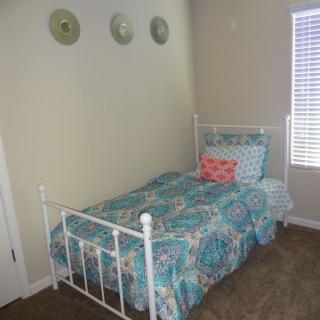
Blossom Creeks Assisted Living
$3,200 to $3,800 / month10.4 miles away -
About the same
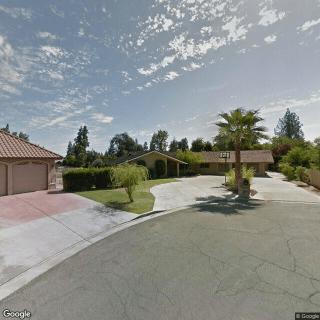
New Light Residential Care Facility for the Elderly
$3,500 to $3,800 / month0.8 miles away -
About the same
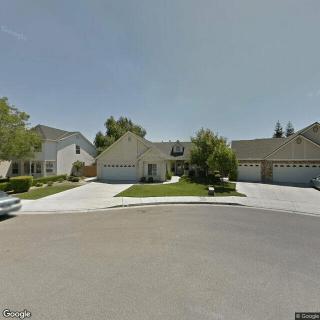
Pryor Falls
$3,600 to $3,900 / month7.0 miles away -
from -$200 / mo

Nazareth House
$3,300 / month4.1 miles away
Overall Review of Serenity Living II
Pros
 It is a great place for life reset and life opportunities.
- John and Dawn love that the managers reflect their values and vision to build lives.
- The leadership reflects a values-driven vision that enables people to build lives.
Cons
 None found.
Review
Serenity Living II in Fresno, CA is best suited for seniors who want a deliberate life reset and meaningful opportunities to rebuild daily living under a leadership team that lives by clearly stated values. The community appears to attract residents who prioritize purpose and personal growth over passive routines, seeking daily structure that supports new directions rather than maintenance of the status quo. The owners, John and Dawn, are described as deeply engaged, with managers who reflect their values and vision to build lives. That commitment signals a culture where mentorship, intentional programming, and a shared mission matter more than flashy amenities. For families who want a place where character and purpose guide everyday life, Serenity Living II presents a compelling option.
Those with broader medical needs or a demand for a wide-ranging activity menu may want alternatives. The sole public impression comes from one strongly positive review, which leaves questions about consistency, staffing depth, and the breadth of services provided. Prospective residents should verify whether on-site clinical support, memory-care options, and emergency coverage align with anticipated care levels. Cost transparency, contract terms, and the availability of respite stays are also unknown from the current snapshot. In short, serenity of mission does not automatically translate into a fully equipped services package, so families with complex care requirements should compare against communities with longer operating histories and documented service arrays.
The strongest pro is the explicitly stated focus on life reset opportunities and a leadership team whose values are intended to shape outcomes. For residents ready to pursue personal growth, meaningful programming, and a sense of purpose, that alignment can offset more traditional drawbacks like limited activity catalogs or impersonal routines. If staff engagement mirrors the owners’ vision, residents may experience a cohesive culture where daily tasks feel purposeful rather than routine maintenance. Yet the lack of detail about how these opportunities are delivered, what a typical day looks like, who runs programs, and how success is measured, means the upside rests on belief in the mission more than verifiable practices. The result is a powerful but unproven promise until more residents weigh in.
Equally important is the observation that the core appeal hinges on leadership and culture rather than a broad spectrum of care options. The narrative centers on John, Dawn, and managers who strive to reflect their values in every interaction, which can create a tightly knit, accountable community. That environment often translates into strong resident–staff rapport, individualized attention, and a sense that contributions are recognized. On the flip side, a small, values-driven operation can be sensitive to turnover, inconsistent coverage, or gaps in services that larger campuses mitigate through scale. For decision-makers, this means Serenity Living II could deliver a distinctly personal ambiance, perfect for those who prize a mission-driven atmosphere, while potentially lacking the predictability some families rely on in more expansive settings.
Decision-making should hinge on a disciplined, concrete checklist. Schedule a visit to see the space, observe activity levels, and talk with two or three current residents or family members about satisfaction and stability. Request a week’s sample schedule, ask for exact staffing ratios during peak hours, and obtain a transparent price breakdown with what is included and what incurs extras. Probe what “life reset” entails, are there coaching sessions, goal-setting workshops, volunteer opportunities, and measurable milestones? Confirm medical capabilities, visiting clinician access, transportation options, and whether memory-care or short-term stays are available if needed. Finally, compare Serenity Living II against at least two other communities with longer track records and stronger documentation, using a clear scoring framework to determine whether mission alignment or service breadth matters more for the family.
Bottom line: Serenity Living II represents a credible, values-driven option for seniors who are ready to redefine daily living around purpose and growth. For families prioritizing character, mentorship, and a tightly aligned culture, the community deserves close consideration and a structured visit. However, those with immediate or complex medical needs, or with a preference for a broad activity lineup and transparent, long-standing track records, should treat it as one of several finalists rather than a final choice. The prudent move is to anchor the decision in firsthand experiences, corroborated references, and a precise understanding of cost and services before committing.
 6 resident community capacity
 Assisted Living
 Board and Care Home
 Cable or satellite TV
 Dining room
 Fully furnished
 Garden
 Housekeeping services
 Move-in coordination
 Outdoor space
 Private
 Private bathrooms
 Telephone
 Wi-Fi/high-speed internet available
 Fresno Yosemite International (6 miles away)
 24-hour supervision
 Activities of daily living assistance
 Ambulatory care
 Assistance with bathing
 Assistance with dressing
 Assistance with transfers
 Diabetes diet
 Diabetic care
 Meal preparation and service
 Medication management
 Special dietary restrictions
 Transportation arrangement (medical)
 Transportation to doctors appointments



 A Detailed Exploration of Assisted Living Medicaid Waivers Across the United States
 Comprehensive Residential Support and Assisted Living Solutions for Individuals with Disabilities
 Comprehensive Supportive Living Arrangements for Adults with Disabilities