Overall Review of Mission Villa Residential Care Home
differentiator12 reviews mention this
Rehabilitation therapy is a bright spot
Residents and families describe meaningful therapy and recovery progress during stays.
Across multiple reviews, families link improvements to the therapy and rehab support, including regaining strength, learning to walk, and building confidence during recovery. Several people also credit specific therapy teams or weekly updates for helping them feel informed and supported through the process. Reviews commonly pair the therapy experience with hands-on nursing support for wound care or post-hospital rehabilitation.
caveat3 reviews mention this
Food quality comes up often
Food quality is a recurring concern for some residents and families.
While some reviews describe food as good or enjoyable, other reviewers are sharply negative about meal quality and how it affects eating. A couple of reviews also describe problems significant enough to impact comfort and recovery, including difficulty chewing or cutting meat and disappointment with what was served.
common3 reviews mention this
Diet support for preferences and needs
Families describe help accommodating dietary preferences during the stay.
Several reviews mention diet accommodations as part of the day-to-day experience, including staff working with personal dietary needs and adjusting meals around what someone can enjoy. One review specifically describes staff accommodating dietary needs during a rehabilitation stay, while other families mention that food choices were taken into account for resident preferences.
common2 reviews mention this
Activities add a more personal day
Simple in-house activities are noticed and appreciated.
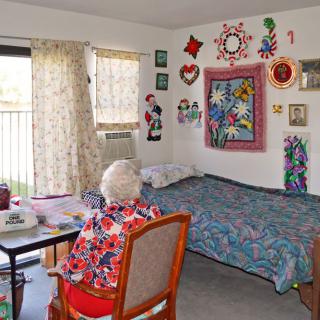
Beyond care, reviews describe small moments that made stays feel more human, such as attending live music. Another review highlights a birthday celebration with a cake, framing it as something the facility made time for and that mattered to the resident.
caveat2 reviews mention this
Medication timing is a concern
Medication timing and follow-through are raised as issues.
A couple of reviewers describe care lapses related to medications, including late medication administration and nurses forgetting medication calls. These comments stand out because they directly affect how residents are managed day to day, and they were serious enough to become part of the overall negative takeaway.
How we summarize
Counts show how many written reviews mention each theme; a review can touch several themes, and only frequently mentioned themes are displayed.
Features
Housing
6 resident community capacity
Types of Care
Assisted Living
Board and Care Home
Amenities
Cable or satellite TV
Dining room
Fully furnished
Garden
Housekeeping services
Move-in coordination
Outdoor space
Telephone
Wi-Fi/high-speed internet available
Transportation
San Jose International (12 miles away)
Metropolitan Oakland International (20 miles away)
San Francisco International (25 miles away)
Care Services
24-hour supervision
Activities of daily living assistance
Assistance with bathing
Assistance with dressing
Assistance with transfers
Coordination with health care providers
Diabetes diet
Meal preparation and service
Medication management
Special dietary restrictions
Transportation arrangement (medical)
Transportation to doctors appointments
Dining
Diabetes diet
Special dietary restrictions
Activities
Community-sponsored activities
Scheduled daily activities
Nearby Places of Interest
Pharmacies
CVS Pharmacy (0.6 miles)
Walgreens (1.9 miles)
Walmart Pharmacy (2.8 miles)
Walgreens (2.8 miles)
CVS Pharmacy (2.9 miles)
CVS Pharmacy (3 miles)
CVS Pharmacy (5.2 miles)
Parks
Old Mission Park (1.2 miles)
Irvington Park (1.7 miles)
Lake Elizabeth (1.8 miles)
Fremont Central Park (1.8 miles)
Meyer Park (3.5 miles)
Niles Community Park (3.6 miles)
Rancho Arroyo Park (4 miles)
Cafes
Daily Bagel Cafe (1.6 miles)
Philz Coffee (2.6 miles)
Panera Bread (2.8 miles)
Starbucks (8.1 miles)
Starbucks (8.4 miles)
Inklings Coffee & Tea (9.4 miles)
Bill's Cafe (10.1 miles)
Transportation
Fremont BART Station (2.6 miles)
Union City BART Station (5.8 miles)
Milpitas BART Station (9 miles)
South Hayward BART Station (9.5 miles)
Terminal A (11.4 miles)
West Dublin/Pleasanton BART Station (11.4 miles)
The Club at SJC (11.5 miles)
Hospitals
Washington Hospital Heliport (2.7 miles)
Ucsf Medical Center (11.4 miles)
Valleycare Health Systems (11.4 miles)
Restaurants
In-N-Out Burger (2.9 miles)
McDonald's (3 miles)
Jack's Restaurant & Bar (3.5 miles)
McDonald's (5.9 miles)
In-N-Out Burger (7.5 miles)
Sonic Drive-In (7.9 miles)
Dave & Buster's (8.3 miles)
Theaters
AMC NewPark 12 (3.5 miles)
Century 20 Great Mall and XD (8.3 miles)
AMC Mercado 20 (10.3 miles)
Places of Worship
Wat Buddhanusorn (4.5 miles)
Fountain Christian Fellowship (11.1 miles)
Physicians
Ceizler Harold B DDS (10.1 miles)
Mission Peak Orthopaedic Medical Group (10.2 miles)
Abbott Vascular (10.5 miles)
Vaughn, Sarah Spring Fertility Management (10.7 miles)
Pleasanton Adult Primary Care: Kevin G. Hart, MD (10.8 miles)
California Center for Sleep Disorders (10.8 miles)
The article discusses assisted living expenses, the importance of long-term care insurance in covering these costs, and various financing options, highlighting the need for careful policy review and early planning to address potential needs. It also clarifies common misconceptions about Medicare and private health insurance limitations regarding long-term care coverage.
Assisted living facilities offer crucial support for older adults needing help with daily activities but come with varying and significant costs, which can be financed through personal savings, government assistance programs, long-term care insurance, and home equity options. Professional guidance from experts can aid families in navigating these financial complexities to establish a sustainable budgeting approach for assisted living services.
Assisted living costs often exceed Social Security benefits, necessitating a combination of funding sources like state aid and Medicaid. Understanding the interaction between Social Security programs and available financial support is essential for affording such care.
Get PricingAsk A QuestionSchedule A TourContact Senior Advisor
By clicking submit, you agree to our Partner's Terms of Use. You
also consent to receive calls and texts, which may be autodialed, from our Partner. Your consent is not a condition to
using our Partner's service. Please visit our Partner's Privacy Policy for information about their privacy practices.

 6 resident community capacity
 Assisted Living
 Board and Care Home
 Cable or satellite TV
 Dining room
 Fully furnished
 Garden
 Housekeeping services
 Move-in coordination
 Outdoor space
 Telephone
 Wi-Fi/high-speed internet available
 San Jose International (12 miles away)
 24-hour supervision
 Activities of daily living assistance
 Assistance with bathing
 Assistance with dressing
 Assistance with transfers
 Diabetes diet
 Meal preparation and service
 Medication management
 Special dietary restrictions
 Transportation arrangement (medical)
 Transportation to doctors appointments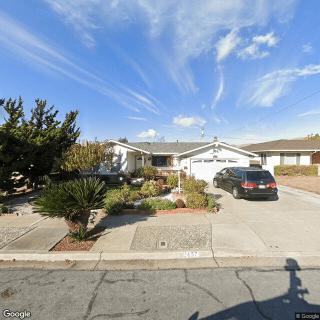

 Personalized care with 24-hour supervision and memory care programs, plus transportation to medical appointments.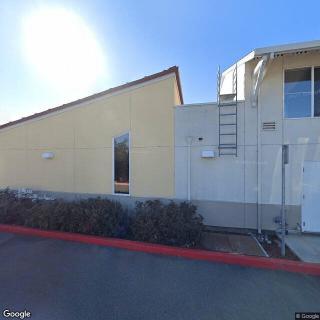
 Assisted Living Expenses and Long-Term Care Insurance: A Comprehensive Exploration
 Securing Financial Support for Assisted Living: A Comprehensive Overview
 Social Security Benefits and Assisted Living: Navigating Options Across the U.S.