
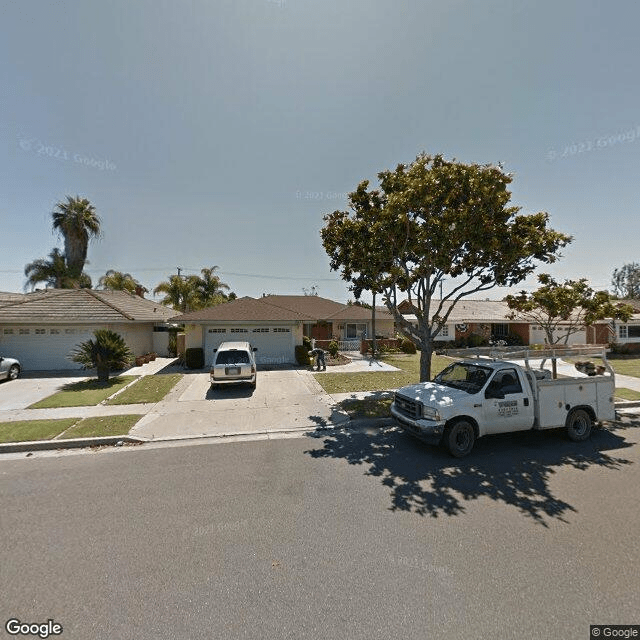
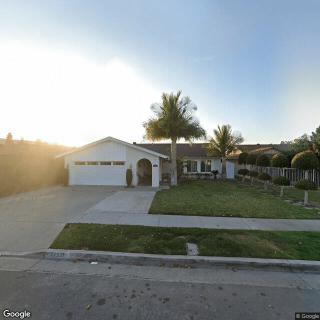
17688 San Francisco Street, Fountain Valley, CA 92708
For more information about senior living options: (866) 208-4318
Fountain View Board And Care Costs & Pricing
Fountain View Board And Care offers competitive pricing for its accommodations compared to the broader market in Orange County and California. For a studio room, residents will find that the monthly cost at Fountain View is $4,000, which is slightly more affordable than the county average of $4,313 while remaining higher than the state average of $4,145. When it comes to private rooms, however, Fountain View's rate of $4,500 exceeds both the county's average of $4,104 and the state's average of $3,939. This positioning suggests that while Fountain View may offer attractive options for studio living, its private room pricing might be less favorable relative to local and state trends. Overall, prospective residents should consider these details alongside the quality of care and services provided when making their choice.
| Floor plans | Fountain View Board And Care | Orange County | California |
|---|---|---|---|
| Studio | $4,000 | $4,313 | $4,145 |
| Private | $4,500 | $4,104 | $3,939 |
Memory care communities with a similar price nearby
-
About the same
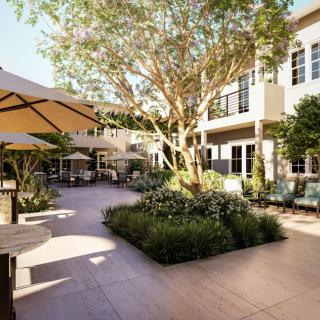
Cadence Brea
$3,995 to $5,500 / month14.8 miles away -
from -$500 / mo
Kind Heart Home Care VI
$3,500 to $5,000 / month22.4 miles away -
from -$500 / mo
Comfort Keepers Home Care
$3,500 to $6,500 / month15.9 miles away -
from +$500 / mo
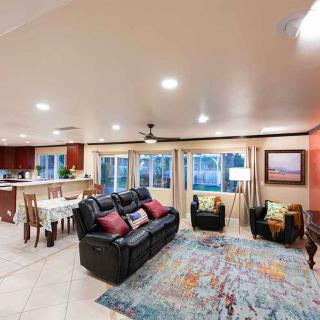
Casa Bella
$4,500 / month11.1 miles away -
About the same
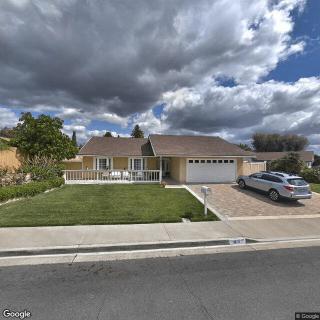
Active Senior Home Care
$4,000 to $5,000 / month17.3 miles away
Overall Review of Fountain View Board And Care
Pros
 The staff were kind and gentle to the father and took excellent care of him.
- The family gained tremendous peace of mind from the care provided.
- Nicoletta and Fountain Valley Senior Care are highly commendable for their compassion.
- The residence was always very clean and free of unpleasant odors.
- The staff treated residents like family and cared for them with patience and respect.
- The owner and staff are amazing and caring, making the home a wonderful place.
Review
This community is best suited for families seeking a tightly run, intimate, home-like setting where an owner-operated team can deliver highly personalized, compassionate care. Fountain View Board And Care in Fountain Valley, CA has earned a strong 4.8 rating from four families who entrusted loved ones to its care, with repeated praise for kindness, gentleness, and a family-style atmosphere. The consistent thread across input is a small-team environment led by Nicoletta, delivering daily support that feels more like a private home than a traditional facility. For seniors who value dignity, predictable routines, and a serene, homey setting, this community fits the bill exceptionally well.
Those weighing alternatives should consider whether a loved one requires strong, round-the-clock medical oversight or specialized programming. If constant skilled nursing, wound care, complex dementia management, or a highly structured activities calendar are non-negotiable, a larger, more clinical setting may serve better. Families seeking expansive campuses, formal memory-care units, or a wide array of on-site therapies could find the scale and resources at bigger communities more aligned with those needs. In short, this is not a stand-in for a hospital-like care model; it is a home-centered option that prioritizes warmth over breadth of services.
The most compelling strengths here are the people and the atmosphere. The staff, described by families as exceptionally kind and patient, consistently treats residents like members of a family, not as tasks to be managed. Cleanliness and a calm environment emerge as defining features, bedsides and common areas are kept in order, and odors are not a noticeable issue. The patient and thoughtful approach toward end-of-life care, evident from multiple long placements, translates into real peace of mind for families who value dignity and a gentle hand during difficult times. The owner’s visible involvement and the staff’s steadiness create a sense of trust that is rare in larger operations.
These strengths offset the potential downsides inherent in a small, home-like setting. When care is individualized and staff can respond quickly, the trade-off for not having a vast activities program or on-site medical team becomes manageable for families who prioritize emotional comfort and consistent, respectful treatment. The bottom-line value is clear: the emotional safety net for residents and their families often outweighs the absence of formal medical infrastructure. For families who want to feel welcomed every day and to receive candid, empathetic communication, the pros line up well against the implied limitations of size and scope.
Practical considerations should guide the next steps. Prospective families will want to verify the exact level of medical oversight available on site, clarify how medications are managed, and understand who administers care at night. It is prudent to inquire about coordination with visiting clinicians, the staffing ratios during evenings and weekends, and how the facility handles end-of-life planning and comfort measures. Ask about memory-care capabilities, if applicable, and how individualized routines, meals, activities, and quiet time, are designed to reflect a resident’s preferences. These questions help confirm that the home-like strengths will continue to align with evolving care needs.
In the end, the recommendation is straightforward. For families prioritizing a warm, compassionate, and highly attentive environment with a sense of belonging and peace of mind, Fountain View Board And Care stands out as a top choice in Fountain Valley. It excels where personal connection, cleanliness, and a family-centered approach matter most. For those whose loved one requires more medical bandwidth, more formal programming, or a larger community footprint, it pays to explore alternatives that deliver those specific services. Visits with the staff and firsthand observations are essential to confirm that the care philosophy matches the resident’s needs and family expectations.
 6 resident community capacity
 Assisted Living
 Board and Care Home
 Memory Care
 Respite Care
 Activities off-site
 Air-conditioning
 Bath tubs
 Cable or satellite TV
 Devotional services off-site
 Dining room
 Full kitchen
 Fully furnished
 Garden
 Ground floor units
 Handicap accessible
 Housekeeping services
 Indoor common areas
 Move-in coordination
 Outdoor common areas
 Private
 Private bathrooms
 Telephone
 Wheelchair accessible showers
 Wi-Fi/high-speed internet available
 John Wayne Orange Co (5 miles away)
 24-hour supervision
 Assistance with bathing
 Assistance with dressing
 Assistance with transfers
 Diabetes diet
 Diabetic care
 High acuity care
 Incontinence care
 Meal preparation and service
 Medication management
 Special dietary restrictions
 Transportation arrangement (medical)
 Transportation to doctors appointments
 Art classes
 Brain fitness
 Catholic services
 Happy hour
 Live dance or theater performances
 Live musical performances
 Stretching classes
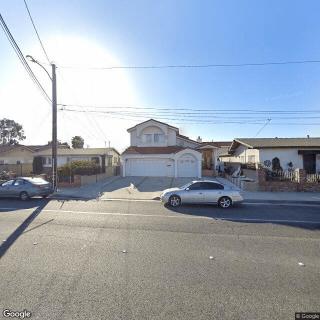

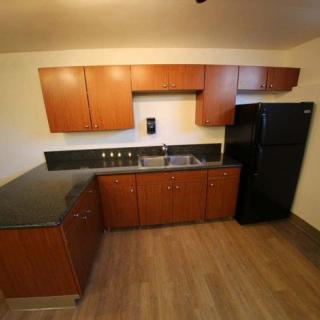
 Understanding Dementia Through Its Seven Stages: A Comprehensive Look at Progression and Expectations
 A Holistic Dementia Care Guide: Effective Strategies for Memory Support
 Memory Care Pathways: A Holistic Guide to Dementia Support