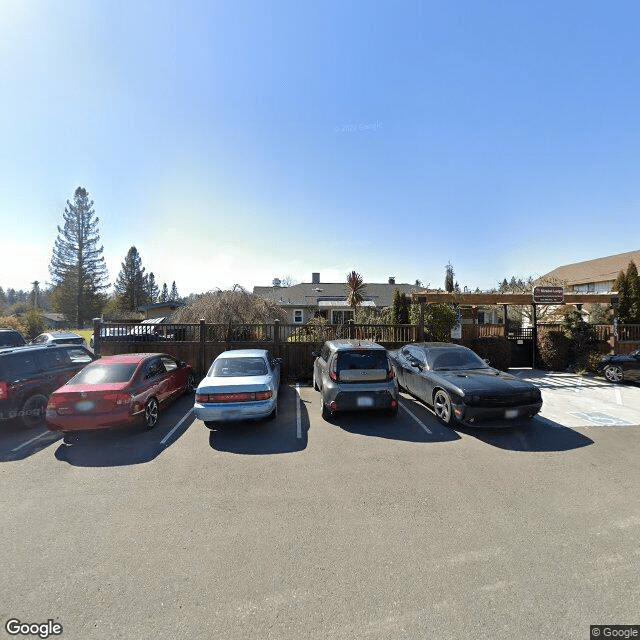
Mirabel Lodge in Forestville, CA

Save
Mirabel Lodge Mirabel Lodge

Mirabel Lodge in Forestville, CA

6950 Mirabel Road, Forestville, CA 95436

For more information about senior living options: (844) 490-3973

4.3 from 29 reviews
5 stars
12
4 stars
16
3 stars
0
2 stars
0
1 stars
1

Assisted Living Board and Care Home Memory Care Respite Care

Mirabel Lodge Costs & Pricing

Mirabel Lodge offers competitive pricing for its accommodations when compared to both Sonoma County and the broader California market. For a semi-private room, residents will find costs at $3,900 per month, which is notably lower than the county average of $4,052 and significantly more favorable than the state average of $3,333. Similarly, the lodge's studio option is priced at $4,900, exceeding the local rate of $4,340 yet remaining above the state average of $4,145. This strategic pricing reflects Mirabel Lodge's commitment to providing quality care while still being mindful of accessibility in a landscape where costs can vary widely.

Floor plansMirabel LodgeSonoma CountyCalifornia
Semi-Private$3,900$4,052$3,333
Studio$4,900$4,340$4,145

What level of care are you interested in?

Assisted Living

Memory Care

Independent Living

Skilled Nursing Facility

Continuing Care Retirement Community (CCRC)CCRC

Other


Request a tour at Mirabel Lodge

    Overall Review of Mirabel Lodge

    Pros

    • pro The staff are incredibly attentive, friendly, and dedicated, and the facility is well run.
    • pro Mirabel Lodge is described as unbeatable by healthcare professionals, with caregivers who truly care for residents.
    • pro The facility feels like home - small and family-like - with long-tenured staff who treat residents like family.
    • pro It's not depressing but lively, with frequent activities, music, and social events that engage residents.
    • pro The grounds and interiors are clean and well maintained, with beautiful landscaping and inviting spaces.
    • pro The owners and management personally engage with residents, often dancing with them, which is wonderful to see.
    • pro The meals are well prepared in a restaurant-style dining area, offering a variety of dietary options.
    • pro They offer a broad range of activities and trips and can adapt to changing health needs, including dementia and hospice care.

    Cons

    • pro They described the place as awful and would only recommend putting someone there if you hated them.
    • pro The reviewer couldn't give a perfect rating because the cost was very expensive.
    • pro The facility was too large for their loved one, needing more attention than some residents receive.
    • pro There were too many residents and not enough staff to handle the issues.
    • pro The chef was too busy to cook every day, so residents often received very bad institutional food.
    • pro The dining room congestion caused the resident to fall three times.
    • pro The resident was not happy leaving home and was not happy there.
    • pro Walkers and wheelchairs could be a hazard for residents who are not very stable.

    Review

    Mirabel Lodge in Forestville is best suited for families seeking a warm, home-like atmosphere with a lively day-to-day rhythm and strong, hands-on caregiving. The community shines for residents whose needs can be met by a well-staffed team that maintains cleanliness, engages residents with a robust activities calendar, and adapts to evolving health conditions, including memory impairment. It works particularly well for those who value social engagement, regular outings, a restaurant-style dining experience, and a setting where staff members know residents well and stay connected with families. For couples or individuals who want companionship, organized music, exercise classes, and ongoing entertainment, Mirabel Lodge delivers a compelling blend of care and community.

    Alternatives are worth considering for several profiles. Families with a strict budget or those prioritizing a smaller, more intimate setting may prefer a six-bed or boutique facility where staff-to-resident interaction is even more individualized. Those who require very high levels of 1:1 supervision, or who worry about navigating a larger campus, may fare better in a smaller home-like environment. Finally, residents who are not yet at a dementia or hospice trajectory but will need sporadic, intensive medical attention or longer-term rehab may want to compare with facilities that offer different care emphasis or more predictable pace.

    The strongest positives - exceptional caregiving, attentive staff, and a genuinely affectionate leadership presence - tend to offset the main drawbacks. When care instructions are given, Mirabel Lodge's team tends to follow through, and residents show measurable improvements in comfort, communication, and therapy engagement. The facility's ability to separate residents by health condition supports targeted care, reducing exposure to inappropriate levels of stimulation and allowing staff to tailor activities, meals, and routines. The lively programming - bands, singing, games, dances, and community outings - helps residents stay engaged, which can soften the impact of aging or cognitive decline and counterbalance the concern that the space sometimes feels crowded.

    Yet the footprint and staffing dynamics can create friction. One recurring concern is that the size - roughly in the mid-thirties in some areas - can translate to congestion, especially in common spaces like dining rooms. For residents who are not fully stable walkers, this congestion may raise safety concerns and even increase the risk of falls. Relatedly, even with strong general staffing, a large resident base can strain resources during peak times, potentially affecting response times or individualized attention in moments of higher need. A few reviewers also cite occasional variability in meals, tied to the kitchen's workload; while many praise the restaurant-style dining, the opportunity to deliver consistent, elevated meals is a reasonable expectation to confirm on tour.

    The pros here do a good job of offsetting those cons if the fit is right. A well-seasoned, hands-on ownership and a large, cohesive caregiving team translate into reliable daily care, personal interactions, and prompt action on medical or therapeutic needs. The atmosphere is not sterile or depressing; it's described as lively, with staff who are energetic, compassionate, and genuinely connected to residents. For families with a relative who has advanced dementia or requires hospice-friendly coordination, the facility's documented flexibility and supportive staff can be decisive advantages, especially when memory care planning or end-of-life comfort is anticipated.

    For decision-makers, the bottom line is clear: Mirabel Lodge is a strong match for families seeking a bustling, compassionate environment that treats residents like family, with robust activities, good food, and a responsive care team. It is less compelling for those who prioritize a smaller, ultra-intimate setting, or for those on constrained budgets who fear that pricing will outpace perceived benefits. Prospective residents or families should visit with specific care needs in hand - mobility status, fall risk, memory care requirements, dietary expectations, and desired level of daily activity - and ask pointed questions about staff-to-resident ratios, response times, and how health changes are managed as cognition or physical condition declines. A tour should include observation of meal service flow, interaction quality, and whether staff members can demonstrate individualized plans that align with a resident's history and preferences.

    In the end, Mirabel Lodge offers a practical, capable home for seniors who crave engagement, continuity, and dependable caregiving, including those navigating memory challenges. If that combination aligns with a loved one's profile, Mirabel Lodge stands out as a thoughtful, well-run choice. If, however, the priority is an intimate, low-key, budget-conscious setting or a facility with very specific medical or rehabilitation pathways, exploring closer alternatives may be the prudent path. The next steps are straightforward: schedule a visit, bring care needs and routines, assess live comfort with staff and residents, and verify that the care plan, dining quality, and activity schedule consistently reflect the expectations set during the inquiry.

    Features

    Housing

    • 34 resident community capacity 34 resident community capacity

    Types of Care

    • Assisted Living Assisted LivingAssisted living facilities provide crucial support and care for seniors who may need help with daily tasks such as medication management, bathing, and meal preparation. These communities offer a safe and comfortable environment where seniors can maintain their independence while receiving the assistance they need to thrive in their golden years.
    • Board and Care Home Board and Care HomeBoard and care homes provide a smaller, more intimate setting for seniors who require assistance with daily tasks but do not need the level of care offered by a nursing home. They offer personalized care, meals, and social activities in a homelike environment, ensuring that seniors receive individualized attention and support in their golden years.
    • Memory Care Memory CareMemory care is crucial for seniors as it provides specialized support and services for individuals with dementia or Alzheimer's disease. These programs offer a safe and secure environment where residents receive personalized care, cognitive stimulation, and help with daily activities. Memory care helps seniors maintain their independence, quality of life, and dignity while also providing peace of mind for their families.
    • Respite Care Respite CareRespite care provides temporary relief for caregivers, allowing them to recharge and attend to their own needs. It also gives seniors the opportunity to socialize, receive professional care, and experience a change of scenery, promoting overall well-being and reducing feelings of isolation.

    Amenities

    • Activities on-site Activities on-siteActivities on-site are important for seniors because they provide opportunities for socialization, mental stimulation, physical activity, and overall well-being. Engaging in activities can help seniors stay active, maintain their independence, and improve their quality of life.
    • Beauty salon Beauty salonBeauty salons are important for seniors because they provide a space for them to feel pampered, socialize, and maintain their personal grooming and hygiene. Regular visits to a beauty salon can help boost seniors' self-esteem and overall well-being.
    • Cable or satellite TV Cable or satellite TVCable or satellite TV is important for seniors because it provides entertainment, news, and companionship, helping to combat loneliness and boredom. It also offers a wide range of programming options tailored to different interests and preferences.
    • Devotional services off-site Devotional services off-siteDevotional services off-site are important for seniors as they provide spiritual nourishment, social engagement, and a sense of community outside of the senior living facility. This can enhance overall well-being and help combat feelings of isolation and loneliness often experienced by older adults.
    • Dining room Dining roomDining rooms are important for seniors as they provide a space for socialization, connection, and nutritious meals. They offer opportunities for residents to bond over shared meals, foster a sense of community, and promote healthy eating habits. Dining rooms also ensure that seniors have access to well-balanced meals tailored to their dietary needs and preferences.
    • Fully furnished Fully furnishedFully furnished senior living communities are important for seniors because they provide convenience, comfort, and a hassle-free moving experience. Seniors can easily settle into their new living space without the stress of having to buy and move furniture. This allows them to focus on enjoying their new home and community.
    • Garden GardenGardens are important for seniors as they provide a peaceful and therapeutic environment for relaxation, physical activity, and socialization. Being in nature has been shown to reduce stress, improve mood, and promote overall well-being. Gardens also offer opportunities for seniors to engage in gardening activities, which can improve mobility, flexibility, and cognitive function. Additionally, gardens create a sense of community and connection with others who share a passion for plants and outdoor spaces.
    • Housekeeping services Housekeeping servicesHousekeeping services are important for seniors because they help maintain a clean and safe living environment, promote independence, and reduce the risk of accidents or illnesses. Additionally, having assistance with household chores can alleviate physical strain and allow seniors to focus on other aspects of their well-being.
    • Indoor common areas Indoor common areasIndoor common areas are crucial for seniors as they provide a space for socialization, recreation, and community engagement, promoting overall well-being and reducing feelings of isolation and loneliness.
    • Kitchenette KitchenetteKitchenettes are important for seniors living in senior living communities because they provide the convenience and independence of being able to prepare simple meals and snacks in the comfort of their own living space. This can help promote a sense of autonomy and well-being for seniors, allowing them to maintain some level of control over their dietary choices and daily routines.
    • Move-in coordination Move-in coordinationMove-in coordination is important for seniors because it helps ease the transition into their new living environment. It ensures that all logistics, such as packing, organizing movers, and setting up utilities are taken care of, allowing seniors to focus on settling in and adjusting to their new home. Having a smooth move-in process can alleviate stress and anxiety, making the transition smoother and more enjoyable for seniors.
    • Outdoor space Outdoor spaceOutdoor spaces are important for seniors as they provide opportunities for physical activity, social interaction, exposure to natural light and fresh air, and a sense of connection to nature. Having access to outdoor spaces can improve overall well-being and quality of life for older adults living in senior communities.
    • Restaurant-style dining Restaurant-style diningRestaurant-style dining is important for seniors because it allows them to enjoy delicious, nutritious meals in a social and upscale setting. This enhances their dining experience, promotes healthy eating habits, and fosters socialization with fellow residents, ultimately contributing to their overall well-being and quality of life.
    • Small library Small librarySmall libraries are important for seniors as they provide access to a variety of reading materials, including books, newspapers, and magazines. This can help stimulate their minds, keep them engaged, and provide a sense of community through book clubs and other social activities. Additionally, reading has been shown to improve cognitive function and overall mental well-being in older adults.
    • Telephone TelephoneTelephones are important for seniors as they provide a lifeline for communication with loved ones, emergency services, and healthcare providers. They offer a sense of security and independence, enabling seniors to stay connected and access assistance when needed.
    • Wi-Fi/high-speed internet available Wi-Fi/high-speed internet availableWi-Fi/high-speed internet is important for seniors to stay connected with loved ones, access online resources, and participate in virtual activities to combat feelings of loneliness and isolation. It also allows them to easily manage healthcare needs, access entertainment, and engage in lifelong learning opportunities.

    Care Services

    • 24-hour call system 24-hour call system24-hour call systems are important for seniors because they provide peace of mind and immediate assistance in case of emergencies. This technology ensures that help is always available, promoting safety and security for elderly individuals living alone or in assisted living facilities.
    • 24-hour supervision 24-hour supervision24-hour supervision is important for seniors to ensure their safety, well-being, and access to immediate assistance in case of emergencies or health issues. This constant support provides peace of mind for both seniors and their loved ones, allowing them to age in place with dignity and security.
    • Activities of daily living assistance Activities of daily living assistanceActivities of daily living assistance are important for seniors because they provide essential support with tasks such as eating, bathing, dressing, and mobility. This assistance helps seniors maintain their independence, dignity, and overall quality of life as they age.
    • Ambulatory care Ambulatory care"Ambulatory care services provide essential medical support and treatment to seniors without requiring hospitalization, allowing them to maintain their independence and quality of life while managing chronic conditions or receiving routine medical care."
    • Assistance with bathing Assistance with bathingAssistance with bathing is crucial for seniors as it helps maintain personal hygiene, prevents infections, and ensures their overall well-being and comfort. It also provides a sense of dignity and independence for seniors who may struggle with this task on their own.
    • Assistance with dressing Assistance with dressingAssistance with dressing is important for seniors because it helps maintain their independence, promotes personal hygiene, prevents accidents and injuries, and improves overall quality of life. This service ensures that seniors can continue to dress comfortably and confidently, despite any physical limitations they may have.
    • Assistance with transfers Assistance with transfersAssistance with transfers is crucial for seniors as it helps prevent falls and injuries, maintains their independence, and ensures they can safely navigate their living environment. It also provides peace of mind for both seniors and their loved ones.
    • Diabetes diet Diabetes dietA diabetes diet is crucial for seniors as it helps manage blood sugar levels, reduce risks of complications, and improve overall health and well-being. By following a balanced and nutritious diet tailored to their specific needs, seniors can better control their diabetes and enhance their quality of life.
    • Meal preparation and service Meal preparation and serviceMeal preparation and service are crucial for seniors as they may have limited mobility or energy to cook nutritious meals. Having access to healthy and convenient food options can ensure they are getting the proper nutrition needed to maintain their overall health and well-being.
    • Medication management Medication managementMedication management is crucial for seniors to ensure they are taking the right medications at the correct dosages and times. This helps prevent adverse drug interactions, reduces the risk of medication errors, and promotes overall health and well-being. Proactive management also allows for adjustments as needed based on changing health conditions or new prescriptions.
    • Mental wellness program Mental wellness programMental wellness programs are essential for seniors as they promote cognitive stimulation, emotional support, and social engagement. These programs help prevent isolation, depression, and cognitive decline, ultimately enhancing the overall quality of life for older adults.
    • Special dietary restrictions Special dietary restrictionsSpecial dietary restrictions are important for seniors because age-related changes in metabolism and health conditions can make it difficult for their bodies to process certain foods. By following a diet tailored to their specific needs, seniors can maintain their overall health and well-being, manage chronic conditions, and reduce the risk of complications such as malnutrition or food interactions with medications.

    Dining

    • Diabetes diet Diabetes dietA diabetes diet is crucial for seniors as it helps manage blood sugar levels, reduce risks of complications, and improve overall health and well-being. By following a balanced and nutritious diet tailored to their specific needs, seniors can better control their diabetes and enhance their quality of life.
    • Meals provided Meals provided"Meals provided" are crucial for seniors in assisted living communities as it ensures they have access to nutritious, balanced meals without the stress of meal planning and preparation. This can help promote overall health and well-being for seniors who may have limited mobility or cognitive abilities.
    • Special dietary restrictions Special dietary restrictionsSpecial dietary restrictions are important for seniors because age-related changes in metabolism and health conditions can make it difficult for their bodies to process certain foods. By following a diet tailored to their specific needs, seniors can maintain their overall health and well-being, manage chronic conditions, and reduce the risk of complications such as malnutrition or food interactions with medications.

    Activities

    • Activities on-site Activities on-siteActivities on-site are important for seniors because they provide opportunities for socialization, mental stimulation, physical activity, and overall well-being. Engaging in activities can help seniors stay active, maintain their independence, and improve their quality of life.
    • Community-sponsored activities Community-sponsored activitiesCommunity-sponsored activities are important for seniors as they provide opportunities for social interaction, mental stimulation, and physical activity. These activities can help improve overall well-being, combat loneliness and isolation, and promote a sense of belonging and purpose among older adults.
    • Devotional activities offsite Devotional activities offsiteDevotional activities offsite are important for seniors because they provide social engagement, spiritual growth, and a sense of community outside of their living environment. This can improve overall well-being, mental health, and combat feelings of isolation or loneliness.
    • Resident-run activities Resident-run activitiesResident-run activities are important for seniors as they encourage social interaction, creativity, and a sense of autonomy. These activities empower seniors to stay engaged and active in their community while fostering meaningful connections with their peers.
    • Scheduled daily activities Scheduled daily activitiesScheduled daily activities are important for seniors because they provide structure, socialization, mental stimulation, and physical activity. Engaging in regular activities can improve overall well-being and quality of life for seniors living in a community setting.

    Description

    Mirabel Lodge is a warm and inviting assisted living community located in the peaceful town of Forestville, CA. Our community offers both board and care home options as well as respite care services for those in need of short-term stays.

    At Mirabel Lodge, we pride ourselves on providing a comfortable and homelike environment for our residents. Each of our rooms is fully furnished and comes with cable or satellite TV for entertainment. Our common areas include a cozy dining room where residents can enjoy delicious meals prepared by our talented kitchen staff.

    Our community boasts beautiful outdoor space where residents can relax and take in the fresh air, as well as a small library for those who love to read. We provide housekeeping services to ensure that our residents' living spaces remain clean and tidy at all times.

    We understand the importance of staying connected, which is why we offer Wi-Fi/high-speed internet access throughout our community. Residents also have access to a telephone so they can easily keep in touch with loved ones.

    Mirabel Lodge is committed to providing personalized care to each of our residents. Our dedicated staff provides 24-hour supervision, assisting with activities of daily living such as bathing, dressing, and transfers. We also offer assistance with medication management to ensure optimal health and wellness.

    In addition, we provide specialized care for those with diabetes or special dietary restrictions. Our kitchen staff prepares delicious meals that cater to these specific needs while still offering a variety of options.

    We believe that staying active and engaged is essential for overall wellbeing. That's why we offer resident-run activities, allowing our residents to come together and create meaningful experiences. We also have scheduled daily activities designed to keep our residents entertained and stimulated.

    Convenience is key at Mirabel Lodge, with nearby access to pharmacies and restaurants just a short distance away. Whether it's picking up medications or enjoying a meal out with family or friends, everything you need is within reach.

    At Mirabel Lodge, we strive to create a supportive and caring community where our residents can thrive. We welcome you to visit and experience the warmth and comfort for yourself.

    Nearby Places of Interest

    Forestville, California offers a tranquil and scenic environment ideal for senior living. With a range of amenities nearby, including pharmacies such as Forestville Pharmacy and Sebastopol Family Pharmacy within a short distance, residents have easy access to healthcare services. There are also various dining options like the Russian River Vineyards and Harvest Moon for enjoyable meals out. The area boasts convenient transportation options with the Sonoma County Airport and STS Apron close by. Additionally, there are beautiful parks like Ragle Ranch Park and Armstrong Redwoods State Natural Reserve for outdoor recreation. Medical care is readily available with physicians such as Dana Michaels and hospitals like Sutter Santa Rosa Regional Hospital in close proximity. Overall, Forestville provides a peaceful and well-equipped setting for seniors looking to retire in a picturesque location.

    Pharmacies

    • Forestville Pharmacy (0.3 miles)
    • CVS Pharmacy (6.5 miles)
    • Sebastopol Family Pharmacy (6.9 miles)
    • Rayles Pharmacy (6.9 miles)
    • CVS Pharmacy (7 miles)
    • Walgreens (7.8 miles)
    • CVS Pharmacy (8.7 miles)

    Restaurants

    • Russian River Vineyards (1.1 miles)
    • Russian River Pub (3.1 miles)
    • Harvest Moon (4.4 miles)
    • Walter Hansel Wine & Bistro (5.1 miles)
    • Stumptown Brewery (5.4 miles)
    • Rio Nido Roadhouse (5.4 miles)
    • Union Hotel Restaurant (5.5 miles)

    Transportation

    • STS Apron (5.3 miles)
    • Charles M. Schulz - Sonoma County Airport (STS) (5.4 miles)
    • Sonoma Jet Center (5.4 miles)
    • KaiserAir, Santa Rosa Jet Center (5.5 miles)

    Parks

    • Ragle Ranch Park (5.7 miles)
    • Keiser Community Park (6.2 miles)
    • Armstrong Redwoods State Natural Reserve (6.9 miles)
    • A Place To Play (7.8 miles)

    Cafes

    • Big Bottom Market (5.8 miles)
    • Starbucks (6.7 miles)
    • Starbucks (6.9 miles)
    • Starbucks (8.7 miles)
    • Gold Coast Coffee & Bakery (8.7 miles)
    • Taylor Lane Organic Coffee (9 miles)

    Physicians

    • Russian River Health Center (5.9 miles)
    • Dana Michaels (6.2 miles)
    • James Fialk, Nd - Wellspring Natural Medicine (6.5 miles)
    • Allan S. Hill, MD (6.8 miles)
    • Frances Dee Filgas (6.8 miles)
    • Madill Peter MD A Medical Corporation (7.4 miles)
    • Frank L. Anderson, MD (7.9 miles)

    Theaters

    • Airport Stadium 12 (6.7 miles)

    Hospitals

    • County of Sonoma (6.9 miles)
    • Kaiser Foundation Hospital (7.7 miles)
    • Sutter Santa Rosa Regional Hospital (7.9 miles)
    • Kaiser Foundation Health Plan (9.2 miles)

    Frequently Asked Questions

    How much does it cost to live at Mirabel Lodge in Forestville, CA?
    Where is Mirabel Lodge?
    Does Mirabel Lodge provide care for residents with dementia or Alzheimer's disease?

    Nearby Communities

    • Mirabel Lodge At Carnation

      Mirabel Lodge At Carnation

      Forestville, CA

       
      $1,845 to $3,745 / month

      pro Competitive pricing with comprehensive care and ample amenities in a small, personalized community.


    • Slow Entropy Farms

      Slow Entropy Farms

      Sebastopol, CA


      pro Comprehensive care and amenities in a serene Sebastopol setting.

    • Piner Country Home

      Piner Country Home

      Santa Rosa, CA


      pro Serene nature setting with extensive nearby amenities (pharmacies, doctors, dining, parks, transit).

    • Nicole's Quality Care Home

      Nicole's Quality Care Home

      Santa Rosa, CA

       
      $4,440 / month

      pro All-inclusive board-and-care with 24-hour supervision, personalized care, and extensive amenities (meals, housekeeping, transport for medical appointments).

    • Oak Tree Ranch

      Oak Tree Ranch

      Santa Rosa, CA

       
      $4,500 / month

      pro Small, home-like setting with private rooms and personalized care.

    • Mirabel Lodge At Oak Meadow

      Mirabel Lodge At Oak Meadow

      Santa Rosa, CA


      pro Warm, fully furnished board-and-care with 24-hour supervision and diabetes-friendly meals.

    • Pacifica Senior Living Santa Rosa

      Pacifica Senior Living Santa Rosa

      Santa Rosa, CA

      4.3 from 6 reviews
      $3,525 to $6,050 / month

      pro Welcoming layout with beautiful spaces and a caring staff; strong word-of-mouth for its potential.

    • Solstice Senior Living At Santa Rosa

      Solstice Senior Living At Santa Rosa

      Santa Rosa, CA

      4.3 from 97 reviews
      $3,395 to $5,245 / month

      pro Vibrant community with friendly staff and beautiful, well-maintained grounds.

    • Varenna

      Varenna

      Santa Rosa, CA

      4.3 from 38 reviews
      $3,000 to $4,150 / month

      pro Comprehensive senior amenities and a strong sense of community.

    Related Resources

    • dementia paranoiaDementia, Paranoia, and Caregiver Guidance: Understanding the Connection

      Dementia encompasses progressive neurological disorders that impair cognitive functions and can lead to paranoia due to cognitive decline and emotional changes. The article discusses the triggers of paranoia in dementia, caregiver strategies for managing it, and the importance of distinguishing between dementia-related paranoia and other psychiatric conditions.

    • memory care activitiesEngaging Memory Care Activities That Enhance Quality of Life

      Memory care activities are essential for improving the quality of life of seniors with cognitive impairments, as they stimulate cognitive function, promote well-being, and encourage social interaction through tailored strategies. These activities combine structured exercises with spontaneous tasks, sensory engagement, physical workouts, creative pursuits, and intergenerational interactions to enhance emotional connection and a sense of purpose.

    • when to move from assisted living to memory careWhen to Transition from Assisted Living to Memory Care: Key Indicators, Steps, and Finding the Right Community

      Transitioning from assisted living to memory care is driven by an individual's cognitive decline and specific needs, requiring careful evaluation of indicators like increased confusion and wandering. The process involves consulting medical professionals, researching suitable communities, considering financial and legal aspects, and ensuring effective communication for personalized care plans.


    Get Pricing Ask A Question Schedule A Tour Contact Senior Advisor