
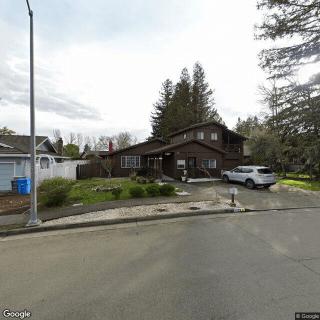
3661 Piner Road, Santa Rosa, CA 95401
For more information about senior living options: (866) 208-4318
Nicole's Quality Care Home Costs & Pricing
At Nicole's Quality Care Home, the monthly cost for a private room is set at $4,440. This figure places it slightly above the average rates in Sonoma County, which are approximately $4,225, and significantly higher than the statewide average for California, recorded at $3,939. While these costs reflect the premium services and personalized care that Nicole's Quality Care Home provides, they also underscore the increasing financial demands associated with quality caregiving in this region. The pricing strategy reflects not only local market dynamics but also a commitment to ensuring residents receive exceptional support tailored to their needs.
| Floor plans | Nicole's Quality Care Home | Sonoma County | California |
|---|---|---|---|
| Private | $4,440 | $4,225 | $3,939 |
Assisted Living communities with a similar price nearby
-
About the same
Anson Place Residential Care Home
$4,500 / month7.1 miles away -
from -$840 / mo

Victoria's Place
$3,600 / month3.7 miles away -
from -$145 / mo

Cogir of Sonoma
$4,295 to $5,495 / month21.8 miles away -
from -$740 / mo

Silva Board And Care
$3,700 to $5,367 / month5.5 miles away -
from +$255 / mo

Villa Capri At Varenna
$4,695 to $9,095 / month5.4 miles away
Overall Review of Nicole's Quality Care Home
Pros
 Ms. Tracy and Ms. Sereana are very understanding and always ready to help with any questions or problems.
- Alegre Homecare Santa Rosa is a great company, very flexible with schedules, and its staff is amazing with very good communication.
Review
Nicole's Quality Care Home in Santa Rosa, operated with Alegre Homecare Santa Rosa, is best suited for seniors who want the warmth of a home-like setting paired with highly attentive, responsive care delivered through a small, flexible team. This arrangement appeals to residents who need help with daily living tasks but do not require heavy medical supervision or a large, institution-like campus. A family seeking hands-on care coordination, quick problem-solving, and a caregiver roster that adapts to changing routines will find this model dependable. The care relationship is prioritized through accessible communication and a commitment to addressing questions and problems promptly, which can greatly ease the stress of coordinating in-home support.
For those who expect rigorous, around-the-clock medical oversight, a broad slate of on-site activities, and the predictable structure of a traditional assisted living community, alternatives should be considered. Larger facilities in Santa Rosa often offer more formalized care teams, scheduled social programs, and visible medical oversight that some families find reassuring for higher-acuity needs. If continuity of caregivers is a priority and there is concern about who will be available if a preferred caregiver is sick or unavailable, it makes sense to explore options with built-in backup staffing and clear continuity plans.
From the available feedback, the strongest positives are the scheduling flexibility and the caliber of the caregiving staff. Flexibility means care plans can bend with doctor appointments, transportation needs, or family preferences without triggering logistical headaches. The staff is described as amazing, suggesting skilled, compassionate assistance that makes daily routines smoother and more dignified. Regular, clear communication is highlighted as a real strength, helping families stay aligned with the resident’s status. The explicit mention of Tracy and Sereana as understanding, readily available problem-solvers paints a picture of reliable, relational care that many seniors value deeply.
Yet the lack of named drawbacks in the feedback invites caution. The home-care model inherently relies on caregiver consistency and the ability to adapt scheduling; turnover or rising medical needs could test that structure. The offset comes in the demonstrated willingness to listen, adapt, and keep lines of communication open. Prospective families should seek concrete assurances about backup caregivers, a written care plan, and how medical questions and emergencies are coordinated, especially if the resident’s needs could shift toward higher acuity.
To translate strengths into a confident decision, request a formal care consultation and meet the caregiving team, with particular attention to the individuals identified as primary contacts. Ask for a detailed, week-by-week schedule, the caregiver-to-resident ratio, and a written escalation path for after-hours concerns. Inquire about medication management, coordination with external clinicians, and any nurse oversight, even if daily oversight isn’t required. Clarify policies on respite care, temporary stays, and transitions to a higher level of care if medical or functional needs change. A trial period or clearly defined onboarding process can illuminate how well the model scales to sustained senior care.
When families want a warm, responsive home-care solution in Santa Rosa, Nicole's Quality Care Home, backed by Alegre Homecare Santa Rosa, delivers a practical choice that emphasizes adaptability, trust, and proactive communication. It excels for residents who value personal relationships with caregivers and a schedule that bends to life’s realities. For those requiring more formalized medical oversight or a broader slate of on-site amenities, exploring traditional assisted living options in parallel remains prudent. The next step is a guided visit, candid conversations with Tracy and Sereana, and a clear, written plan that lays out responsibilities, back-up coverage, and expectations for continuity of care.
 6 resident community capacity
 Assisted Living
 Board and Care Home
 Cable or satellite TV
 Dining room
 Fully furnished
 Garden
 Housekeeping services
 Move-in coordination
 Outdoor space
 Telephone
 Wi-Fi/high-speed internet available
 24-hour supervision
 Activities of daily living assistance
 Assistance with bathing
 Assistance with dressing
 Assistance with transfers
 Diabetes diet
 Meal preparation and service
 Medication management
 Special dietary restrictions
 Transportation arrangement (medical)
 Transportation to doctors appointments



 Social Security Benefits and Assisted Living: Navigating Options Across the U.S.
 An Extensive Exploration of the VA Aid and Attendance Benefit
 Senior Transition Services: Understanding Their Role, Cost, and Importance