
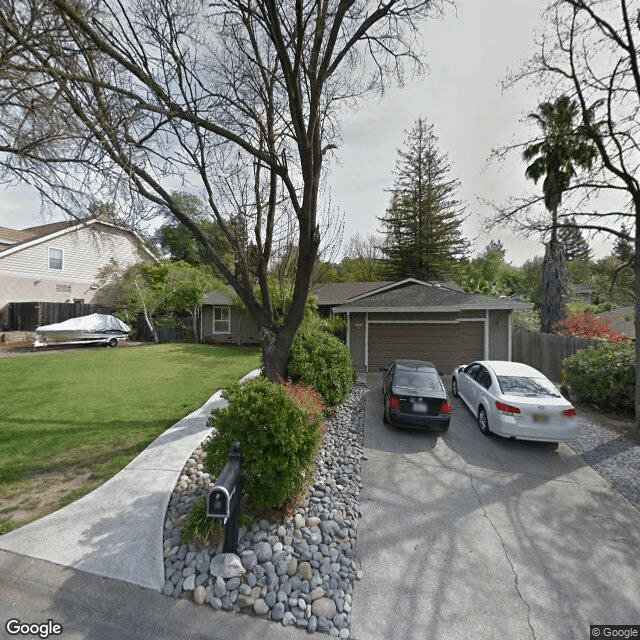
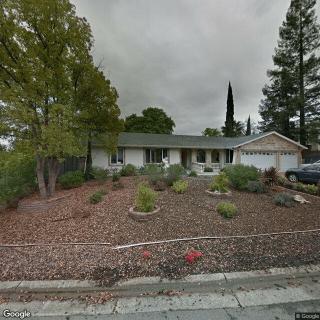
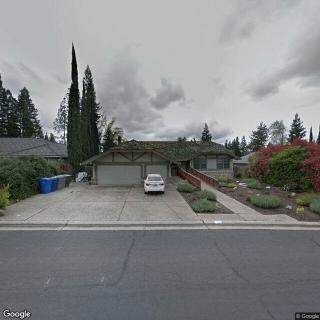
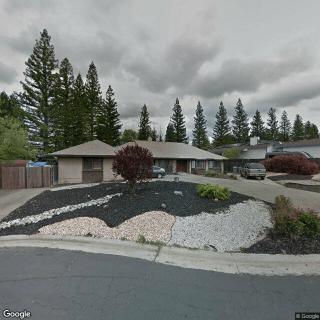
120 Woodview Dr, Folsom, CA 95630
To contact a resident: (916) 955-4100
For more information about senior living options: (866) 208-4318
Woodview Home Costs & Pricing
At Woodview Home, the monthly cost for a private room is set at $4,500, which positions it above both the Sacramento County average of $3,686 and the broader California state average of $3,939. This pricing reflects the premium quality of care and amenities offered at Woodview Home, which may appeal to those seeking a more personalized experience in assisted living. While the costs are higher than the local and state benchmarks, many families find value in the specialized services and attentive staff that contribute to a nurturing environment for residents.
| Floor plans | Woodview Home | Sacramento County | California |
|---|---|---|---|
| Private | $4,500 | $3,686 | $3,939 |
Assisted Living communities with a similar price nearby
-
About the same
Montclair Villa
$4,500 / month6.5 miles away -
from +$500 / mo
Bethesda Senior Care
$5,000 / month2.9 miles away -
from +$500 / mo
Friendly Care Home II
$5,000 / month2.3 miles away -
About the same
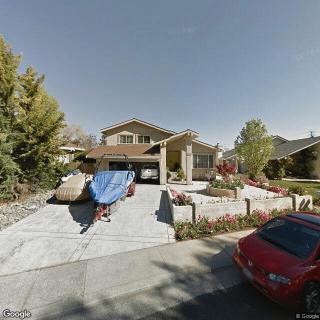
Sunriver Senior Care
$4,500 / month6.5 miles away -
from -$350 / mo
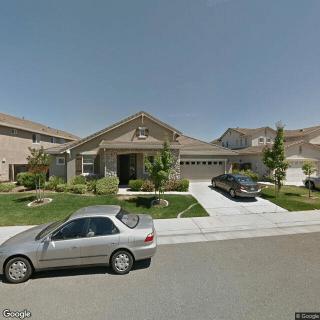
Ferrari
$4,150 to $5,500 / month13.5 miles away
Overall Review of Woodview Home
Pros
 The Woodview Care Home is very clean and homey.
- The owners keep residents' best interests in mind and prioritize their comfort.
- Residents are cared for like family.
- The environment feels warm, welcoming, and nurturing.
- Ingrid goes above and beyond to provide a loving home and manages residents' medical needs.
- Donna treats residents with love, kindness, and personal attention.
- Caregivers regularly check on residents and communicate with families.
- The overall atmosphere is family-like and supportive.
Cons
 The caregivers slept while the patients slept and could not be woken even with alarms.
- An elderly resident fell from a bed and help was not available promptly because the caregivers were asleep.
- Nighttime staffing was insufficient, with no awake night caregiver, and the owner refused to hire one even when suggested.
- The meals were the same for every resident with no dietary exceptions, leading to the reviewer’s father’s stomach pain and constipation.
- The staff were described as lacking formal medical training and only taking a yearly CPR test, raising concerns about patient safety.
Review
Woodview Home in Folsom, CA is best suited for seniors who want a warm, home-like setting with genuinely personal care. It is ideal for residents who value a small, family-style atmosphere where the staff know them by name, and where daily routines feel less institutional and more like living in a well-kept house. This community serves well for those who are mostly independent with light to moderate assistance needs and do not require constant clinical oversight. Families should consider alternatives if a loved one requires round-the-clock medical attention, specialized memory-care programming, or a care team that remains fully awake and monitoring at night.
On the upside, Woodview earns its strongest points for atmosphere and relationships. The facility is described as clean and inviting, with owners who keep residents’ comfort as a top priority and treat them as if they are part of the family. Caregivers are praised for kindness, genuine affection, and regular contact with families, which translates into a sense of reassurance for relatives who cannot be at the facility every hour. The small, homey environment helps residents feel less like patients and more like residents of a shared home, reducing the stress often associated with larger, more clinical settings.
However, serious caveats emerge around overnight staffing and medical oversight. Several accounts point to two caregivers who sleep through the night, raising legitimate concerns about response times when alarms sound or a resident needs attention. For families caring for residents with dementia, oxygen needs, or mobility challenges, this is not a trivial risk; it can translate into missed assistance during critical moments. Additional concerns touch on meal planning and medical dietary needs, with at least one reviewer alleging generic meals and insufficient consideration for diabetics or salt restrictions. A charged incident discussion about a resident’s medical emergency underscores the need for clear, enforceable nighttime coverage and reliable escalation protocols.
These strengths and weaknesses interact in a practical way. The home-like setting, proactive owner involvement, and consistently warm caregiving can offset many daily frustrations and provide real emotional comfort to residents and their families. The risk of limited nighttime staffing, however, does not disappear simply because the atmosphere is appealing. For a resident who thrives on consistent, around-the-clock attention and clearly defined medical oversight, the gaps at night could outweigh the comforting daily routines. The question becomes whether daytime care and family communication can sufficiently compensate when night shifts are offline.
Pricing and size are notable considerations in the trade-off. The facility operates on a modest footprint, roughly a small staff, a few residents, and the anecdotes hint at costs that are competitive for the area. Yet the lack of night staffing is a consequential factor in budgeting for ongoing care. Prospective families should verify current rates, what is included (meals, medication management, caregiver ratios), and whether a night shift can be arranged or paid for via a family-funded caregiver if needed. This matters because the financial plan must align with the level of supervision the loved one requires.
In the end, Woodview Home is a strong fit for families prioritizing a homey, intimate care setting and who can comfortably navigate nighttime coverage gaps. It rewards those who value personal attention and steady, affectionate care from an involved owner and small caregiving team. It is less suitable for anyone whose loved one needs constant awake supervision, aggressive medical management, or highly tailored dietary and dementia-care programming. The prudent path is to visit with specific questions about nighttime coverage, insist on a clear care plan, request references from current residents’ families, and, if feasible, observe a night shift or request a trial period. This approach makes it possible to gauge whether the warmth and personal touch can be sustained when lights go out, or if a different community with stronger overnight staffing is the safer fit.
 6 resident community capacity
 Assisted Living
 Board and Care Home
 Respite Care
 Cats allowed
 Dogs allowed
 Activities off-site
 Beautician on-site
 Cable or satellite TV
 Devotional services off-site
 Dining room
 Fully furnished
 Garden
 Housekeeping services
 Indoor common areas
 Move-in coordination
 Outdoor common areas
 Private
 Private bathrooms
 Telephone
 Wheelchair accessible showers
 Wi-Fi/high-speed internet available
 Sacramento International (22 miles away)
 24-hour supervision
 Assistance with bathing
 Assistance with dressing
 Assistance with transfers
 Diabetes diet
 Diabetic care
 High acuity care
 Incontinence care
 Meal preparation and service
 Medication management
 Special dietary restrictions
 Transportation arrangement (medical)
 Transportation to doctors appointments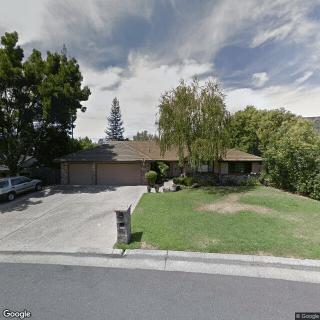


 A Detailed Exploration of Assisted Living Medicaid Waivers Across the United States
 Comprehensive Residential Support and Assisted Living Solutions for Individuals with Disabilities
 Comprehensive Supportive Living Arrangements for Adults with Disabilities