
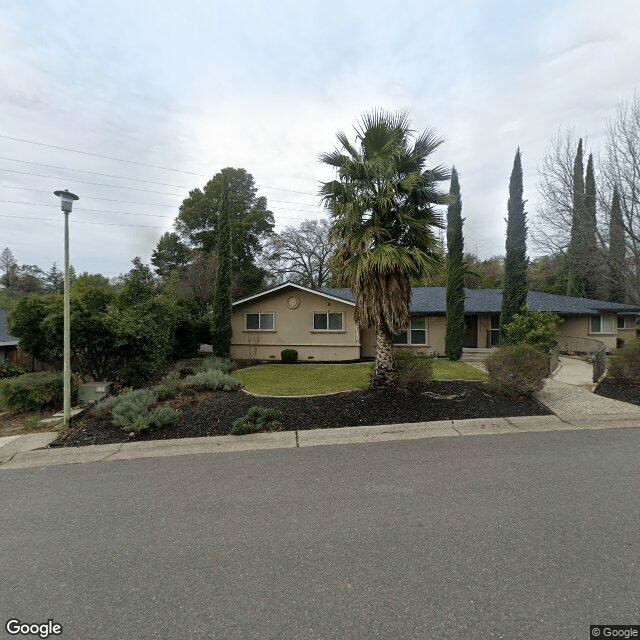
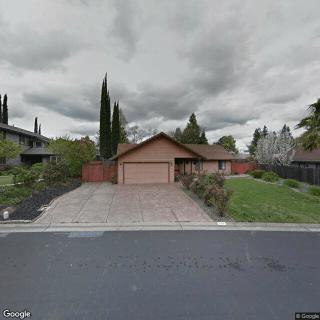
9814 Blue Lake Drive., Folsom, CA 95630
For more information about senior living options: (866) 208-4318
Folsom Senior Retreat Costs & Pricing
Folsom Senior Retreat offers a private room at a monthly cost of $4,000, positioning it slightly above the average rates for both Sacramento County and the broader state of California. In comparison, Sacramento County sees an average monthly cost of $3,686 for similar accommodations, while the statewide average is around $3,939. This pricing reflects Folsom Senior Retreat's commitment to providing a premium living experience tailored to seniors seeking quality care and community engagement. While its costs may be higher than regional averages, residents can expect enhanced services and amenities that justify the investment in their well-being.
| Floor plans | Folsom Senior Retreat | Sacramento County | California |
|---|---|---|---|
| Private | $4,000 | $3,686 | $3,939 |
Assisted Living communities with a similar price nearby
-
from +$500 / mo
Montclair Villa
$4,500 / month6.2 miles away -
from +$500 / mo
Sunriver Senior Care
$4,500 / month6.6 miles away -
from +$150 / mo
Ferrari
$4,150 to $5,500 / month13.2 miles away -
from +$590 / mo

Immaculate Care Home
$4,590 / month22.3 miles away -
from +$500 / mo
Century Care Home
$4,500 / month4.4 miles away
Overall Review of Folsom Senior Retreat
Pros
 Lilli and Gabriel really care about their residents.
- Our father really thinks of Folsom Senior Retreat as his home away from home.
Review
Folsom Senior Retreat is best suited for families seeking a warm, intimate, home-like environment where residents are treated as individuals and daily life is guided by genuinely engaged caregivers. The operation centers on Lilli and Gabriel, whose hands-on approach translates into routines that feel personal and supportive. Two families describe a resident’s sense of belonging in clear terms: their father thinks of the retreat as his home away from home. That kind of relationship, consistent, attentive contact from a small, close-knit team, defines the core strength of this community and makes it a compelling option for seniors who prize emotional comfort and steady continuity of care.
For seniors with medical complexity or expectations for a broad, structured program, alternatives merit consideration. Prospective residents who require regular medical oversight, on-site nursing, medication management, rehabilitation services, or a fuller calendar of activities might find the offering here too lean. A small, homelike setting often yields gentler routines and more personal attention, but it can come with limits in clinical capabilities and service breadth. If memory care, intensive supervision, or rapid escalation of medical needs is anticipated, exploring larger communities with established care layers is prudent.
The most evident advantages come from the owners’ investment in residents. The care dynamic articulated by the two reviews highlights a level of attention that transcends routine supervision: Lilli and Gabriel care about each resident, and families perceive a deep, personal commitment that translates into daily life. This translates into quick responsiveness, attentiveness to preferences, and a pervasive sense of safety. With fewer anonymous staff handoffs and more predictable faces at meals and activities, families gain easier lines of communication, clearer expectations, and a sense that changes in mood or condition will be noticed and addressed promptly.
These relational strengths offset several potential drawbacks by creating a living environment anchored in trust and familiarity. When care is delivered by hands-on owners who know residents’ histories, dislikes, and routines, day-to-day decisions, meal choices, wake times, participation in activities, tend to be aligned with personal rhythms. In practice, that means fewer stressful negotiations for families and a smoother experience for residents who thrive on consistency. The emotional well-being fostered by this approach often translates into better mood, reduced anxiety, and a more dignified daily life, which can compensate for a smaller program slate or fewer on-site services.
Nevertheless, the limited public feedback invites a note of caution. With only two five-star reviews, there is insufficient breadth to reveal how the community handles emergencies, transportation, meal variety, or access to therapies beyond basic routines. Those evaluating this option should verify several specifics during a visit: daily schedules, staffing ratios during peak hours, medication administration practices, and the existence (or absence) of on-site rehabilitation or memory-care supports. Prospective residents should also inquire about transportation needs, housekeeping frequency, and how holiday or weekend programming is managed, as these details strongly influence day-to-day quality of life.
In the end, Folsom Senior Retreat stands out for families who value a home-like ambiance and deeply personal caregiver relationships. It is a particularly good match for seniors who respond well to consistent faces, steady routines, and direct access to owners who are visibly invested in resident well-being. For those requiring more formal medical oversight, a broader activity calendar, or a larger campus feel, alternatives may be a better fit. The prudent course is a guided tour accompanied by direct questions about care plans, emergency procedures, and staffing, followed by comparisons with a handful of other communities to confirm alignment with health needs, mobility, and family logistics. When emotional connection and continuity matter most, this community presents a practical, trustworthy option in the Folsom area.
 6 resident community capacity
 Assisted Living
 Board and Care Home
 Cable or satellite TV
 Dining room
 Fully furnished
 Garden
 Housekeeping services
 Move-in coordination
 Outdoor space
 Private
 Telephone
 Wi-Fi/high-speed internet available
 Sacramento International (22 miles away)
 24-hour supervision
 Activities of daily living assistance
 Assistance with bathing
 Assistance with dressing
 Assistance with transfers
 Diabetes diet
 Diabetic care
 Incontinence care
 Meal preparation and service
 Medication management
 Special dietary restrictions
 Transportation arrangement (medical)
 Transportation to doctors appointments


 Social Security Benefits and Assisted Living: Navigating Options Across the U.S.
 An Extensive Exploration of the VA Aid and Attendance Benefit
 Senior Transition Services: Understanding Their Role, Cost, and Importance