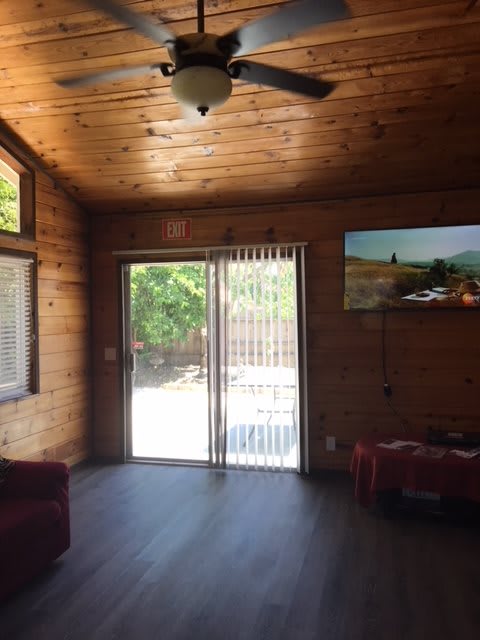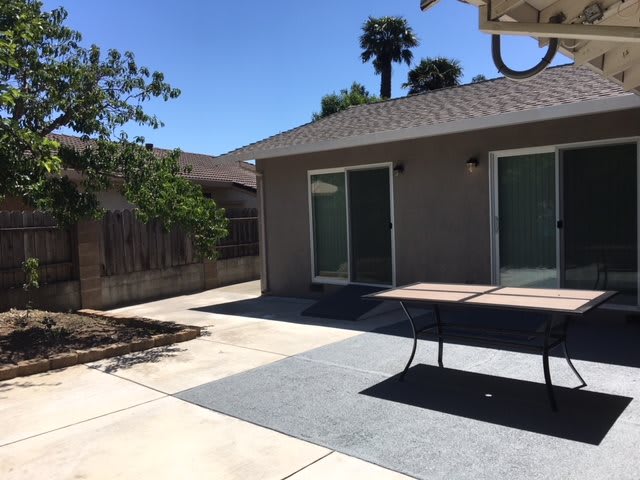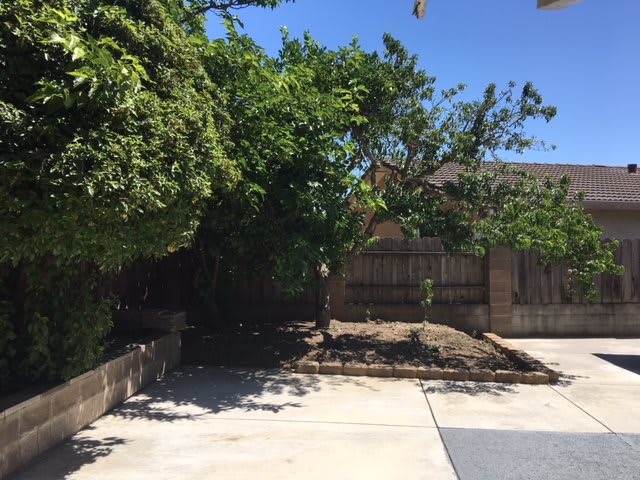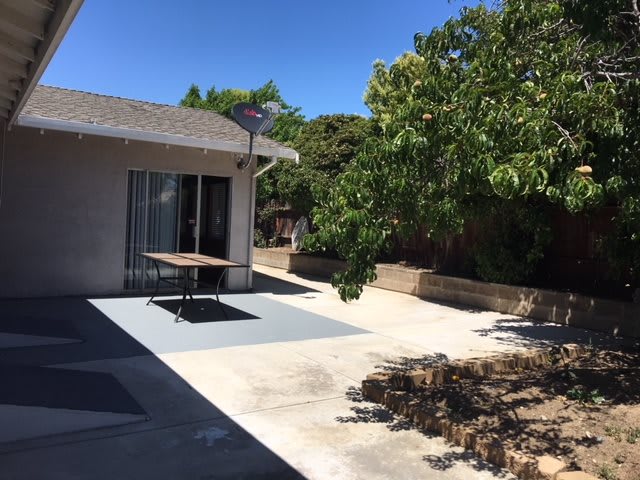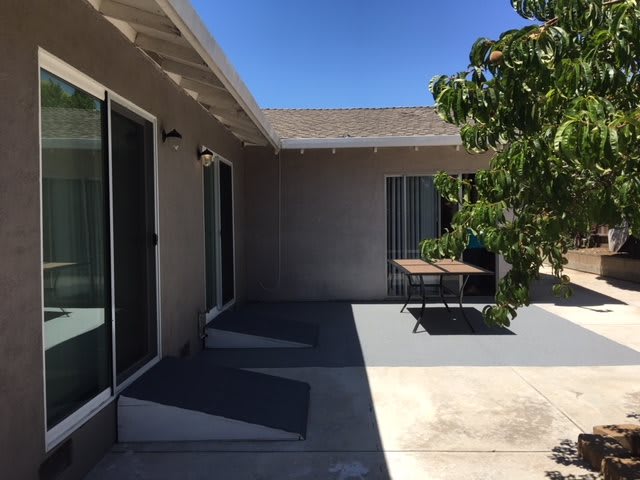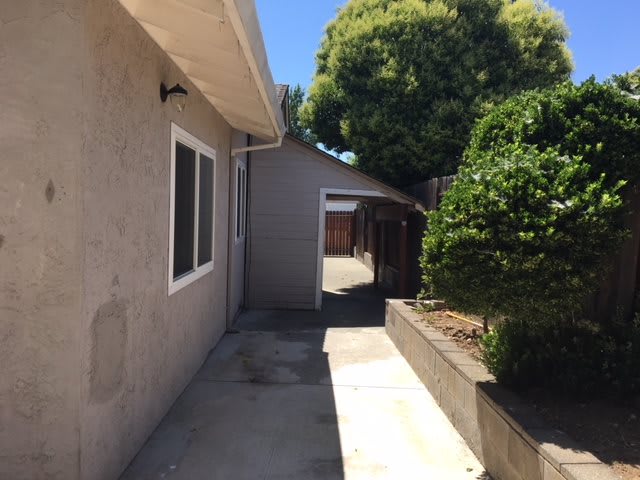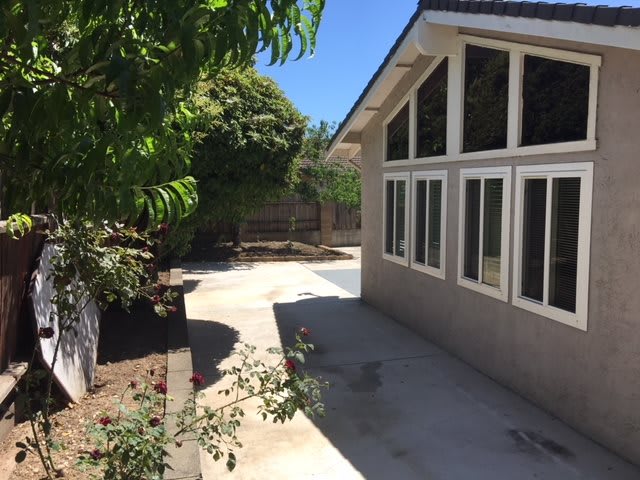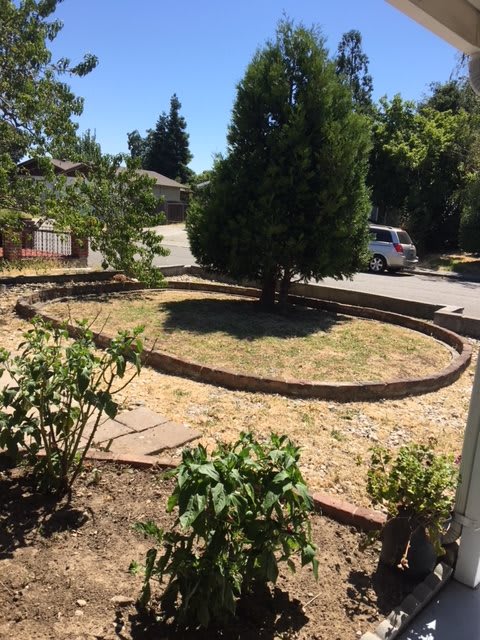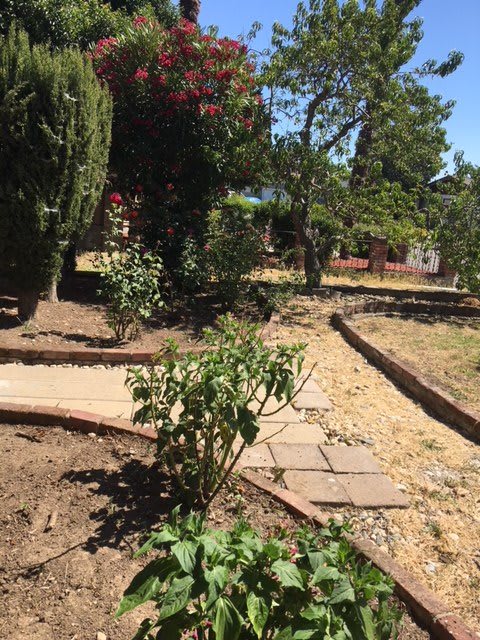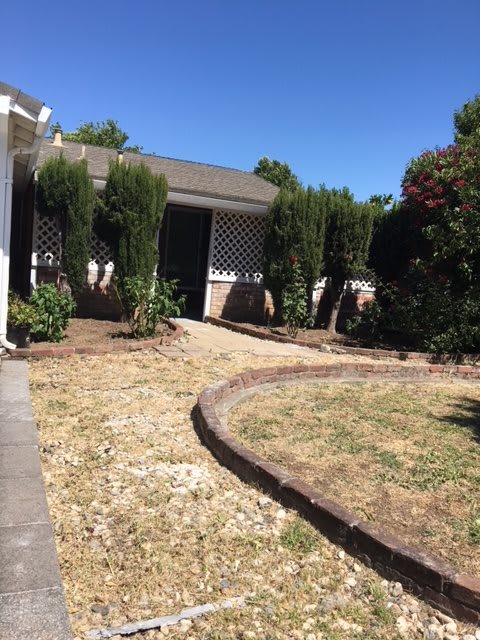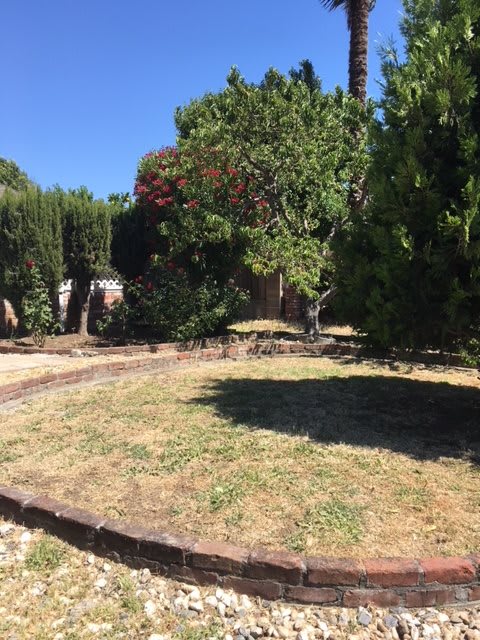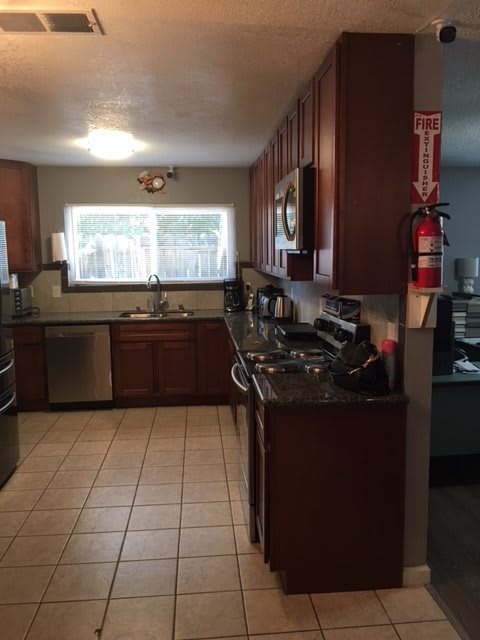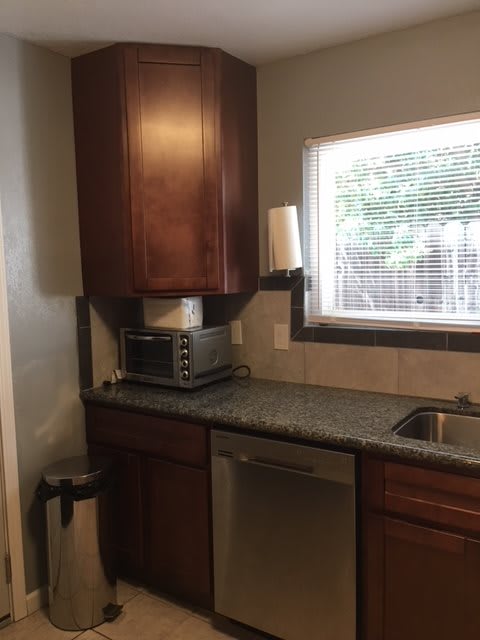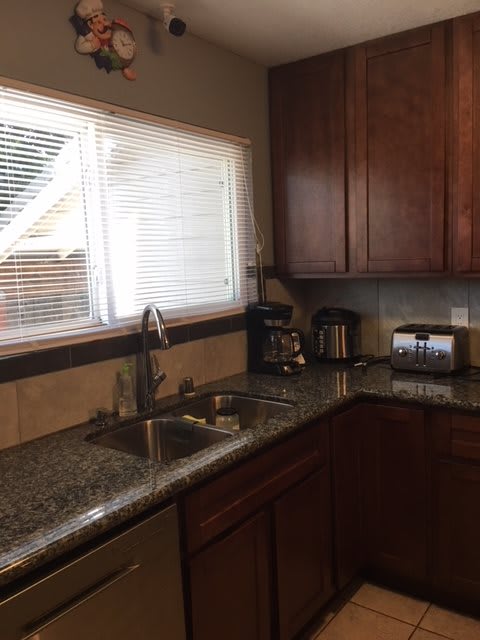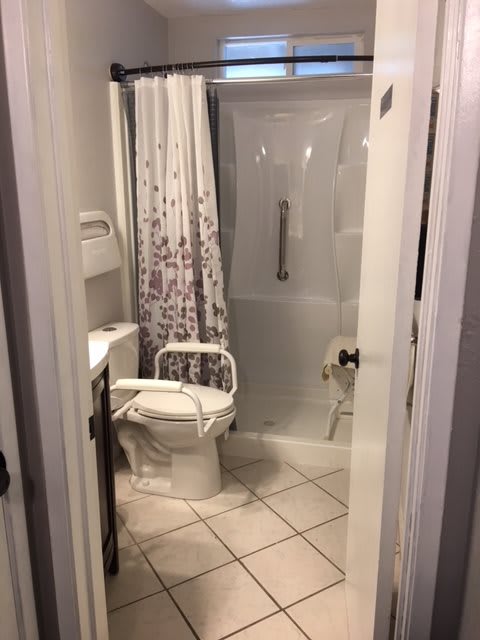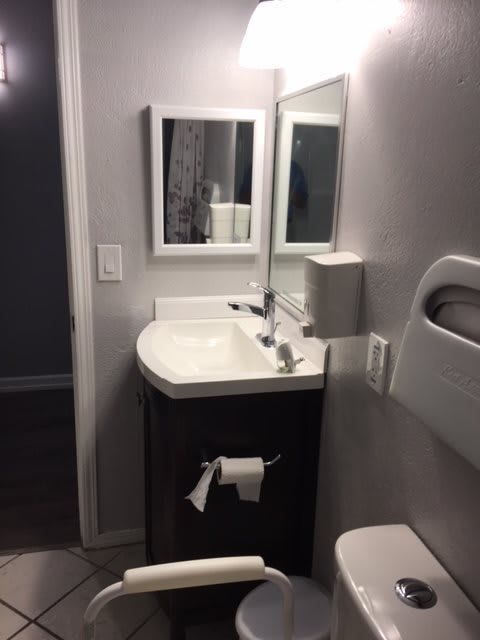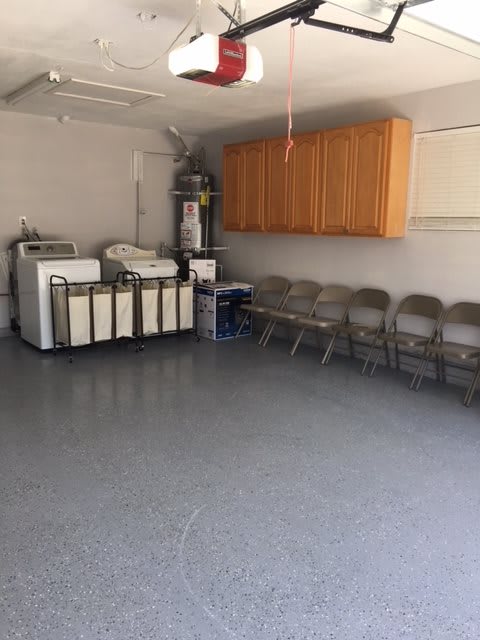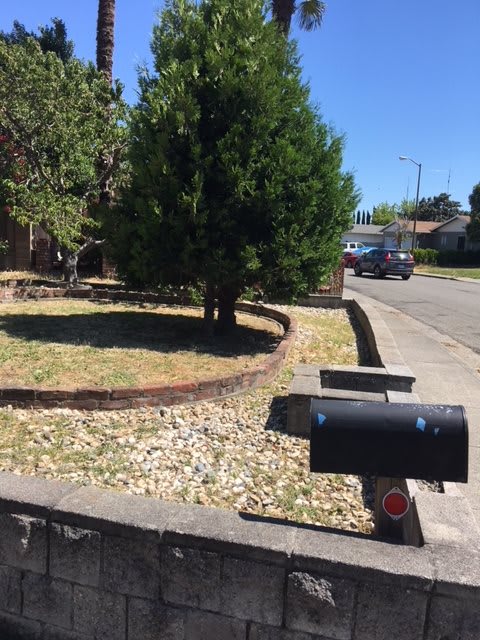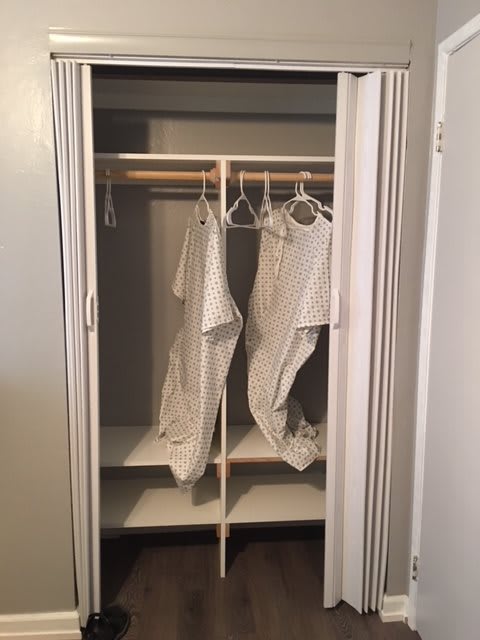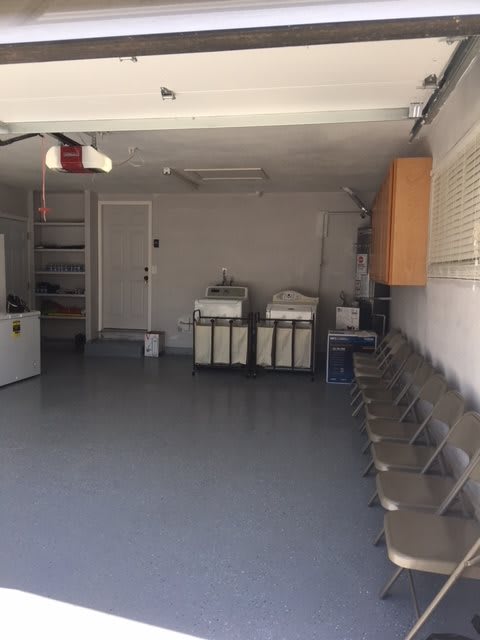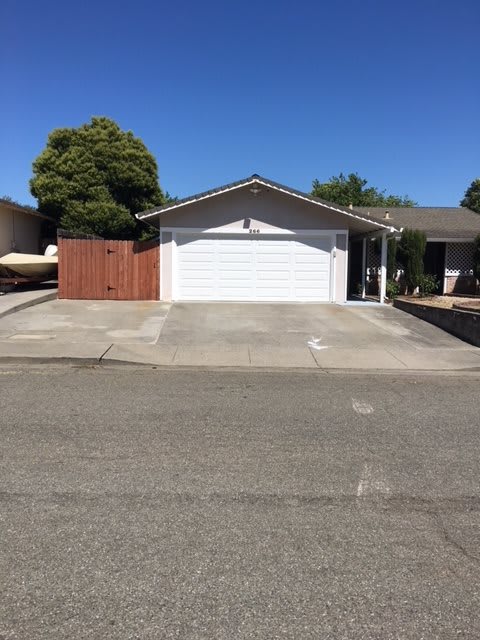
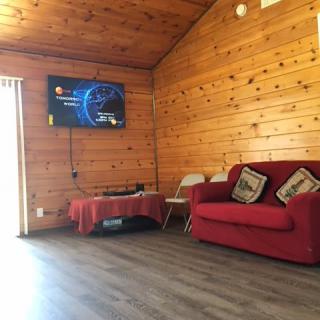
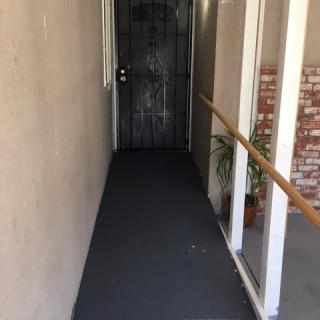
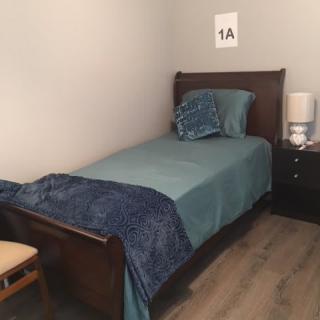
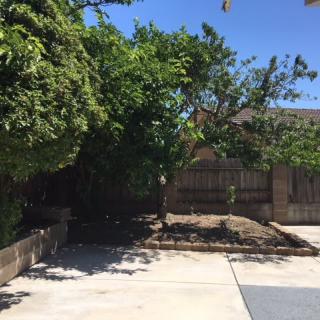
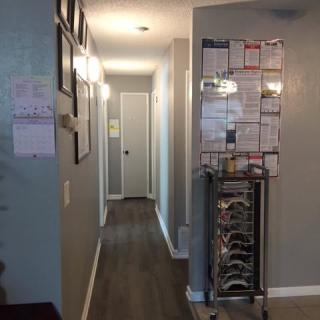
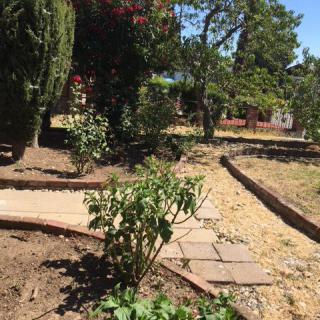
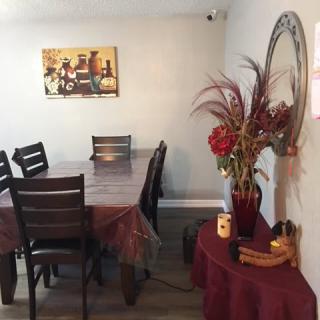
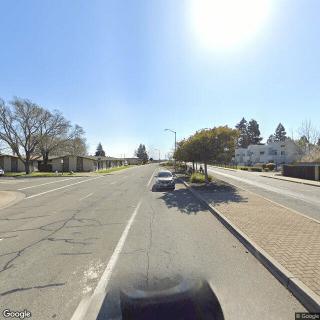
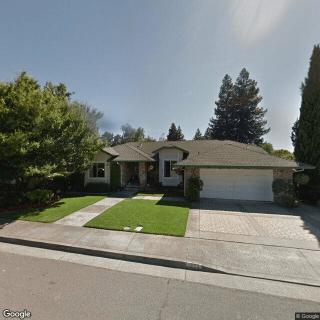
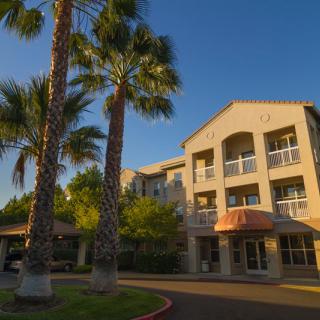
266 De Soto Drive, Fairfield, CA 94533
For more information about senior living options: (866) 208-4318
Solano Quality Home Care Costs & Pricing
Solano Quality Home Care presents a competitive pricing structure for its services, particularly when compared to both Solano County and the broader California market. For semi-private accommodations, their monthly rate of $3,500 exceeds the county's average of $2,762 but remains lower than the state average of $3,333. In terms of private rooms, Solano Quality Home Care matches its one-bedroom pricing at $5,000 with the county's figure of $3,750 and is notably higher than the state average of $4,340. Similarly, their private room rate aligns with that for a one-bedroom at $5,000; however, it surpasses county and state averages, which stand at $3,482 and $3,939 respectively. This indicates that while Solano Quality Home Care may position itself on the higher end for certain options relative to local and statewide averages, it also suggests a commitment to providing enhanced care services that reflect the costs associated with quality support.
| Floor plans | Solano Quality Home Care | Solano County | California |
|---|---|---|---|
| Semi-Private | $3,500 | $2,762 | $3,333 |
| 1 Bedroom | $5,000 | $3,750 | $4,340 |
| Private | $5,000 | $3,482 | $3,939 |
Memory care communities with a similar price nearby
-
from -$500 / mo
Laylor Care Home For The Elderly
$3,000 to $4,000 / month24.2 miles away -
from +$475 / mo
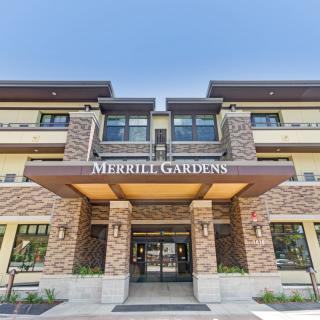
Merrill Gardens at Lafayette
$3,975 to $8,995 / month24.4 miles away -
from +$450 / mo
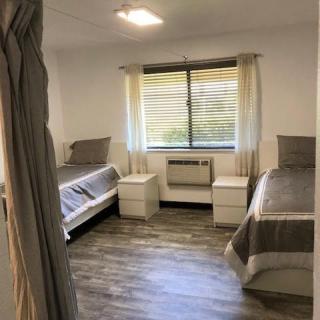
Solano Life House
$3,950 / month19.2 miles away -
from +$495 / mo
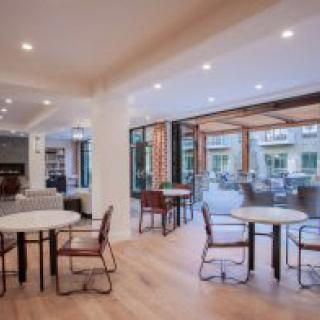
The Watermark at Napa Valley
$3,995 to $6,795 / month14.7 miles away -
from +$150 / mo
Good Neighbor Care Vacaville
$3,650 to $4,150 / month10.5 miles away
Overall Review of Solano Quality Home Care
Pros
 The caregivers are wonderful.
- They offer peace of mind.
- They have the same caregiver there day to day.
- They are personable, caring, and able to communicate.
- They provide companionship and a family-like environment with sensitive care.
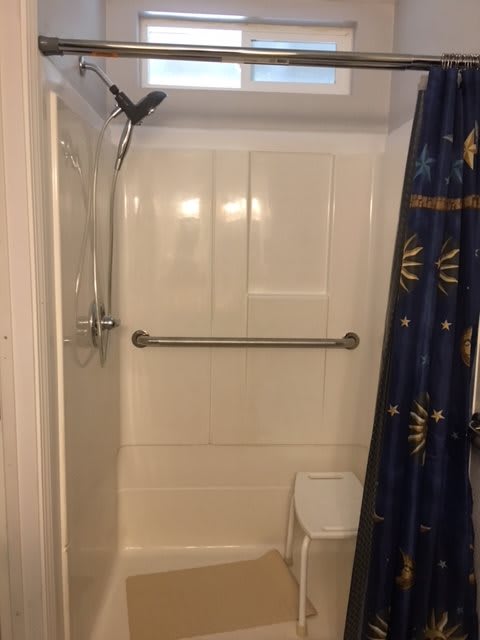
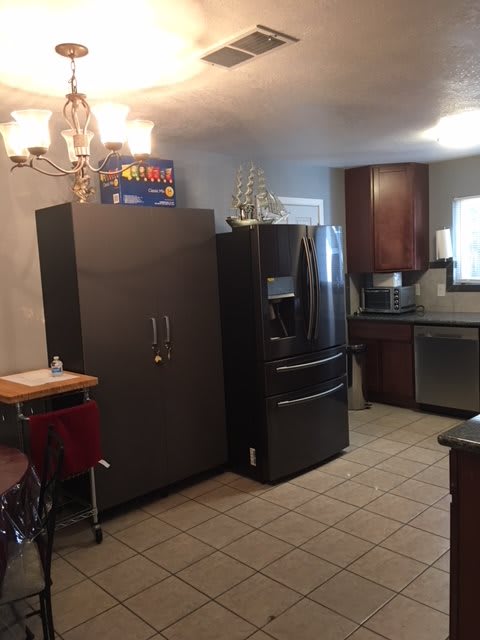
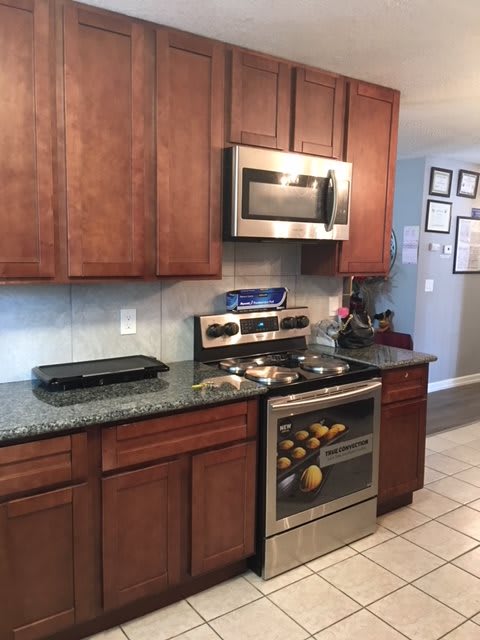
- The facility has a beautiful home and friendly staff.
- The owner and staff are very nice and knowledgeable.
- The residents are very happy living there.
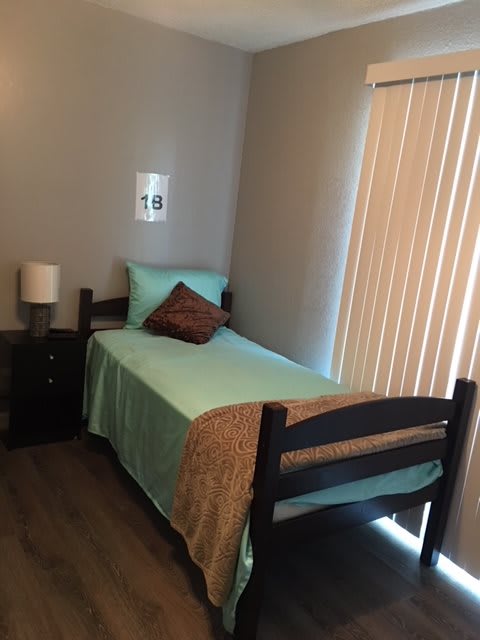
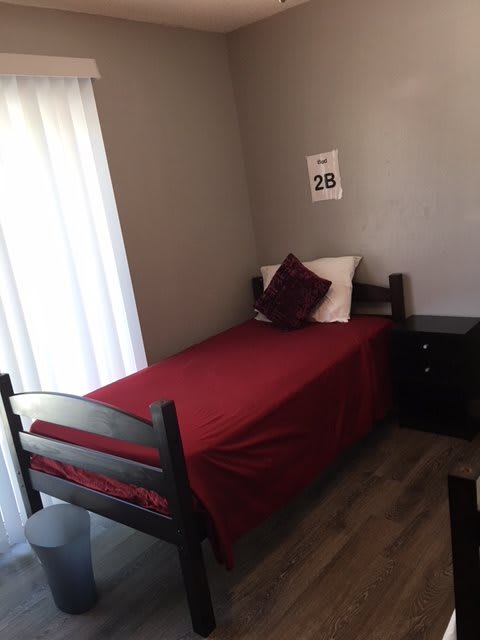
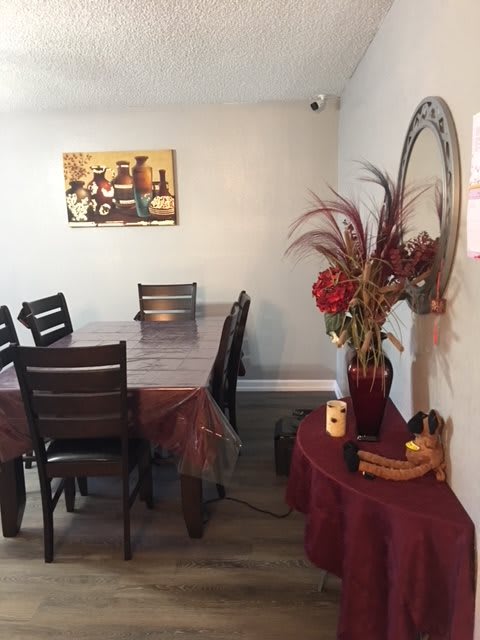
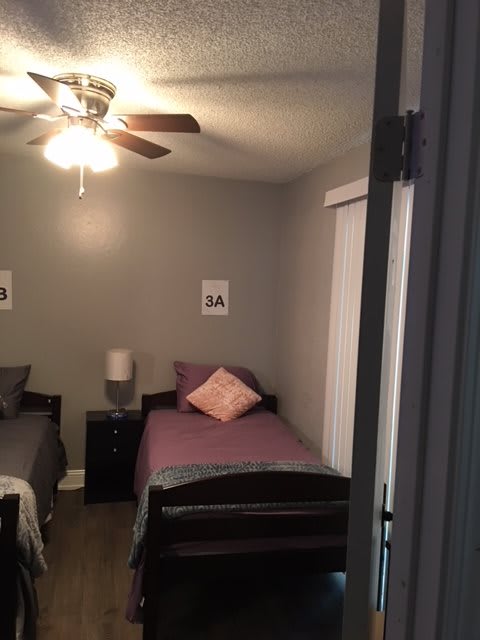
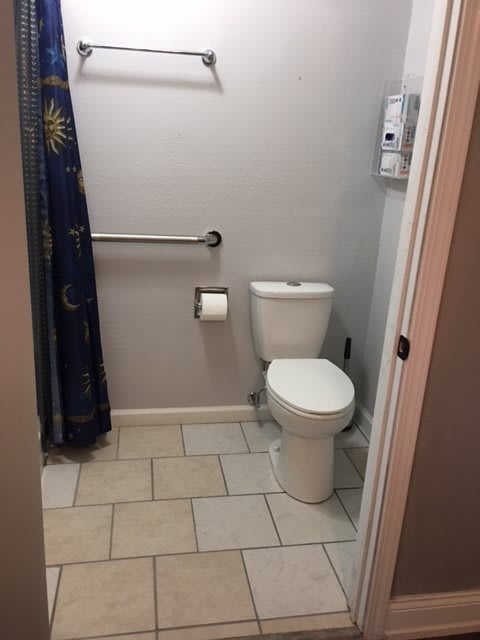
- The house is clean with spotless floors; the facility is refreshing and bright.
- The staff are pleasant and helpful.
Cons
 The facility is far from quality.
- They would not recommend it to anyone.
Review
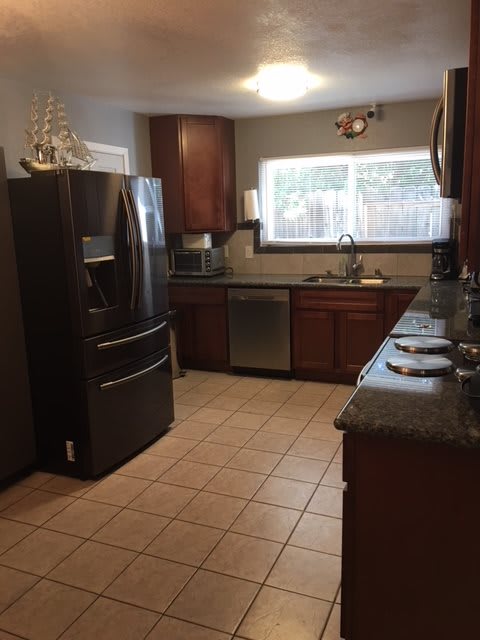
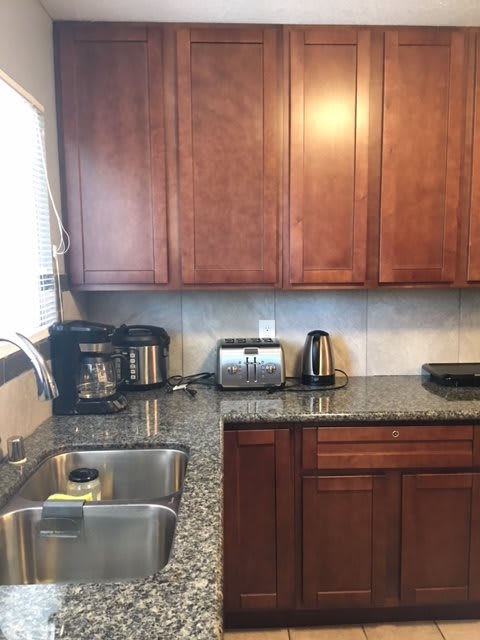
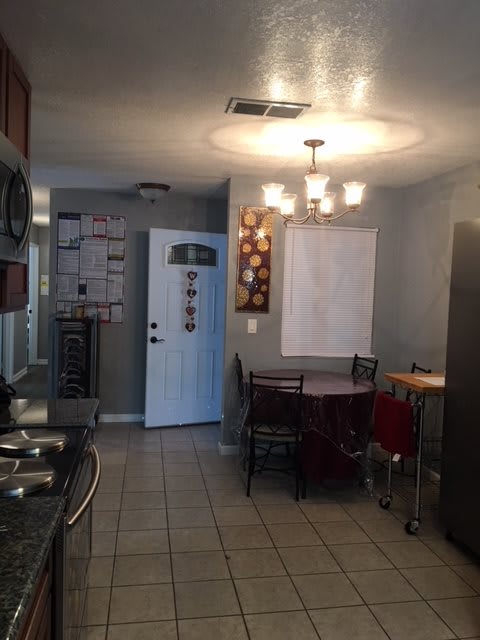
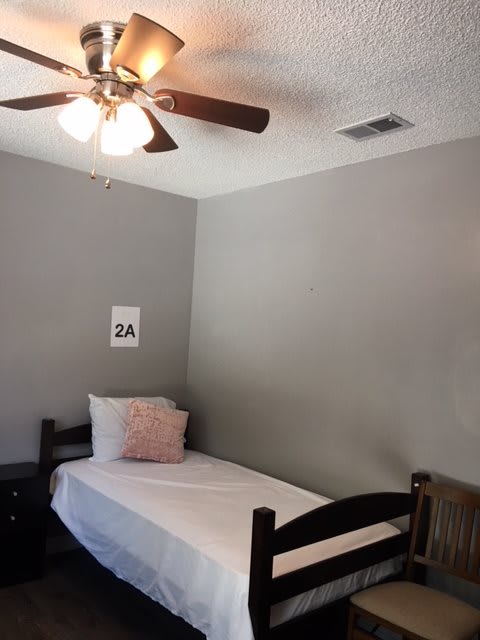
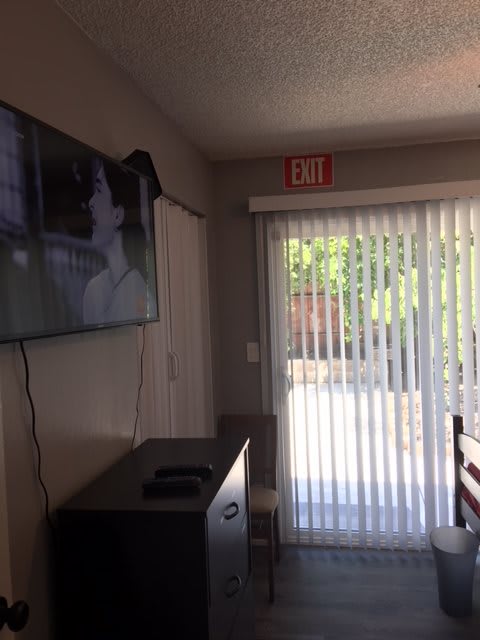
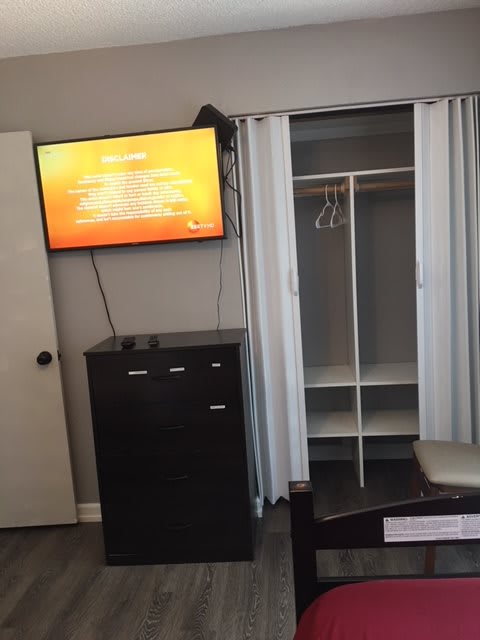
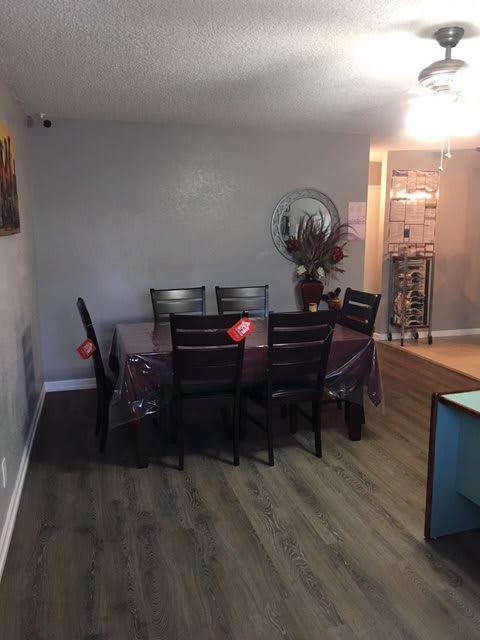
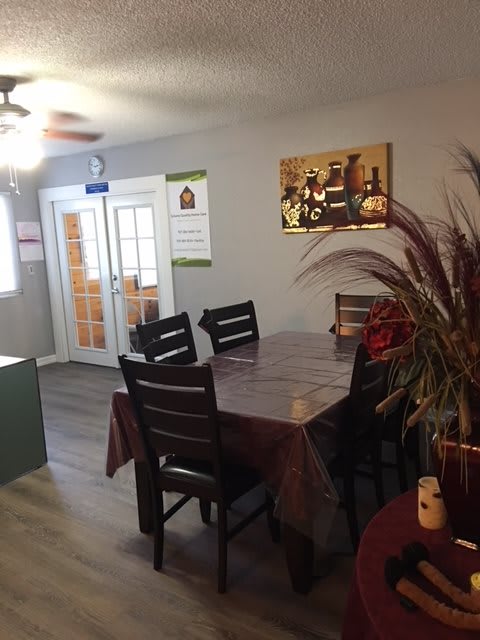
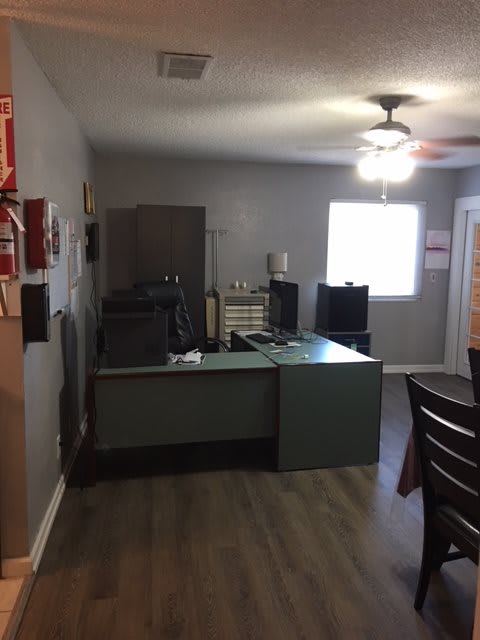
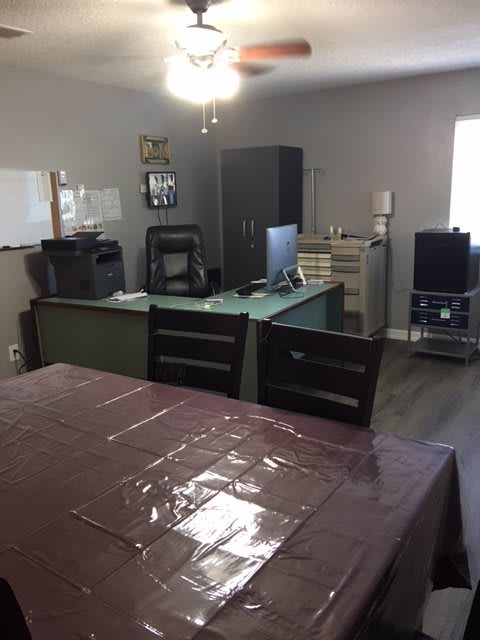
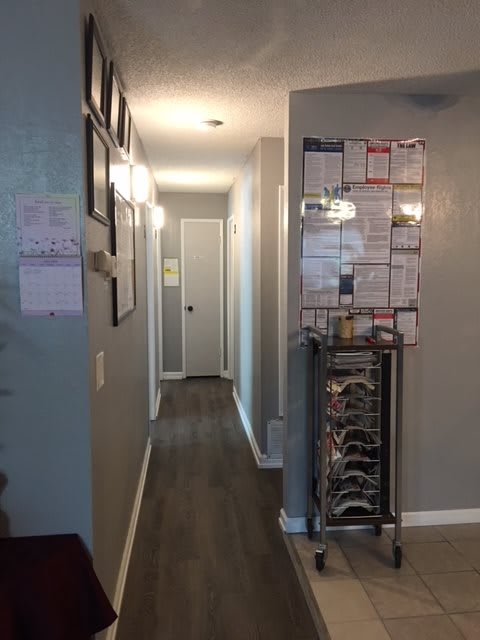
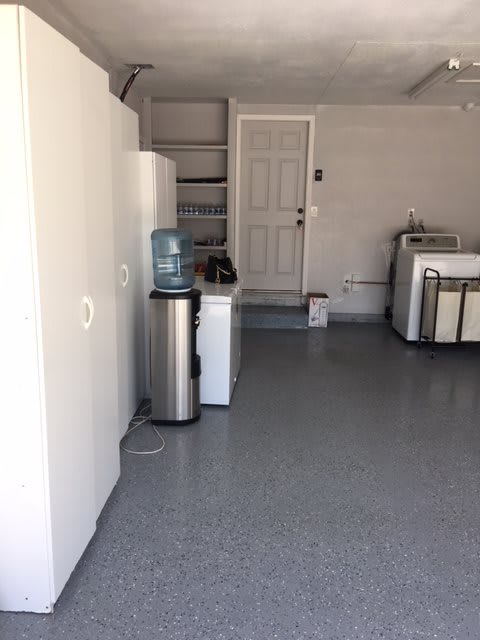
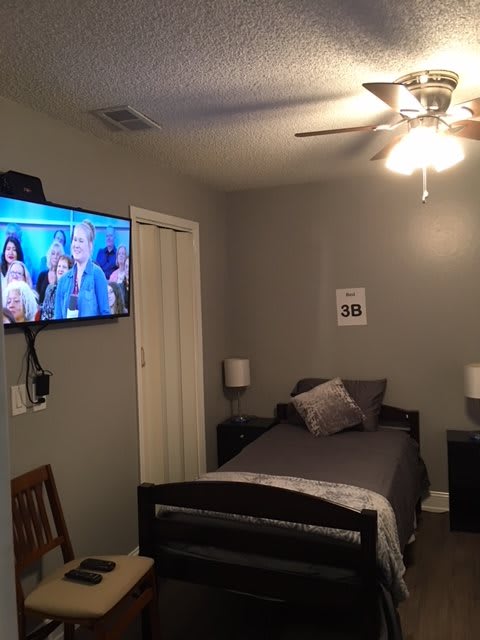
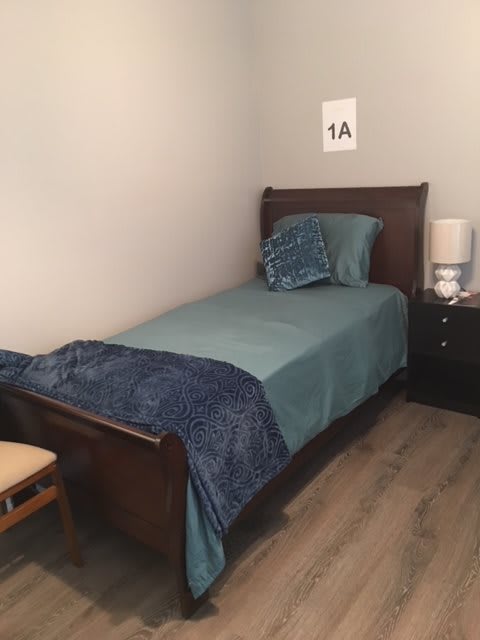
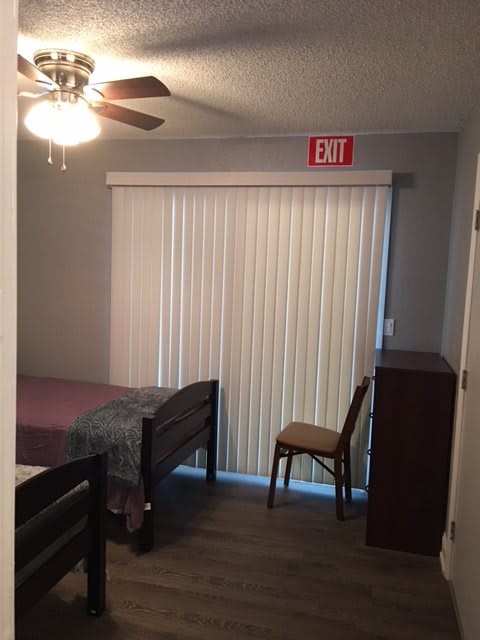
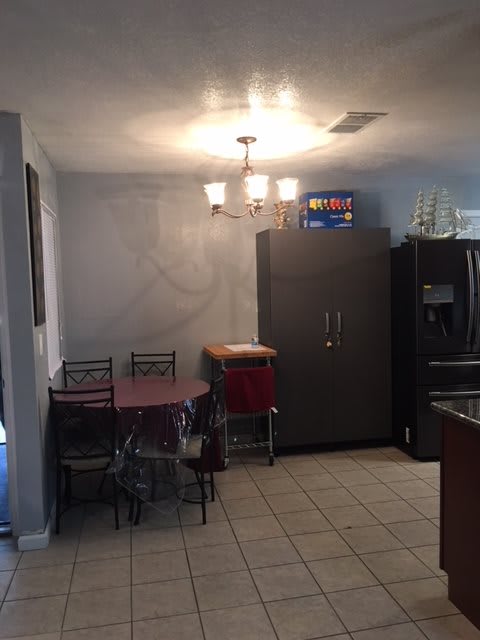
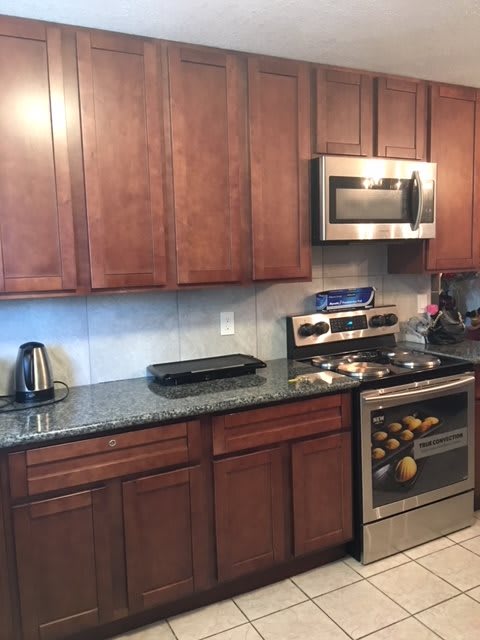
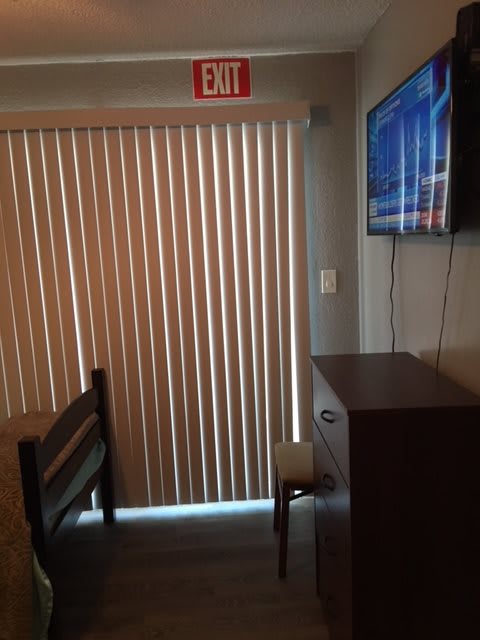
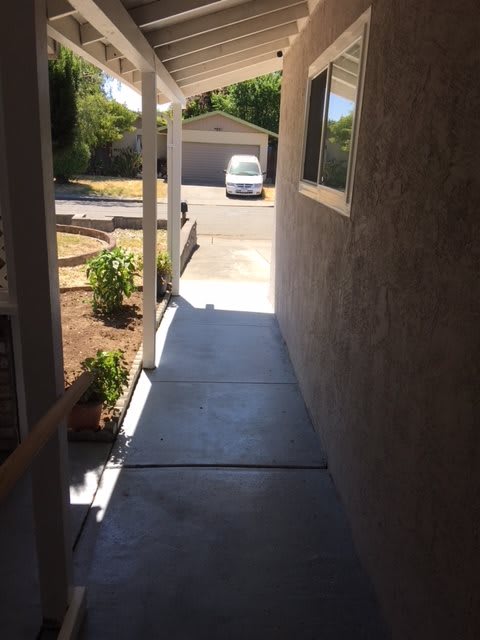
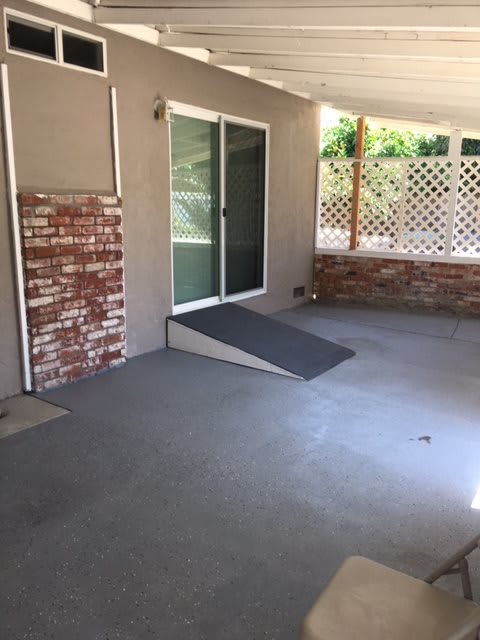
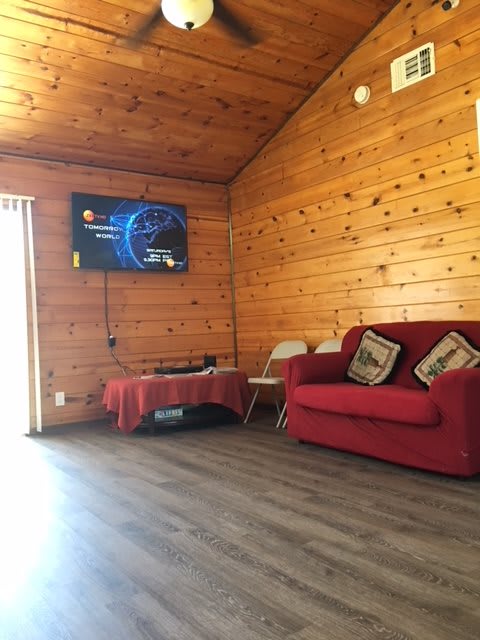
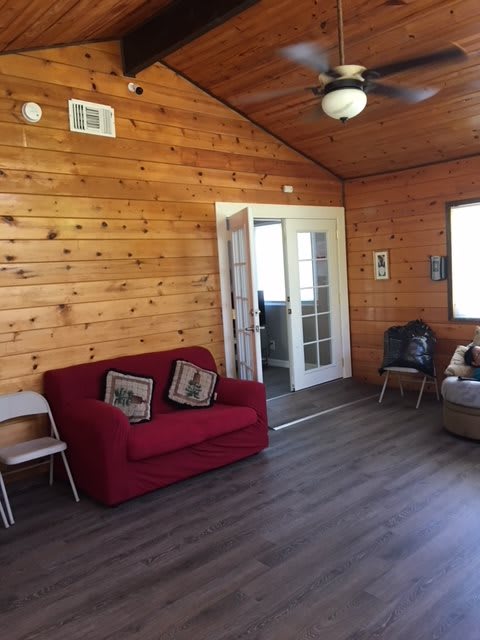
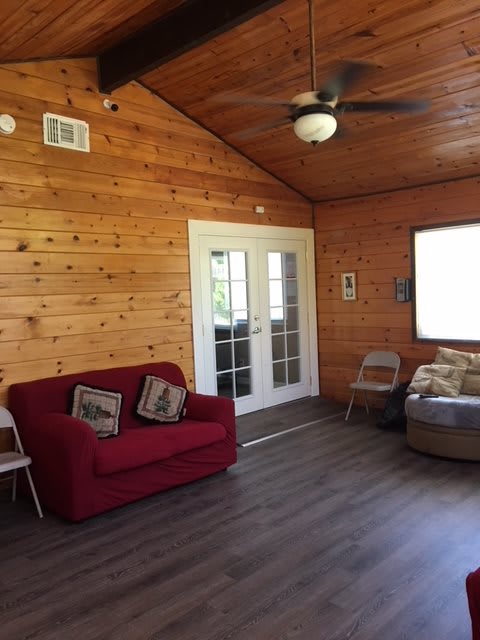
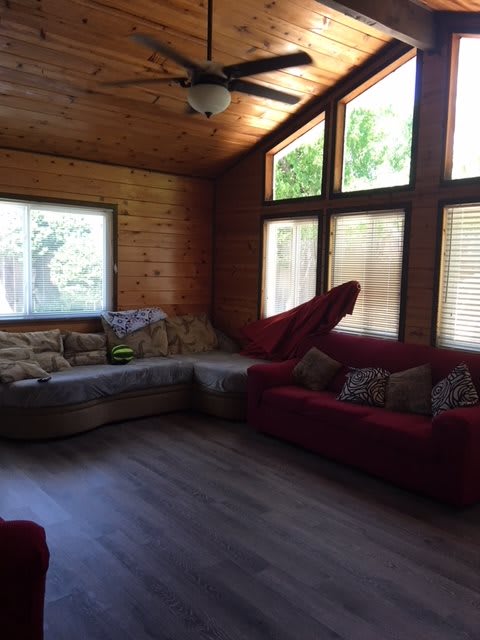
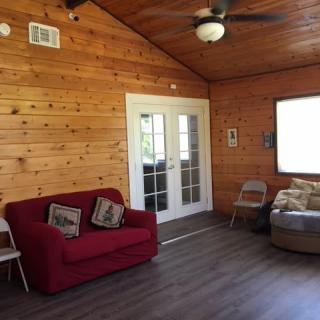
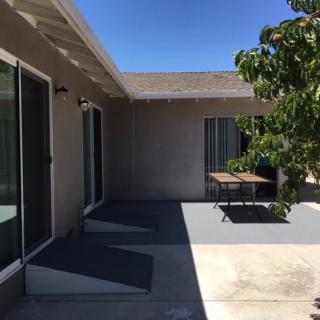
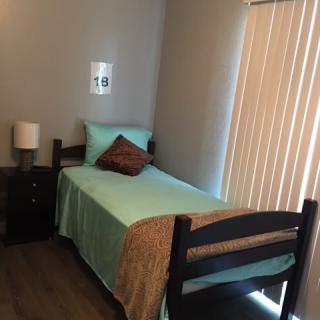
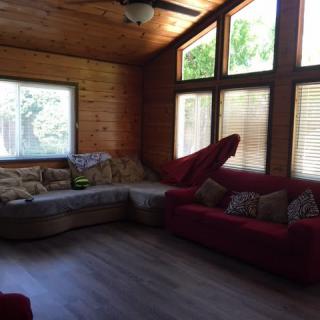
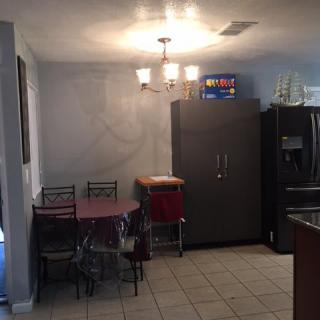
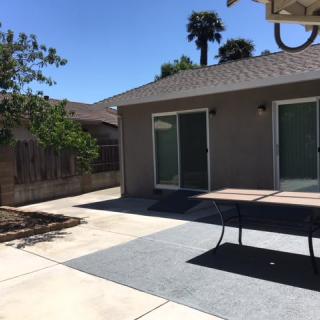
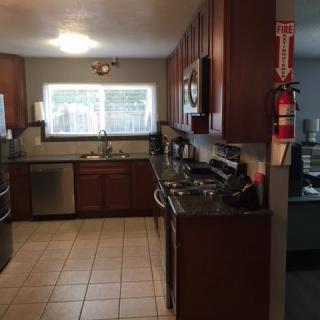
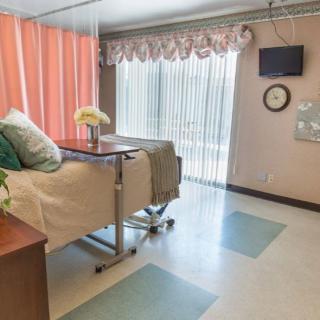
Solano Quality Home Care in Fairfield is best suited for seniors who thrive in a small, home-like setting where care is delivered with consistency and warmth. Families pursuing a calm, personalized routine will value the daily presence of the same compassionate caregivers, clear communication, and a family atmosphere that makes residents feel seen. The property presents as a beautiful, clean, bright residence with a welcoming staff and an owner who is involved and informed. In practice, this model tends to deliver peace of mind for relatives who live far away, as evidenced by firsthand accounts of steady staffing and meaningful engagement.
However, the community is not a universal fit. There is a clear caveat: at least one reviewer labeled the facility as “far from quality” and not recommend it. For families whose decision hinges on uniform quality, formal oversight, and a track record of consistent results across all residents, alternative options may be wiser to compare. Larger assisted living communities with more robust medical staffing or facilities that emphasize standardized protocols could be more suitable for those needing higher levels of clinical care or more predictable outcomes.
Pros center on the human touch. Caregivers are described as wonderful and engaging, delivering daily interaction that keeps residents connected and thriving. The same caregiver presence day after day reduces turnover anxiety, supports personalized routines, and strengthens trust between residents, families, and staff. The environment feels like a family home, clean, bright, welcoming, and residents appear happy, with staff competence and owner involvement reinforcing a sense of accountability and pride. This blend of stability and warmth translates into tangible, day-to-day benefits for comfort and morale.
That said, the potential con in the mix is perceived quality variability. The strongest counterbalance lies in the documented positives: dependable, personable staff; reliable communication; consistent caregiver pairing; and a soothing, homey atmosphere that makes daily living more comfortable. While one voice voices significant concern, the accumulation of positive experiences across multiple reviews points to a model that delivers practical benefits, less resident confusion, genuine companionship, and a sense of safety. The prudent approach is to verify day-to-day operations during a tour, including caregiver-to-resident ratios, and to inquire about how turnover is managed and how quality is monitored across shifts.
When evaluating, prospective families should request direct interaction with caregivers, ask about the owner’s role, and inspect the home-like layout and cleanliness firsthand. Inquire about staff retention, training standards, and whether medical oversight is available on-site or through partnered professionals. Confirm that a stable caregiver roster is feasible and that there are clear procedures for emergencies, activities, and daily routines. If these elements align with the family’s expectations, Solano Quality Home Care stands out as a practical, emotionally supportive option that can deliver meaningful peace of mind.
In short, Solano Quality Home Care offers a compelling combination of home-like comfort, attentive, consistent staffing, and visible peace of mind for relatives. It fits best for families prioritizing daily companionship and a warm, intimate environment over formalized, high-acuity care. Those needing rigorous, uniform quality metrics or extensive medical services should systematically compare alternatives and visit to assess fit. For the right family, this community can be a true anchor, worthy of a serious, in-person evaluation and thoughtful consideration before making a final choice.
 6 resident community capacity
 Assisted Living
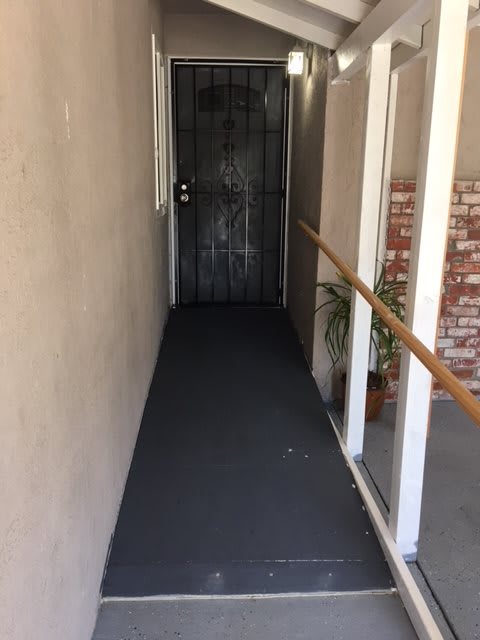
 Board and Care Home
 Memory Care
 Cats allowed
 Dogs allowed
 Activities off-site
 Air-conditioning
 Bath tubs
 Cable or satellite TV
 Dining room
 Fully furnished
 Garden
 Housekeeping services
 Indoor common areas
 Move-in coordination
 Outdoor common areas
 Private
 Telephone
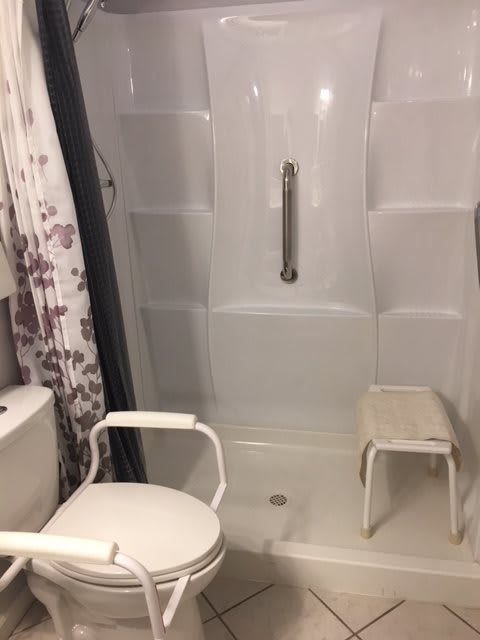
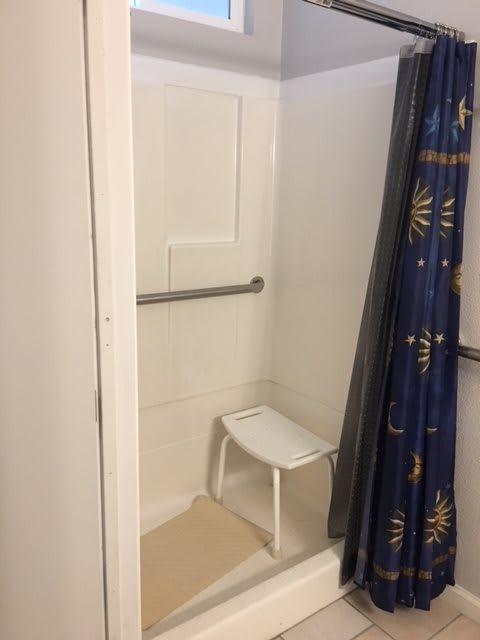
 Wheelchair accessible showers
 Wi-Fi/high-speed internet available
 24-hour supervision
 Ambulatory care
 Assistance with bathing
 Assistance with dressing
 Assistance with transfers
 Diabetes diet
 High acuity care
 Incontinence care
 Meal preparation and service
 Medication management
 Special dietary restrictions
 Transportation arrangement (medical)
 Transportation to doctors appointments
 BBQs or picnics
 Birthday parties
 Day trips and outings
 Live musical performances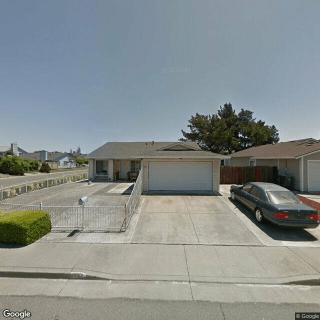
 Why Do Dementia Patients Sleep So Much? Understanding Oversleeping, Stages, and Care Approaches
 8 Key Indicators That Suggest It May Be Time to Transition from Assisted Living to Skilled Nursing Care
 Nourishing the Mind: Essential Dietary Approaches for Dementia