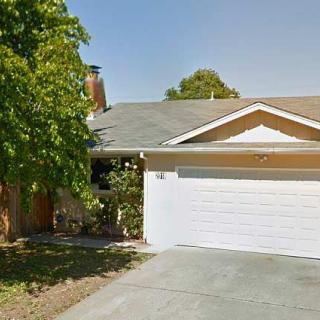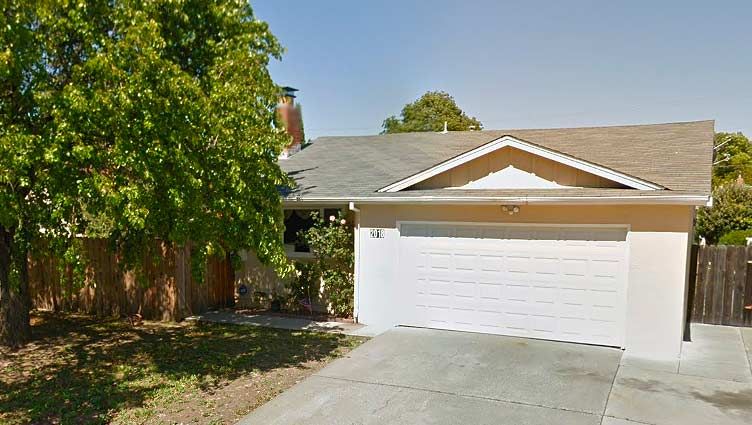
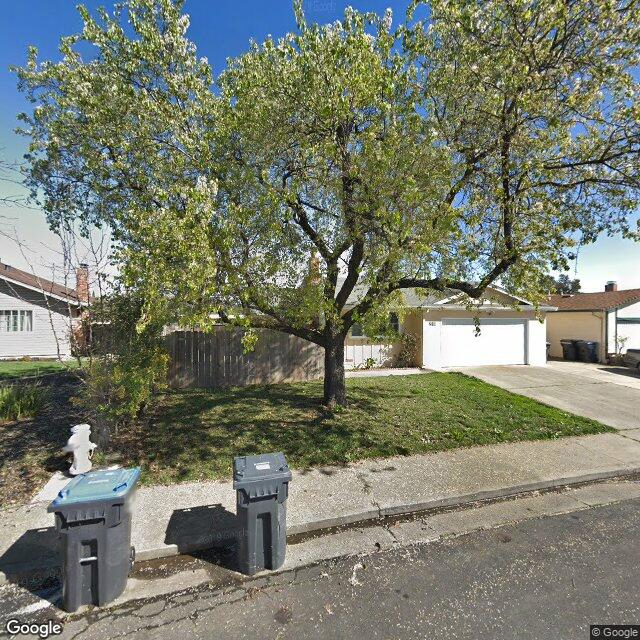
2018 Bluebird Way, Fairfield, CA 94533
For more information about senior living options: (866) 208-4318
C & C Residential Care Home Costs & Pricing
C & C Residential Care Home offers competitive pricing for its residents compared to both Solano County and the broader California state averages. For semi-private rooms, C & C charges $1,700 per month, significantly lower than the county's average of $2,762 and the state average of $3,333. Private rooms at C & C are priced at $2,000, again reflecting a more affordable option in contrast to Solano County's average of $3,482 and California's statewide average of $3,939. Similarly, studio accommodations are consistently lower at $2,000 compared to the county's $4,043 and the state's $4,145 average. These cost differentials position C & C Residential Care Home as a valuable choice for those seeking quality care without the burden of exorbitant expenses.
| Floor plans | C & C Residential Care Home | Solano County | California |
|---|---|---|---|
| Semi-Private | $1,700 | $2,762 | $3,333 |
| Private | $2,000 | $3,482 | $3,939 |
| Studio | $2,000 | $4,043 | $4,145 |
Memory care communities with a similar price nearby
-
from +$200 / mo
Paramount House Senior Living
$1,900 to $4,695 / month5.3 miles away -
from +$200 / mo
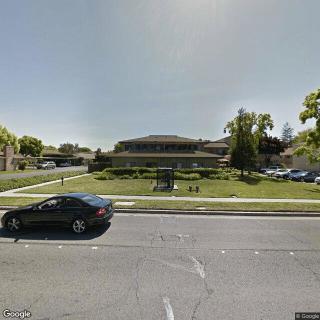
Concord Royale
$1,900 to $4,900 / month21.1 miles away -
from -$100 / mo
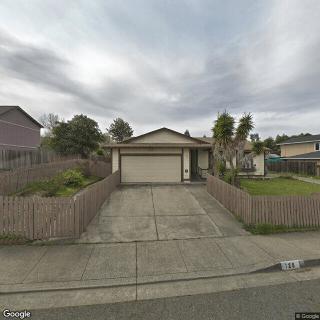
The Isles Assisted Living Facility
$1,600 to $2,000 / month14.6 miles away -
from +$300 / mo
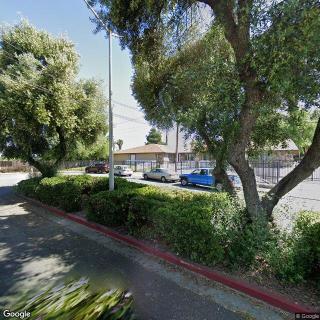
Country Place- Mental Health
$2,000 / month22.0 miles away -
from +$300 / mo
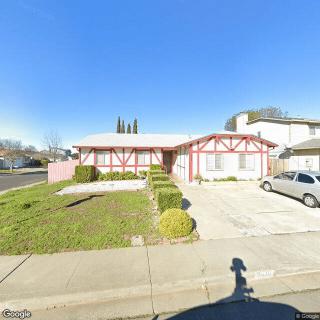
Golden Haven Care Home II
$2,000 to $2,500 / month1.7 miles away
Overall Review of C & C Residential Care Home
Pros
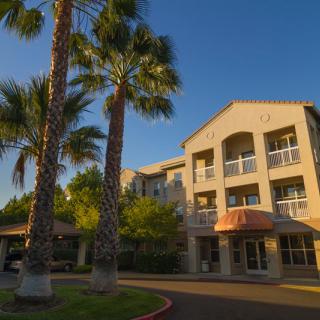
 The home looked clean and smelled clean.
- The caregivers were friendly.
- It was peaceful and quiet.
Cons
 The patients are all sad and depressed, not happy at all.
- There is not much activity going on with the residents.
- Some of the caregivers are clueless and do not understand English well.
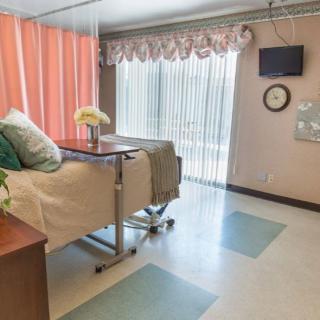
- Some residents spend long periods in their rooms with no home-like atmosphere.
- A man in a wheelchair is seen in his room with his head held down.
- The residents just watch TV, with no activities to engage them.
- There is advice to think twice before placing parents in this place.
Review
This community is best suited for seniors who prize a clean, calm, home-like setting and can accept a lighter load of structured activities. C & C Residential Care Home in Fairfield, California, presents a neat, quiet environment with a straightforward caregiving approach. The facility projects a sense of order and predictability, and the care staff come across as friendly and approachable. For residents whose daily rhythm revolves around rest, personal space, and routine over social programming, this setting can feel comfortable and low-stress. In short, it serves as a practical backstop option for families seeking a modest, easy-to-manage arrangement rather than a lively, highly engaged living experience.
Those weighing alternatives should consider how important activity, social interaction, and engagement are to their loved one. If the priority is ongoing stimulation, meaningful programs, group outings, and staff who actively implement a varied activity calendar, this community may fall short. Families looking for robust, structured opportunities to socialize or for multilingual staff who can help with communication and engagement may want to explore other options. Memory-care needs, higher levels of cognitive or physical activity, and a bustling, home-like atmosphere with frequent events are other factors that would steer families toward different facilities.
The most notable positives, cleanliness, a pleasant odor, and a peaceful environment, are meaningful when comfort and infection-conscious living matter. Caregivers are described as friendly, which helps establish trust and a sense of safety in daily routines. The quiet ambiance can be a relief for residents who become overwhelmed by noise or bustle in larger settings. These elements collectively reduce immediate irritants and can support a smoother daily experience, especially for younger seniors or those with a preference for predictable routines. However, these advantages do not by themselves compensate for the lack of engaging activities and social contact that influence mood and overall quality of life.
The dominant drawbacks are clear and consequential. Residents appear to have limited opportunities to participate in meaningful activities, leading to a mood that skews toward sadness or passivity during the day. The narrative suggests most time is spent watching television, with little to no stimulating programming or interactive engagement. Staffing concerns also surface: some caregivers are described as lacking in critical understanding or English proficiency, which can hinder communication, responsiveness, and the ability to deliver person-centered care. In situations where mood, motivation, and cognitive engagement are priorities, these gaps can translate into a slower pace of improvement or maintenance of well-being, making the setting less suitable for those who crave everyday purpose and connection.
The balance between pros and cons hinges on expectations and the individual resident’s needs. The clean, quiet, and friendly-caregiving profile provides predictability and comfort, offsetting some anxiety around safety and daily routine. Yet the absence of activities and the potential communication barriers pose real risks to emotional health and satisfaction with daily life. Prospective families should vet this balance carefully: demand a current activity calendar, ask how often residents are engaged in meaningful programs, and request examples of staff-resident interactions beyond basic care tasks. Inquiries about staff-to-resident ratios, language capabilities, and opportunities for family involvement, such as volunteer-led activities or scheduled outings, are essential. Observing a shift, speaking with current residents, and requesting a trial period can reveal whether the reality aligns with expectations.
In the end, this community offers reliability and a serene environment that many seniors will value, but it does not inherently deliver the social and cognitive stimulation that distinctly active seniors require. If activity-rich programming, vibrant social life, and easily accessible multilingual staff are non-negotiables, alternatives should be pursued with urgency. For families prioritizing cleanliness, dependable care, and a low-stress atmosphere, this option warrants careful consideration, with clear, concrete prompts to management about activity development, staffing, and resident happiness before any long-term commitment. A disciplined, informed visit, focusing on daily routines, engagement opportunities, and measured trial time, will determine whether C & C Residential Care Home can be a fit or if another Fairfield option better matches the loved one’s goals.
 6 resident community capacity
 Assisted Living
 Board and Care Home
 Memory Care
 Respite Care
 Activities off-site
 Beautician on-site
 Cable or satellite TV
 Dining room
 Fully furnished
 Garden
 Housekeeping services
 Indoor common areas
 Move-in coordination
 Outdoor common areas
 Private
 Telephone
 Wheelchair accessible showers
 Wi-Fi/high-speed internet available
 24-hour supervision
 Ambulatory care
 Assistance with bathing
 Assistance with dressing
 Assistance with transfers
 Diabetes diet
 Diabetic care
 High acuity care
 Incontinence care
 Meal preparation and service
 Medication management
 Special dietary restrictions
 Transportation arrangement (medical)
 Transportation to doctors appointments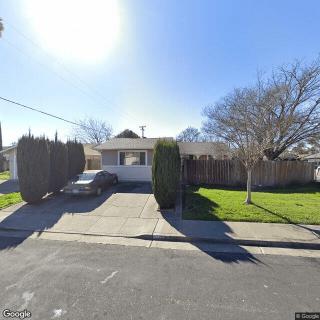

 Comprehensive Insights on the Late Stages of Dementia: What to Expect and How to Provide Care
 Medications Associated with Dementia Risk: A Comprehensive Overview
 Guiding Your Journey: Understanding Power of Attorney for Elderly Parents