


2568 Boxwood Lane, Fairfield, CA 94533
To contact a resident: (415) 773-5967
For more information about senior living options: (866) 208-4318
La Paz Garden Manor Costs & Pricing
La Paz Garden Manor offers competitive pricing for its accommodations, particularly when compared to both Solano County and the broader state of California. For semi-private rooms, La Paz Garden Manor charges $1,600 per month, which is significantly lower than the county average of $2,762 and the state average of $3,333. Similarly, residents opting for private rooms at La Paz will find a cost of $2,500 monthly; this is notably more affordable than Solano County's average of $3,482 and even more so compared to California's statewide average of $3,939. These rates reflect La Paz Garden Manor's commitment to providing quality care at an accessible price point within the region.
| Floor plans | La Paz Garden Manor | Solano County | California |
|---|---|---|---|
| Semi-Private | $1,600 | $2,762 | $3,333 |
| Private | $2,500 | $3,482 | $3,939 |
Assisted Living communities with a similar price nearby
-
from -$100 / mo

Fairfield Meadows
$1,500 to $1,800 / month1.3 miles away -
from +$300 / mo
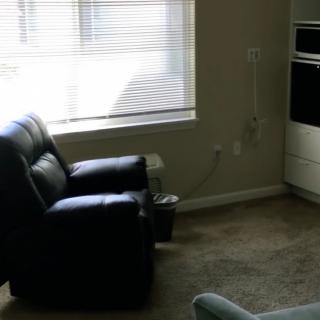
Paramount House Senior Living
$1,900 to $4,695 / month4.7 miles away -
from +$300 / mo
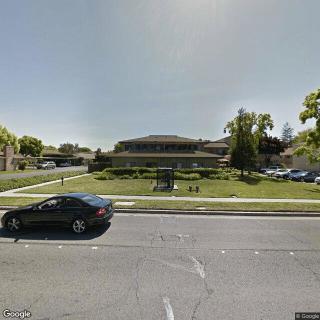
Concord Royale
$1,900 to $4,900 / month21.6 miles away -
About the same
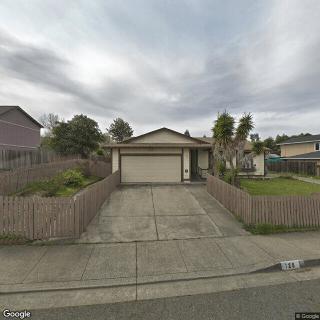
The Isles Assisted Living Facility
$1,600 to $2,000 / month15.2 miles away -
from -$100 / mo

Ward Residential Care Home
$1,500 to $2,500 / month16.0 miles away
Overall Review of La Paz Garden Manor
Pros
 Lapaz Garden Manor is a clean facility.
- The people are nice.
- Her mother had a lovely room.
Cons
 The facility did not consistently cook fresh meals daily.
- The resident’s mother was found in bed without pants and wearing yesterday’s shirt.
- Her hair had not been combed.
- They did not place her in bed properly.
- They did not provide activities for residents or take them anywhere.
- The house was not decorated for Christmas.
- It was weird.
Review
La Paz Garden Manor in Fairfield, CA is best suited for seniors who want a clean, approachable residential setting with a comfortable, nicely appointed room and a calm, low-key daily routine. It works for families that can provide hands-on oversight and frequent visits to supervise care, meals, and daily grooming. The pleasant atmosphere and courteous staff create a basic warmth that helps residents feel at ease, especially when independence in a smaller, homelike setting is a priority and demanding medical needs are not central.
Those who should consider alternatives are families facing ongoing needs for reliable daily hygiene support, regular dressing assistance, and consistently prepared meals. Residents who crave a robust calendar of activities, outings, and social engagement will likely find the programming here insufficient. For seniors requiring memory care or more intensive supervision, this community’s current profile suggests it may fall short. In short, if daily personal care and structured enrichment are paramount, other options deserve a closer look.
The main positives, cleanliness, friendly demeanor of the staff, and a pleasant, comfortable room, form a solid baseline for daily life. A clean facility lowers health risks and creates a dignified environment where basic routines can be performed without distraction. The staff’s approachable manner helps residents feel seen and respected, which matters greatly in a setting where family involvement often remains frequent. When these elements align, residents can enjoy a sense of normalcy and a home-like posture that reduces stress amid transition.
However, the drawbacks are substantive and not easily offset by the positives. There is a troubling pattern around daily personal care: a resident being found in a vulnerable state, unattended, not dressed properly, with grooming left undone, signals gaps in supervision and routine accountability. Meals are described as not consistently fresh, implying inconsistency in daily nutrition and kitchen oversight. The lack of engaging activities or opportunities to get out, coupled with no holiday or seasonal decoration, points to limited social stimulation and purposeful engagement. Taken together, these factors undermine quality of life and resident dignity, especially for long-term stays.
The pros can offer some comfort, but they do not counterbalance the care gaps. A clean, friendly environment and a pleasant room are meaningful, yet they do not compensate for persistent lapses in daily care and meaningful programming. For families able to commit to close oversight, or for residents whose needs are largely met by supervision and gentle companionship, this community might function as a workable stopgap. For anyone prioritizing dependable daily care, consistent dining quality, and active engagement, the gaps here are a clear signal to explore other options and compare more robust offerings.
Ultimately, the prudent choice is to view La Paz Garden Manor as a provisional fit rather than a long-term solution for most seniors. It serves well the baseline expectations of cleanliness, respectful staff, and comfortable living space, but it falls short on daily care reliability, grooming, nutrition consistency, and purposeful activity. Prospective residents should schedule extended visits, observe meal preparation, review staff-to-resident ratios, request a trial period, and speak candidly with residents about their daily routines. Where those checks reveal satisfactory oversight and engagement, it can be a reasonable, low-stress option; where they do not, momentum should shift toward communities with stronger daily care protocols, richer activity calendars, and more comprehensive staff responsiveness.
 6 resident community capacity
 Assisted Living
 Board and Care Home
 Respite Care
 Cats allowed
 Dogs allowed
 Activities on-site
 Cable or satellite TV
 Dining room
 Fully furnished
 Garden
 Housekeeping services
 Move-in coordination
 Outdoor space
 Private
 Telephone
 Wheelchair accessible showers
 Wi-Fi/high-speed internet available
 24-hour supervision
 Ambulatory care
 Assistance with bathing
 Assistance with dressing
 Assistance with transfers
 Diabetes diet
 Diabetic care
 High acuity care
 Incontinence care
 Meal preparation and service
 Medication management
 Special dietary restrictions
 Transportation arrangement (medical)
 Transportation to doctors appointments



 Senior Transition Services: Understanding Their Role, Cost, and Importance
 Exploring the Path to Senior Living: A Comprehensive Look at Independent Living and Assisted Living
 Is Assisted Living Deductible on Your Taxes? Understanding the Complexities of Assisted Living Expenses and Deductions