Woodland Garden Residential Care II Costs & Pricing
At Woodland Garden Residential Care II, the monthly costs for accommodations are notably competitive when compared to broader metrics in San Diego County and the state of California. For semi-private rooms, residents can expect to pay $2,800, which is significantly lower than the county average of $3,518 and the state average of $3,333. The pricing for studio accommodations is also appealing at $3,500, undercutting both San Diego County's average of $4,217 and California's overall average of $4,145. Similarly, private rooms are offered at the same rate as studios - $3,500 - while aligning with the state's figures but remaining below the county's average of $3,939. This positioning not only reflects Woodland Garden's commitment to affordability but also enhances its appeal for those seeking quality care without compromising on comfort or financial viability.
Floor plans
Woodland Garden Residential Care II
San Diego County
California
Semi-Private
$2,800
$3,518
$3,333
Studio
$3,500
$4,217
$4,145
Private
$3,500
$3,939
$3,939
Memory care communities with a similar price nearby
Overall Review of Woodland Garden Residential Care II
differentiator4 reviews mention this
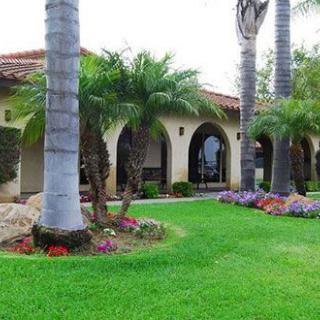
Outdoor garden areas stand out
Outdoor garden and sitting areas are repeatedly mentioned by residents and families.
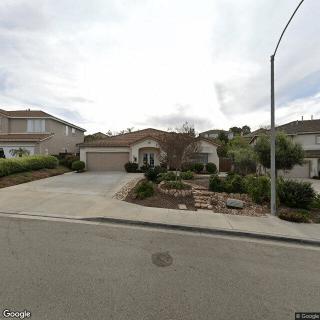
Residents and families describe appealing outdoor spaces, including a rooftop garden area and multiple outdoor sitting areas. A tour review also notes attractive small gardens and walking areas, even though the setting is surrounded by nearby businesses. One family also highlights beautiful outdoor areas while the property is undergoing remodeling.
common25 reviews mention this
Staff support feels hands-on
Families consistently describe attentive, caring, and responsive staff.
Across many reviews, residents and families say the staff are kind, professional, and attentive to day-to-day needs. Multiple people mention caregivers and attendants who listen, help with transitions, and provide support when situations become stressful or complicated. Tour and visit reviews also frequently praise staff for being knowledgeable and for answering questions thoroughly.
common7 reviews mention this
Meals and dining earn praise
Residents and families highlight the quality of meals and dining.
Several reviews say the food is delicious or excellent, and at least one describes a family meal experience with freshly prepared items. Others mention a dining room and regular opportunities to eat with staff who are present during meal times. Reviews also connect dining with overall satisfaction during longer stays and respite visits.
caveat2 reviews mention this
Pricing can fit a tighter budget
Price is described as workable for some families considering care.
Some families specifically say the community fit their budget, and one review calls the respite-care pricing reasonable. The pricing shown varies by unit type, and those ranges are important to compare to expectations for length of stay and level of support.
How we summarize
Counts show how many written reviews mention each theme; a review can touch several themes, and only frequently mentioned themes are displayed.
Features
Housing
6 resident community capacity
Types of Care
Assisted Living
Board and Care Home
Memory Care
Amenities
Activities on-site
Cable or satellite TV
Devotional services off-site
Dining room
Fully furnished
Garden
Housekeeping services
Indoor common areas
Move-in coordination
Outdoor space
Private
Telephone
Wi-Fi/high-speed internet available
Transportation
MC Clellan-Palomar Airport (9 miles away)
Care Services
24-hour supervision
Activities of daily living assistance
Assistance with bathing
Assistance with dressing
Assistance with transfers
Coordination with health care providers
Diabetes diet
Diabetic care
Incontinence care
Meal preparation and service
Medication management
Special dietary restrictions
Transportation arrangement (medical)
Transportation to doctors appointments
Dining
Diabetes diet
Meals provided
Special dietary restrictions
Activities
Activities on-site
Community-sponsored activities
Devotional activities offsite
Scheduled daily activities
Nearby Places of Interest
Located in the bustling city of Escondido, California, this particular area offers a variety of amenities and conveniences ideal for senior living. With a range of dining options such as Cenote Grill and Freddy's Frozen Custard & Steakburgers, residents can enjoy delicious meals just a short distance away. In terms of healthcare, there are several CVS Pharmacies and Palomar Medical Center Escondido nearby for any medical needs. For recreational activities, Woodland Park and Montiel Dog Park provide green spaces for leisurely walks or picnics. Additionally, Mission Hills Church offers a place for spiritual fulfillment. Access to public transportation like MTS Del Lago Station and Vista Transit Center ensures ease of travel around the city. Overall, this area combines convenience with comfort, making it an attractive option for seniors looking to settle down in Escondido.
At Woodland Garden Residential Care II, the monthly costs for accommodations are notably competitive when compared to broader metrics in San Diego County and the state of California. For semi-private rooms, residents can expect to pay $2,800, which is significantly lower than the county average of $3,518 and the state average of $3,333. The pricing for studio accommodations is also appealing at $3,500, undercutting both San Diego County's average of $4,217 and California's overall average of $4,145. Similarly, private rooms are offered at the same rate as studios - $3,500 - while aligning with the state's figures but remaining below the county's average of $3,939. This positioning not only reflects Woodland Garden's commitment to affordability but also enhances its appeal for those seeking quality care without compromising on comfort or financial viability.
Woodland Garden Residential Care II offers a comprehensive range of features designed to support residents with dementia or Alzheimer's disease, ensuring their needs are met in a compassionate and effective manner. Assistance with dressing and bathing helps maintain residents' dignity while promoting personal hygiene, which can be especially challenging for those experiencing cognitive decline. Medication management ensures that individuals receive the correct medications at the right times, reducing the risk of missed doses or harmful interactions. The provision of tailored meal preparation and service addresses nutritional needs while accommodating dietary restrictions, fostering both physical health and comfort. Transportation arrangements for medical appointments ensure timely access to necessary healthcare services, while coordination with healthcare providers facilitates seamless communication regarding each resident's medical status. Assistance with activities of daily living, including transfers and incontinence care, provides essential support that enhances quality of life and promotes independence as much as possible. With 24-hour supervision, residents benefit from a secure environment where trained staff can respond promptly to any emerging needs or emergencies, creating a safe haven that encourages engagement and well-being amidst the challenges posed by memory loss.
Nearby Communities
Woodland Garden Residential Care
Escondido, CA
4.5 from 42 reviews
$2,800 to $3,500 / month
Competitive pricing for a small, memory-care-capable community.
Casa Real Residential Care
San Marcos, CA
4 from 93 reviews
$1,500 / month
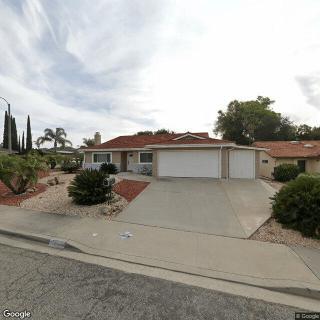
Affordable private rooms with convenient access to healthcare and local amenities.
Woodland Village
San Marcos, CA
4.9 from 29 reviews
$1,120 to $1,450 / month
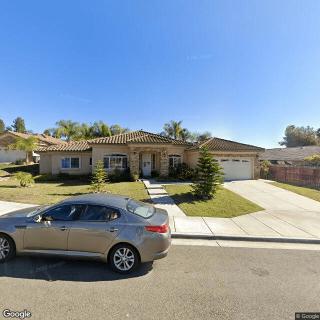
Very affordable rents for the area with extensive nearby amenities.
La Brea Home
Escondido, CA
3 from 2 reviews
$2,500 to $3,000 / month
Specialized memory care with medication management and on-site activities.
Juehm
Escondido, CA
4.8 from 6 reviews
$3,000 to $4,500 / month
Clean, welcoming environment with attentive, respectful caregivers.
Home Sweet Home Residential Care Facility for the Elderly
Escondido, CA
5 from 4 reviews
$3,000 to $3,500 / month
Competitive pricing with private room option.
Silverado Escondido
Escondido, CA
4.6 from 65 reviews
Caring, personalized dementia care in a clean, welcoming setting with good dining.
Escondido Post Acute Rehab
Escondido, CA
3.6 from 71 reviews
Dedicated staff in parts of the facility; clean rooms and good dining.
Felicita Vida
Escondido, CA
4.4 from 68 reviews
Luxurious, well-maintained campus with robust activities and memory-care focus.
Delirium is a rapidly onset, reversible cognitive disturbance often caused by acute medical issues, while dementia is a gradual and irreversible decline due to chronic neurodegenerative diseases. Accurate differentiation between the two is essential for appropriate treatment and management in older adults.
Dementia, including Alzheimer’s disease, is often mischaracterized in terms of lethality as it leads to complications that can be fatal rather than being a direct cause of death; it causes a progressive decline in cognitive and physical health, making patients vulnerable to infections and other health crises. Effective management of nutrition, hydration, and communication is crucial in patient care, with palliative care becoming vital in advanced stages to enhance comfort and quality of life while caregivers play a key role amidst the challenges posed by the disease.
Reminiscence therapy helps individuals with dementia recall past memories through structured discussions and meaningful objects, enhancing mood, relationships, and sense of identity while celebrating their lives. It can be practiced in formal settings or at home, requiring sensitivity to personal histories and cultural backgrounds.
Get PricingAsk A QuestionSchedule A TourContact Senior Advisor
By clicking submit, you agree to our Partner's Terms of Use. You
also consent to receive calls and texts, which may be autodialed, from our Partner. Your consent is not a condition to
using our Partner's service. Please visit our Partner's Privacy Policy for information about their privacy practices.






 6 resident community capacity
 Assisted Living
 Board and Care Home
 Memory Care
 Activities on-site
 Cable or satellite TV
 Devotional services off-site
 Dining room
 Fully furnished
 Garden
 Housekeeping services
 Indoor common areas
 Move-in coordination
 Outdoor space
 Private
 Telephone
 Wi-Fi/high-speed internet available
 MC Clellan-Palomar Airport (9 miles away)
 24-hour supervision
 Assistance with bathing
 Assistance with dressing
 Assistance with transfers
 Diabetes diet
 Diabetic care
 Incontinence care
 Meal preparation and service
 Medication management
 Special dietary restrictions
 Transportation arrangement (medical)
 Transportation to doctors appointments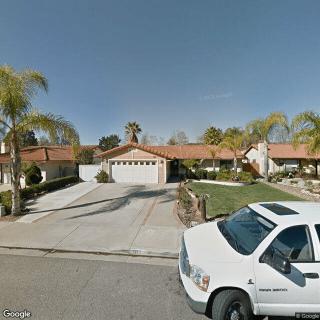
 Competitive pricing for a small, memory-care-capable community.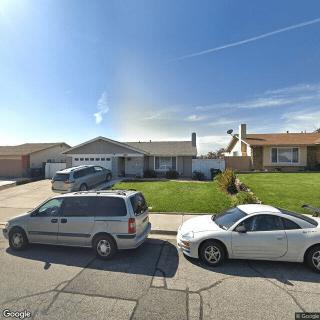


 Delirium and Dementia: Unraveling the Key Differences
 Are Dementia and Alzheimer's Disease Lethal? A Comprehensive Exploration
 Exploring the Power of Reminiscence Therapy for Individuals With Dementia