
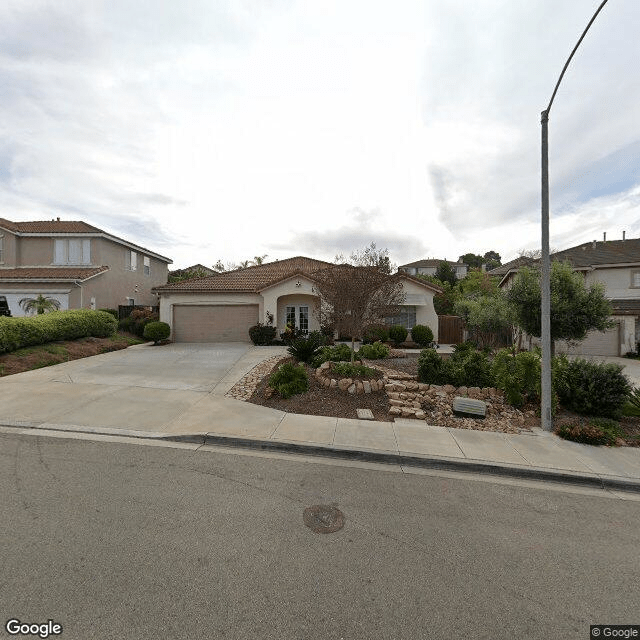
1380 Rees Rd, Escondido, CA 92026
To contact a resident: (760) 233-0302
For more information about senior living options: (866) 208-4318
Home Sweet Home Residential Care Facility for the Elderly Costs & Pricing
Home Sweet Home Residential Care Facility for the Elderly offers competitive pricing compared to both San Diego County and the broader California market. For semi-private rooms, residents can expect to pay $3,000 per month, which is significantly lower than the county average of $3,518 and the state average of $3,333. Those opting for private accommodations will find that the monthly fee of $3,500 not only aligns with the county's average but also remains below the higher statewide rates of $3,939. This makes Home Sweet Home an appealing choice for families seeking quality elderly care at a more affordable price point within the local and state context.
| Floor plans | Home Sweet Home Residential Care Facility for the Elderly | San Diego County | California |
|---|---|---|---|
| Semi-Private | $3,000 | $3,518 | $3,333 |
| Private | $3,500 | $3,939 | $3,939 |
Senior living communities with a similar price nearby
-
from -$200 / mo
Pebble Brook Senior Home Care
$2,800 to $4,000 / month23.3 miles away -
from +$500 / mo
Gold Coast Senior Care
$3,500 to $4,500 / month16.9 miles away -
from +$500 / mo
Ramona Senior Lodge Assisted Living
$3,500 to $5,500 / month14.9 miles away -
from -$500 / mo
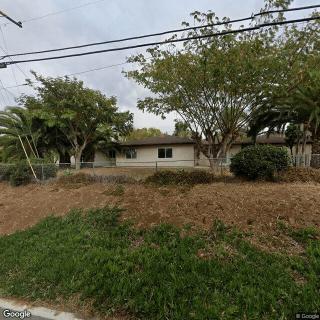
Golden Retreat - Senior Residential Care
$2,500 to $3,000 / month7.1 miles away -
from -$500 / mo
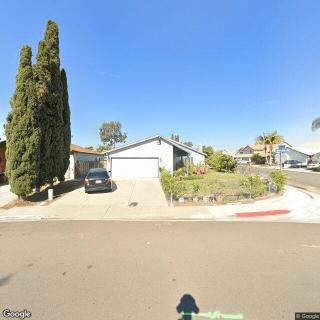
Alychris Senior Board and Care
$2,500 to $3,000 / month15.1 miles away
Overall Review of Home Sweet Home Residential Care Facility for the Elderly
Pros
 The director's passion for her work is evident.
- The facility feels like a home, offering a refreshing approach to elder and memory care.
- The environment meets residents' needs and provides a comforting setting.
- The director communicates exceptionally well, and the staff are consistently attentive.
- Families have peace of mind knowing their loved ones are receiving the best possible care.
- The owner and staff are highly responsive and genuinely care about residents and their families.
- The staff treat residents like family and are friendly and helpful.
- The facility is clean, with fresh, made-from-scratch meals.
Review
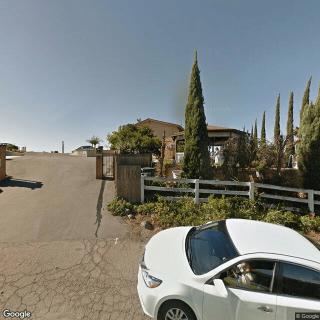
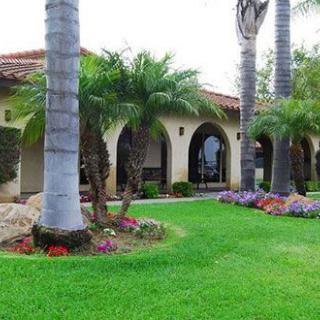
Home Sweet Home Residential Care Facility for the Elderly in Escondido is best suited for families seeking a truly home-like, intimate environment where daily care feels personal and reliable. The reviews repeatedly emphasize a setting that resembles a family home more than a clinical campus, with memory-care sensitivity woven into everyday routines. It works particularly well for residents who respond to straightforward, transparent communication from leadership and who value staff who treat residents as members of a close-knit household. For families, this facility delivers predictability in daily structure, clean surroundings, and meals prepared with care, all within a setting that feels safe and familiar.
Those evaluating alternatives should note that this may not be the right fit for every elder. If the priority is a larger campus with a broad medical team, extensive on-site therapies, or a vast slate of daily activities and social options, another community may better satisfy those needs. For seniors requiring intensive medical management, highly specialized memory-programs beyond core supervision, or 24/7 professional nursing coverage, consider larger assisted-living campuses or dedicated memory-care communities. Additionally, families seeking a wide array of amenities, frequent transportation options, or a bustling, activity-rich schedule might find the intimate home model less aligned with their expectations. In short, match expectations about medical resources and programming to what a small, home-oriented setting typically delivers.
The strongest advantages center on atmosphere and relationships. A home-like environment reduces the friction of moving into care and supports steadier, calmer days. The director’s evident passion translates into steady, trustworthy communication, and staff consistently described as attentive and devoted. Families report genuine peace of mind from knowing care is steady, well-coordinated, and focused on the resident’s comfort. Residents benefit from clean environments, fresh-from-scratch meals, and careful management of appointments and medications, reinforcing reliable routines that minimize confusion and disruption.
Another clear strength is the personal touch from ownership and frontline staff. The owner and team are portrayed as highly responsive and deeply invested in residents and families, which in practice means quicker problem resolution and open lines of dialogue. Transitioning from a larger facility to this smaller setting is portrayed as a move toward individualized attention without sacrificing safety or accountability. The care culture feels familial, with staff consistently treating mom as part of the family, a dynamic that often translates into improved mood, engagement, and a sense of belonging for residents.
That said, the practical implications of a smaller, home-style model warrant careful consideration. The warmth, consistency, and intimate attention are powerful offsets to most concerns, but one should anticipate fewer formal programs and fewer on-site medical resources than in bigger centers. For elders who thrive on structured group activities, a broad social calendar, or extensive therapy options, the scale may feel limiting. The upside, peace of mind through personalized care and dependable routines, often outweighs these trade-offs for many families, particularly when the elder places a premium on a calm, predictable living environment and on staff who know their routine and preferences well.
In the end, the recommendation is practical and targeted. For Escondido families prioritizing a warm, family-like setting with highly responsive leadership, exceptional caregiver attention, and a proven track record of content residents, this facility stands out as a sound, empathetic choice. Before deciding, confirm the facility’s capacity to handle specific medical needs, understand the medication-management process, and inquire about staffing ratios and daily schedules. Take a visit to observe interactions firsthand, learn about meal options and memory-care approaches, and discuss costs and long-term planning. If a broader clinical footprint or more expansive programming is essential, explore alternatives; otherwise, this home-like option aligns well with a relationship-centered, practical approach to senior care.
 Board and Care Home
 Activities on-site
 Devotional services off-site
 Indoor common areas
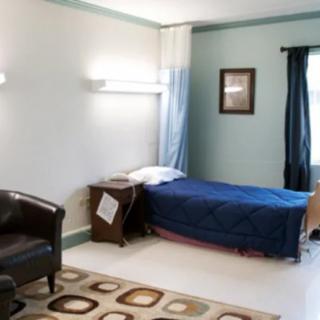
 Private
 MC Clellan-Palomar Airport (10 miles away)
 Diabetic care
 Incontinence care
 Medication management
 Meals provided

 In-Home Care Costs in 2025: A Detailed State-by-State Exploration
 Understanding Home Health Care: A Comprehensive Guide
 Home Health Care Demystified: A Comprehensive Guide for Families and Caregivers