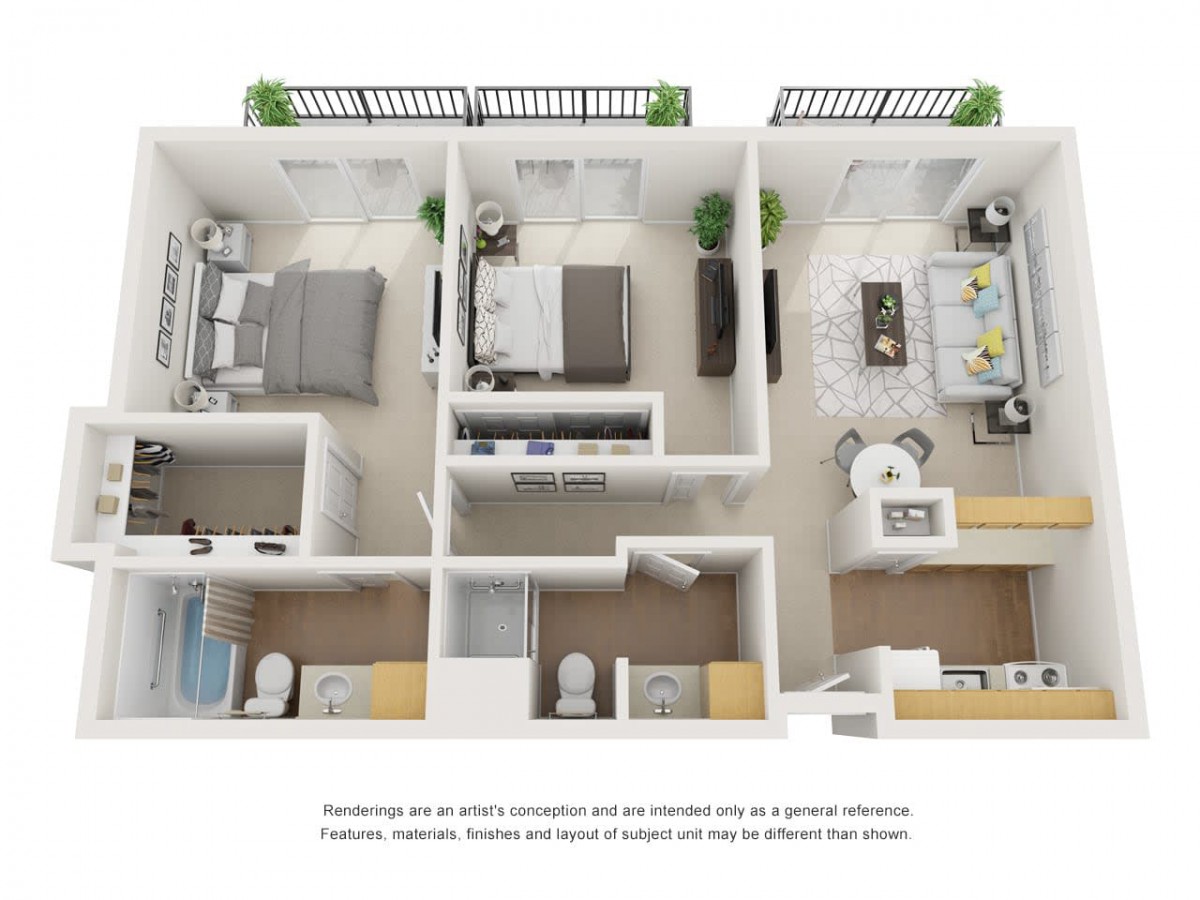
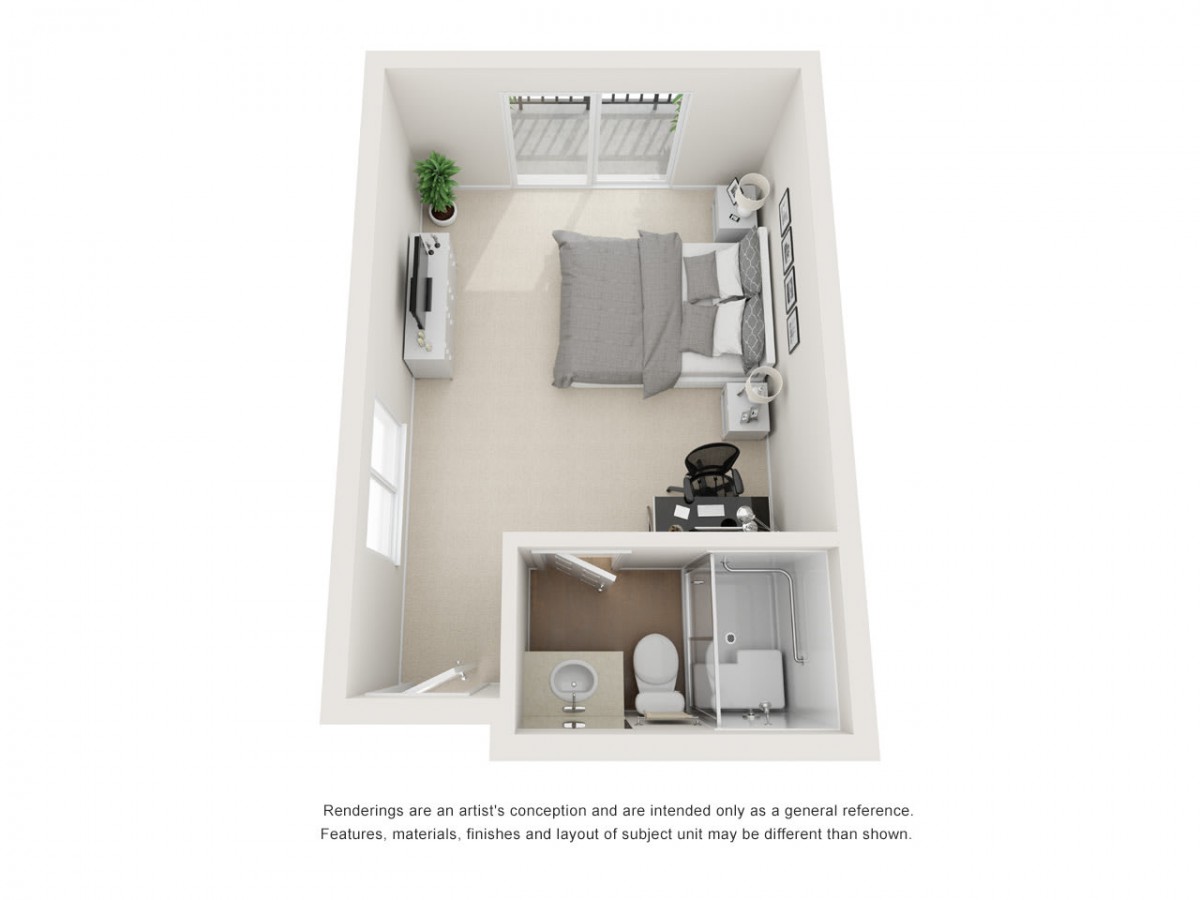
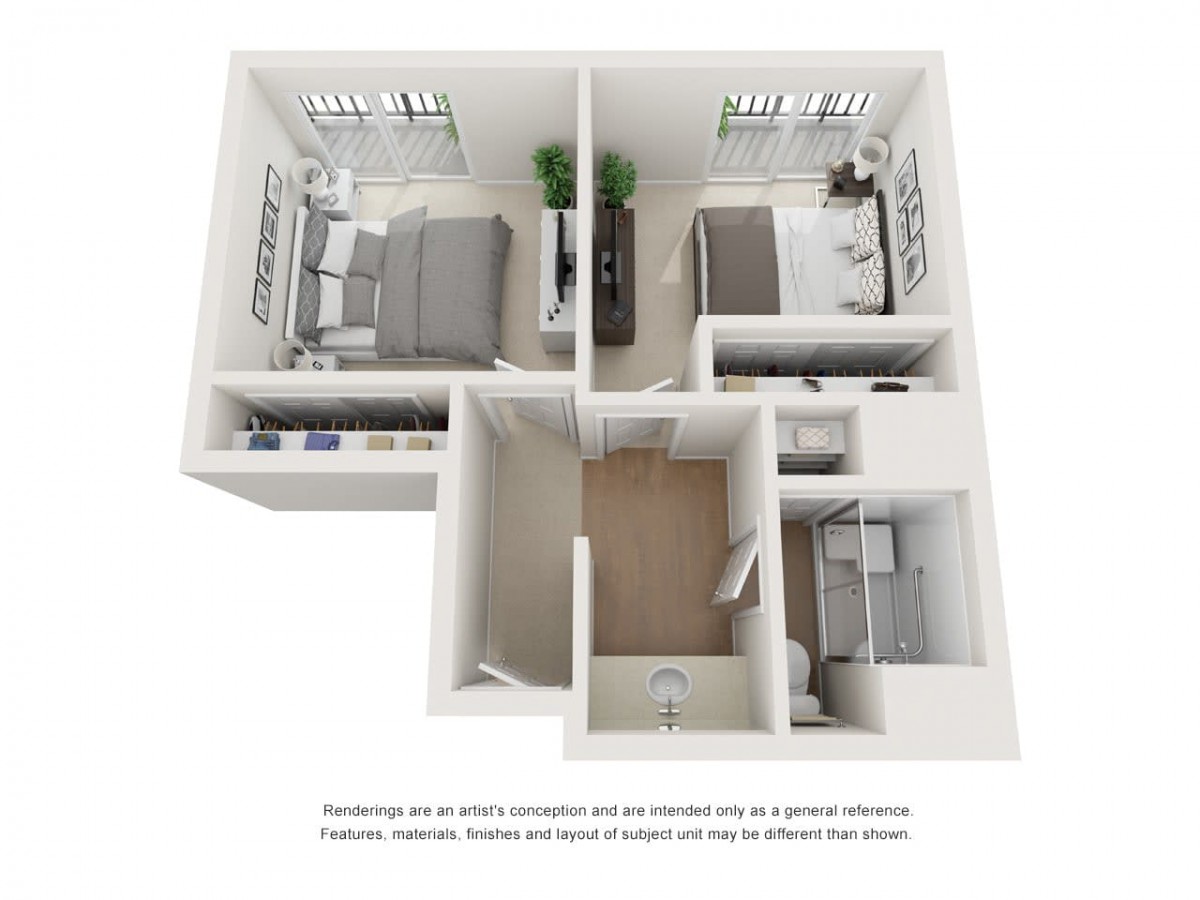
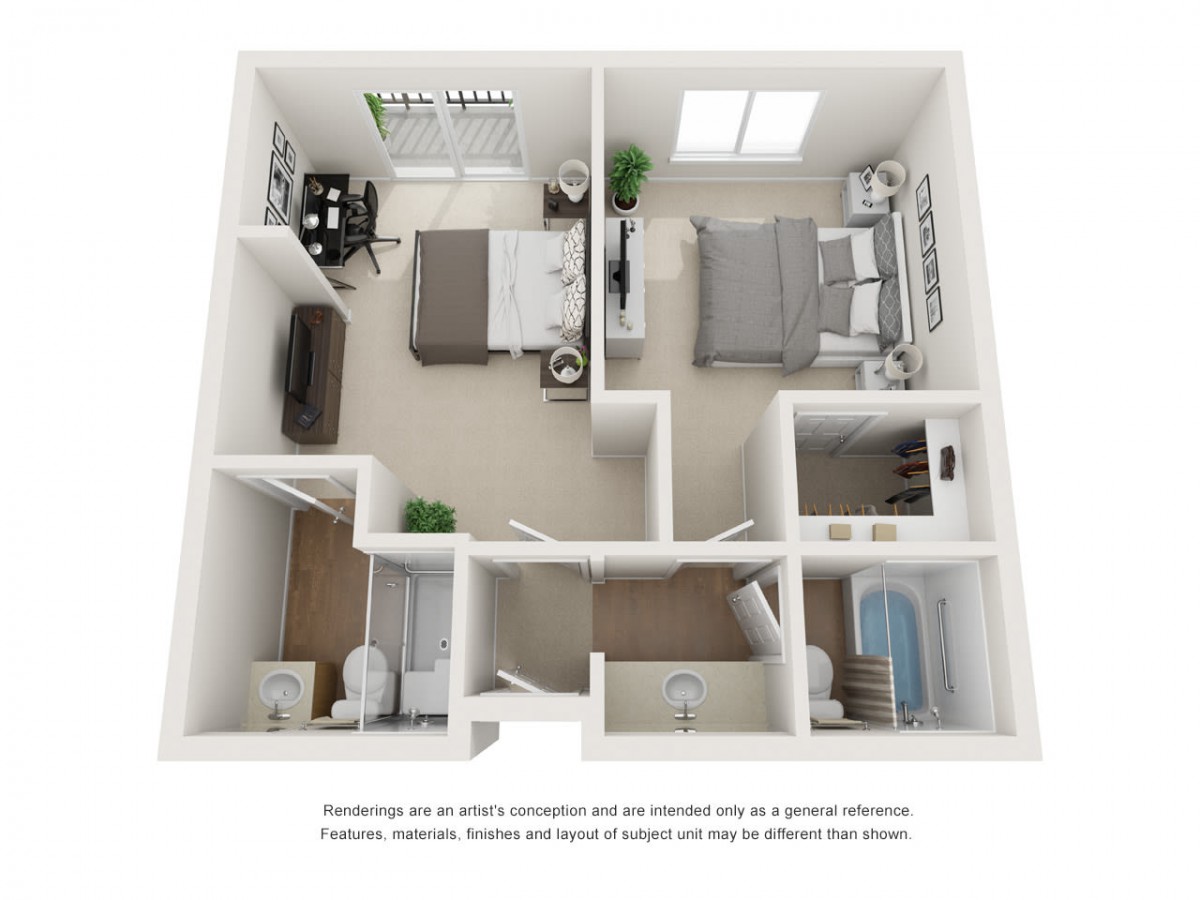
The costs associated with accommodations at Westmont Town Court present a competitive alternative when compared to both San Diego County and broader California averages. For instance, a studio unit at Westmont is priced at $2,795 per month, significantly lower than the county's average of $4,217 and the state figure of $4,145. Similarly, one-bedroom apartments are offered at $3,395, again more affordable than the county and state rates of $4,315 and $4,340 respectively. Notably, the semi-private option at Westmont Town Court is available for $3,920 - this surpasses the county's cost of $3,518 yet remains higher than California's average of $3,333. Finally, for those seeking more space, the two-bedroom units at Westmont are priced at $4,995 each month which still presents a favorable comparison against the county average of $5,219 and the state's rate of $5,270. Overall, Westmont Town Court offers a range of living options that align well with budget-conscious residents while still providing quality accommodation in a desirable location.
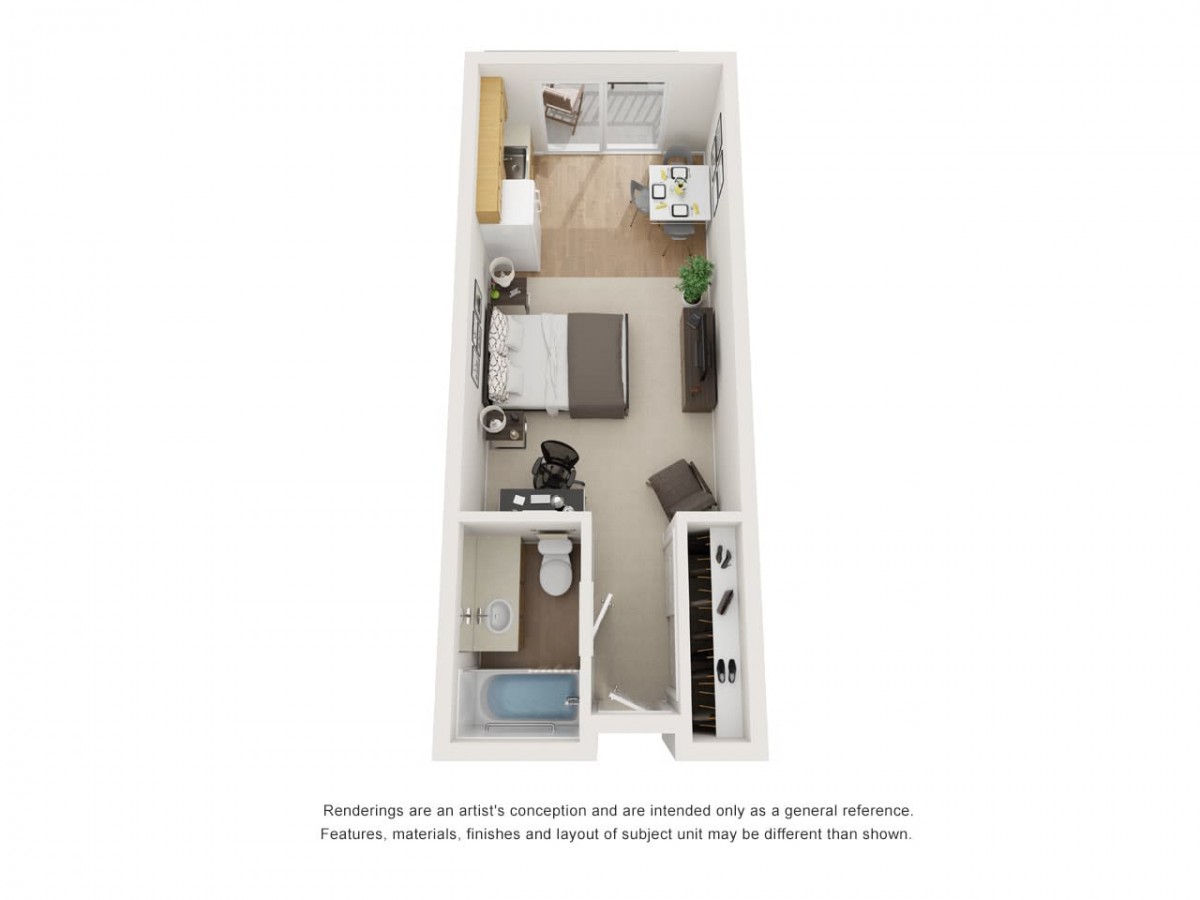
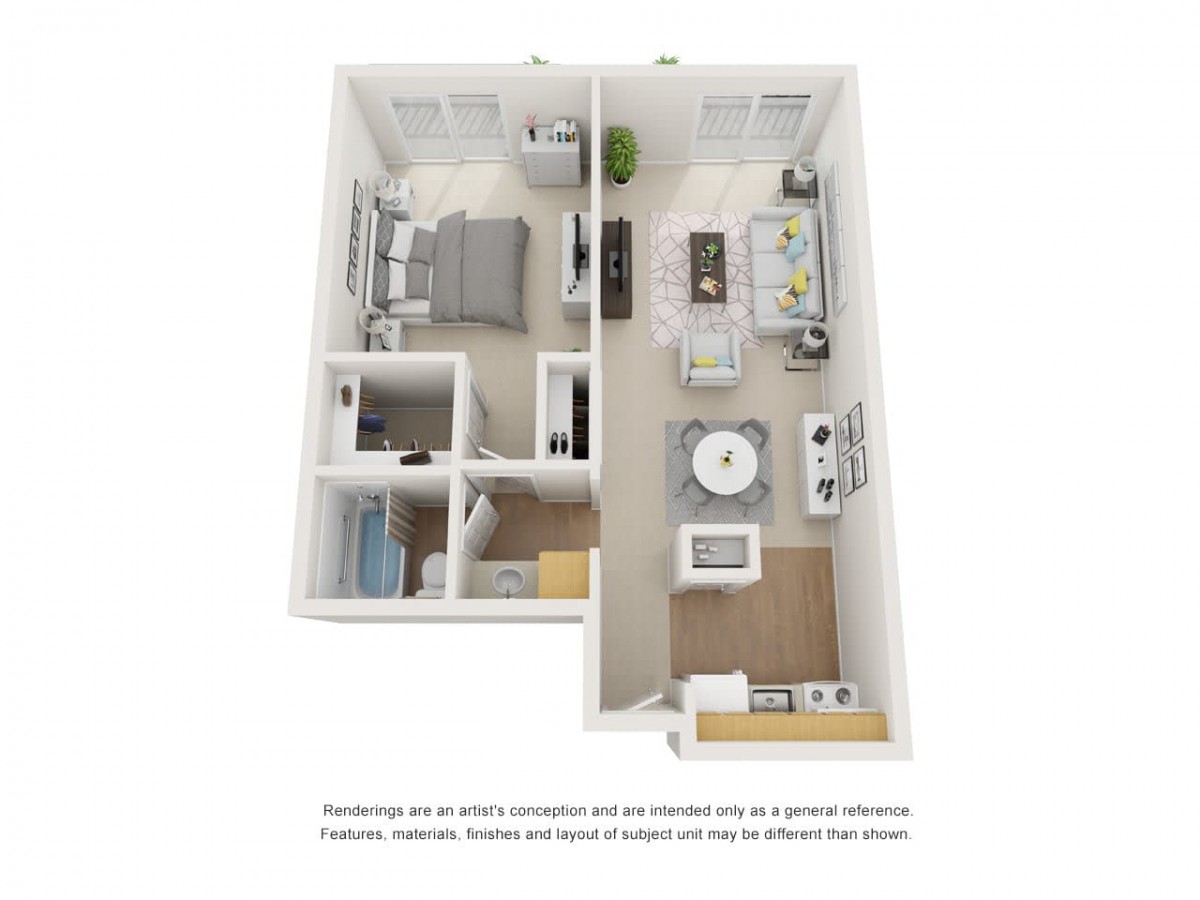
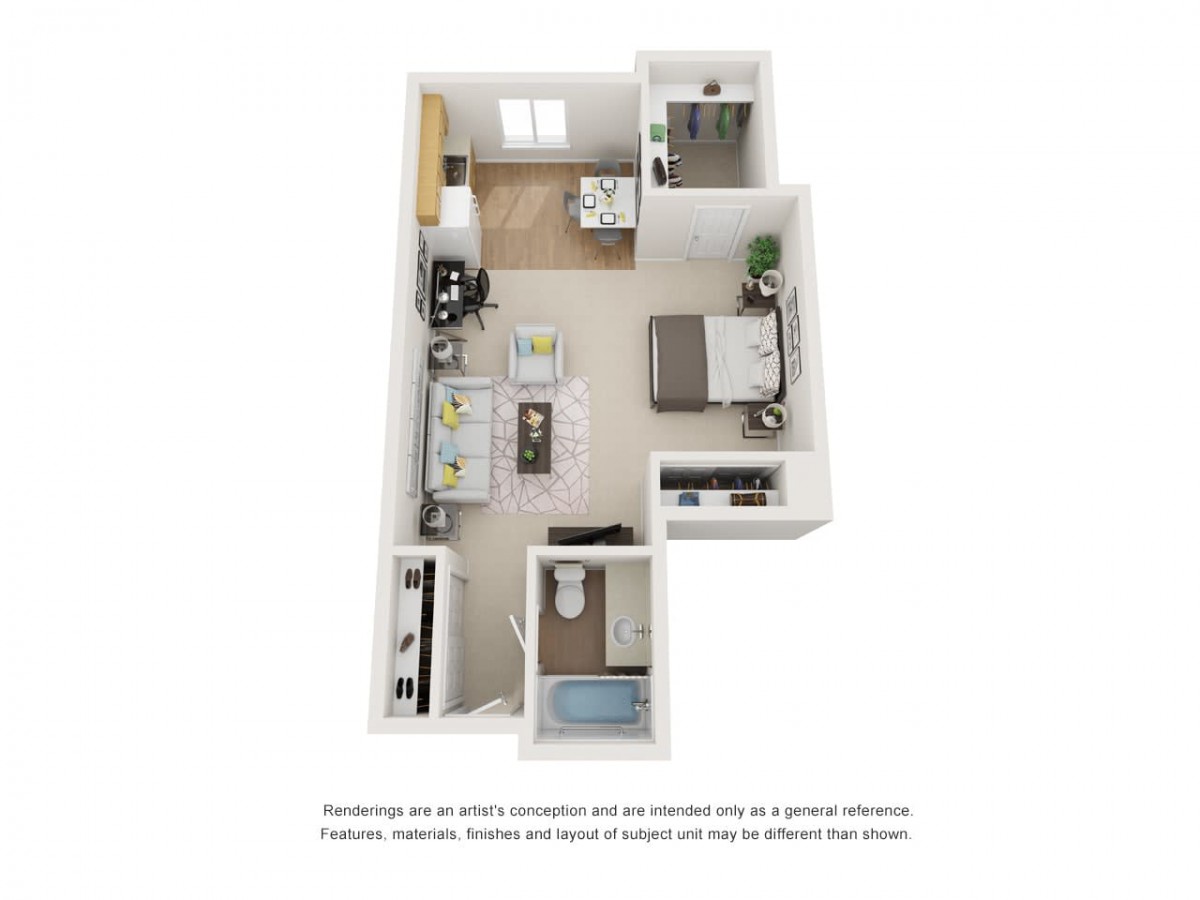
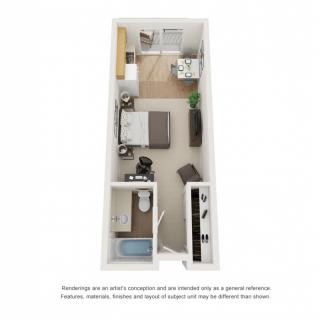
Floor plans
Westmont Town Court
San Diego County
California
Studio
$2,795
$4,217
$4,145
1 Bedroom
$3,395
$4,315
$4,340
Semi-Private
$3,920
$3,518
$3,333
2 Bedrooms
$4,995
$5,219
$5,270
Memory care communities with a similar price nearby
Residents and families describe staff who respond and check in consistently.
Many reviewers say the staff provides hands-on help that matches changing needs, including medication management and assistance with daily tasks. Families also mention reassurance from proactive communication, such as phone updates and guidance when care concerns come up. Several residents describe being visually checked on and cared for with a friendly, attentive approach, including during difficult transitions and emergencies. A few reviews also mention moments where care delivery was not what families expected, but the majority frame the day-to-day experience as supportive and reliable.
differentiator7 reviews mention this
Restaurant-style dining stands out
Restaurant-style dining is a recurring reason families feel satisfied.
Dining is one of the most frequently mentioned strengths, with multiple reviewers calling out consistently good meals and a dining room they associate with variety and quality. Several people describe meals as a routine that residents enjoy, including options that fit dietary preferences. Reviewers also reference services like room service and guest meals in their descriptions of how dining works day to day. At the same time, a smaller set of reviews report serious dissatisfaction with food quality and service timing, which affects how uniformly the dining experience is portrayed.
common6 reviews mention this
Activities help residents stay engaged
Planned activities and social events are a steady part of life here.
Reviewers describe a calendar with frequent activities, including entertainment, games, and religious or educational programming. Some families specifically mention an easy way to follow activity schedules and updates through an app, which helps keep them involved. Others describe day-to-day engagement through routines like bingo, live performances, and fitness or wellness-style exercise. While most comments are positive, a few reviews mention staffing or scheduling gaps that can limit dining-room service or other day-to-day flow, which can also affect how smoothly events run.
common4 reviews mention this
Memory care gets focused attention
Memory care is described with an emphasis on communication and adjustment support.
Several reviewers mention Compass Rose memory care as a place where transitions go more smoothly and communication improves as residents settle in. Families describe staff being attentive and supportive as needs change, including clearer updates during a period of increased memory concerns. Some reviews also highlight improvements tied to the memory care team and how consistently residents are engaged. However, a small number of negative reviews raise concerns about care quality in memory care, which contrasts with the positive experiences reported by others.
differentiator4 reviews mention this
Pricing is positioned as better value
Pricing comes up as more acceptable than expected for several families.
Multiple reviewers say the cost felt reasonable compared with other options they explored, and a few mention budget fit as part of their decision. One family also notes that pricing was better than other communities they visited, and another describes working with the community on affordability. The listing’s pricing range is notably below county and state benchmarks across unit types, which supports the “better value” comments reviewers made during tours and move-in decisions.
caveat5 reviews mention this
Food and service consistency varies
Some reviews report unacceptable dining issues and inconsistent service.
A recurring negative theme is inconsistent dining service and food quality, including long waits for meals and dissatisfaction with how meals are handled. A few reviews describe serious cleanliness or food safety concerns, which strongly conflicts with the dining praise others give. Other critiques point to disorganization during intake or care planning, along with staffing-related gaps that affected timeliness. Overall, residents’ dining experiences are not portrayed as uniformly consistent across reviews.
How we summarize
Counts show how many written reviews mention each theme; a review can touch several themes, and only frequently mentioned themes are displayed.
Features
Housing
200 resident community capacity
1-bedroom apartments
2-bedroom apartments
Studio apartments
Types of Care
Assisted Living
Independent Living
Memory Care
Pets
Cats allowed
Dogs allowed
Amenities
Activities off-site
Activities on-site
Air-conditioning
Beautician on-site
Beauty salon
Cable or satellite TV
Cafe
Computer center
Devotional services off-site
Devotional services on-site
Dining room
Financial aid
Financing advice
Fitness room
Full kitchen
Fully furnished
Gaming room
Garden
General store
Ground floor units
Guasts at mealtime
Guest parking
Handicap accessible
Housekeeping services
Indoor common areas
Kitchenette
Laundry
Move-in coordination
Outdoor common areas
Outdoor space
Overnight guests
Party space
Private bathrooms
Private cleaning services
Resident parking
Restaurant-style dining
Security gate
Small library
Swimming pool
Swimming pool / hot tub
TV room
Telephone
VA Benefits Consultation
Wellness center
Wheelchair accessible showers
Wi-Fi/high-speed internet available
Transportation
MC Clellan-Palomar Airport (12 miles away)
Community operated transportation
Transportation & parking
Transportation arrangement
Transportation arrangement (non-medical)
Transportation to doctors appointments
Care Services
12-16 hour nursing
24-hour call system
24-hour supervision
Activities of daily living assistance
Ambulatory care
Assistance with bathing
Assistance with dressing
Assistance with transfers
Diabetes diet
Diabetic care
Hospice care
Incontinence care
Meal preparation and service
Medication management
Mental wellness program
Mild cognitive impairment
Special dietary restrictions
Specialized memory care programming
Dining
Anytime dining
Diabetes diet
Guest meals
Low / no sodium
Meals provided
No Sugar
Professional chef
Restaurant style dining
Room service
Special dietary restrictions
Vegetarian
Activities
Activities off-site
Art classes
Arts and crafts
Bible study group
Book club
Catholic services
Community-sponsored activities
Concierge services
Cooking club
Day trips and outings
Devotional activities offsite
Devotional activities on-site
Educational speakers / life long learning
Fitness programs
Games
Gardening club
Happy hour
Karaoke
Live musical performances
Live well programs
Planned day trips
Protestant services
Religious services
Resident-run activities
Scheduled daily activities
Stories
Tai Chi
Wii bowling
Wine tasting
Yoga / chair yoga
Languages Spoken
English
Nearby Places of Interest
This area of Escondido, California is a convenient and accessible location for senior living. With a variety of medical facilities such as Valley Parkway Medical Building, Dermatology Specialists, and Graybill Medical Group in close proximity, residents have access to quality healthcare services. In terms of dining options, there are popular restaurants like Burger Bench and Filippi's Pizza Grotto nearby for delicious meals. Pharmacies like Walgreens and CVS Pharmacy are also easily accessible for medication needs. For recreational activities, parks like Kit Carson Park and Woodland Park provide opportunities for outdoor enjoyment. The area is also well-connected with transportation options such as MTS Del Lago Station available. Additionally, places of worship like Mission Hills Church offer spiritual support. Overall, this neighborhood offers a well-rounded lifestyle for seniors looking to settle in Escondido.
Physicians
Valley Parkway Medical Building (0.1 miles)
Brano Cizmar, MD (0.1 miles)
Paul W Hinshaw DO (0.1 miles)
Dermatology Specialists (0.1 miles)
Richard M. Foxx, MD (0.2 miles)
Dr Schiffmans (0.2 miles)
Graybill Medical Group - Escondido Grand Office (0.2 miles)
The costs associated with accommodations at Westmont Town Court present a competitive alternative when compared to both San Diego County and broader California averages. For instance, a studio unit at Westmont is priced at $2,795 per month, significantly lower than the county's average of $4,217 and the state figure of $4,145. Similarly, one-bedroom apartments are offered at $3,395, again more affordable than the county and state rates of $4,315 and $4,340 respectively. Notably, the semi-private option at Westmont Town Court is available for $3,920 - this surpasses the county's cost of $3,518 yet remains higher than California's average of $3,333. Finally, for those seeking more space, the two-bedroom units at Westmont are priced at $4,995 each month which still presents a favorable comparison against the county average of $5,219 and the state's rate of $5,270. Overall, Westmont Town Court offers a range of living options that align well with budget-conscious residents while still providing quality accommodation in a desirable location.
Westmont Town Court's comprehensive features address the unique needs of residents with dementia or Alzheimer's disease by ensuring a safe and supportive environment. The 24-hour supervision provides a constant presence to monitor safety and respond promptly to any concerns, while assistance with activities of daily living fosters independence and dignity. Help with bathing and dressing promotes personal hygiene and comfort, which are essential for overall well-being. Assistance with transfers ensures mobility safety, particularly for those who may have difficulty moving independently. Incontinence care is handled discreetly, prioritizing the residents' dignity, while meal preparation and service cater to nutritional needs tailored specifically for these individuals. Medication management reduces the risk of errors in complex regimens, enhancing health outcomes. Mental wellness programs and specialized memory care programming support cognitive engagement and emotional stability, making daily life more enriching for those experiencing mild cognitive impairment or advanced stages of dementia. Together, these services create an environment where residents can thrive despite their challenges, promoting both physical health and mental wellbeing.
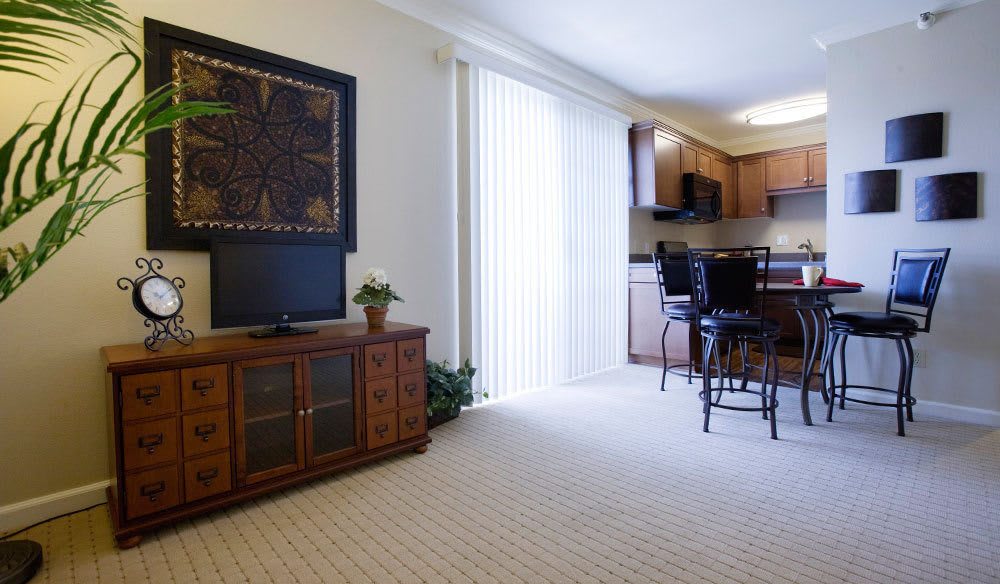
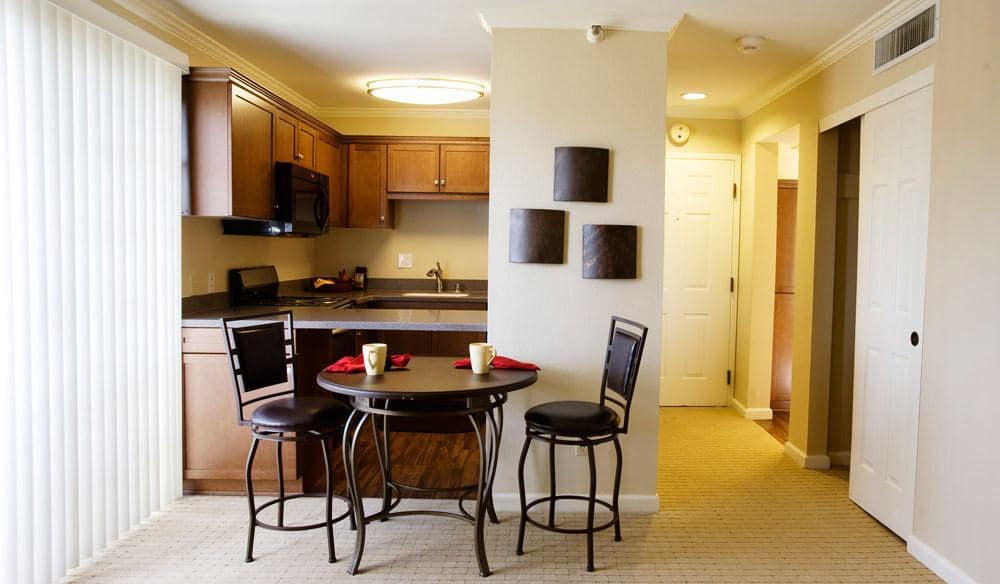
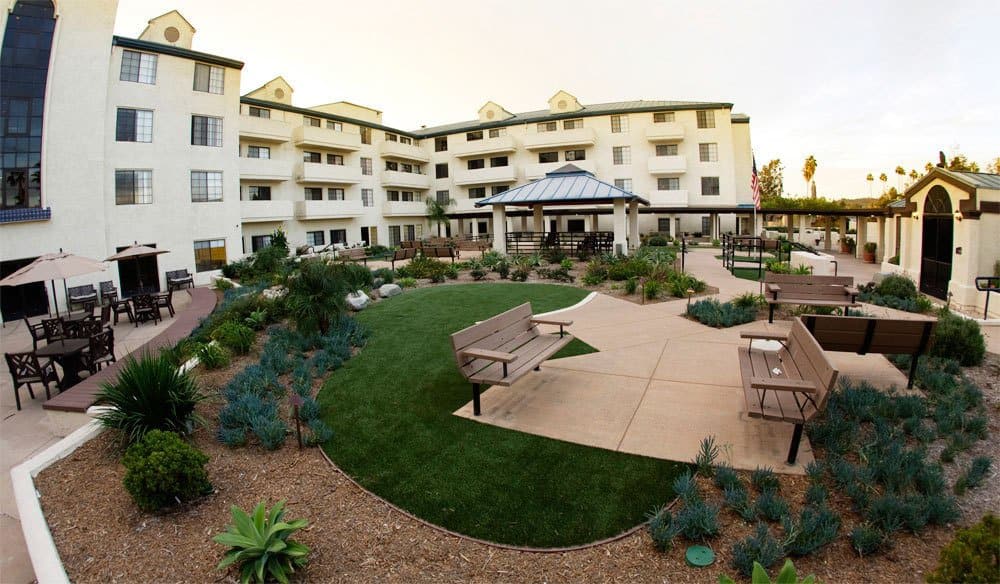
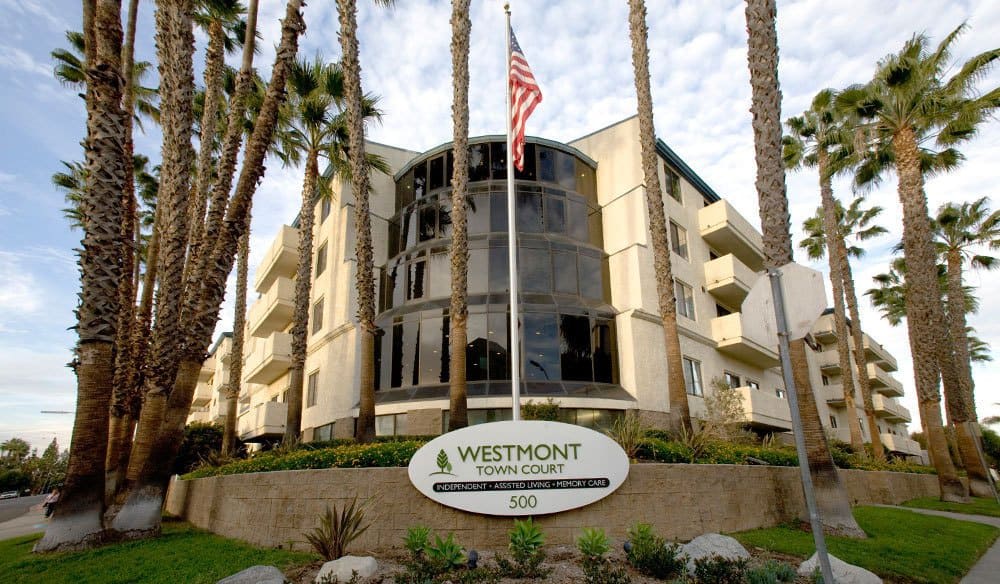
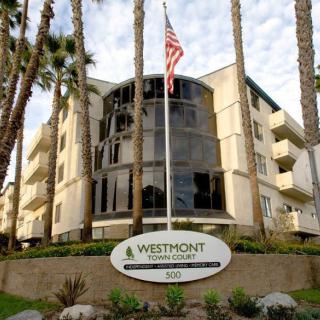
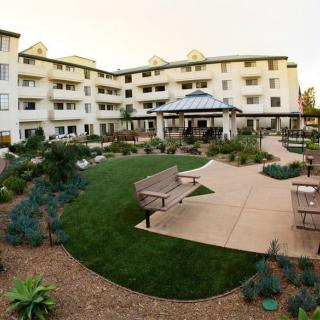
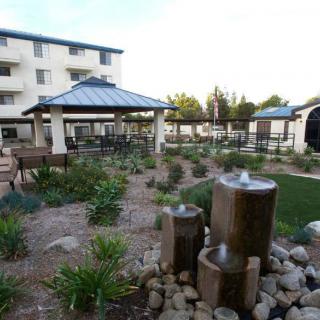
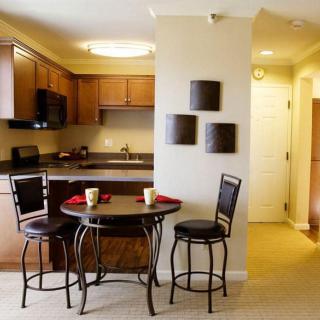
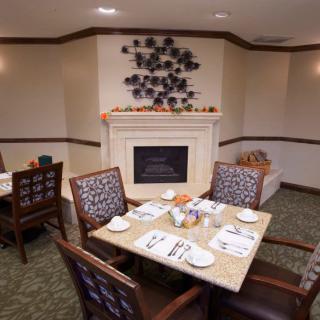
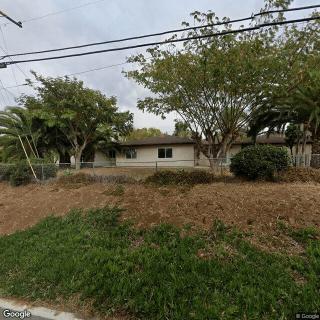
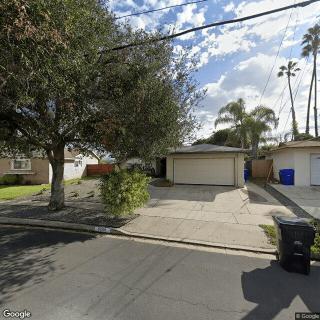
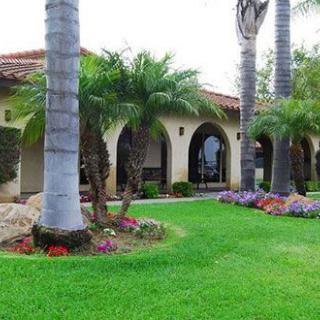
Westmont Town Court on seniors.fyi includes 19 photos including images showing floor plan, interior, dining, bedroom, decor, living room, lighting, kitchen, and more.
Nearby Communities
Palomar Vista Healthcare Center
Escondido, CA
4.5 from 146 reviews
$4,230 / month
Caring staff and effective rehabilitation progress.
Escondido Post Acute Rehab
Escondido, CA
3.6 from 71 reviews
Dedicated staff in parts of the facility; clean rooms and good dining.
Casa Escondida
Escondido, CA
3.3 from 32 reviews
Well-maintained grounds, prompt maintenance, and engaging community programs.
Palomar Heights Post Acute Rehab
Escondido, CA
4 from 72 reviews
Extensive on-site amenities and 24/7 care support
North County Cottage
Escondido, CA
4.8 from 4 reviews
Compassionate, attentive care in a clean, safe environment.
The Springs Of Escondido
Escondido, CA
4.7 from 123 reviews
$3,069 to $4,679 / month
Friendly staff, clean facilities, and engaging on-site dining and activities.
Silverado Escondido
Escondido, CA
4.6 from 65 reviews
Caring, personalized dementia care in a clean, welcoming setting with good dining.
Felicita Vida
Escondido, CA
4.4 from 68 reviews
Luxurious, well-maintained campus with robust activities and memory-care focus.
Catered Living at Chateau Lake San Marcos
San Marcos, CA
4.6 from 28 reviews
$5,650 to $8,200 / month
Beautiful grounds, friendly staff, and a lively social scene with included HOA meals.
Assisted living provides moderate support for seniors seeking independence, while memory care offers specialized support for individuals with dementia or cognitive impairments through structured routines and trained staff. Key differences include care approaches, environment security measures, staff training levels, activity types, and cost considerations.
Choosing between assisted living and nursing homes involves evaluating emotional and financial factors, with assisted living offering independence and support for daily activities at a lower cost, while nursing homes provide intensive medical care for individuals with significant health needs. The decision is influenced by personal preferences, health status, cognitive function, and varying Medicaid coverage across states.
The article presents eight strategies for preserving cognitive health and memory in older adults, emphasizing a nutrient-rich diet, regular exercise, intellectually stimulating activities, adequate sleep, social connections, stress management techniques, limiting harmful substances, and regular medical checkups to mitigate age-related memory decline.
Get PricingAsk A QuestionSchedule A TourContact Senior Advisor
By clicking submit, you agree to our Partner's Terms of Use. You
also consent to receive calls and texts, which may be autodialed, from our Partner. Your consent is not a condition to
using our Partner's service. Please visit our Partner's Privacy Policy for information about their privacy practices.














 200 resident community capacity
 1-bedroom apartments
 Assisted Living
 Independent Living
 Memory Care
 Cats allowed
 Dogs allowed
 Activities off-site
 Air-conditioning
 Beautician on-site
 Cable or satellite TV
 Cafe
Cafe Computer center
 Devotional services off-site
 Dining room
 Financial aid
 Fitness room
 Full kitchen
 Fully furnished
 Gaming room
 Garden
 General store
 Ground floor units
 Guest parking
 Handicap accessible
 Housekeeping services
 Indoor common areas
 Laundry
 Move-in coordination
 Outdoor common areas
 Overnight guests
 Party space
 Private bathrooms
 Restaurant-style dining
 Security gate
 Small library
 Swimming pool
 Telephone
 Wellness center
 Wheelchair accessible showers
 Wi-Fi/high-speed internet available
 MC Clellan-Palomar Airport (12 miles away)
 Community operated transportation
 12-16 hour nursing
 24-hour call system
 Ambulatory care
 Assistance with bathing
 Assistance with dressing
 Assistance with transfers
 Diabetes diet
 Diabetic care
 Hospice care
 Incontinence care
 Medication management
 Mental wellness program
 Special dietary restrictions
 Art classes
 Bible study group
 Book club
 Concierge services
 Cooking club
 Day trips and outings
 Educational speakers / life long learning
 Games
Games Happy hour
 Karaoke
 Live musical performances
 Wii bowling
 Wine tasting
 English
 Caring staff and effective rehabilitation progress.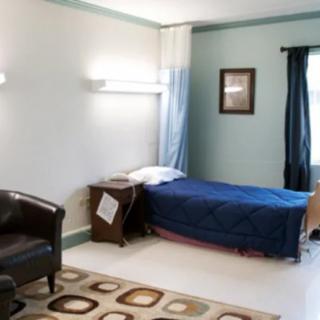





 Assisted Living and Memory Care: Understanding Their Core Differences
 Choosing the Right Senior Care: A Detailed Exploration of Assisted Living and Nursing Homes
 Safeguarding Your Memory Through the Golden Years: Eight Ways to Preserve Cognitive Health