
632 Tranquility Glen, Escondido, CA 92027
For more information about senior living options: (866) 208-4318
Overall Review of Oak Hill Residential Care III
Pros
 Bree and her staff take such great care of their residents.
- The Executive Director Bree is a Godsend.
- The nurses are wonderful and communication is great.
- Wonderful community. Wonderful staff. They are all very caring and helpful.
- Bree and her team are professional and courteous.
- Caregivers and nurses at Hidden Glenn are amazing and take great care of everyone.
- Oak Hill staff are concerned about the residents.
- Nice friendly staff.
- Very clean and the staff very helpful.
- The nurses were great.
Cons
 The HEAD NURSE BREE is unforgivable, incapable of sympathy, and unprofessional.
- Bree should be investigated or replaced for unfair treatment and rude behavior toward staff and patients.
- The front office staff, especially Bree Lofvendahl, are rude.
- The caregivers were rude to the reviewer’s mom and to her, and there is a significant language barrier that hinders communication.
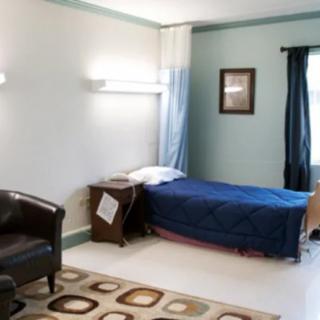
- The mattress was sponge-like and poorly made.
- The facility got worse after being bought out by a big corporation, and they refused to take her back from the hospital.
- They tried to charge three months' rent despite not allowing her back.
- A resident was physically attacked by other inmates, had cash stolen, and possessions discarded.
- The staff's communication skills are slim to none.
Review
Oak Hill Residential Care III in Escondido is best suited for families prioritizing hands-on, around-the-clock care in a home‑like setting where caregivers stay consistently involved with daily routines. The community tends to work well for seniors who need substantial assistance, benefit from in-house meals prepared on site, and value a calm, homey environment over a hospital atmosphere. It is less ideal for active, independent seniors who crave robust social programming, private rooms, and a more upscale or spa-like ambiance. For families budgeting carefully, the option can feel economical relative to other care settings, provided the priorities align with care continuity and daily support rather than luxury amenities or frequent new social activities.
Those who may want to consider alternatives include families who demand flawless leadership accountability and top-tier communication. Several reviews raise concerns about the administrative encounter with Bree Lofvendahl and some staff communication, suggesting this is a critical factor for ongoing satisfaction. Language barriers and inconsistent English proficiency among front-line caregivers also surface as a notable hurdle for residents who rely on clear, immediate communication about health needs. For households that prize private rooms, quiet personal spaces, or a facility with minimal transfer risk, or for those who require stricter safety oversight and fewer anecdotes of staff or resident safety issues, exploring other communities could be prudent. Additionally, stories of involuntary transfers and corporate ownership dynamics suggest a need for vigilance around contracts and transition practices.
On the plus side, the strongest pros center on a culture of care that many families notice as genuinely attentive. In-house cooking, a home-like layout, and consistent nursing support contribute to a sense of steadiness and daily reliability. Reviews consistently highlight dedicated nurses and caregivers, the same teams that handle urgent needs with familiarity, creating reassurance for families that a loved one will be tended to with regular eyes and hands. The setting is described as calm and domestic rather than clinical, which can ease anxiety for residents and visiting family members. When the leadership and care team are aligned, the facility advances a credible narrative of peace of mind and personal connection, with staff commonly praised for kindness and accessibility during visits.
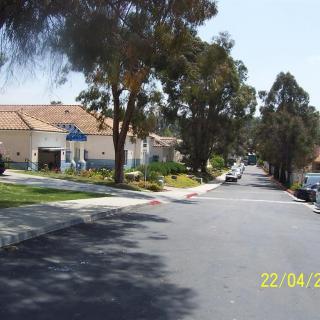
Yet the cons warrant sober consideration. Reports about Bree’s leadership style and certain staff interactions suggest that not all family members will experience the same level of warmth or responsiveness. Language barriers compound the challenge of clear, timely communication, especially in urgent or nuanced medical situations. Several accounts point to concerns about the environment feeling more like a care institution than a warm home, including reviews that flag lighting issues, bed comfort, and general room comfort. Safety concerns, ranging from allegations of patient-on-patient incidents to theft or rough handling, underscore the importance of a thorough, on-site assessment and frank conversations about day-to-day safeguards, monitoring, and incident reporting. The notion that the facility has shifted after corporate ownership changes adds another layer to the decision, particularly for families worried about consistency in policy and staff alignment over time.
For a practical decision process, approach Oak Hill with a targeted checklist during tours. Request to meet several caregivers, not only the supervisory staff, to gauge day-to-day responsiveness and the ability to communicate clearly in residents’ preferred language. Inspect private and shared rooms to understand privacy, noise, and comfort, and verify that beds and mattresses meet basic comfort standards. Inquire about night staffing ratios, response times, and how medical emergencies are escalated. Clarify the exact transfer terms, contract obligations, and what triggers a transfer or discharge, as well as the facility’s current leadership structure and how changes would be communicated. Ask for recent state inspection reports and any known safety incidents, and discuss how social and recreational programming is tailored to residents with varying energy levels.
Ultimately, Oak Hill can be a strong fit for families who want dependable, hands-on care delivered in a setting that feels like home, with a focus on daily structure and in-house meals. The reality is mixed: substantial positives around genuine caregiver dedication and a comforting, homey atmosphere exist alongside meaningful cautions about leadership dynamics, language barriers, and safety concerns that cannot be ignored. The decision hinges on whether the priority is reliable, compassionate, around-the-clock care in a non-sterile environment, or a preference for frictionless leadership, flawless communication, and private, activity-rich living spaces. A careful, in-person evaluation will reveal whether the balance favors comfort and continuity or signals that alternatives deserve stronger consideration.
 15 resident community capacity
 Assisted Living
 Board and Care Home
 Cable or satellite TV
 Dining room
 Fully furnished
 Garden
 Housekeeping services
 Move-in coordination
 Outdoor space
 Telephone
 Wi-Fi/high-speed internet available
 MC Clellan-Palomar Airport (13 miles away)
 24-hour supervision
 Activities of daily living assistance
 Assistance with bathing
 Assistance with dressing
 Assistance with transfers
 Diabetes diet
 Meal preparation and service
 Medication management
 Special dietary restrictions
 Transportation arrangement (medical)
 Transportation to doctors appointments


 Social Security Benefits and Assisted Living: Navigating Options Across the U.S.
 An Extensive Exploration of the VA Aid and Attendance Benefit
 Senior Transition Services: Understanding Their Role, Cost, and Importance