Oak Hill Residential Care II in Escondido, CA

Information last verified:

622 Tranquility Glen, Escondido, CA 92027

For more information about senior living options: (844) 490-3973

3.5 from 29 reviews
5 stars
12
4 stars
5
3 stars
3
2 stars
3
1 stars
6

Overall Review of Oak Hill Residential Care II

Pros

  • pro Bree and her staff take such great care of their residents.
  • pro Hidden Glenn Senior Living offers a culture of care that is safe, reliable, and accountable.
  • pro The care has been consistently high quality throughout the resident's stay, provided by the core team led by Bree Lofvendahl.
  • pro They understand the varying needs of the aging population and offer guidance and education to families.
  • pro Bree and her team offer peace of mind to families.
  • pro The Executive Director Bree is a godsend.
  • pro The nurses are wonderful and communication is great.
  • pro The facility serves meals prepared in-house and feels like a home.
  • pro The community is wonderful and the staff are very caring and helpful.

Cons

  • pro The head nurse Bree is unforgivable, incapable of sympathy, and unprofessional; she should be investigated or replaced.
  • pro Be careful placing a loved one here; the front office staff are rude to residents and family, and there is a significant language barrier that hampers care.
  • pro The overall experience is described as absolutely terrible, with staff communication skills slim to none.
  • pro The facility’s quality reportedly declined after being bought by a large corporation, including involuntary transfers, unfair agreements, and higher costs.
  • pro A resident was reportedly attacked by other inmates, had cash stolen, and possessions discarded, indicating serious safety concerns.
  • pro The mattress is described as sponge-like and poorly made, causing discomfort for residents.

Review

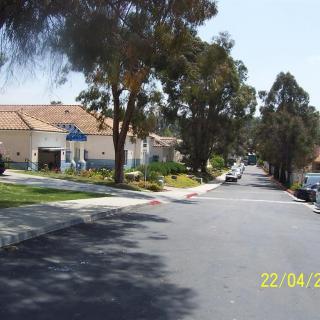
Oak Hill Residential Care II in Escondido is best suited for families seeking a intimately run, home-like setting where around-the-clock care and a tangible culture of caregiving are the priorities. This community tends to work best for residents who need substantial daily support, including help with activities of daily living, and for families that want direct access to nurses and caregivers who are consistently on site. The environment is described as a non-institutional, freestanding home rather than a hospital wing, with in-house cooking and staff-led routines designed to feel like a residence more than a clinical facility. When care continuity and a personal touch matter most, Oak Hill often delivers that sense of stability families are after.

Those contemplating alternatives should note red flags that recur in reviews. A segment of critics questions management and communications at the top levels, citing experiences with the executive director and front-office interactions as well as sporadic language barriers that complicate care when English isn’t the first language of some staff. There are also concerns about consistency of care across caregivers, with anecdotes of miscommunication or uneven attentiveness, and a few accounts that raise alarms about safety and behavior in the broader setting. For families prioritizing private rooms, highly regulated safety practices, or a fully multilingual staff, Oak Hill may feel insufficient. Additionally, the facility’s design and accommodations skew toward a care-focused environment rather than a premium, activity-rich experience; this matters for those who want more independent living features or a more upscale atmosphere.

The strongest pros, consistently highlighted across reviews, center on the people and the care culture. Several families praise Bree and her team for professionalism, dedication, and hands-on support, noting that care is steady and that the staff genuinely functions as a caregiving unit. In-house meals and a home-like atmosphere contribute to a sense of normalcy that can be pivotal for residents who thrive on routine and familiar surroundings. For families seeking guidance and education about realistic expectations in elder care, the staff are frequently described as approachable and communicative, offering reassurance and a pragmatic approach to caregiving challenges. When the focus is on reliable, around-the-clock care delivered with a personal touch, these strengths can offset a number of operational drawbacks.

Yet the main cons frequently mentioned cannot be ignored. Several reviewers describe questions about leadership and administrative consistency, including criticisms aimed at the executive director that color the overall impression of the place. Language barriers and uneven communication among staff can magnify stress during health episodes, and there are anecdotes of rough experiences with some personnel and with the front office. Physical concerns surface as well: some families report discomfort with the mattresses and room setups, noting that privacy and comfort are not the facility’s strongest suit, with multi-occupant rooms being common and private space limited. There are also cautions about the facility’s past changes, such as a perceived shift after corporate ownership, that some families feel affected resident care and decision-making. Finally, safety and security concerns appear in the form of a few alarming anecdotes about resident interactions and the importance of conducting thorough walkthroughs before choosing this setting.

In practical terms, the offset between strengths and weaknesses comes down to priorities and risk tolerance. For families prioritizing continuity of care, a hands-on executive team, and practical guidance for navigating elder-care realities, Oak Hill’s strengths can deliver peace of mind that is hard to match in larger facilities. The in-house dining, homelike feel, and a clear emphasis on around-the-clock caregiving serve as meaningful compensations for the less polished aspects of administration or occasional communication gaps. However, those who push for private rooms, multilingual consistency across all shifts, or a setting with stringent safety record assurances may find the balance tilted toward the cons. Cost transparency is another factor; Medicaid-friendly options exist, and some reviews place the price point as competitive for the level of basic care, but the trade-offs in room size and living amenities remain a reality to weigh carefully.

The recommended approach for families is to schedule a thorough, pointed visit with a focus on three areas: (1) observe staff interactions in real time, especially during care tasks and meals, and specifically request to meet the executive director and front-line supervisors to gauge responsiveness and tone; (2) inspect the living spaces and safety features, including mattress quality, noise levels, and the setup of multi-resident rooms versus potential private options; and (3) verify admissions logistics, including whether Medicaid arrangements apply, transfer policies, and any implications if a move between facilities becomes necessary. If the goal is a warm, consistent caregiving environment where staff devotion and family communication are prioritized, Oak Hill can be a strong fit. If independence, multilingual consistency, and private accommodations are non-negotiable, it may be prudent to explore alternatives with a sharper emphasis on those factors.

Features

Housing

  • 15 resident community capacity 15 resident community capacity

Types of Care

  • Assisted Living Assisted LivingAssisted living facilities provide crucial support and care for seniors who may need help with daily tasks such as medication management, bathing, and meal preparation. These communities offer a safe and comfortable environment where seniors can maintain their independence while receiving the assistance they need to thrive in their golden years.
  • Board and Care Home Board and Care HomeBoard and care homes provide a smaller, more intimate setting for seniors who require assistance with daily tasks but do not need the level of care offered by a nursing home. They offer personalized care, meals, and social activities in a homelike environment, ensuring that seniors receive individualized attention and support in their golden years.

Amenities

  • Cable or satellite TV Cable or satellite TVCable or satellite TV is important for seniors because it provides entertainment, news, and companionship, helping to combat loneliness and boredom. It also offers a wide range of programming options tailored to different interests and preferences.
  • Dining room Dining roomDining rooms are important for seniors as they provide a space for socialization, connection, and nutritious meals. They offer opportunities for residents to bond over shared meals, foster a sense of community, and promote healthy eating habits. Dining rooms also ensure that seniors have access to well-balanced meals tailored to their dietary needs and preferences.
  • Fully furnished Fully furnishedFully furnished senior living communities are important for seniors because they provide convenience, comfort, and a hassle-free moving experience. Seniors can easily settle into their new living space without the stress of having to buy and move furniture. This allows them to focus on enjoying their new home and community.
  • Garden GardenGardens are important for seniors as they provide a peaceful and therapeutic environment for relaxation, physical activity, and socialization. Being in nature has been shown to reduce stress, improve mood, and promote overall well-being. Gardens also offer opportunities for seniors to engage in gardening activities, which can improve mobility, flexibility, and cognitive function. Additionally, gardens create a sense of community and connection with others who share a passion for plants and outdoor spaces.
  • Housekeeping services Housekeeping servicesHousekeeping services are important for seniors because they help maintain a clean and safe living environment, promote independence, and reduce the risk of accidents or illnesses. Additionally, having assistance with household chores can alleviate physical strain and allow seniors to focus on other aspects of their well-being.
  • Move-in coordination Move-in coordinationMove-in coordination is important for seniors because it helps ease the transition into their new living environment. It ensures that all logistics, such as packing, organizing movers, and setting up utilities are taken care of, allowing seniors to focus on settling in and adjusting to their new home. Having a smooth move-in process can alleviate stress and anxiety, making the transition smoother and more enjoyable for seniors.
  • Outdoor space Outdoor spaceOutdoor spaces are important for seniors as they provide opportunities for physical activity, social interaction, exposure to natural light and fresh air, and a sense of connection to nature. Having access to outdoor spaces can improve overall well-being and quality of life for older adults living in senior communities.
  • Telephone TelephoneTelephones are important for seniors as they provide a lifeline for communication with loved ones, emergency services, and healthcare providers. They offer a sense of security and independence, enabling seniors to stay connected and access assistance when needed.
  • Wi-Fi/high-speed internet available Wi-Fi/high-speed internet availableWi-Fi/high-speed internet is important for seniors to stay connected with loved ones, access online resources, and participate in virtual activities to combat feelings of loneliness and isolation. It also allows them to easily manage healthcare needs, access entertainment, and engage in lifelong learning opportunities.

Transportation

  • MC Clellan-Palomar Airport (13 miles away) MC Clellan-Palomar Airport (13 miles away)

Care Services

  • 24-hour supervision 24-hour supervision24-hour supervision is important for seniors to ensure their safety, well-being, and access to immediate assistance in case of emergencies or health issues. This constant support provides peace of mind for both seniors and their loved ones, allowing them to age in place with dignity and security.
  • Activities of daily living assistance Activities of daily living assistanceActivities of daily living assistance are important for seniors because they provide essential support with tasks such as eating, bathing, dressing, and mobility. This assistance helps seniors maintain their independence, dignity, and overall quality of life as they age.
  • Assistance with bathing Assistance with bathingAssistance with bathing is crucial for seniors as it helps maintain personal hygiene, prevents infections, and ensures their overall well-being and comfort. It also provides a sense of dignity and independence for seniors who may struggle with this task on their own.
  • Assistance with dressing Assistance with dressingAssistance with dressing is important for seniors because it helps maintain their independence, promotes personal hygiene, prevents accidents and injuries, and improves overall quality of life. This service ensures that seniors can continue to dress comfortably and confidently, despite any physical limitations they may have.
  • Assistance with transfers Assistance with transfersAssistance with transfers is crucial for seniors as it helps prevent falls and injuries, maintains their independence, and ensures they can safely navigate their living environment. It also provides peace of mind for both seniors and their loved ones.
  • Coordination with health care providers Coordination with health care providersCoordination with health care providers is crucial for seniors to ensure proper medical care, medication management, and overall well-being. This collaboration helps prevent overlapping treatments, track progress more effectively, and provide comprehensive support tailored to individual needs.
  • Diabetes diet Diabetes dietA diabetes diet is crucial for seniors as it helps manage blood sugar levels, reduce risks of complications, and improve overall health and well-being. By following a balanced and nutritious diet tailored to their specific needs, seniors can better control their diabetes and enhance their quality of life.
  • Meal preparation and service Meal preparation and serviceMeal preparation and service are crucial for seniors as they may have limited mobility or energy to cook nutritious meals. Having access to healthy and convenient food options can ensure they are getting the proper nutrition needed to maintain their overall health and well-being.
  • Medication management Medication managementMedication management is crucial for seniors to ensure they are taking the right medications at the correct dosages and times. This helps prevent adverse drug interactions, reduces the risk of medication errors, and promotes overall health and well-being. Proactive management also allows for adjustments as needed based on changing health conditions or new prescriptions.
  • Special dietary restrictions Special dietary restrictionsSpecial dietary restrictions are important for seniors because age-related changes in metabolism and health conditions can make it difficult for their bodies to process certain foods. By following a diet tailored to their specific needs, seniors can maintain their overall health and well-being, manage chronic conditions, and reduce the risk of complications such as malnutrition or food interactions with medications.
  • Transportation arrangement (medical) Transportation arrangement (medical)Transportation arrangements for medical purposes are essential for seniors as they may have difficulty driving themselves to appointments or accessing public transportation. Having reliable and safe transportation options ensures that seniors can receive timely medical care and maintain their health and well-being.
  • Transportation to doctors appointments Transportation to doctors appointmentsTransportation to doctors' appointments is crucial for seniors as it ensures they have access to necessary medical care and support for their health needs. Without reliable transportation, seniors may struggle to attend important appointments, leading to potential delays in treatment and health complications. Providing transportation services helps seniors maintain their overall well-being and quality of life.

Dining

  • Diabetes diet Diabetes dietA diabetes diet is crucial for seniors as it helps manage blood sugar levels, reduce risks of complications, and improve overall health and well-being. By following a balanced and nutritious diet tailored to their specific needs, seniors can better control their diabetes and enhance their quality of life.
  • Special dietary restrictions Special dietary restrictionsSpecial dietary restrictions are important for seniors because age-related changes in metabolism and health conditions can make it difficult for their bodies to process certain foods. By following a diet tailored to their specific needs, seniors can maintain their overall health and well-being, manage chronic conditions, and reduce the risk of complications such as malnutrition or food interactions with medications.

Activities

  • Community-sponsored activities Community-sponsored activitiesCommunity-sponsored activities are important for seniors as they provide opportunities for social interaction, mental stimulation, and physical activity. These activities can help improve overall well-being, combat loneliness and isolation, and promote a sense of belonging and purpose among older adults.
  • Scheduled daily activities Scheduled daily activitiesScheduled daily activities are important for seniors because they provide structure, socialization, mental stimulation, and physical activity. Engaging in regular activities can improve overall well-being and quality of life for seniors living in a community setting.

Description

Oak Hill Residential Care II in Escondido, CA is a board and care home that offers a comfortable and supportive environment for seniors. Our fully furnished facility features amenities such as a dining room, garden, and outdoor space, allowing residents to enjoy their surroundings.

We understand the importance of maintaining a clean and organized living space, which is why we provide housekeeping services to our residents. Additionally, our move-in coordination service ensures that transitioning into our community is seamless and stress-free.

At Oak Hill Residential Care II, we prioritize the well-being of our residents by offering various care services. Our dedicated staff provides assistance with activities of daily living, including bathing, dressing, and transfers. We also coordinate with healthcare providers to ensure that all medical needs are met. For those with specific dietary requirements such as diabetes diets or special dietary restrictions, our team can accommodate these needs during meal preparation and service.

Transportation arrangements for medical appointments are made for the convenience of our residents. Whether it be transportation to doctors' appointments or obtaining medications from nearby pharmacies (of which there are 10 within close proximity), we strive to make healthcare easily accessible.

In terms of leisure and social engagement, Oak Hill Residential Care II offers scheduled daily activities to keep residents entertained and engaged. With two cafes, parks, restaurants, and hospitals nearby, there are ample opportunities for outings and exploration.

Choose Oak Hill Residential Care II in Escondido, CA for compassionate care in a warm and inviting environment.

Nearby Places of Interest

Physicians

  • Las Palmas Medical Group (0.6 miles)
  • VA Clinic Escondido (0.7 miles)
  • Peter Do DDS - Escondido Dentist, Implant Dentist (0.7 miles)
  • Dr Schiffmans (0.8 miles)
  • Richard M. Foxx, MD (0.8 miles)
  • Graybill Medical Group - Escondido Grand Office (0.8 miles)
  • Valley Parkway Medical Building (1 miles)

Restaurants

  • McDonald's (0.6 miles)
  • Taco Bell (0.9 miles)
  • Burger Bench (1.2 miles)
  • Plan 9 Alehouse (1.2 miles)
  • Filippi's Pizza Grotto Escondido (1.3 miles)
  • McDonald's (1.7 miles)
  • Burger King (1.7 miles)

Pharmacies

  • Walgreens (0.6 miles)
  • Good Neighbor Pharmacy (0.7 miles)
  • Vons Pharmacy (1.3 miles)
  • Walgreens (1.4 miles)
  • CVS Pharmacy (1.5 miles)
  • Walgreens (1.7 miles)
  • CVS Pharmacy (1.8 miles)

Hospitals

  • Premiere Surgery Center (2.9 miles)
  • Palomar Medical Center Escondido (3.5 miles)
  • Pomerado Hospital (8.8 miles)
  • Scripps Clinic Rancho Bernardo (9.5 miles)

Parks

  • Kit Carson Park (3.2 miles)
  • Woodland Park (4.5 miles)
  • Rancho Bernardo Community Park (5.5 miles)
  • Montiel Dog Park (6.3 miles)
  • Liberty Park (6.8 miles)
  • Pioneer Park (7.3 miles)
  • Santa Fe Hills Park (7.5 miles)

Cafes

  • Starbucks (3.6 miles)
  • Okavango Outpost (4.2 miles)
  • Mostra Coffee 4S (7.9 miles)
  • Starbucks (8.1 miles)
  • Panera Bread (9.7 miles)

Transportation

  • MTS Del Lago Station (3.7 miles)

Places of Worship

  • Mission Hills Church (5.4 miles)

Theaters

  • Regal Edwards San Marcos (7.7 miles)

Frequently Asked Questions

Where is Oak Hill Residential Care II?

Nearby Communities

  • Oak Hill Residential Care III

    Oak Hill Residential Care III

    Escondido, CA

    3.5 from 29 reviews
     

    pro Fully furnished rooms, nutritious meals, 24/7 ADL assistance with medication management, outdoor spaces, Wi-Fi, and scheduled activities.

  • Oak Hill Residential Care

    Oak Hill Residential Care

    Escondido, CA

    3.8 from 56 reviews
    $3,550 to $4,500 / month

    pro Clean facility with friendly staff and affordable pricing.

  • Oak Hill Residential Care VII

    Oak Hill Residential Care VII

    Escondido, CA

    3.8 from 8 reviews
     

    pro Personalized care with 24-hour supervision and diabetes-friendly meals.

  • Oak Hill Residential Care IV

    Oak Hill Residential Care IV

    Escondido, CA

    3.5 from 29 reviews
     

    pro Intimate 15-bed setting with 24/7 supervision, ADL support, diabetes-friendly meals, and coordinated healthcare.

  • Oak Hill Residential Care V

    Oak Hill Residential Care V

    Escondido, CA

    3.5 from 29 reviews
    $3,390 to $4,200 / month

    pro Competitive pricing with private rooms below county/state averages plus comprehensive assisted living services and on-site amenities.

  • Oak Hill Residential Care VI

    Oak Hill Residential Care VI

    Escondido, CA

    3.4 from 30 reviews
     

    pro Small, personalized care with comprehensive daily support.

  • Escondido Post Acute Rehab

    Escondido Post Acute Rehab

    Escondido, CA

    3.7 from 64 reviews
     

    pro Dedicated staff in parts of the facility; clean rooms and good dining.

  • Silverado Escondido

    Silverado Escondido

    Escondido, CA

    4.6 from 65 reviews
     

    pro Caring, personalized dementia care in a clean, welcoming setting with good dining.

  • Felicita Vida

    Felicita Vida

    Escondido, CA

    4.4 from 67 reviews
     

    pro Luxurious, well-maintained campus with robust activities and memory-care focus.

Related Resources

  • assisted living costUnderstanding the True Cost of Assisted Living in 2025: A Comprehensive Guide

    Assisted living in 2025 offers a crucial balance of independence and support for seniors, with costs varying from $2,500 to over $7,000 per month based on factors such as location and care level. Understanding pricing complexities, including regional differences and potential hidden fees, is essential for families to plan financially while ensuring quality care for their loved ones.

  • does medicaid pay for assisted livingUnderstanding Medicaid Coverage for Assisted Living: A Comprehensive Guide

    The guide outlines the complexities of Medicaid coverage for assisted living, highlighting significant state-to-state variations, limited coverage often restricted to personal care services, and the existence of specialized waivers for certain needs like memory care. It advises families to consult local Medicaid offices for options while emphasizing the importance of understanding state-specific regulations and facility policies.

  • does medicaid pay for assisted livingHow and When Medicaid May Cover Assisted Living Costs

    Medicaid coverage for assisted living varies by state and is primarily available to low-income individuals, with eligibility dependent on strict income and asset limits. Some states offer HCBS waivers for specific services in assisted living, but families must generally cover room and board costs, and should verify facility acceptance of Medicaid while considering potential waiting lists.