
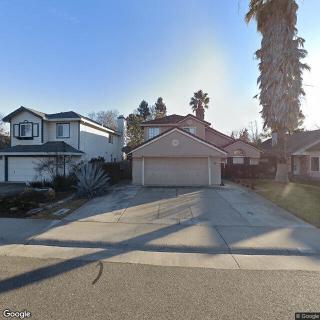
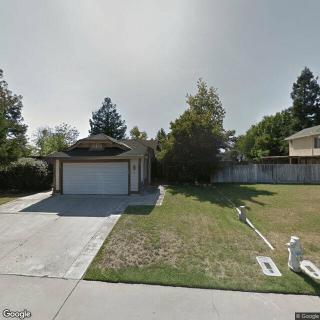
9513 Wadena Way, Elk Grove, CA 95758
For more information about senior living options: (866) 208-4318
Overall Review of Trinity Care Home
Cons
 The nurses close up by 7, leaving residents waiting for care until after 8 a.m.
- It operates as a wait-your-turn system, causing delays in basic care.
- Residents may be left in dirty diapers all night and morning due to the delays.
- The reviewer cautions not to send loved ones there because of the poor care.
Review
Trinity Care Home in Elk Grove is best suited for families seeking a very small, home-like environment where daytime caregiving can feel intimate and personalized. The setting is likely appealing to residents who thrive with routine, close oversight while staff are on site, and who can tolerate a slower pace of service during certain hours. It is not a fit for anyone needing constant medical oversight, rapid response to urgent needs, or reliable overnight assistance for tasks like incontinence care.
Those weighing options should explicitly consider alternatives if 24/7 nursing support or more robust clinical coverage is non-negotiable. Larger, licensed assisted living communities with on-site nurses around the clock, or dedicated memory care facilities with staffed overnight monitoring, are typically better suited for residents who require immediate help at any hour. Home health or respite arrangements can also fill gaps for families that want a high degree of control over scheduling and care intensity. Trinity Care Home may be appropriate only if the family can compensate for limited after-hours support.
The most troubling signal from the available feedback is the gap between day and night care. The review describes a schedule where nursing staff “close up” at 7 p.m. and do not reopen until 8 a.m., leaving residents to wait for assistance through the night and into the morning. Such gaps translate into prolonged periods without help for essential needs, and they raise concerns about dignity, comfort, and safety. The description of residents ending up in dirty diapers overnight highlights a systemic shortfall in timely incontinence management, with clear implications for skin integrity, comfort, and infection risk.
In theory, a small facility can offer advantages that offset the lack of around-the-clock care, more personalized attention during waking hours, closer relationships with caregivers, and a calmer, less institutional atmosphere. Those benefits matter, but they do not meaningfully compensate for overnight delays and the visible distress described in the review. When daytime staff are present, residents may enjoy warmth and attentiveness; once the sun goes down, the absence of immediate support erodes trust and can undermine the overall sense of safety. The bottom line is that the potential daytime advantages are overshadowed by the persistent after-hours service gaps.
Families evaluating Trinity Care Home should walk through a careful set of checks before deciding. Ask about the exact after-hours staffing plan: who is available, what tasks are covered after hours, and what the escalation process looks like for urgent needs. Request a direct tour focused on bathroom assistance, incontinence care, and personal hygiene during both day and night scenarios. Clarify whether the license requires regular nursing presence 24/7, and examine recent state inspection records for compliance and deficiencies related to staffing, resident dignity, and skin care. Also probe daily routines, response times, meal and medication schedules, and how family members are kept informed about changes in condition or care plans.
The prudent conclusion is clear: Trinity Care Home may work for families who can tolerate limited after-hours care and who can supplement with external support when needed. For those who cannot accept overnight delays or the risk of discomfort and hygiene lapses, exploring alternatives with more continuous clinical coverage is advised. In making a choice, prioritize a facility’s ability to meet essential needs on a 24/7 basis, verify staffing consistency, and assess whether the daily rhythm truly aligns with the resident’s dignity, safety, and well-being. A decisive visit, coupled with candid conversations about after-hours expectations, will reveal whether this setting can truly deliver the level of care required.
 6 resident community capacity
 Assisted Living
 Board and Care Home
 Respite Care
 Cable or satellite TV
 Dining room
 Fully furnished
 Garden
 Housekeeping services
 Move-in coordination
 Outdoor space
 Telephone
 Wi-Fi/high-speed internet available
 Sacramento International (22 miles away)
 24-hour supervision
 Activities of daily living assistance
 Assistance with bathing
 Assistance with dressing
 Assistance with transfers
 Diabetes diet
 Meal preparation and service
 Medication management
 Special dietary restrictions
 Transportation arrangement (medical)
 Transportation to doctors appointments
 Small, home-like setting with personalized care and daily activities.




 Comprehensive Insights into Activities of Daily Living (ADLs) and Their Assessment
 Medicare Coverage for Assisted Living: An In-Depth Exploration
 Choosing the Right Senior Care: A Detailed Exploration of Assisted Living and Nursing Homes