
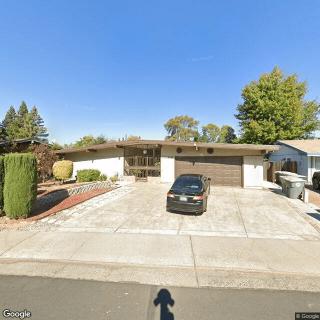
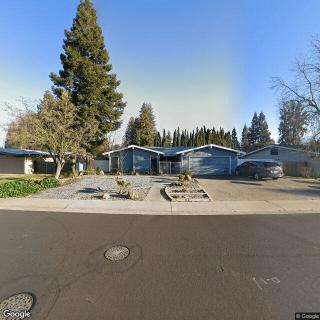
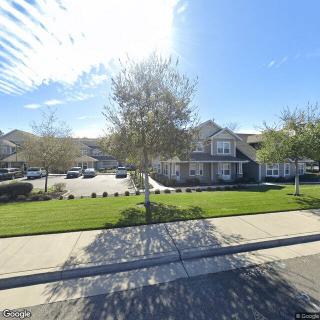
8701 Sumerlin Ct, Elk Grove, CA 95624
For more information about senior living options: (866) 208-4318
Overall Review of Serrano Guest Home
Pros
 The staff at Comforts of Home always took the best care of her.
- They were always ready to remedy any problems that might arise.
- The care and attention to detail given to each client is amazing.
- They provided recommendations to help her be more comfortable, and the advice was spot on.
- They held the cup for her to keep her hydrated, since she could not hold it herself.
- Some care workers would say prayers with her at night, which she loved.
- Maria and the staff provided care that contributed to a high quality of life for her right until the end.
- The family quickly felt Comforts of Home was the best care option after meeting with Maria.
- The staff became extended family to the family, handling many challenges together.
- The house on Treasure Way was always clean and neat, and the caregivers were ready to remedy any problems.
Review
This community is best suited for families seeking a truly intimate, home-like setting in Elk Grove where a senior can receive highly personalized care and where staff become a trusted extension of the family. It shines for residents with cognitive or physical care needs who progress through dementia or end-of-life stages and benefit from caregivers who know them well, respond quickly, and collaborate closely with family members. A small-scale environment, open lines of communication, and the opportunity for spiritual support and ongoing presence from caregivers make it ideal for those who value continuity, predictability, and a warm, domestic atmosphere over institutional breadth.
Prospective movers should consider alternatives if they require a larger campus with a wider menu of on-site medical services, more expansive activity programming, or a highly structured memory-care program. Families who want robust 24/7 nursing coverage on site, frequent physician rounds, or a wide array of specialized rehabilitation options may fare better with facilities that emphasize clinical depth and scale. For seniors who need a more diverse social calendar or a facility with more residents and on-site amenities, the intimate model here may feel limiting over time. The decision becomes one of choosing intimate attentiveness and continuity versus breadth of services.
The strongest advantages align with the intimate, hands-on care model. Caregivers in this setting are described as consistently attentive, proactive, and deeply involved in managing daily needs, from hydration and mobility support to medication reminders and comfort measures. Families repeatedly note that staff anticipate concerns, provide practical guidance about medical options, and keep lines of communication open, often translating complex medical possibilities into actionable steps. The approach to care also extends beyond the medical, with respect for spiritual preferences and a tendency to treat residents like extended family, which translates into calmer, more dignified days for residents at all stages of decline.
With those strengths come natural limits tied to the same small-scale framework. Capacity constraints mean fewer beds and, by extension, slower admissions or transfers if a loved one’s needs evolve. Activity programming, while present (including occasional guests like an activities director or live music), may be less varied than what larger facilities offer, and it’s wise to verify how current programming looks and whether it aligns with personal routines and interests. The on-site medical depth, while capable for many daily needs, may not match what a larger campus delivers in terms of specialty therapies, advanced clinical oversight, or emergency-response resources. These are practical realities to weigh against the compelling personal touch.
The key to making the pros work, and offsetting the cons, lies in alignment of expectations. For families prioritizing intimate attention, consistent staffing, and meaningful daily interactions, the advantages substantially offset the potential gaps in services. When caregivers become familiar with a resident’s rhythms, preferences, and subtle nonverbal cues, daily life gains predictability and comfort that bigger facilities struggle to replicate. The ability to receive timely family input, integrate spiritual practices, and adjust care plans rapidly, often with a warm, collaborative tone, can dramatically improve quality of life, especially for residents in dementia care or late-stage needs.
In sum, this Elk Grove option stands out for families seeking a small, home-like environment where intimate caregiving, proactive communication, and a family-centered atmosphere drive quality of life. It is a strong fit for loved ones who thrive on personal connections with caregivers, appreciate direct involvement in care decisions, and value consistent daily routines that prioritize comfort and dignity. Those who must have a broader medical footprint, a wider array of structured activities, or rapid access to diverse rehabilitation services should consider alternatives. Arrange a tour with the care team, ask pointed questions about staff ratios, daily schedules, memory-care support, and end-of-life planning, and assess whether the level of attentiveness and the sense of “being cared for like family” will meet the loved one’s practical and emotional needs over the coming months and years.
 6 resident community capacity
 Assisted Living
 Cable or satellite TV
 Dining room
 Fully furnished
 Garden
 Housekeeping services
 Move-in coordination
 Outdoor space
 Telephone
 Wi-Fi/high-speed internet available
 Sacramento International (22 miles away)
 24-hour supervision
 Activities of daily living assistance
 Assistance with bathing
 Assistance with dressing
 Assistance with transfers
 Diabetes diet
 Meal preparation and service
 Medication management
 Special dietary restrictions
 Transportation arrangement (medical)
 Transportation to doctors appointments

 Assisted Living and Memory Care: Understanding Their Core Differences
 Beyond the Bingo Hall: 50+ Enriching Activities for Seniors in Assisted Living
 Understanding the Distinctions: Assisted Living and Memory Care Explained