
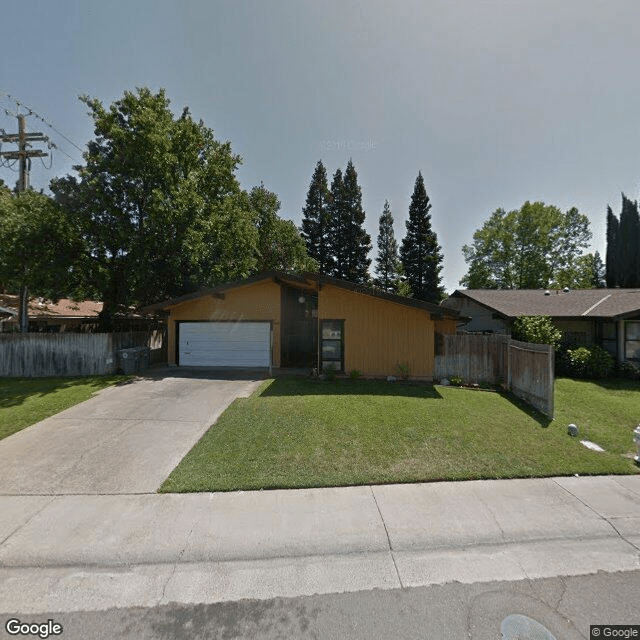
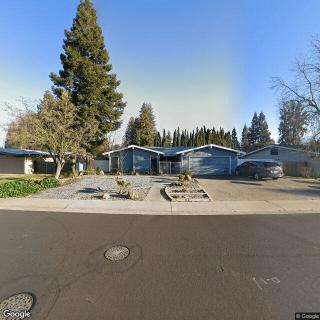
8840 Kelsey Drive, Elk Grove, CA 95624
For more information about senior living options: (866) 208-4318
Corina Elderly Home Costs & Pricing
At Corina Elderly Home, the monthly cost for a private room is set at $4,500, which reflects a premium compared to both Sacramento County and the broader California state average. Within Sacramento County, the typical expense for a private room is approximately $3,686, while the state average stands at about $3,939. This positioning indicates that Corina Elderly Home may offer distinctive amenities or personalized care services that contribute to its higher pricing. For families exploring options for elderly care, it's essential to consider not only the financial implications but also the unique qualities and overall value provided by each facility.
| Floor plans | Corina Elderly Home | Sacramento County | California |
|---|---|---|---|
| Private | $4,500 | $3,686 | $3,939 |
Memory care communities with a similar price nearby
-
from -$500 / mo
Sungarden Villa II
$4,000 / month20.3 miles away -
About the same
Sunriver Senior Care
$4,500 / month15.8 miles away -
from -$500 / mo

Ashley Villa
$4,000 / month15.8 miles away -
from -$500 / mo
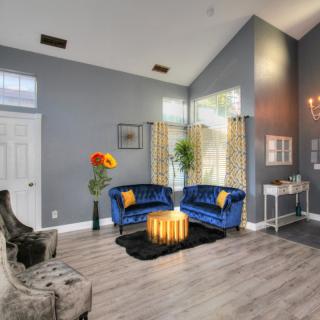
A Bright Future
$4,000 / month21.4 miles away -
from +$660 / mo
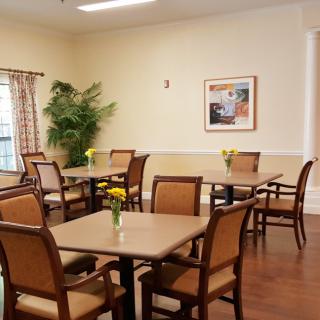
Revere Court Memory Care
$5,160 to $6,150 / month9.5 miles away
Overall Review of Corina Elderly Home
Pros
 They always took the best care of her.
- The caregivers were clearly concerned about her needs.
- The house on Treasure Way was always clean and neat, with David and Maria ready to remedy any problems.
- The care and attention to detail given to each client was amazing.
- They provided recommendations to help her be more comfortable, and their advice was spot on.
- They held the cup for her to keep her hydrated, and some care workers prayed with her at night, which she loved.
- Maria and the staff delivered care that supported a high quality of life through the end.
- Comforts of Home became like extended family to her.
Cons
 The reviewer was scrambling to find another care option for their mom within 24 hours, indicating urgent pressure.
- The reviewer initially found it hard to place their parent because there are so many different senior-living options.
- The reviewer is unsure whether the facility still offers the activities director or guitarist, indicating uncertainty about ongoing programming.
Review
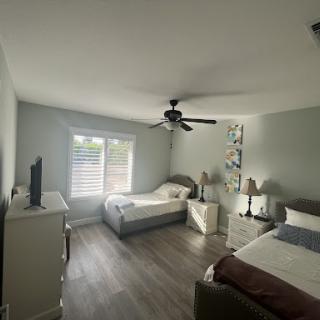
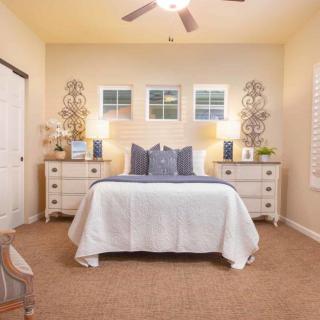
Corina Elderly Home in Elk Grove is best suited for families seeking a genuinely intimate, home-like setting where a small caregiving team can develop deep, dependable relationships with residents. The six-bed footprint enables every resident to receive highly personalized attention, with caregivers who know routines, preferences, and medical nuances well enough to anticipate needs before they arise. This is a setting where hydration, manual assistance with daily tasks, and quiet, respectful support come as a matter of course. For seniors with advancing frailty or early-to-mid stage dementia, the stability of known faces, consistent routines, and a strong sense of dignity make the difference between a tolerable day and a reassuring, high-quality life.
Those who may want to consider alternatives are those who prioritize a broader slate of amenities, more formal programming, or a larger clinical footprint. A facility with daily activities programming, a fuller on-site team, or more structured memory-care pathways can offer diverse therapies, outings, and a bustling social calendar that smaller homes often cannot sustain. If a family values a robust activity director, frequent scheduled events, or more expansive dining options, a larger campus may better align with those expectations. Likewise, families needing intensive 24/7 medical oversight or a formal dementia unit with formalized protocols might find a bigger operation more reassuring.
The strongest advantages at Corina Elderly Home offset typical constraints by delivering unmatched personal attention and proactive care. Caregivers are described as attentive to subtle changes, and when medical advice or community resources are suggested, staff members communicate with families in a timely, informed way. The ability to intervene early, helping a resident stay hydrated when mobility falters, or guiding conversations with doctors to optimize comfort, demonstrates practical expertise that matters in long-term care. A family-like atmosphere, where staff remember religious or spiritual preferences and incorporate prayers into routines, adds a layer of emotional resilience that larger facilities often struggle to replicate. Cleanliness, consistency in daily life, and a willingness to adapt care as needs evolve all reinforce the practical strength of the home setting.
Yet potential residents should weigh a small-scale model against expectations for activity variety and formal programs. The occasional uncertainty around whether certain enrichment activities (such as on-site entertainment or regularly scheduled therapy sessions) remain a constant, rather than a sporadic offering, can matter to families seeking constant engagement. When a resident’s interests span a broad spectrum or when social stimulation is a top priority, the limits of a six-bed configuration may be felt. Nevertheless, the core strengths, reliable hands-on care, quick problem resolution, and a homey, reassuring daily rhythm, often compensate for these gaps through frequency of personal contact and predictability of care.
Prospective visitors should come with a plan for evaluating fit beyond the initial impressions. Prioritize conversations about the caregiver-to-resident ratio, staff tenure, and how care plans are developed and updated with family input. Inquire about dementia-specific training, fall-prevention measures, and how hydration, nutrition, and medication management are monitored day-to-day. Ask to observe a mealtime and daily routine to gauge whether the pace and structure align with a resident’s rhythms, and request examples of collaboration with family physicians or geriatric specialists. Also clarify how spiritual or cultural practices are honored and how quickly concerns are addressed when new needs emerge.
In the end, Corina Elderly Home stands out for families who prize a warm, highly attentive, and deeply personal caregiving environment. It is a compelling choice for seniors who thrive on predictability, routine, and the comfort of familiar relationships, especially when dementia or frailty is present and the family seeks ongoing, hands-on involvement. For those who require a broader menu of activities, more formal therapeutic programming, or a larger clinical footprint, alternatives with bigger campuses may better satisfy those specific expectations. Ultimately, decisive steps are simple: schedule a visit, meet the caregiving team, review a current care plan, and assess whether the resident’s daily life would feel consistently supported by the intimate, cooperative culture that defines Corina Elderly Home.
 6 resident community capacity
 Assisted Living
 Board and Care Home
 Day Program
 Memory Care
 Bath tubs
 Cable or satellite TV
 Devotional services off-site
 Dining room
 Fully furnished
 Garden
 Housekeeping services
 Indoor common areas
 Move-in coordination
 Outdoor common areas
 Private
 Private bathrooms
 Respite or short term stays offered
 Telephone
 Wheelchair accessible showers
 Wi-Fi/high-speed internet available
 Sacramento International (23 miles away)
 24-hour supervision
 Ambulatory care
 Assistance with bathing
 Assistance with dressing
 Assistance with transfers
 Diabetes diet
 High acuity care
 Incontinence care
 Meal preparation and service
 Medication management
 Special dietary restrictions
 Transportation arrangement (medical)
 Transportation to doctors appointments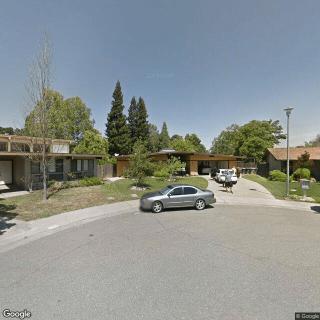

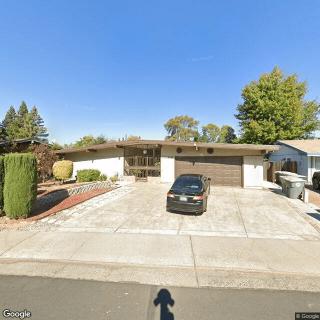
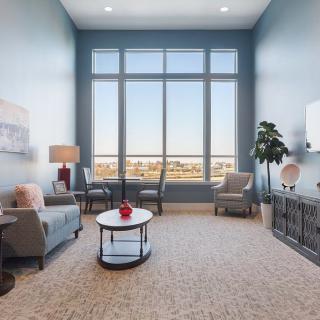
 Understanding the Distinctions: Assisted Living and Memory Care Explained
 How to Communicate with a Loved One Living with Dementia: 10 Supportive Strategies
 Comprehensive Guide to VA Nursing Homes: A Crucial Long-Term Care Resource for Veterans