

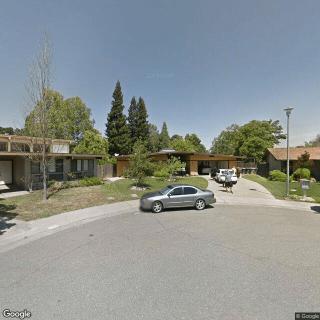
9578 2nd Ave, Elk Grove, CA 95624
To contact a resident: (916) 669-9430
For more information about senior living options: (866) 208-4318
Overall Review of Aging Assistant
Pros
 The service is excellent.
- Clients are satisfied with the agency across the board and pleased with the caregivers.
- The team is great, stays up to date with time logs, and makes homecare management enjoyable and helpful.
- They are a caring group of people, and staff address time-card issues immediately.
- The organization contacts referrals promptly, within two days.
- The organization is fantastic and timely in assisting with caregiving for family members.
- The assigned provider, E.S., was awesome.
- Clients immediately feel comfortable with the provider and the care she shows.
- The scheduler is excellent and attentive to client needs.
- It is a great place to work, with supportive staff and professional administrators.
- They are outstanding and very good.
Review
Aging Assistant in Elk Grove, CA is best suited for families who want reliable, in-home care coordinated by an attentive administrative team, with a clear emphasis on scheduling reliability and caregiver oversight. This community model excels when a loved one can stay at home but needs regular, hands-on support from trained caregivers, backed by time-keeping transparency, quick problem resolution, and a responsive coordinator. The reviews consistently point to a well-organized operation where care delivery feels professional and controllable, and where families gain practical peace of mind from timely communications, prompt referrals, and a caring staff that shows up prepared. For seniors who prize staying in familiar surroundings and appreciate a disciplined administrative backbone that keeps care on track, Aging Assistant stands out as a concrete, dependable choice.
That said, this approach is less ideal for families whose circumstances demand 24/7 facility-based supervision, a highly structured community setting, or specialized memory-care environments. The portfolio described in the reviews centers on homecare management and in-home providers, not on a campus with round-the-clock nursing or a built-in social program. Pricing visibility, long-term cost predictability, and details about coverage for high-acuity medical needs are not spelled out, so those with complex medical regimens or tight budget constraints should seek exact contracts and a transparent care plan. Alternatives to consider include traditional assisted living or memory-care communities that offer 24/7 staffing, secured environments, and specialized programming, particularly when social engagement and constant monitoring are critical or when a loved one’s medical profile evolves beyond what in-home care routinely covers.
The strongest pros weave directly into a practical, low-stress caregiving reality. Caregivers are praised not only for quality but for reliability and compatibility, and the administration earns trust by staying current with time logs and documentation. The ability to assign a caregiver quickly and to monitor timekeeping helps families avoid billing ambiguities and scheduling gaps, which is an often overlooked source of anxiety in homecare. Onboarding is described as swift, with referrals moving to actual care in a matter of days, a pace that minimizes downtime and keeps routines intact. When a concern arises, whether it is a time-card discrepancy, a shift adjustment, or a scheduling conflict, the staff addresses it promptly and decisively. Taken together, these operational strengths translate into steadier routines for the senior and far less day-to-day friction for family members who must juggle work, caregiving, and personal life.
Beyond that, the reviews emphasize a culture of attentiveness and professional stewardship. The presence of supportive administrators and a cohesive team atmosphere matters in practice because it reduces fragmentation: one provider can be trusted to show up, follow the plan, and collaborate with families and external medical providers. The staff’s responsiveness in coordinating care, coupled with positive testimonials about the specific caregivers assigned (including one who left a lasting impression for compassionate, attentive service), signals a level of continuity that can make the difference between sporadic help and dependable daily support. This combination of dependable scheduling, attentive caregivers, and proactive administration creates a dependable safety net, especially for families who need to balance multiple responsibilities while ensuring their loved one remains comfortable at home.
Yet caution is warranted. In-home care inherently introduces potential variability in caregiver availability and compatibility over time, and a highly positive experience in one case does not guarantee the same caregiver every week. While the consensus highlights strong onboarding and good administrative oversight, it is prudent to confirm backup coverage, caregiver rotation policies, and a clear escalation ladder for emergencies or shifts when a preferred caregiver is unavailable. Costs and coverage limits deserve explicit, written detail, because the strength of the team can be undermined by financial ambiguity or gaps in service when life events require sudden changes. The absence of explicit information about advanced medical services within the agency’s scope suggests a need to align expectations with a plan that includes collaborating clinicians or nursing support if the senior’s needs escalate.
For families weighing this option, the recommended course is deliberate and concrete. Start with a direct assessment of the senior’s daily routines, medical complexity, and social needs to determine whether a homecare-forward model truly fits, or if a facility-based environment would better promote safety, engagement, and predictable supervision. Prioritize meeting the scheduler and a few of the caregiving team, and request a written care plan that outlines caregiver assignments, backup coverage, and escalation procedures. Seek references that address continuity of care over time, not just initial impressions. If the objective is to maximize independence at home with a dependable administrative backbone, Aging Assistant offers a compelling, practical solution. If the goal shifts toward constant supervision, a built-in social milieu, or advanced in-house medical services, exploring alternatives is prudent.
 Sacramento International (23 miles away)





 Essential Knowledge on Pneumonia in Older Adults
 Exploring Palliative Care in the Home: A Comprehensive Overview
 Comprehensive Insights into Palliative Home Care: What It Is and What to Expect