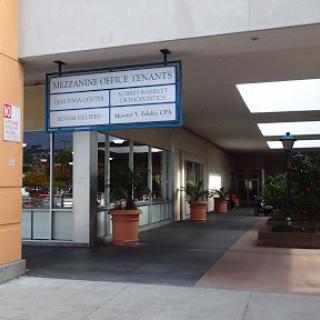


712 El Cerrito Plaza, El Cerrito, CA 94530
To contact a resident: (510) 524-6700
For more information about senior living options: (866) 208-4318
Overall Review of Senior Helpers - El Cerrito, CA
Pros
 The service provides clients with a new lease on life.
- Yessica is a wonderful helper.
- Flexible scheduling and staff who are nice and helpful.
- The office is friendly, with great communication and reliable support.
- The caregivers are consistently friendly, respectful, kind, and helpful.
- The one-hour Peace of Mind visits have been great for the patient and the family.
- Senior Helpers has made the client's life much easier.
- The office staff at Senior Helpers is extremely friendly, helpful, and competent.
Cons
 Caregivers demonstrated limited training in personal hygiene, patient mobility, medication handling, and overnight monitoring, leaving family members to step in.
- There were patient safety concerns, including a medication administration error and improper assistance with mobility.
- Overnight monitoring did not occur as required, compromising safety.
- Specific instructions about the mother’s physical limitations were ignored, resulting in a fall.
- Caregivers slept or used personal phones for extended periods during scheduled shifts.
- A management representative charged cash during a home visit that was supposed to be free, which was denied despite in-home camera documentation.
- Staffing reliability was inconsistent, with late arrivals, uncovered shifts, and limited continuity of care.
- Communication with management was difficult and unprofessional, with many questions left unanswered and a focus on billing rather than addressing training or safety concerns.
- The reviewer urges extreme caution when considering Senior Helpers for hospice-level or complex medical care.
Review
Senior Helpers - El Cerrito is best suited for families seeking dependable, in-home care with strong office coordination, flexible scheduling, and a reliable stream of caregivers for light to moderate support. It works well for those who want peace of mind through regular, shorter visits or long shifts staffed by trained aides, and for families who value a responsive office that can adjust caregiver assignments to match changing needs. The model rewards those who prioritize consistent communication, predictable scheduling, and a primary caregiver approach when possible, rather than patients requiring intensive, high-risk medical management in the home.
Proponents repeatedly highlight concrete strengths that can be decisive in day-to-day caregiving. The office is described as friendly, available, and reliable, with staff who listen and respond when a preferred caregiver isn’t a perfect fit. Families appreciate the capacity to arrange one-hour Peace of Mind visits, which provide meaningful relief for caregivers juggling other responsibilities. The service can deploy experienced CNAs for extended coverage, up to 12-hour shifts, and has demonstrated the ability to monitor oxygen flow, assist with feeding, and maintain comfort. In practice, when the care plan centers on steady presence, compassionate behavior, and practical support, Senior Helpers El Cerrito delivers noticeable value that reduces family stress and smooths everyday routines.
However, serious concerns surface around care for complex medical or hospice-level needs. A stark, multi-faceted critique describes caregivers with limited training in essential areas such as personal hygiene, mobility assistance, medication handling, and overnight monitoring. The reviewer cites a medication error, ignored physical limitations leading to a fall, improper mobility support, and caregivers using personal phones during shifts. Additional red flags include inconsistent staffing, late arrivals, uncovered shifts, and insufficient supervision, all of which erode trust and raise safety questions. Incidents of problematic management interactions, billing disputes, unaddressed safety issues, and unclear escalation pathways, compound the risk profile for families facing fragile medical conditions.
In assessing whether the positives offset the negatives, the answer depends on the patient’s needs and the tolerance for risk. For families where the primary goal is reliable companionship, light activities, meal support, and consistent check-ins, the strengths, responsive office staff, caregiver consistency where possible, and flexible scheduling, can be a decisive win. The ability to sustain 24/7 coverage with well-trained CNAs, when properly matched and supervised, has yielded meaningful relief for caregivers and impressive continuity in some cases. Yet when the patient requires precise clinical oversight, medication safety, and rigorous supervision, the gaps noted in training and incident response become hard to overlook and can diminish overall quality of care.
Those who should consider alternatives are families facing hospice-level or highly complex medical needs, or households with a history of safety concerns or staffing instability. For patients at high risk of medication errors, falls, or unmanaged symptoms, a provider with stronger RN oversight, stricter caregiver training protocols, and clearer escalation procedures is advisable. In such scenarios, exploring licensed home health agencies with registered nurses on staff, hospice-focused providers with verified end-of-life protocols, or facility-based care options with professional on-site nursing support can offer firmer guarantees of safety and accountability. Readiness to switch providers if safety concerns persist should be part of the plan rather than a last resort.
If Senior Helpers El Cerrito is chosen, approach the engagement with explicit safeguards. Insist on a documented training plan for hospice-appropriate tasks, a clear supervision and escalation framework, and a guaranteed primary caregiver with defined replacement procedures. Request detailed caregiver profiles, including certifications and prior experience with the patient’s condition, and ensure a written care plan that specifies responsibilities for mobility, medication handling, and overnight monitoring. Require transparent incident reporting and a timely response protocol for safety concerns, with contractual terms that allow immediate cessation of service if safety standards are not met. References from current clients who have faced similar medical complexities should be sought, and a formal trial period should be used to test whether the office can deliver consistent, high-quality supervision and caregiver performance.
Ultimately, Senior Helpers El Cerrito can be a strong choice for families seeking flexible, reliable in-home care focused on day-to-day quality of life, particularly when medical risk is moderate and supervision is robust. The agency’s genuine strengths, responsive, friendly offices; dependable caregiver matching when feasible; and practical, hands-on support, produce meaningful relief. But for anyone navigating terminal illness or complex medical needs, this option requires rigorous due diligence: confirm caregiver training for medical tasks, insist on tight supervision, and guarantee strong escalation protocols before committing. The decision hinges on balancing the comfort of consistent, compassionate care against the imperative of unwavering safety and clinical competency in high-stakes situations.
 Metropolitan Oakland International (14 miles away)




 A Detailed Exploration of Living Wills and Advance Directives
 Comprehensive Guide to Medicare Coverage for Hospice Care
 Caring for Those Who Care: Recognizing, Understanding, and Overcoming Caregiver Burnout