
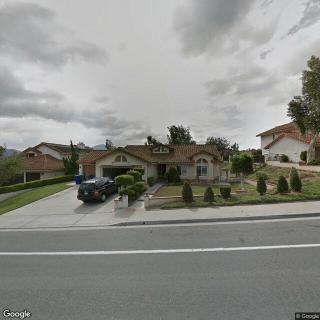
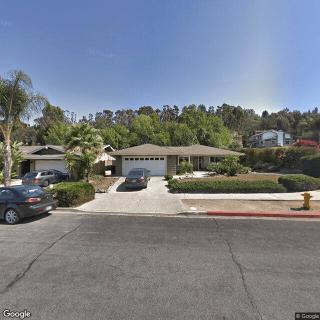
1515 Jamacha Way, El Cajon, CA 92019
For more information about senior living options: (866) 208-4318
Good Samaritan Retirement Home Costs & Pricing
Good Samaritan Retirement Home offers competitive pricing for its residents, especially when compared to the broader San Diego County and California averages. The cost for a semi-private room at Good Samaritan is $3,200 per month, significantly lower than the county's average of $3,518 and the statewide average of $3,333. For those seeking a studio accommodation, Good Samaritan's monthly fee of $3,500 remains more affordable than both the county's average of $4,217 and California's average of $4,145. These pricing structures not only reflect the home's commitment to providing quality care but also highlight its value in relation to regional costs, making it an appealing choice for families considering retirement living options.
| Floor plans | Good Samaritan Retirement Home | San Diego County | California |
|---|---|---|---|
| Semi-Private | $3,200 | $3,518 | $3,333 |
| Studio | $3,500 | $4,217 | $4,145 |
Skilled Nursing Facilities with a similar price nearby
-
from -$265 / mo

Wesley Palms
$2,935 to $6,320 / month18.1 miles away -
About the same

Veterans Home Chula Vista
$3,225 to $3,870 / month10.8 miles away -
from -$610 / mo

Grossmont Gardens
$2,590 to $3,945 / month5.9 miles away -
from -$505 / mo

Pacifica Senior Living Bonita
$2,695 to $3,095 / month10.2 miles away -
from -$200 / mo

Coronado Retirement Village
$3,000 to $8,000 / month14.7 miles away
Overall Review of Good Samaritan Retirement Home
Pros
 The staff regularly visit residents, greet them warmly, and ask how they are doing, showing a strong sense of community.
 - The care is excellent and prevents issues like rashes, with a clean facility and a wide variety of tasty, nutritious meals.
- The staff meet individual needs and are very caring and attentive, helping residents thrive.
- The facility is beautiful inside and out, with attentive staff who get to know the residents well and provide nutritious meals.
- A diverse range of daily activities and events keeps residents engaged in a safe, home-like environment.
- The living spaces are comfortable and well-maintained, with options such as private baths and in-unit amenities that feel like home.
Cons
 One reviewer called it the worst retirement center they had ever visited.
- Another reviewer felt that management had no idea what was going on and treated care as nothing more than a paycheck.
- They described a lack of staff, with only a few caregivers present and some residents left without assistance.
- They claimed there was favoritism among staff, with certain workers clearly favored over others.
- They criticized wages, noting that employee pay starts at minimum wage and should be higher.
- They said the price was out of their budget.
Review
Good Samaritan Retirement Home in El Cajon is best suited for families seeking a intimate, values-driven senior living option where residents receive steady, personal attention in a smaller, home-like setting. It works well for seniors who need regular care but do not want a sprawling campus, and for households that prize a calm, clean environment with predictable routines. The community’s tone is compassionate and steady, with a clear emphasis on reliable daily care, decent dining, and active engagement through a structured activities calendar. It also appeals to families who value a faith-informed atmosphere and a connected, easy-to-visit neighborhood feel close to home.
Those who may want to consider alternatives include families exploring higher-end amenities or larger campuses with more extensive medical programming, particularly for residents with complex memory needs or advanced specialized care. Budget-sensitive families may find the price point challenging, even as many residents appear to receive solid value from care and housekeeping. For wheelchair-dependent individuals or residents who require extensive mobility adaptations beyond the facility’s ambulatory-focused model, this community may not be the best fit. In such cases, exploring facilities with broader accessibility or memory-care wings can be a prudent move.
The strongest pro package here centers on defensible, person-centered care. Staff members are consistently described as attentive, courteous, and genuinely engaged with residents, with multiple accounts of caregivers who recognize individuals by name and respond promptly to needs. Cleanliness and a calm, well-maintained environment reinforce a sense of safety. Meals, planned by a chef, are repeatedly praised for their quality and nutrition, and residents enjoy a varied menu with daily social dining and themed activities. The small-to-mid-size footprint supports meaningful interaction, and the presence of a chapel and regular faith-based programming adds a reassuring layer for families seeking spiritual continuity. The apartment-style accommodations, private baths, climate control, and the option to furnish a unit, enhance independence within a supportive framework.
Yet, a critical appraisal of the cons cannot be ignored. Price remains a meaningful hurdle for some families, limiting access for otherwise qualified residents. Staffing dynamics occasionally surface as a concern, with one review highlighting perceived lack of attentiveness and management responsiveness. Such reports, while not universal, underscore the importance of firsthand observation during visits and frank conversations with administrators about staffing schedules, turnover, and quality assurance. Another potential friction point is the facility’s model that emphasizes ambulatory residents; non-ambulatory residents or those needing heavy mobility assistance may encounter constraints or require careful screening before admission. Finally, the facility’s modest size and straightforward aesthetic may feel less glamorous than newer or more opulent options, even as they help preserve a focused, homelike atmosphere.
For families evaluating a move, the practical path is to align the decision with care needs, budget, and personal priorities. If a loved one benefits from the close-knit staff-resident relationships, routine-driven days, accessible dining, and a serene, faith-oriented setting, Good Samaritan offers compelling value and peace of mind. Prospective residents should verify current staffing levels, ask to observe caregiver interactions during a meal or activity, and review the care plan process to ensure responsiveness to evolving needs. It is wise to confirm admission criteria, particularly mobility requirements, and to tour with an eye for room layout, noise levels, and the overall vibe of daily life.
In the end, Good Samaritan Retirement Home stands out as a strong choice for the right resident: a smaller, well-kept community where compassionate staff, solid meals, and meaningful activities combine with a respectful, home-like framework. For families prioritizing intimate, personalized care within a Catholic-nuns-led or faith-informed environment, and who can accommodate the price and the ambulatory-oriented model, this facility delivers tangible value and genuine reassurance. For those who require expansive medical services, broad accessibility, or budget flexibility beyond what this setting typically offers, exploring alternatives remains a prudent step.
 70 resident community capacity
 Studio apartments
 Assisted Living
 Memory Care
 Respite Care
 Skilled Nursing Facility
 Activities off-site
 Air-conditioning
 Beautician on-site
 Cable or satellite TV
 Computer center
 Devotional services off-site
 Dining room
 Fitness room
 Fully furnished
 Gaming room
 Garden
 Housekeeping services
 Indoor common areas
 Kitchenette
 Laundry
 Move-in coordination
 Outdoor common areas
 Party space
 Private bathrooms
 Restaurant-style dining
 Small library
 Swimming pool / hot tub
 Telephone
 Wellness center
 Wi-Fi/high-speed internet available
 San Diego International-Lindbergh (15 miles away)
 Community operated transportation
 12-16 hour nursing
 24-hour call system
 Ambulatory care
 Assistance with bathing
 Assistance with dressing
 Assistance with transfers
 Diabetes diet
 Diabetic care
 Hospice care
 Medication management
 Mental wellness program
 Special dietary restrictions
 Concierge services
 Planned day trips
 English



 Understanding Dementia Through Its Seven Stages: A Comprehensive Look at Progression and Expectations
 A Holistic Dementia Care Guide: Effective Strategies for Memory Support
 Memory Care Pathways: A Holistic Guide to Dementia Support