Westmont of Culver City (Coming Soon)

Save

  • Interior

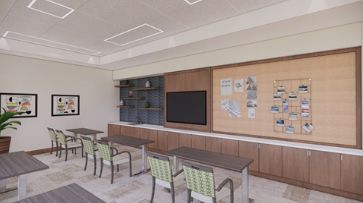
    A stylish home theater with comfortable seating and a large screen for viewing.
  • Decor

    Modern restaurant interior with dining area and bar.
  • Building

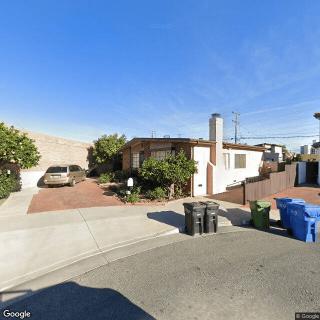
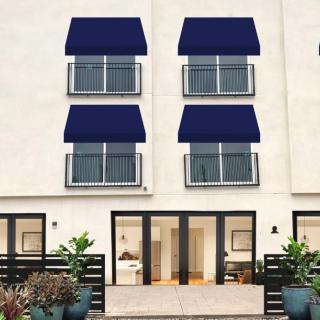
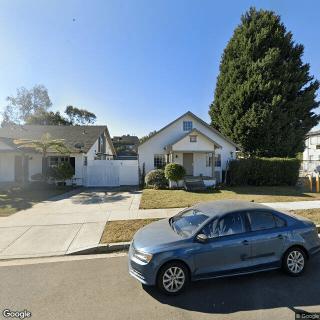
    A modern apartment complex with palm trees lining the street.
  • Windows

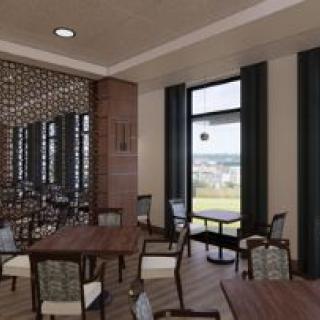
    A modern restaurant dining area with stylish furniture and large windows.
  • Seating Area

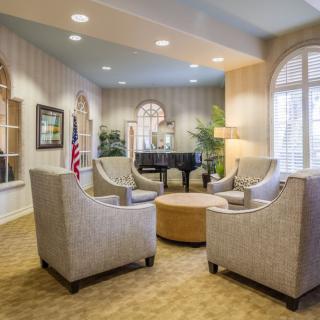
    A modern lobby featuring unique wooden wall art and contemporary lighting.
  • Salon

    A modern salon interior with stylish furniture and decor.

Westmont of Culver City (Coming Soon)

Information last verified:

11141 Washington Boulevard, Culver City, CA 90232

For more information about senior living options: (844) 490-3973

4.4 from 37 reviews
5 stars
29
4 stars
2
3 stars
2
2 stars
1
1 stars
3

Overall Review of Westmont of Culver City (Coming Soon)

Pros

  • pro Westmont of Culver City is a clean, beautiful facility with a warm, engaging staff.
  • pro Residents are welcoming and help new neighbors feel instantly comfortable and engaged.
  • pro The community supports social connection and reduces anxiety through daily activities.
  • pro Residents stay busy with activities that also improve their sleep at night.
  • pro The dining program offers varied daily menus and good meals.
  • pro Move-ins are smooth thanks to prompt, supportive communication from the team.
  • pro The building is beautiful, well-maintained, and has a luxurious feel.
  • pro Caregivers are warm, attentive, and show genuine TLC to each resident.
  • pro The community offers modern in-unit amenities (washer/dryer, full fridge, oven) and a range of care levels.
  • pro Executives and staff, including Dawn, Tatiana, and Rhiannon, are praised for compassionate leadership and support.

Cons

  • pro Despite the attractive exterior, the facility is described as rotten inside, with bad food, bad staff, and a weak work ethic.
  • pro A former employee described the memory care unit as horrible to work in, noting night-shift staff slept on duty and a caregiver mistreated residents.
  • pro Short-staffing and a high resident-to-caregiver ratio allegedly left residents waiting for basic needs and overburdened caregivers.
  • pro The Resident Services Director is criticized for a lack of urgency, accountability, and clear communication.
  • pro Dietary promises were not kept: finger foods and dairy-free options were not provided as promised.
  • pro A resident ended up in the hospital after living there for less than a week, raising concerns about monitoring and responsiveness.
  • pro There are calls to review security cameras due to alleged mistreatment by a worker.
  • pro The memory care unit was noted as still lacking a dedicated memory care coordinator.
  • pro Some reviewers advise choosing another facility due to perceived care quality concerns.

Review

Westmont of Culver City is best suited for seniors who want a vibrant, socially rich, modern living environment and for families seeking a smooth transition with visible warmth from staff. The community stacks independent living, assisted living, and memory care under one roof, which makes it attractive to couples or families where care needs may evolve. It is particularly well-suited for residents who thrive on daily activities, social connection, and the reassurance of on-site support as needs change. The new-build appeal, strong on-site amenities, and proactive move-in process create a compelling case for those who want a turnkey, engage-in-life experience rather than a clinical, solo-living arrangement. In short, this is a high-energy, hospitality-driven option for seniors who value community immersion and a visible staff presence guiding that immersion.

On the plus side, the ambience and care culture carry real weight. The building is pristine, with common spaces that feel bright and welcoming, and staff who are consistently described as warm, engaged, and responsive. Residents quickly form social bonds, activities are plentiful, and those connections translate into tangible improvements in mood and even sleep. Families note responsive communication during the decision period and a seamless transition once moving in. The housing stock itself contributes to the appeal: units feature in-home washers and dryers, full kitchens, and thoughtful layouts; the building offers a full slate of amenities, dining with daily specials, a theater, a fitness/therapy room, and a lively activity calendar with music, cards, trips, and themed events. The leadership and front-line teams are repeatedly praised, with executives and coordinators stepping in to support families and residents alike, and there is a clear structure for coordinating care across independent, assisted, and memory care levels.

Yet, the community experiences real friction points that families cannot ignore. Memory care, in particular, shows a split between thriving, well-supported experiences and accounts where staffing and coordination have fallen short. The strongest reviews highlight dedicated caregivers, coordinated activity, and consistent warmth from the care team; a few accounts, however, describe gaps, short-staffing, uneven responsiveness, and difficulties when information prior to move-in did not fully translate to day-to-day care. Food quality emerges as another mixed note: several reviews celebrate varied menus and high-quality dining, while others report disappointing meals. A recurring theme is the need for robust, in-place memory care coordination, some reviewers indicate a memory care leader was not yet in position, or that the unit is still maturing. The strongest con for families is the variability in day-to-day experiences, which means outcomes can depend heavily on which staff members are present and which shift is coordinating care.

Because the experience is not uniform across all days and units, prospective residents should consider alternatives if price sensitivity, iron-clad memory care governance, or long-term consistency are top priorities. For families on a strict budget, the “monthly rent plus care fee” model at Westmont may be harder to predict than a simpler, all-inclusive option elsewhere. If the priority is a proven, highly specialized memory care program with a dedicated director in place, or if worry about evening and overnight staffing reliability is paramount, comparing with longer-established memory care-focused communities could be wise. Also, for those who favor a quieter, less bustling environment or a smaller campus, a more intimate, understated setting might feel more comfortable. The brand-new status is a strength, but it also signals that some programs, particularly memory care coordination and long-term, consistent staffing patterns, are still maturing.

To navigate a decision, focus on a few concrete steps. First, verify the memory care operation: who is in charge, what is the staffing ratio per shift, and how are care plans communicated to caregivers who work night and day? Schedule conversations with the executive director and several care managers, and request candid feedback from current memory care families about responsiveness and critical incident handling. Second, experience the dining and daily rhythm during a revisit, sample the menu, observe service flow, and speak with residents privately about meal quality and dining flexibility. Third, test the move-in process again: what did the paperwork entail, and has the team since streamlined any onboarding hurdles? Fourth, assess the all-inclusive package: what utilities, services, and extras are truly bundled, and how could future price changes affect budgeting? Finally, verify the consistency of staffing across shifts, and if possible, arrange a temporary interaction with residents and their families to gauge real-world daytime and evening care quality.

In the end, Westmont of Culver City earns a practical, favorable recommendation for families prioritizing social vitality, modern amenities, and a community-oriented culture. It excels for residents who want a polished, hospitality-driven environment, with active programs and visible, caring staff supporting day-to-day life. The brand-new campus, strong leadership, and integrated care options create a compelling top-tier option in Culver City. However, the decision should be tempered by a realistic appraisal of memory care coordination quality and the variability in day-to-day experiences reported by some families. If budget alignment and a consistently proven memory care program are non-negotiable, compare closely with other communities that deliver those elements with a longer track record. For families who can tolerate some variability while valuing a lively, connected lifestyle and ready access to on-site care, Westmont presents a well-structured, well-supported path to a satisfying next chapter. Schedule a tour, engage the leaders, and walk through several resident rooms and common areas to confirm that the balance of pros and cons aligns with the specific needs and expectations of the loved one.

Features

Types of Care

  • Assisted Living Assisted LivingAssisted living facilities provide crucial support and care for seniors who may need help with daily tasks such as medication management, bathing, and meal preparation. These communities offer a safe and comfortable environment where seniors can maintain their independence while receiving the assistance they need to thrive in their golden years.
  • Independent Living Independent LivingIndependent living communities are important for seniors because they offer a safe and supportive environment where older adults can live independently while still having access to amenities and services that enhance their quality of life. These communities provide social opportunities, recreational activities, and assistance with daily tasks, promoting overall well-being and allowing seniors to maintain their independence for as long as possible.
  • Memory Care Memory CareMemory care is crucial for seniors as it provides specialized support and services for individuals with dementia or Alzheimer's disease. These programs offer a safe and secure environment where residents receive personalized care, cognitive stimulation, and help with daily activities. Memory care helps seniors maintain their independence, quality of life, and dignity while also providing peace of mind for their families.

Amenities

  • Air-conditioning Air-conditioningAir conditioning is important for seniors as they are more vulnerable to heat-related illnesses and may have underlying health conditions that make it difficult for them to regulate their body temperature. It helps to keep them comfortable, safe, and healthy in hot weather.
  • Beauty salon Beauty salonBeauty salons are important for seniors because they provide a space for them to feel pampered, socialize, and maintain their personal grooming and hygiene. Regular visits to a beauty salon can help boost seniors' self-esteem and overall well-being.
  • Cable or satellite TV Cable or satellite TVCable or satellite TV is important for seniors because it provides entertainment, news, and companionship, helping to combat loneliness and boredom. It also offers a wide range of programming options tailored to different interests and preferences.
  • Computer center Computer centerA computer center is essential for seniors as it provides access to technology, communication tools, and resources that can enhance their daily lives. It allows them to stay connected with loved ones, engage in online activities, and learn new skills, ultimately promoting socialization and mental stimulation.
  • Continuing learning programs Continuing learning programsContinuing learning programs are important for seniors to keep their minds active, maintain cognitive function, and prevent mental decline. These programs also provide social interaction, a sense of purpose, and opportunities for personal growth and fulfillment in their later years.
  • Fitness room Fitness roomHaving a fitness room in a senior living community is essential for seniors to stay active, maintain their physical health, and improve their overall well-being. Regular exercise can help prevent falls, reduce the risk of chronic diseases, and promote mental sharpness. It also provides social opportunities for residents to connect with others and enjoy a sense of community.
  • Fully furnished Fully furnishedFully furnished senior living communities are important for seniors because they provide convenience, comfort, and a hassle-free moving experience. Seniors can easily settle into their new living space without the stress of having to buy and move furniture. This allows them to focus on enjoying their new home and community.
  • Gaming room Gaming roomGaming rooms are important for seniors as they provide a fun and engaging environment for socializing, cognitive stimulation, and physical activity. Games can improve memory, problem-solving skills, and overall mental well-being while fostering friendships and reducing feelings of isolation.
  • Garden GardenGardens are important for seniors as they provide a peaceful and therapeutic environment for relaxation, physical activity, and socialization. Being in nature has been shown to reduce stress, improve mood, and promote overall well-being. Gardens also offer opportunities for seniors to engage in gardening activities, which can improve mobility, flexibility, and cognitive function. Additionally, gardens create a sense of community and connection with others who share a passion for plants and outdoor spaces.
  • Housekeeping services Housekeeping servicesHousekeeping services are important for seniors because they help maintain a clean and safe living environment, promote independence, and reduce the risk of accidents or illnesses. Additionally, having assistance with household chores can alleviate physical strain and allow seniors to focus on other aspects of their well-being.
  • Kitchenette KitchenetteKitchenettes are important for seniors living in senior living communities because they provide the convenience and independence of being able to prepare simple meals and snacks in the comfort of their own living space. This can help promote a sense of autonomy and well-being for seniors, allowing them to maintain some level of control over their dietary choices and daily routines.
  • Move-in coordination Move-in coordinationMove-in coordination is important for seniors because it helps ease the transition into their new living environment. It ensures that all logistics, such as packing, organizing movers, and setting up utilities are taken care of, allowing seniors to focus on settling in and adjusting to their new home. Having a smooth move-in process can alleviate stress and anxiety, making the transition smoother and more enjoyable for seniors.
  • Outdoor space Outdoor spaceOutdoor spaces are important for seniors as they provide opportunities for physical activity, social interaction, exposure to natural light and fresh air, and a sense of connection to nature. Having access to outdoor spaces can improve overall well-being and quality of life for older adults living in senior communities.
  • Pet friendly Pet friendly"Pet friendly" senior living communities are important for seniors because pets provide companionship, reduce feelings of loneliness and depression, promote physical activity and mental stimulation, and offer a sense of purpose and responsibility. Pets can improve overall well-being and quality of life for seniors in many ways.
  • Private bathrooms Private bathroomsPrivate bathrooms are important for seniors in senior living communities because they provide independence, dignity, and comfort. Having a private bathroom allows seniors to maintain their personal hygiene routines without the need for assistance, promoting a sense of autonomy and privacy. Additionally, private bathrooms help prevent the spread of infections and provide a safe and clean environment for seniors to navigate safely.
  • Restaurant-style dining Restaurant-style diningRestaurant-style dining is important for seniors because it allows them to enjoy delicious, nutritious meals in a social and upscale setting. This enhances their dining experience, promotes healthy eating habits, and fosters socialization with fellow residents, ultimately contributing to their overall well-being and quality of life.
  • Small library Small librarySmall libraries are important for seniors as they provide access to a variety of reading materials, including books, newspapers, and magazines. This can help stimulate their minds, keep them engaged, and provide a sense of community through book clubs and other social activities. Additionally, reading has been shown to improve cognitive function and overall mental well-being in older adults.
  • Swimming pool Swimming poolSwimming pools are important for seniors as they provide a low-impact form of exercise that can improve cardiovascular health, increase muscle strength and flexibility, and help maintain mental well-being. Additionally, swimming can relieve joint pain and stiffness associated with conditions such as arthritis, making it an ideal activity for older adults looking to stay active and healthy.
  • Telephone TelephoneTelephones are important for seniors as they provide a lifeline for communication with loved ones, emergency services, and healthcare providers. They offer a sense of security and independence, enabling seniors to stay connected and access assistance when needed.
  • Wellness center Wellness centerWellness centers are important for seniors because they offer a variety of programs and services that promote physical, mental, and emotional well-being. These centers provide opportunities for exercise, socialization, education, and relaxation, helping seniors maintain their overall health and quality of life.
  • Wi-Fi/high-speed internet available Wi-Fi/high-speed internet availableWi-Fi/high-speed internet is important for seniors to stay connected with loved ones, access online resources, and participate in virtual activities to combat feelings of loneliness and isolation. It also allows them to easily manage healthcare needs, access entertainment, and engage in lifelong learning opportunities.

Transportation

  • Los Angeles International (5 miles away) Los Angeles International (5 miles away)
  • Burbank-Glendale-Pasadena (14 miles away) Burbank-Glendale-Pasadena (14 miles away)
  • Long Beach (Daugherty) (20 miles away) Long Beach (Daugherty) (20 miles away)
  • Community operated transportation Community operated transportationCommunity operated transportation is crucial for seniors as it provides them with the means to access essential services, social activities, and medical appointments. It allows seniors to maintain their independence and quality of life by ensuring they can participate in activities outside of their homes. Additionally, community-operated transportation services offer a safe and reliable way for seniors to travel without having to rely on family or friends for assistance.
  • Transportation arrangement Transportation arrangementTransportation arrangements are crucial for seniors as they may face challenges with driving, mobility, or access to public transportation. Having reliable transportation services ensures that seniors can easily attend appointments, social activities, and maintain their independence and quality of life.
  • Transportation arrangement (non-medical) Transportation arrangement (non-medical)Transportation arrangements are essential for seniors as they provide access to essential services, activities, and social interactions outside the home. This service helps maintain independence, mobility, and overall well-being for seniors who may have limited transportation options.

Care Services

  • 24-hour call system 24-hour call system24-hour call systems are important for seniors because they provide peace of mind and immediate assistance in case of emergencies. This technology ensures that help is always available, promoting safety and security for elderly individuals living alone or in assisted living facilities.
  • 24-hour supervision 24-hour supervision24-hour supervision is important for seniors to ensure their safety, well-being, and access to immediate assistance in case of emergencies or health issues. This constant support provides peace of mind for both seniors and their loved ones, allowing them to age in place with dignity and security.
  • Activities of daily living assistance Activities of daily living assistanceActivities of daily living assistance are important for seniors because they provide essential support with tasks such as eating, bathing, dressing, and mobility. This assistance helps seniors maintain their independence, dignity, and overall quality of life as they age.
  • Assistance with bathing Assistance with bathingAssistance with bathing is crucial for seniors as it helps maintain personal hygiene, prevents infections, and ensures their overall well-being and comfort. It also provides a sense of dignity and independence for seniors who may struggle with this task on their own.
  • Assistance with dressing Assistance with dressingAssistance with dressing is important for seniors because it helps maintain their independence, promotes personal hygiene, prevents accidents and injuries, and improves overall quality of life. This service ensures that seniors can continue to dress comfortably and confidently, despite any physical limitations they may have.
  • Assistance with transfers Assistance with transfersAssistance with transfers is crucial for seniors as it helps prevent falls and injuries, maintains their independence, and ensures they can safely navigate their living environment. It also provides peace of mind for both seniors and their loved ones.
  • Diabetes diet Diabetes dietA diabetes diet is crucial for seniors as it helps manage blood sugar levels, reduce risks of complications, and improve overall health and well-being. By following a balanced and nutritious diet tailored to their specific needs, seniors can better control their diabetes and enhance their quality of life.
  • Meal preparation and service Meal preparation and serviceMeal preparation and service are crucial for seniors as they may have limited mobility or energy to cook nutritious meals. Having access to healthy and convenient food options can ensure they are getting the proper nutrition needed to maintain their overall health and well-being.
  • Medication management Medication managementMedication management is crucial for seniors to ensure they are taking the right medications at the correct dosages and times. This helps prevent adverse drug interactions, reduces the risk of medication errors, and promotes overall health and well-being. Proactive management also allows for adjustments as needed based on changing health conditions or new prescriptions.
  • Mental wellness program Mental wellness programMental wellness programs are essential for seniors as they promote cognitive stimulation, emotional support, and social engagement. These programs help prevent isolation, depression, and cognitive decline, ultimately enhancing the overall quality of life for older adults.
  • Mild cognitive impairment Mild cognitive impairment"Mild cognitive impairment" is important for seniors because it is an early stage of cognitive decline that can potentially progress to more severe conditions such as dementia. Recognizing and addressing mild cognitive impairment can help seniors receive appropriate care and support to maintain their quality of life and independence for as long as possible.
  • Special dietary restrictions Special dietary restrictionsSpecial dietary restrictions are important for seniors because age-related changes in metabolism and health conditions can make it difficult for their bodies to process certain foods. By following a diet tailored to their specific needs, seniors can maintain their overall health and well-being, manage chronic conditions, and reduce the risk of complications such as malnutrition or food interactions with medications.
  • Specialized memory care programming Specialized memory care programmingSpecialized memory care programming is crucial for seniors with cognitive impairments such as dementia or Alzheimer's disease. These programs provide a safe and supportive environment tailored to the unique needs of individuals with memory loss, helping them maintain their independence, dignity, and quality of life.

Dining

  • Diabetes diet Diabetes dietA diabetes diet is crucial for seniors as it helps manage blood sugar levels, reduce risks of complications, and improve overall health and well-being. By following a balanced and nutritious diet tailored to their specific needs, seniors can better control their diabetes and enhance their quality of life.
  • Special dietary restrictions Special dietary restrictionsSpecial dietary restrictions are important for seniors because age-related changes in metabolism and health conditions can make it difficult for their bodies to process certain foods. By following a diet tailored to their specific needs, seniors can maintain their overall health and well-being, manage chronic conditions, and reduce the risk of complications such as malnutrition or food interactions with medications.

Activities

  • Community-sponsored activities Community-sponsored activitiesCommunity-sponsored activities are important for seniors as they provide opportunities for social interaction, mental stimulation, and physical activity. These activities can help improve overall well-being, combat loneliness and isolation, and promote a sense of belonging and purpose among older adults.
  • Concierge services Concierge servicesConcierge services are essential for seniors as they provide assistance with daily tasks and errands, enhance their quality of life by offering convenience and personalized care, and promote a sense of safety and security.
  • Fitness programs Fitness programsFitness programs are crucial for seniors as they help improve strength, flexibility, balance, and overall well-being. Staying active can reduce the risk of chronic diseases, improve mental health, and enhance quality of life in older adults.
  • Planned day trips Planned day tripsPlanned day trips are important for seniors because they offer opportunities for socialization, mental stimulation, and physical activity. They provide a change of scenery and help seniors stay engaged and connected to their community, promoting overall well-being and quality of life.
  • Resident-run activities Resident-run activitiesResident-run activities are important for seniors as they encourage social interaction, creativity, and a sense of autonomy. These activities empower seniors to stay engaged and active in their community while fostering meaningful connections with their peers.
  • Scheduled daily activities Scheduled daily activitiesScheduled daily activities are important for seniors because they provide structure, socialization, mental stimulation, and physical activity. Engaging in regular activities can improve overall well-being and quality of life for seniors living in a community setting.

Description

Westmont of Culver City is a brand new assisted living community coming soon to Culver City, CA. We offer a range of care services including independent living and memory care for seniors in need of additional support. Our community provides a comfortable and welcoming environment where residents can enjoy their golden years.

Residents at Westmont of Culver City will have access to a wide array of amenities designed to enhance their quality of life. Our beauty salon ensures that residents always look and feel their best, while our cable or satellite TV keeps them entertained. Community-operated transportation is available for errands and outings, and our computer center allows residents to stay connected with loved ones. Continuing learning programs provide educational opportunities, and our fitness room promotes physical well-being. All accommodations are fully furnished for convenience, and housekeeping services are provided.

Our outdoor spaces, including a garden and swimming pool, allow residents to enjoy the beautiful California weather. We understand the importance of pets in seniors' lives, which is why we are pet-friendly. Each resident has a private bathroom for their comfort and convenience. Restaurant-style dining offers delicious meals prepared by our culinary team, accommodating special dietary restrictions.

Care is at the heart of our community at Westmont of Culver City. Our dedicated staff provides 24-hour supervision and assistance with activities of daily living such as bathing, dressing, and transfers. We also offer specialized memory care programming for those with Alzheimer's or other forms of dementia. Medication management ensures that residents receive the right medications at the right time, while our mental wellness program focuses on promoting emotional well-being.

Residents can look forward to a vibrant social life through our concierge services, resident-run activities, fitness programs, planned day trips, and scheduled daily activities. Nearby cafes, parks, pharmacies, physicians' offices, restaurants, transportation options make it convenient for residents to access essential services and engage in the local community.

At Westmont of Culver City, we strive to create a warm and supportive environment for seniors. We invite you to join our community and experience the comfort and care we provide.

Nearby Places of Interest

Places of Worship

  • King Fahad Mosque (0.2 miles)

Pharmacies

  • Rite Aid (0.7 miles)
  • Rite Aid (1.2 miles)
  • CVS Pharmacy (1.2 miles)
  • CVS Pharmacy (1.5 miles)
  • CVS Pharmacy (1.8 miles)
  • CVS Pharmacy (2.2 miles)
  • CVS Pharmacy (2.2 miles)

Physicians

  • Kaiser Permanente Culver Marina Medical Offices (1 miles)
  • UCLA Stein Eye Institute Westwood (4.3 miles)

Cafes

  • Go Get Em Tiger (1.2 miles)
  • Chocolate Bash (2.4 miles)
  • Starbucks (2.5 miles)
  • Starbucks (3 miles)
  • Intelligentsia Coffee (3.4 miles)
  • Gjusta (3.7 miles)
  • Great White (3.7 miles)

Restaurants

  • In-N-Out Burger (1.6 miles)
  • Chick-Fil-A (1.7 miles)
  • In-N-Out Burger (2.3 miles)
  • The Apple Pan (2.4 miles)
  • Superba Food + Bread (2.7 miles)
  • Chick-Fil-A (2.8 miles)
  • The Brig (3.2 miles)

Parks

  • Bluff Creek Fields Dog Park (2.3 miles)
  • Penmar Recreation Center (2.5 miles)
  • Kenneth Hahn State Recreational Area (2.5 miles)
  • Burton Chace Park (2.9 miles)
  • Roxbury Memorial Park (3.4 miles)
  • Westwood Park (3.7 miles)
  • South Beach Park (4.1 miles)

Theaters

  • Cinemark 18 and XD (2.4 miles)
  • AMC Century City 15 (3.4 miles)

Hospitals

  • Kaiser Permanente West Los Angeles Medical Center (3 miles)
  • Santa Monica - UCLA Medical Center & Orthopaedic Hospital (4.4 miles)

Transportation

  • UBER Rideshare Staging Lot (4.1 miles)
  • Hertz Rent A Car (4.1 miles)
  • SIXT rent a car (4.1 miles)
  • Avis Rent A Car (4.2 miles)
  • National Car Rental (4.2 miles)
  • Delta Sky Club (4.3 miles)
  • Terminal 2 (4.4 miles)

Frequently Asked Questions

Where is Westmont of Culver City (Coming Soon)?
Does Westmont of Culver City (Coming Soon) provide care for residents with dementia or Alzheimer's disease?
What photos are available for Westmont of Culver City (Coming Soon) in Culver City, California?

Nearby Communities

  • Ana's Elderly Care Home

    Ana's Elderly Care Home

    Culver City, CA

    4 from 1 review
    $2,500 to $3,500 / month

    pro Small, home-like setting with personalized care and affordable room options.

  • Terraza Court Senior Living

    Terraza Court Senior Living

    Culver City, CA

    4.1 from 77 reviews
    $2,695 to $3,495 / month

    pro Clean, welcoming environment with friendly staff and engaging activities.

  • Casa Del Sol Residence

    Casa Del Sol Residence

    Los Angeles, CA

    4.3 from 6 reviews
    $3,500 / month

    pro Affordable private room with comprehensive care and amenities.

  • Casa Del Sol II Residence

    Casa Del Sol II Residence

    Los Angeles, CA


    pro Small, personalized board-and-care with diabetes-focused meals, daily assistance, housekeeping, and coordinated transport.

  • Sawtelle One

    Sawtelle One

    Los Angeles, CA


    pro Small, intimate community with comprehensive care and meals.

  • Casa Del Mar III - Residential Board and Care

    Casa Del Mar III - Residential Board and Care

    Los Angeles, CA

    4.6 from 9 reviews
    $3,900 to $8,820 / month

    pro Specializes in memory care with 24/7 staff and personalized daily support.

  • Studio Royale

    Studio Royale

    Culver City, CA

    4.1 from 66 reviews
    $2,225 to $3,895 / month

    pro Bright, apartment-style rooms with attentive staff and engaging activities.

  • Palm Court

    Palm Court

    Culver City, CA

    4.1 from 31 reviews
    $5,845 to $7,940 / month

    pro Friendly, attentive staff with long-tenured team and rich activities/amenities.

  • Vista Del Sol Care Center

    Vista Del Sol Care Center

    Los Angeles, CA

    4.5 from 14 reviews
    $4,895 / month

    pro Compassionate staff, clean environment, and strong family communication.

Related Resources

  • reminiscence therapyExploring the Power of Reminiscence Therapy for Individuals With Dementia

    Reminiscence therapy helps individuals with dementia recall past memories through structured discussions and meaningful objects, enhancing mood, relationships, and sense of identity while celebrating their lives. It can be practiced in formal settings or at home, requiring sensitivity to personal histories and cultural backgrounds.

  • reminiscence therapyAn In-Depth Look at Reminiscence Therapy in Dementia Care

    Reminiscence therapy is a structured method for older adults, especially those with dementia, to share life stories using prompts and sensory cues, fostering emotional well-being, social engagement, and self-identity. It aims to improve quality of life by enhancing interpersonal connections and cognitive stimulation while requiring careful facilitation to avoid distressing memories.

  • dementia hallucinationsDementia-Related Hallucinations: Causes, Experiences, and Practical Approaches


    Dementia, particularly Lewy body dementia, often involves hallucinations that can significantly distress both patients and caregivers due to disruptions in sensory processing and neurotransmitter imbalances. Effective management includes compassionate communication, environmental adjustments, and a multidisciplinary approach to care while addressing the emotional needs of caregivers.