
837 North Sunflower Avenue, Covina, CA 91724
For more information about senior living options: (866) 208-4318

Overall Review of St Elizabeth's Home For The Elderly II
Pros
 Inspired Elderly Care Living is described as clean, spacious, and immaculate with a welcoming home environment.
- The staff are compassionate, respectful, and consistently attentive to each resident’s needs.
- The owners, Brad and Laurie, are praised for being caring, responsive, and dedicated to high-quality care.
- Families feel that residents are treated like family and receive individualized, dignified care.
- The care team engages residents with conversations, activities, and meaningful mental stimulation.
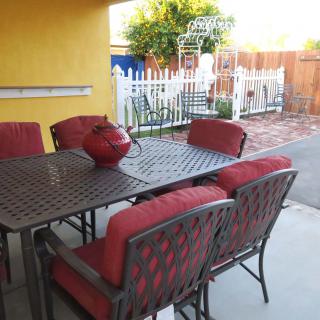
- The facility offers a large, beautiful backyard and accessible outdoor spaces that residents enjoy.
- Families report that the care provided leads to improved quality of life and happiness for their loved ones.
Cons
 The staff served him a sandwich with only one piece of meat and no lettuce, tomato, mustard, or mayonnaise.
- The meals were not nutritious.
- There were two broken recliner chairs propped up with five-gallon buckets to keep the foot rests up.
- The staff promised to email a log of what was served weekly but never sent it.
Review
St Elizabeth's Home For The Elderly II in Covina is best suited for families who prize a warm, intimate, home-like setting where caregiving is deeply personalized and relationship-driven. The reviews consistently describe a place where owners and staff treat residents as family, with attentive, respectful care that feels custom-tailored rather than one-size-fits-all. It shines for residents who are wheelchair-bound or nonverbal, where caregivers learn individual preferences and engage residents in meaningful conversation and activities. Families report strong daily engagement, visible dedication from the proprietors, and a welcoming atmosphere that makes visits feel like coming to a trusted relative’s home. The large backyard, clean rooms, and a visibly compassionate culture further anchor its appeal to those who value accessibility, dignity, and a sense of belonging.
Anyone weighing this option against a more clinical or institutional setting may want to consider alternatives. The strongest caveat arises for families whose priorities center on stringent medical oversight, highly structured dining programs, or a formalized, hospital-style care model. One reviewer noted meals that did not meet expectations in variety or nutrition, and another highlighted the absence of a timely meal log despite requests for it. For or residents with complex medical needs that demand constant RN presence, stricter clinical protocols, or highly regimented dietary management, a larger, more medicalized facility could be a better fit. In short, if medical intensity and dietary standardization are non-negotiable, this community may not be the optimal match.
The main advantages, the staff’s compassion, accessibility, and consistent attentiveness, largely offset the limitations observed in menu logistics and occasional equipment glitches. Caregivers are described as thorough, patient, and genuinely invested in each resident’s well-being, with owners who stay involved, ensuring proper staffing and resource allocation. The family-like culture is reinforced by staff members who remember residents by name, celebrate milestones, and adapt routines to individual needs. The setting itself, clean, spacious, and with a big outdoor area, supports mobility, outdoor activity, and social interaction, all of which appear to contribute to better mood, engagement, and perceived quality of life for residents. The cultural sensitivity noted by families, including care staff who speak languages that resonate with some residents, enhances trust and comfort, allowing for smoother daily routines and more meaningful conversations.
However, the specific cons identified do matter and should be weighed against personal priorities. Menu quality and dietary transparency emerged as the clearest potential drawbacks, signaling a need for proactive, detailed conversations about nutritional planning and reporting. Prospective families should request sample menus, ask for a clear dining cadence, and insist on regular, documented updates about meals. Equipment reliability, such as seating and related comfort devices, also warrants verification; ensuring that chairs, footrests, and other aids are consistently maintained can prevent avoidable discomfort. Finally, while the setting supports large family gatherings and social events, it’s prudent to confirm how indoor spaces are used during peak activity times to avoid disrupting other residents.
Practical steps for families evaluating this community are straightforward and actionable. Schedule a tour during active hours to observe interactions between staff and residents, and ask to meet caregivers who would be assigned to the loved one. Request recent menus, nutritional guidelines, and a clear explanation of how dietary preferences and restrictions are accommodated. Inquire about staffing ratios, training, and language capabilities to support personalized communication. Inspect the outdoor spaces and secure, accessible pathways, then verify room options and what’s included in the monthly cost. Ask for references from families with residents at similar care levels and demand a transparent discussion of costs, services included, and any potential add-ons or hospice arrangements.
In sum, St Elizabeth's Home For The Elderly II represents a compelling option for families seeking a caring, family-centered home where residents are known by name, actively engaged, and treated with dignity. Its strengths, empathetic staff, close proprietor involvement, a welcoming, tidy environment, and ample outdoor space, create a potent foundation for a high-quality, home-like living experience. For residents who thrive on personal attention and social connection, and for families who value ongoing involvement and flexible, responsive care, this is a standout choice. Those whose priority list prioritizes clinical intensity, formal dining programs, or rigorous medical oversight should explore alternatives to ensure alignment with expectations and needs. When aligned with its strengths, the community stands out as a sensible, supportive option for a loved one’s next chapter.
 6 resident community capacity
 Assisted Living
 Board and Care Home
 Cable or satellite TV
 Dining room
 Fully furnished
 Garden
 Housekeeping services
 Move-in coordination
 Outdoor space
 Telephone
 Wi-Fi/high-speed internet available
 Ontario International (14 miles away)
 24-hour supervision
 Activities of daily living assistance
 Assistance with bathing
 Assistance with dressing
 Assistance with transfers
 Diabetes diet
 Meal preparation and service
 Medication management
 Special dietary restrictions
 Transportation arrangement (medical)
 Transportation to doctors appointments





 A Detailed Exploration of Assisted Living Medicaid Waivers Across the United States
 Comprehensive Residential Support and Assisted Living Solutions for Individuals with Disabilities
 Comprehensive Supportive Living Arrangements for Adults with Disabilities