

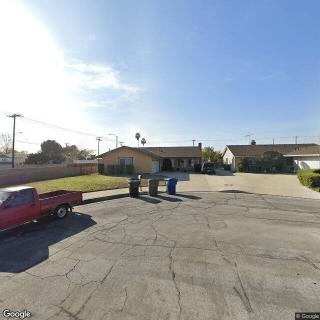
837 N Sunflower, Covina, CA 91724
To contact a resident: (626) 222-9142
For more information about senior living options: (866) 208-4318
St. Paul's Home for the Elderly 2 Costs & Pricing
St. Paul's Home for the Elderly 2 offers competitive pricing for its services compared to both Los Angeles County and the broader state of California. For semi-private rooms, St. Paul's charges $2,500 per month, which is significantly lower than the county's average of $3,349 and slightly below the state average of $3,333. Similarly, private rooms at St. Paul's are priced at $3,000 per month, again presenting a more affordable option in contrast to Los Angeles County's average of $4,197 and California's $3,939. This favorable pricing structure positions St. Paul's as an attractive choice for families seeking quality elder care without incurring excessive costs.
| Floor plans | St. Paul's Home for the Elderly 2 | Los Angeles County | California |
|---|---|---|---|
| Semi-Private | $2,500 | $3,349 | $3,333 |
| Private | $3,000 | $4,197 | $3,939 |
Senior living communities with a similar price nearby
-
from +$125 / mo

Berryman Health Inc
$2,625 to $3,050 / month17.9 miles away -
from +$300 / mo
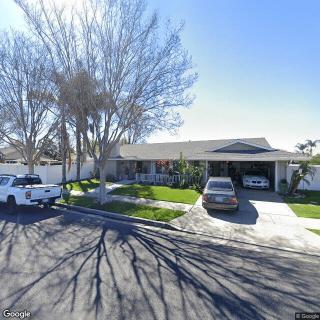
Candlewood Care Home III
$2,800 to $3,400 / month24.6 miles away -
from -$200 / mo
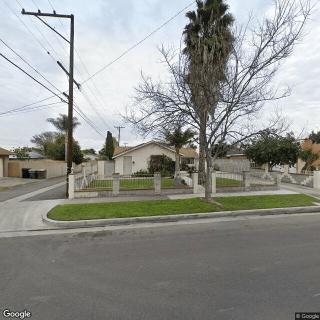
Bronwyn Residential Care
$2,300 to $3,500 / month20.4 miles away -
About the same
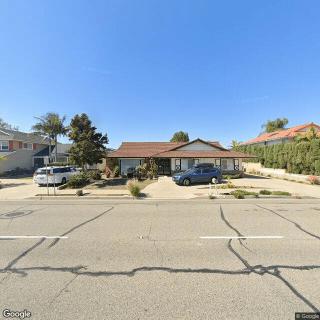
Madison Home Care 2
$2,500 to $2,800 / month22.1 miles away -
from +$200 / mo

The Golden Years Guest Home
$2,700 to $3,500 / month23.9 miles away
Overall Review of St. Paul's Home for the Elderly 2
Pros
 Ilene is a spectacular person and an excellent physical therapist who helped the patient walk again and relieve a tremendous amount of pain in two visits.
- Nick Price is punctual, professional, and has provided excellent care during shoulder surgery recovery.
- The team at Assisted Home Health and Hospice has taken incredible care of the family.
- Nurses Shannon and Olga have become like family and provide outstanding care.
- Supervisor Magaly is proactive and ensures clients have everything they need each month.
- Esmeralda’s firm and friendly encouragement prompted immediate hospital evaluation, potentially saving a life.
- Susan Bisban delivers thorough, professional home health care with prompt responses.
- Nurse Jameson demonstrates kindness and devotion, helping the patient recover.
- Physical Therapist Carol shows outstanding skills and patience, helping the patient sit and walk again.
- Social Worker Ana did an extraordinary job.
Cons
 The office staff are a joke.
- They misplaced paperwork and didn’t care to even try to figure things out after being contacted.
- They only offered to send someone out on the last day.
Review
St. Paul’s Home for the Elderly 2 in Covina is best suited for seniors who need robust, on-site clinical care and rehabilitation support, delivered by a dependable team of nurses, physical therapists, and social workers. The strongest value comes from hands-on treatment that can rebuild mobility, reduce pain, and stabilize health after surgeries or declines. Families will find this setting especially appropriate when a resident requires regular therapy, proactive medical oversight, and a care plan that is executed with bedside attentiveness. The facility shines when the goal is to regain independence through skilled rehab and consistent clinical contact.
Those who may want to consider alternatives are typically the ones who place the highest premium on administrative reliability and friction-free communications. Several reviews point to inconsistent front-office responsiveness, missed paperwork, and scheduling lapses that can strain families already navigating difficult decisions. If a smooth, predictable administrative experience tops the list, with clear point people, timely updates, and proactive coordination, exploring options with a stronger emphasis on front-end operations may be worthwhile. In short, a facility with flawless office processes could better suit highly time-sensitive families or those with complex intake needs.
The standout pros clearly offset most of the major drawbacks for the target resident. A core strength is the clinical caliber of the care team: therapists who can dramatically improve function, nurses who offer reliable bedside care and timely guidance, and social workers who coordinate resources and solve problems that surface in daily life. Positive voices recount therapists who push for real progress, nurses who recognize warning signs quickly, and staff who build trust through consistent, compassionate communication. When an urgent medical decision is needed, the team’s ability to mobilize and involve the right specialists becomes a decisive advantage in favor of staying the course.
Where the rub sits is in administrative execution. The most frequent critiques highlight mislaid paperwork, delayed responses from the front office, and the perception that some requests fall through the cracks. These gaps can disrupt the continuity of care and create unnecessary anxiety for families who depend on timely scheduling and accurate documentation. Yet, when the clinical team is trusted to deliver high-quality rehab and nursing care, the tangible benefits, fewer hospitalizations, clearer trespass into independence, and a sense of security for loved ones, turs to outweigh the administrative friction. The reality is that excellent bedside care has a way of compensating for bureaucratic hiccups, provided there is a clear escalation path and committed caregivers.
For families navigating a decision, there are concrete steps to maximize success here. Seek a dedicated care manager who coordinates the resident’s plan across disciplines and serves as a single contact for updates. Insist on a consistent therapy roster so progression remains coherent rather than episodic. Request a written, up-to-date care plan with measurable goals, weekly progress notes, and a clear referral process for any hospital follow-ups. Before move-in, confirm how paperwork will be handled, who approves changes, and the expected turnaround times. It’s also prudent to arrange a candid meeting with the nursing and therapy leads to gauge rapport and align expectations about response times and problem resolution.
In the end, St. Paul’s Home for the Elderly 2 is a compelling choice for families prioritizing high-quality clinical care and aggressive, well-coordinated rehabilitation. The strong therapists, capable nurses, and proactive social work presence create a foundation for meaningful recovery and ongoing safety. It is less ideal for those who cannot tolerate occasional administrative friction or who demand flawless, always-on front-desk performance. A well-structured intake, a committed care manager, and proactive communication protocols can tilt the balance decisively toward a confident, sustained care plan that supports mobility, independence, and peace of mind.
 Board and Care Home
 Activities off-site
 Bath tubs
 Indoor common areas
 Outdoor common areas
 Private
 Ontario International (14 miles away)
 Incontinence care
 Medication management
 Meals provided


 A Detailed Exploration of Living Wills and Advance Directives
 Comprehensive Guide to Medicare Coverage for Hospice Care
 Caring for Those Who Care: Recognizing, Understanding, and Overcoming Caregiver Burnout